7 Expert Tips to Control Oily Hair Fast
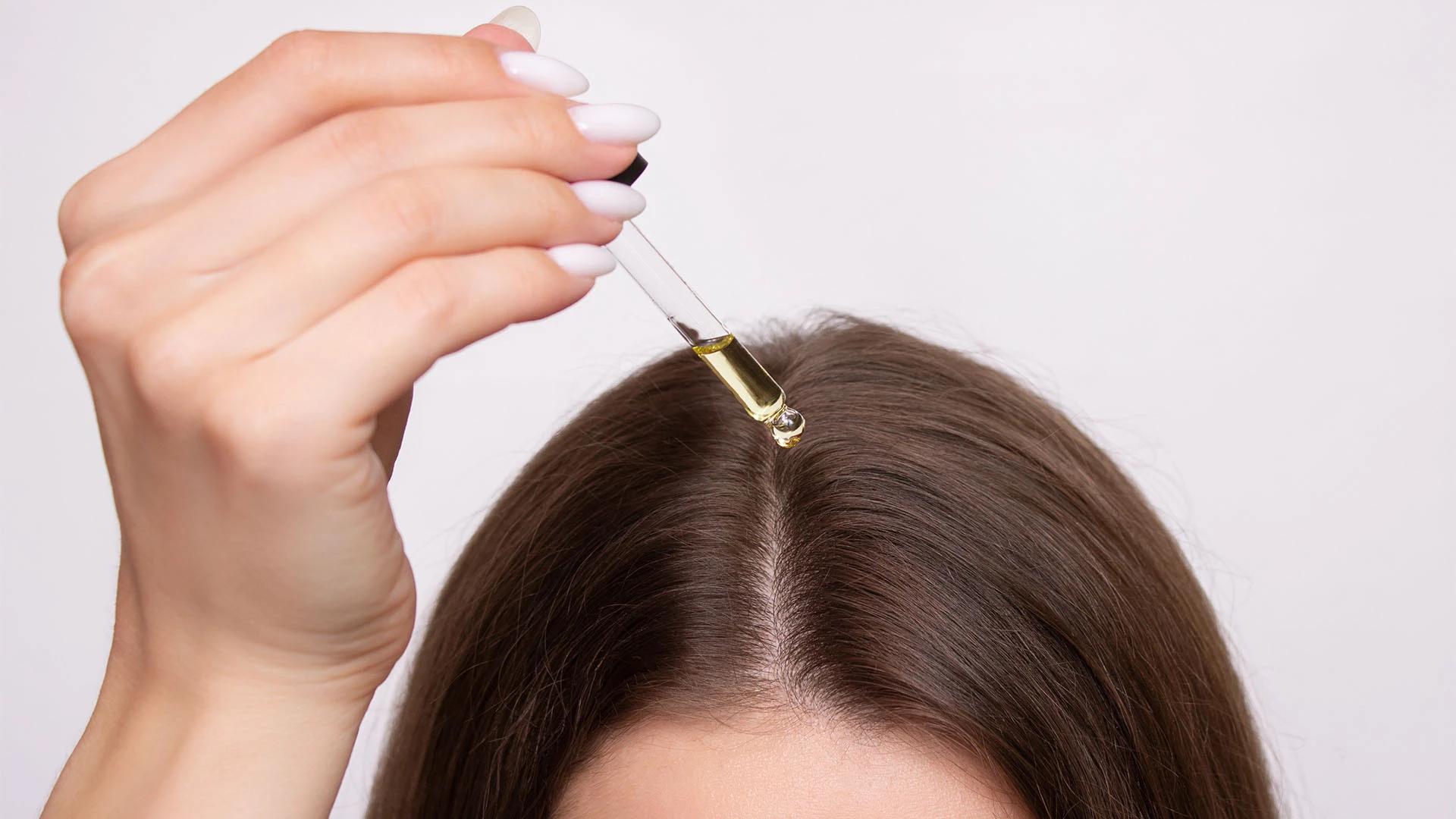

Let's be real—nothing's more frustrating than washing your hair in the morning only to find it looking greasy by lunchtime. If you're constantly battling oily roots and wondering how to control oily hair, you're definitely not alone. Millions of people deal with overactive sebaceous glands that seem to have a mind of their own, leaving hair looking flat, lifeless, and well, a bit gross.
The good news? You don't have to live with perpetually greasy hair. With the right techniques and a bit of patience, you can train your scalp to behave and achieve that fresh, bouncy hair you've been dreaming of. These seven expert-backed tips will help you tackle oily hair from every angle—from choosing the right products to tweaking your daily routine. Ready to say goodbye to constant hair washing and hello to confidence? Let's dive in.
Before we jump into solutions, it's worth understanding why some people's hair gets oily faster than others. Your scalp produces natural oils called sebum through tiny glands called sebaceous glands. While sebum is actually good for your hair—it protects and moisturises—some people's glands are just more enthusiastic about their job.
Several factors contribute to oily hair causes. Genetics play a huge role—if your parents had oily hair, chances are you might too. Hormonal changes during puberty, pregnancy, or even stress can ramp up oil production. Environmental factors like humidity and pollution don't help either, and surprisingly, some of our well-intentioned haircare habits can actually make things worse.
Finding the best shampoo for oily hair can feel like searching for a needle in a haystack, but knowing what to look for makes all the difference. Your shampoo is your first line of defence against excess oil, so choosing wisely is crucial.
Clarifying shampoos are your best friend—they're designed to cut through oil and product buildup without being too harsh. Look for ingredients like tea tree oil, which has natural antibacterial properties, or salicylic acid, which gently exfoliates the scalp. Zinc pyrithione is another winner, especially if you deal with dandruff alongside oily hair.
Skip anything labelled "moisturising," "hydrating," or "for dry hair." These formulas are packed with conditioning agents that will weigh down oily hair. Also, avoid shampoos with heavy oils or silicones listed in the first few ingredients—they'll just add to your oil problem.
Here's where things get interesting—washing your hair every day might actually be making your oily hair worse. When you strip your scalp of all its natural oils daily, it responds by producing even more oil to compensate. This is where learning how to reduce oily hair through strategic washing comes in.
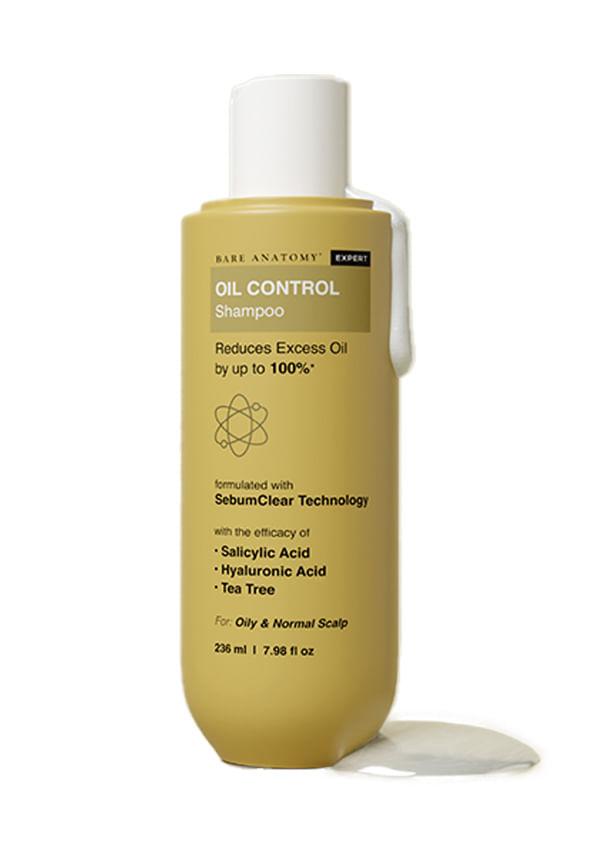 236 ml
Oil Control Shampoo
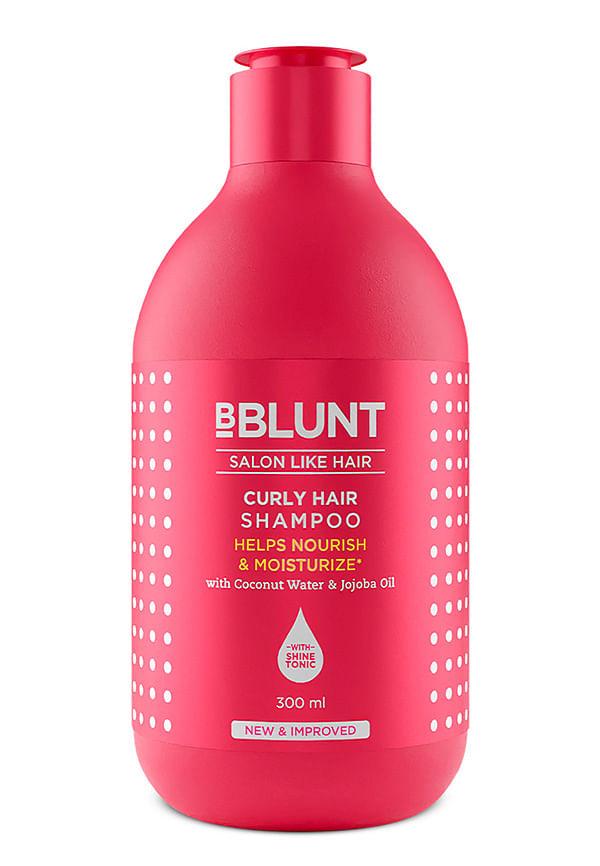 300 ml
Curly Hair Shampoo with Coconut Water & Jojoba Oil
Start by washing every other day instead of daily. Yes, it might feel a bit grim at first, but stick with it. After a week or two, try extending to every third day. Your scalp needs time to adjust and regulate its oil production naturally.
Dry shampoo becomes your secret weapon during this transition. Apply it to roots before bed—it'll absorb oils overnight and give you fresh-looking hair in the morning. Cool water rinses can also help refresh your scalp without triggering more oil production.
This might sound obvious, but you'd be surprised how many people apply conditioner wrong. When it comes to hair care for oily hair, where you put your conditioner matters just as much as what type you use.
Never, ever apply conditioner to your roots or scalp. Start at least two to three inches down from your scalp and focus on the mid-lengths and ends of your hair. These areas are naturally drier and actually need the moisture.
Consider switching to a lightweight leave-in conditioner or detangling spray instead of traditional heavy conditioners. These give you the benefits without the weight that can make oily hair look even greasier.
Sometimes the best oily hair remedies come straight from your kitchen cupboard. These natural remedies for oily hair have been used for generations and actually have science backing them up.
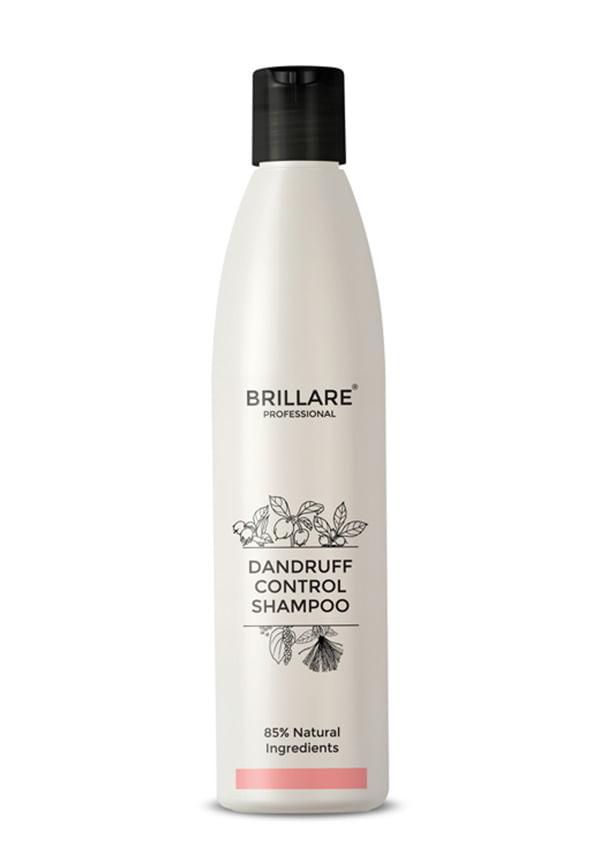 300 ml
Dandruff Control Shampoo For Itchy, Flaky Scalp
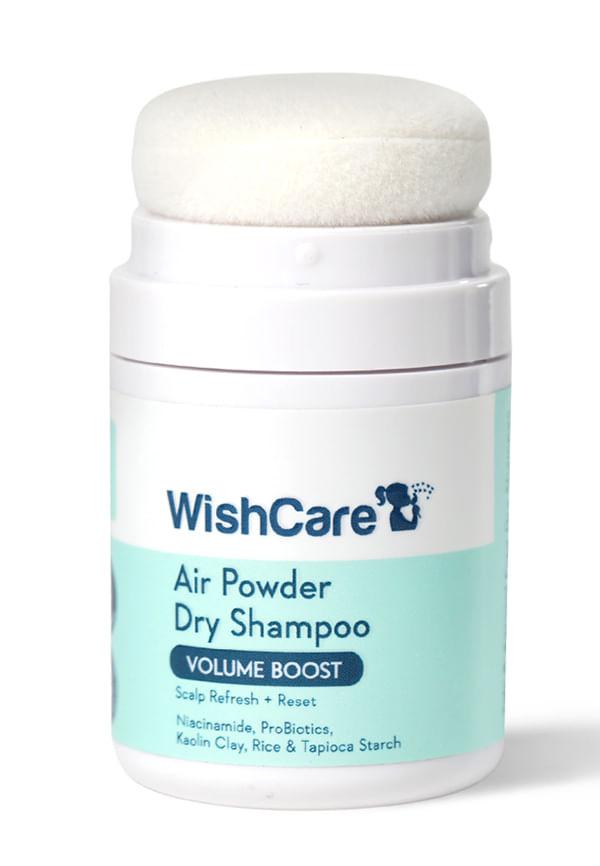 10 gm
10 gmAir Powder Dry Shampoo for Oily Hair & Scalp
Mix one part apple cider vinegar with three parts water and use it as a final rinse after shampooing. The acidity helps balance your scalp's pH and removes product buildup that can make hair look greasy.
Add a few drops of tea tree oil to your regular shampoo or mix it with a carrier oil for a pre-wash scalp treatment. Its antifungal properties help keep your scalp healthy and can regulate oil production.
Bentonite or kaolin clay masks aren't just for your face—they work brilliantly on oily scalps too. Mix the clay with water to form a paste, apply to your scalp, leave for 10-15 minutes, then rinse thoroughly.
The hair products for oily hair you use daily can make or break your oil-control efforts. It's not just about shampoo—everything from your styling products to your hairbrush matters.
Avoid heavy oils, pomades, and thick creams that will weigh your hair down. Instead, opt for lightweight mousses, texturising sprays, or volumising products that lift hair away from your scalp. When you do need heat protection, choose spray formulas over creams.
Clean your hairbrushes weekly with shampoo to remove oil and product buildup. Change your pillowcases frequently—they absorb oils from your hair and skin, then transfer them back. Consider switching to silk or satin pillowcases, which are less absorbent and create less friction.
We've all been there—you're running late and your hair looks like you haven't washed it in a week. These quick scalp oil control tricks can save the day when you need to degrease hair fast.
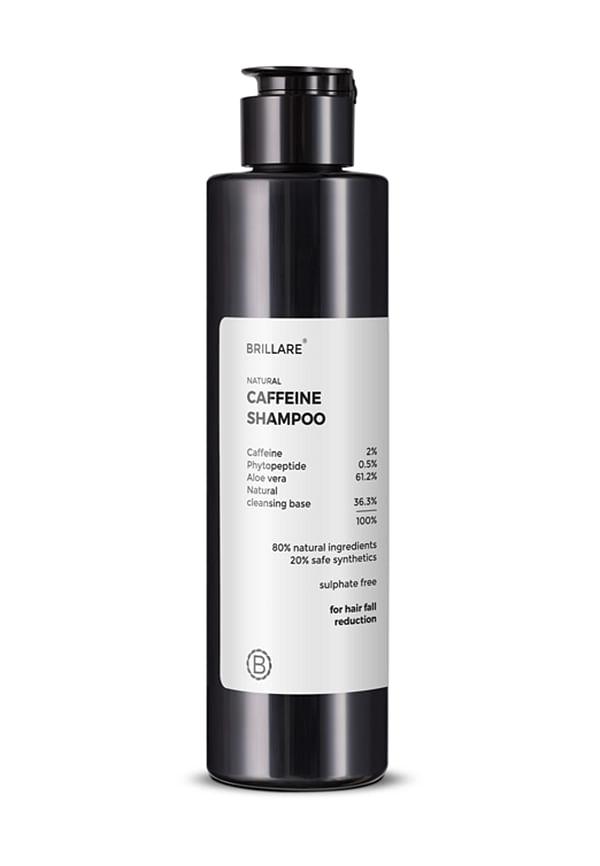 200 ml
Caffiene Shampoo
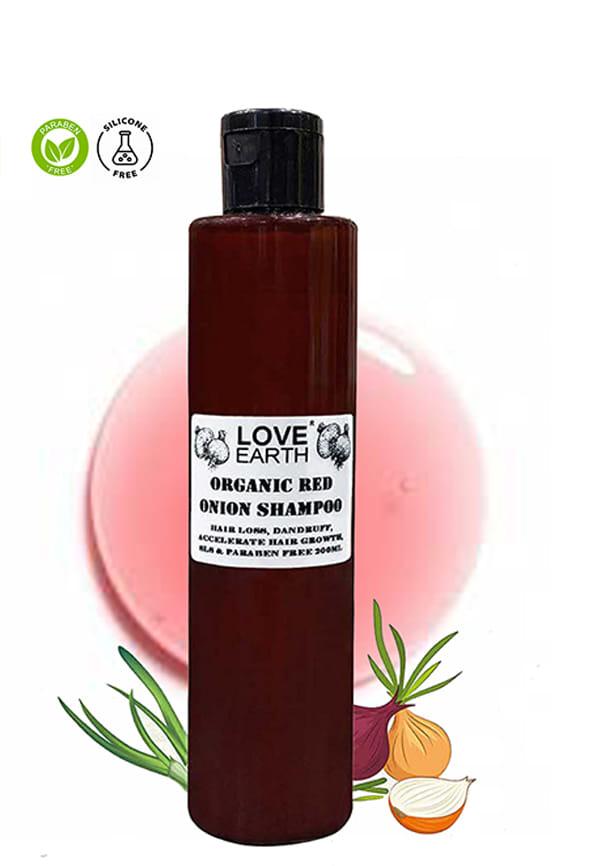 200 ml
Onion Shampoo
Dry shampoo is obvious, but here's the trick—apply it in sections, focusing on the roots, then brush through thoroughly to distribute it evenly. If you don't have dry shampoo, baby powder works in a pinch (just make sure to brush it out completely).
When all else fails, embrace styles that work with oily hair rather than against it. Slicked-back looks, low buns, or textured braids can actually look intentional and chic, even when your hair isn't at its freshest.
Sometimes the most effective oily scalp treatment involves looking beyond just haircare products. Your lifestyle, diet, and stress levels all play a role in how much oil your scalp produces.
Foods high in sugar and refined carbs can increase oil production throughout your body, including your scalp. Try incorporating more omega-3 fatty acids, zinc, and B vitamins into your diet—these nutrients help regulate sebum production naturally.
Chronic stress increases cortisol levels, which can ramp up oil production. Getting enough quality sleep and finding healthy ways to manage stress—whether that's exercise, meditation, or just taking time for yourself—can actually help balance your scalp's oil production.
Finding the right products to tackle oily hair doesn't have to involve expensive trial and error. Smytten offers curated trial packs from over 1,500 trusted brands, letting you explore different haircare solutions before committing to full-size purchases. With options from brands like Love, Beauty & Planet and other trusted names, you can discover what works for your specific hair type without the financial risk.
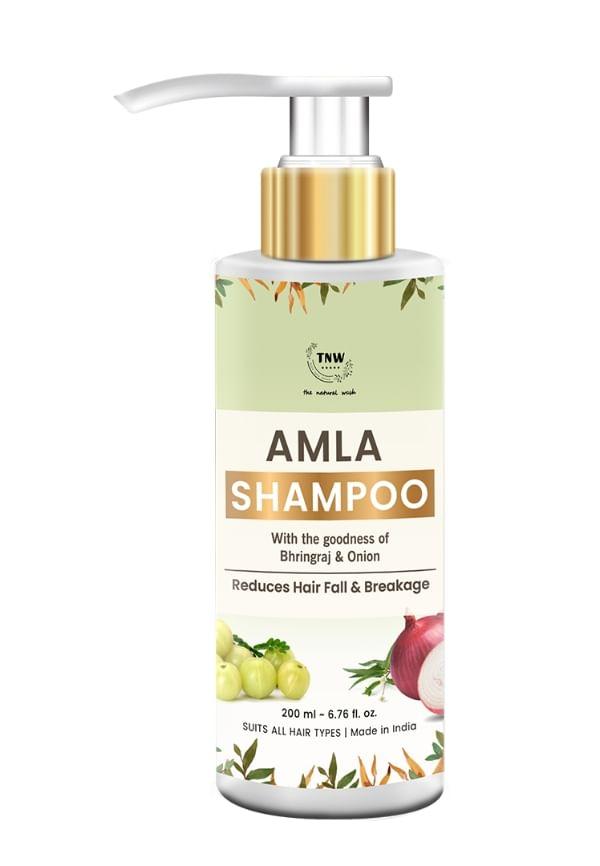 200 ml
Amla Shampoo
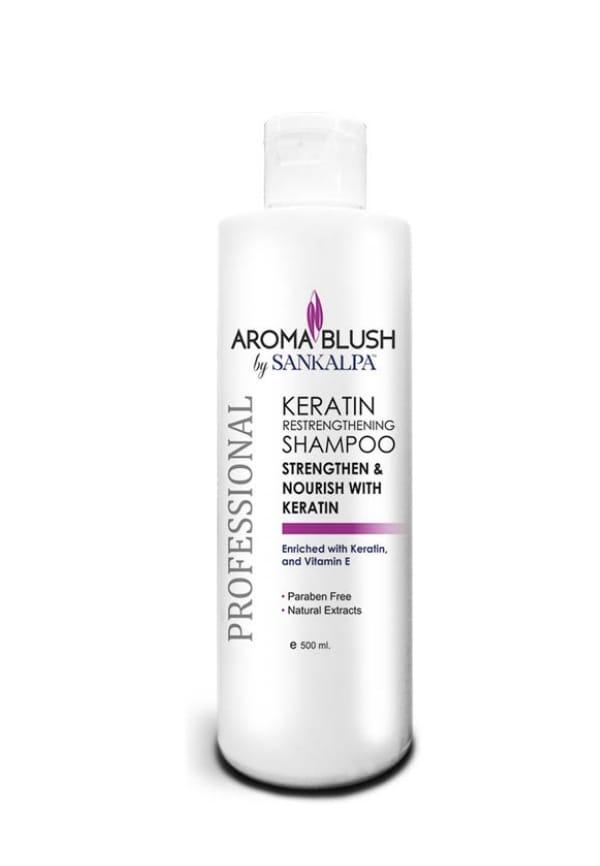 500 gm
Keratin Restrenghtening Shampoo
This usually happens because of over-washing, which strips your scalp of natural oils and triggers it to produce even more oil to compensate. Product buildup, genetics, and hormonal factors can also contribute to rapid oil production.
Start with every other day and gradually work towards washing 2-3 times per week. Your scalp needs time to adjust, so be patient during the transition period. Most people find their sweet spot somewhere between every other day and twice weekly.
Absolutely! Ingredients like apple cider vinegar, tea tree oil, and clay have been proven to help balance scalp pH and absorb excess oils. The key is consistency—natural remedies often take a few weeks to show results.
Washing too frequently is the number one mistake. It creates a vicious cycle where your scalp produces more oil to compensate for what's being stripped away. The second biggest mistake is applying conditioner to the roots.
Most people start noticing improvements within 2-4 weeks of consistently following a new routine. The hair training method can take a bit longer—up to 6-8 weeks—but the results are usually worth the patience.
Learning how to control oily hair is definitely a journey, not a sprint. The key is finding the right combination of techniques that work for your specific hair type and lifestyle. Start with one or two changes—maybe switching to a clarifying shampoo and adjusting your washing frequency—then gradually incorporate other tips as your hair adjusts.
Remember, consistency is everything when it comes to retraining your scalp. It might feel a bit uncomfortable at first, especially if you're used to washing daily, but stick with it. Your hair will thank you in the long run with better texture, more volume, and way less grease.
The beauty of these tips is that most of them cost very little to try. Whether you're experimenting with natural remedies from your kitchen or simply changing how you apply conditioner, small tweaks can lead to big improvements. And when you do find products that work, platforms like Smytten make it easy to try before you buy, so you're never stuck with full-size products that don't deliver. After all, why settle for maybe when you can try it all?
