7 Essential Vitamins for Healthy Hair Growth
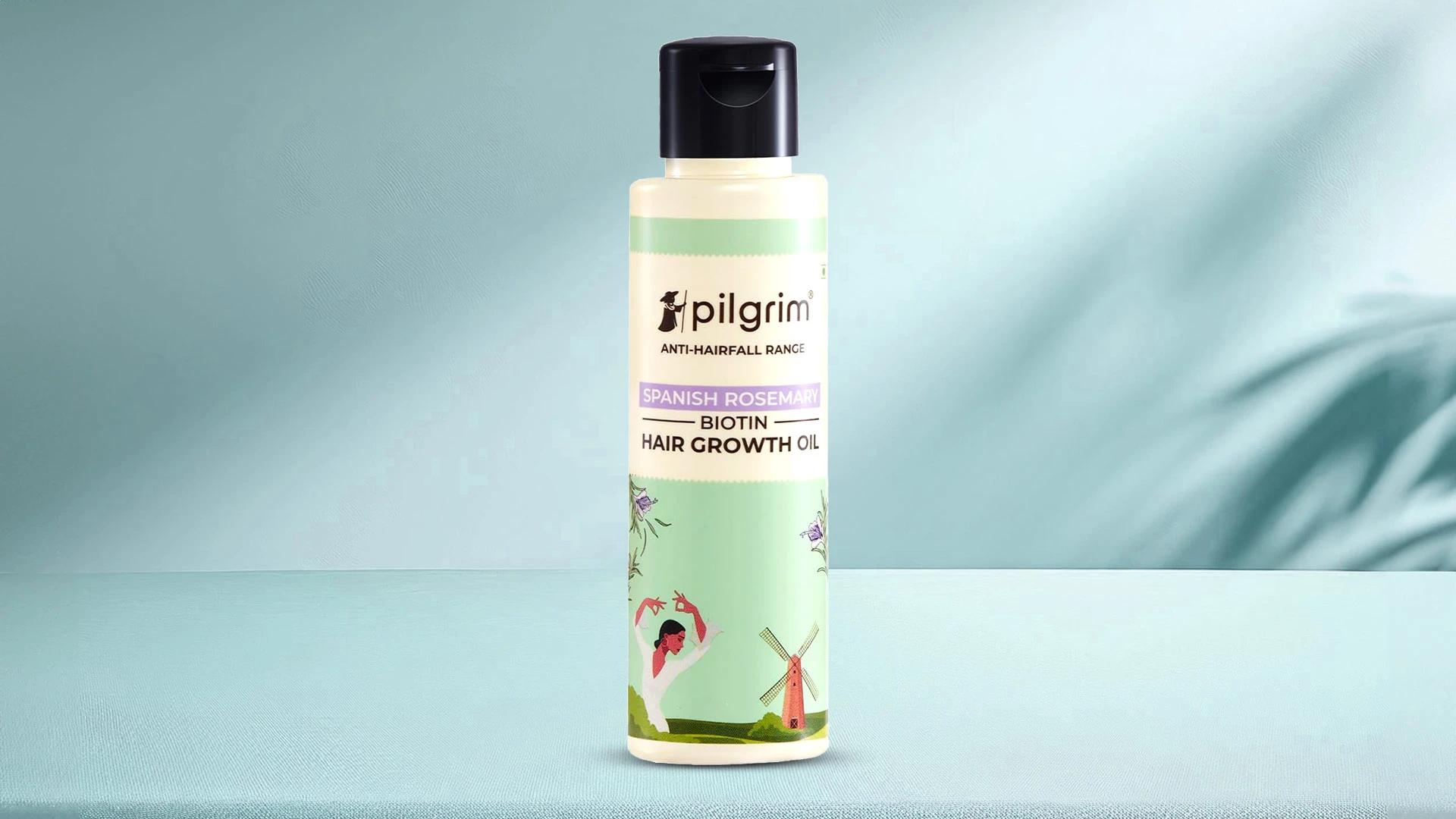

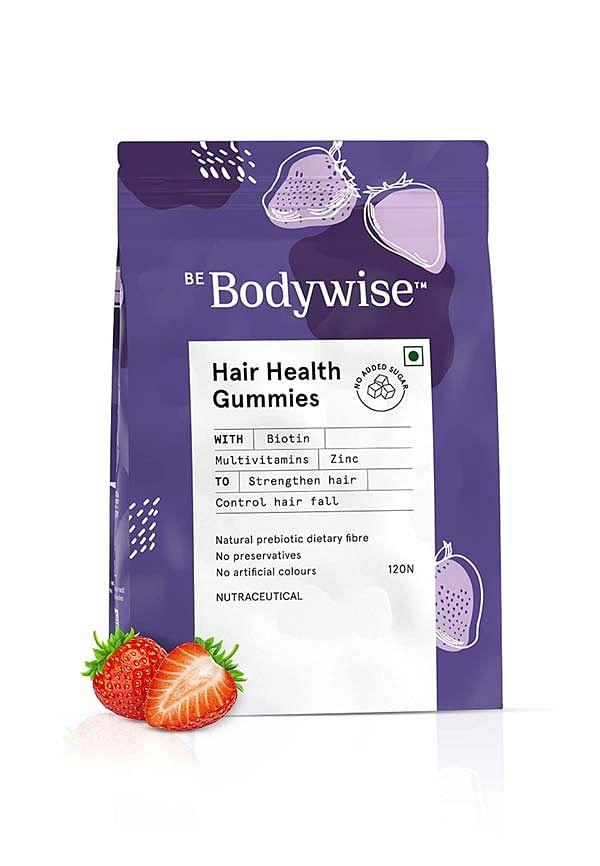
Biotin Hair Gummies
Wondering which vitamin is needed for hair growth? Let's be real – your hair is basically a mirror reflecting what's happening inside your body. When you're not getting the right essential nutrients for hair health, your hair is usually the first to show signs something's up. The good news? There are seven key vitamins that can transform your hair game from meh to magnificent. These aren't just random supplements your mate recommended – they're scientifically-backed nutrients that your hair follicles absolutely crave for healthy growth.
Vitamins are like the backstage crew of your hair growth journey – you might not see them working, but they're absolutely essential for the show to go on. Your hair follicles are some of the most active cells in your body, constantly dividing and creating new strands. This process demands a steady supply of nutrients to function properly. Let's break down exactly how these nutrients work their magic.
Vitamin D and hair follicles work together like a perfectly choreographed dance. These vitamins help create new hair follicles and maintain the health of existing ones. When your body lacks these essential nutrients, follicles can become weak, leading to thinner hair or slower growth.
Your hair doesn't lie – it'll tell you when something's up. Common signs include excessive shedding, brittle strands, slow growth, and lacklustre appearance. Iron deficiency and hair loss often go hand in hand, whilst a lack of B vitamins can leave your hair looking dull and lifeless.
Biotin for hair growth is probably the most talked-about vitamin in the haircare world, and for good reason. This water-soluble vitamin is crucial for keratin production – the protein that makes up your hair structure. Without enough biotin, your hair can become weak and prone to breakage.
Eggs are your best mate here, especially the yolks. Other brilliant sources include nuts, seeds, sweet potatoes, and avocados. Salmon and sardines also pack a decent biotin punch whilst giving you omega-3 fatty acids as a bonus for overall hair health.
Whilst food sources are ideal, biotin supplements can help if you're not getting enough through diet alone. Daily biotin requirements are typically quite modest, but always chat with a healthcare professional before starting any supplement routine.
Vitamin D is like sunshine for your scalp – it helps create new hair follicles and keeps existing ones healthy. Scientists have found that hair follicles contain vitamin D receptors, making this vitamin crucial for hair cycle regulation.
Your skin produces vitamin D when exposed to sunlight, but getting enough can be tricky, especially during winter months. Brief morning sun exposure can help boost your levels naturally.
Fatty fish like mackerel and tuna are brilliant choices. Fortified cereals and mushrooms also contain decent amounts. If you're consistently low on vitamin D, supplements might be worth considering after consulting with a healthcare provider.
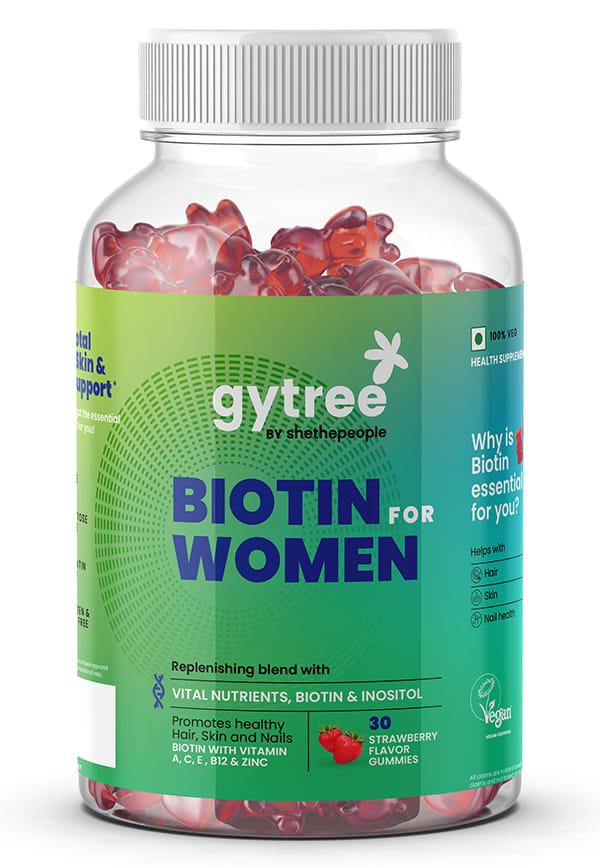
The Total Hair, Skin & Nail Support Biotin Gummies
Vitamin E benefits for scalp health are seriously underrated. This powerful antioxidant protects your hair follicles from oxidative stress (basically damage from everyday life) and helps maintain a healthy scalp environment for optimal hair growth.
Think of vitamin E as your hair's personal bodyguard. It fights off free radicals that can damage hair follicles and lead to premature hair loss. This protection is especially important if you're frequently styling your hair or exposed to environmental pollutants.
Almonds, sunflower seeds, and spinach are fantastic options. Avocados and olive oil also provide good amounts whilst adding healthy fats to your diet. These foods work brilliantly in smoothies or salads.
Vitamin C is your hair's manufacturing assistant – it's essential for collagen production, which strengthens hair strands from the inside out. Collagen supplements for hair strength are popular, but getting vitamin C from food sources helps your body produce its own collagen naturally.
Here's where vitamin C gets really clever – it helps your body absorb iron more effectively. Iron deficiency is one of the leading causes of hair loss, especially in women. This makes the vitamin C and iron partnership crucial for healthy hair growth.
Citrus fruits are obvious choices, but bell peppers, strawberries, and kiwi fruit actually contain more vitamin C per serving. Broccoli and Brussels sprouts are also your best bet that pair well with protein-rich foods for hair health.
Vitamin A helps your scalp produce sebum (your scalp's natural moisturiser) – the natural oil that keeps your hair moisturised and healthy. Without adequate vitamin A, your scalp can become dry and flaky, creating an environment that's not ideal for hair growth.
Here's the thing about vitamin A – too little is bad, but too much can actually cause hair loss. It's all about finding that sweet spot. Most people get enough vitamin A through a balanced diet without needing supplements.
Beta-carotene converts to vitamin A in your body and is found in orange and yellow vegetables. Carrots, sweet potatoes, and butternut squash are brilliant sources that won't lead to vitamin A toxicity like some supplements might.
Vitamin B complex and hair health go together like tea and biscuits. This group of vitamins works as a team to support healthy hair growth, with each B vitamin playing its own special role in the process.
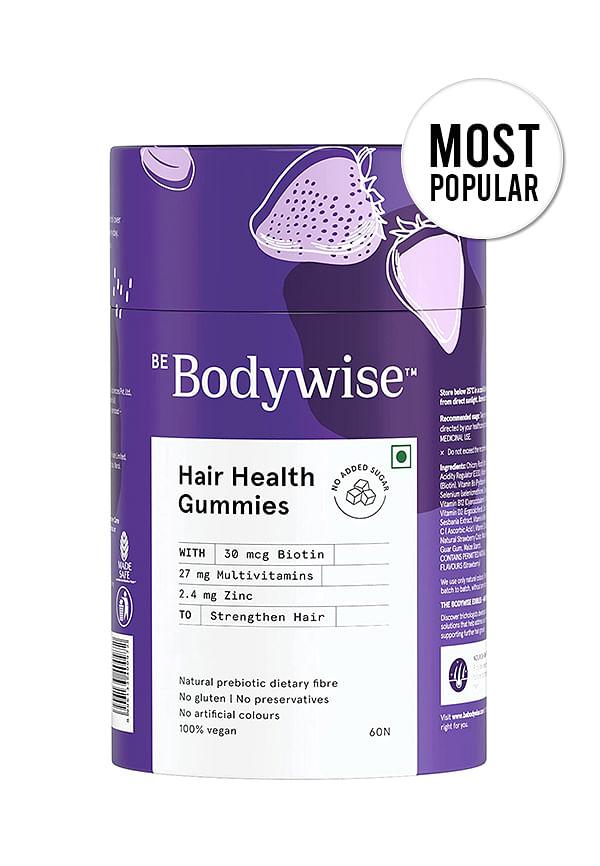
Biotin Hair Health Gummies
B1 (thiamine) helps with circulation to the scalp, B3 (niacin) improves blood flow to hair follicles, and B5 (pantothenic acid) helps prevent hair thinning. B6 helps create melanin, which gives hair its colour, whilst B12 helps form red blood cells that carry oxygen to hair follicles.
Whole grains, leafy greens, and lean meats deliver the goods. Nutritional yeast is a brilliant option for vegans, providing most B vitamins in one go. Eggs and dairy products also contain good amounts of various B vitamins.
Vitamin B12 deserves its own spotlight because it's crucial for creating red blood cells that carry oxygen to your hair follicles. Without adequate B12, your hair follicles can become starved of oxygen, leading to weak, slow-growing hair.
B12 deficiency is more common than you might think, especially among vegans and older adults. Early signs include fatigue and hair changes – your hair might become thinner, duller, or grow more slowly than usual.
Since B12 is primarily found in animal products, vegans need to be particularly mindful. Fortified plant milks, nutritional yeast, and fortified cereals are good options. Many vegans find supplements necessary to maintain adequate B12 levels.
Whilst vitamins are crucial, they're not the only players in the hair growth game. Several minerals and other nutrients work alongside vitamins to keep your hair healthy and strong.
Iron deficiency is one of the most common causes of hair loss, particularly in women. Your hair follicles need iron to produce new hair cells. Red meat, spinach, and lentils are excellent iron sources that can help prevent deficiency-related hair loss.
Zinc supports tissue growth and repair around hair follicles. It also helps keep the oil glands around follicles working properly. Oysters, pumpkin seeds, and chickpeas are brilliant zinc sources.
Omega-3 fatty acids help maintain scalp health and add shine to your strands. Fatty fish, walnuts, and flaxseeds provide these essential fats that your body can't produce on its own.
Protein-rich foods are non-negotiable since hair is primarily made of protein. Eggs, fish, beans, and quinoa provide the amino acids needed to build strong, healthy hair strands.
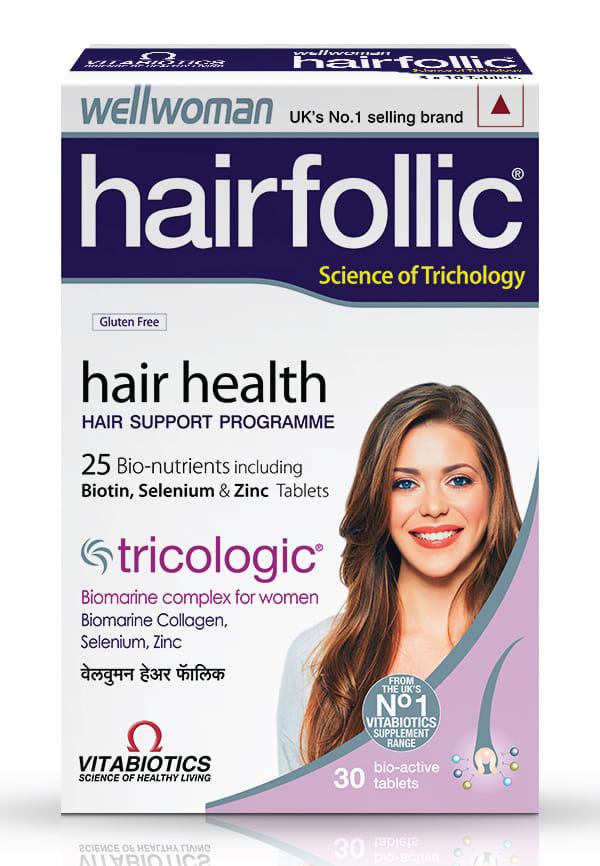
Wellwoman Hairfollic 30 Tablets - Advanced Hair Nutrition formula for Women with Biomarine collagen complex, Biotin and Zinc supplement
The best approach to getting these essential nutrients is through a varied, balanced diet rather than relying solely on supplements. Real food provides vitamins in forms that your body can easily absorb and use.
Aim for a rainbow of colours on your plate – different coloured foods provide different vitamins and minerals. Include a mix of fruits, vegetables, whole grains, lean proteins, and healthy fats to cover all your bases.
Supplements can be helpful if you have diagnosed deficiencies or dietary restrictions. However, it's always best to consult with a healthcare professional before starting any supplement regimen. Some vitamins can be toxic in large amounts.
While supplements can be beneficial, getting your hair vitamins from food sources is often the best approach. Food provides a complex mix of nutrients that work together synergistically. Plus, it's usually more cost-effective than buying individual supplements. However, if you're struggling with specific deficiencies or have dietary restrictions, the best supplements for hair growth and thickness might be worth considering. Always consult with a healthcare professional to determine the right approach for you.
Several vitamin deficiencies can cause hair loss, but iron, vitamin D, and B12 deficiencies are the most common culprits. Biotin deficiency can also lead to hair thinning, though it's less common with a balanced diet.
If hair loss is due to vitamin deficiency, correcting the deficiency might help restore normal hair growth. However, if hair loss is due to genetics or other factors, vitamins alone won't reverse it completely.
Hair grows slowly, so you'll typically need to wait 3-6 months to see noticeable improvements. Hair growth is generally a slow process, taking several months to show noticeable changes, so patience is key when trying to improve hair health through nutrition.
Most vitamins are safe when taken as directed, but some can cause side effects if taken in large amounts. Fat-soluble vitamins (A, D, E, K) can build up in your body and potentially cause toxicity.
While several vitamins contribute to hair health, vitamin D is particularly important for hair fall control. It helps create new hair follicles and maintain existing ones, potentially reducing hair fall. Iron and B-complex vitamins also play crucial roles in preventing excessive hair shedding.
These seven essential vitamins – biotin, vitamin D, vitamin E, vitamin C, vitamin A, B-complex vitamins, and vitamin B12 – form the foundation of healthy hair growth. Remember, your hair reflects your overall health, so focusing on nutrition benefits more than just your strands. The key is consistency and patience. Hair growth is a slow process, but with the right nutrients, you're giving your hair the best chance to grow strong and healthy. Real talk – there's no magic pill for instant hair transformation, but nourishing your body with these essential nutrients is a solid step towards your hair goals. If you're watching your budget, focus on getting these vitamins through food first – it's often more cost-effective than supplements and usually better absorbed by your body. However, if you're considering supplements, it's worth exploring options that offer good value for money. When you're ready to explore haircare products that complement your nutritional efforts, Smytten offers curated trial packs from trusted brands, letting you discover what works for your hair without the commitment. Smytten is India's largest product discovery and trial platform, connecting you with over 1,500 trusted brands. Each mini is linked with Trial Points, and you can get up to 8 minis for just ₹249. Plus, Smytten offers 100% cashback on these minis, redeemable for future orders. With over 25 million users and 100 million trial minis delivered, Smytten helps you make smarter, more confident choices. After all, why settle for 'maybe' when you can #TryItAll!
