7 Essential Tips for Understanding Wavy Hair Types

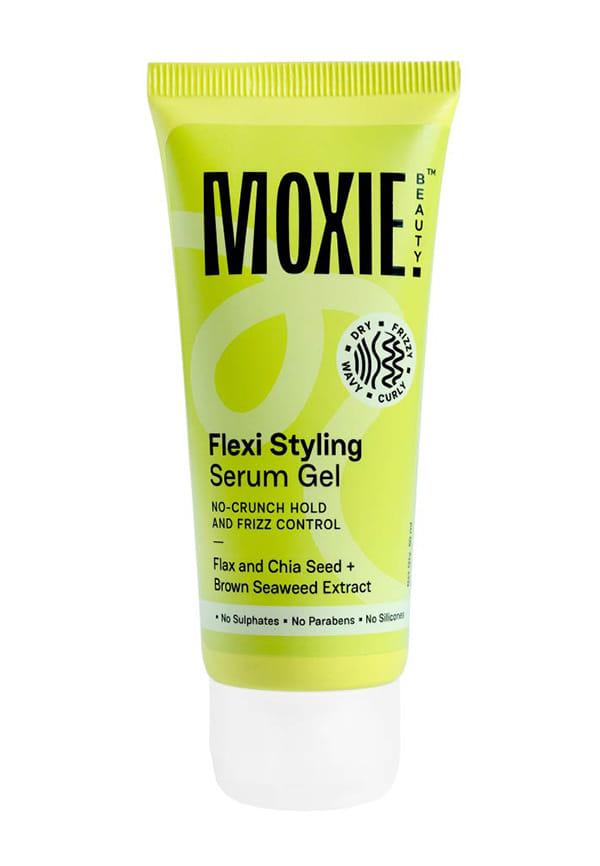 50ml
50mlFlexi Styling Serum Gel for Curly & Wavy Hair
Got waves but can't quite figure out what type they are? You're not alone. Understanding wavy hair types can feel like solving a puzzle, especially when your hair seems to have a mind of its own. Whether your waves are barely there or bordering on curly, knowing your specific type is the key to unlocking your hair's full potential. From fine 2A waves that need gentle care to bold 2C waves that crave definition, each type has its own personality and needs. Let's dive into the world of wavy hair and discover what makes your waves tick.
Wavy hair sits beautifully between straight and curly, creating that effortless, beachy vibe we all love. The hair typing system classifies wavy hair as Type 2, which breaks down into three distinct subcategories: 2A, 2B, and 2C. Each type has its own wave pattern, texture, and styling needs. The main difference between these types lies in how pronounced the waves are and how much volume they naturally create. Think of it as a spectrum – 2A hair has gentle, loose waves that are closest to straight hair, while 2C hair has strong, defined waves that almost touch curly territory.
Type 2A hair features loose, subtle waves that create a gentle S-pattern. This hair type tends to be fine and can easily be weighed down by heavy products. The waves are most visible when hair is damp and can sometimes straighten out completely when dry.
Type 2B hair showcases more defined waves with a clear S-shape that's visible even when dry. This type typically has medium thickness and holds waves better than 2A hair. You'll notice more volume at the roots and consistent wave patterns throughout.
Type 2C hair displays strong, well-defined waves with some areas that might even form loose curls. This type tends to be thicker and more prone to frizz, especially in humid conditions. The waves start closer to the roots and maintain their shape throughout the day.
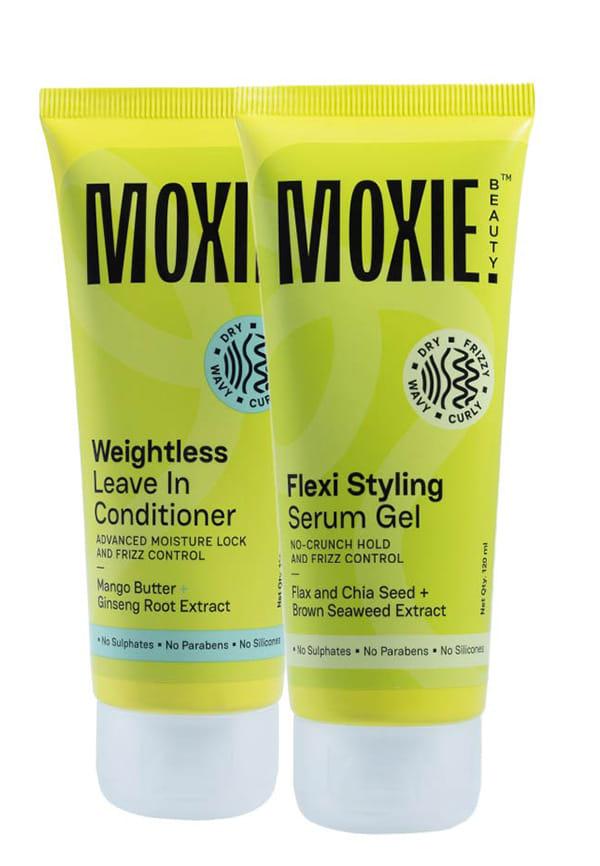 Combo
ComboWavy Vibe Setter Duo - Weightless Leave-in Conditioner & Styling Serum Gel
Figuring out your exact wavy hair type requires a bit of detective work. The best way to assess your natural wave pattern is to observe your hair when it's completely natural – no heat styling, no products, just clean and air-dried. Start by washing your hair with a gentle shampoo and skip the conditioner for this test. Gently squeeze out excess water with a microfibre towel, then let your hair air dry completely without touching it. This gives you the most accurate picture of your natural wave pattern. Look at the overall shape and consistency of your waves. Are they barely visible gentle bends (2A), clear S-shaped waves (2B), or strong waves with some spiral sections (2C)? Also consider how your hair behaves – does it easily lose its wave pattern, or does it hold waves stubbornly? Don't forget to factor in your hair's thickness and density. Fine wavy hair behaves differently from thick wavy hair, even within the same type category. This affects which products and techniques will work best for your specific needs.
Creating the perfect wavy hair routine depends entirely on understanding your specific type and its unique needs. Each wave type requires a different approach to cleansing, conditioning, and styling. For fine wavy hair (typically 2A), focus on lightweight products that won't weigh down your delicate waves. Wash every other day or every two days to prevent oil buildup that can make waves fall flat. Use a volumising shampoo and a light conditioner, applying it only to the mid-lengths and ends.
Keep your routine simple and lightweight. Use a gentle, sulphate-free shampoo and apply conditioner sparingly. A lightweight leave-in conditioner or wave cream can help define your subtle waves without weighing them down.
This hair type can handle slightly heavier products. Wash 2-3 times per week and use a moisturising conditioner. A curl cream or light gel can help enhance your natural wave pattern and provide hold throughout the day.
Thicker 2C hair needs more moisture and stronger hold products. Wash 1-2 times per week and use a rich, hydrating conditioner. Layer products like leave-in conditioner, curl cream, and gel for maximum definition and frizz control.
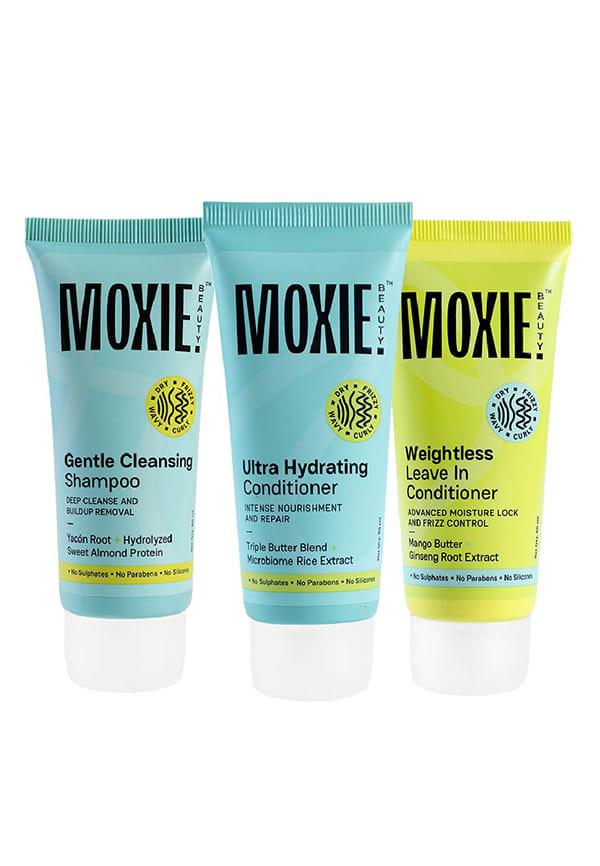 Combo
ComboWavy Essentials Travel Trio - Shampoo, Conditioner & Leave-in Conditioner for Wavy Hair
Choosing the right wavy hair products can make or break your hair routine. The key is matching product weight and hold to your specific hair type and needs. For all wavy hair types, look for products that are sulphate-free, contain moisturising ingredients, and provide some level of hold without being too heavy. Avoid products with drying alcohols, which can increase frizz and disrupt your wave pattern. Lightweight mousses and foams work brilliantly for fine wavy hair, providing volume without weight. Medium-hold gels and creams suit 2B hair perfectly, offering definition while maintaining movement. Strong-hold gels and thick creams help tame frizzy wavy hair and provide lasting definition. When exploring new products, consider trying smaller sizes first to see how your hair responds. This approach lets you experiment without committing to full-size products that might not work for your specific wave type.
Styling wavy hair is all about enhancing your natural texture rather than fighting against it. The right techniques can transform limp waves into bouncy, defined spirals. Start with damp hair and apply your styling products using the 'praying hands' method – smooth products down the hair shaft with both hands pressed together. This helps distribute products evenly without disrupting your wave pattern. Scrunching is your best friend for encouraging wave formation. Gently squeeze sections of hair upwards towards your scalp, allowing the waves to spring into their natural shape. For extra definition, try 'plopping' – wrapping your hair in a cotton t-shirt or microfibre towel for 10-20 minutes after applying products. Diffusing can speed up drying time while adding volume, but use low heat and low speed to prevent frizz. Alternatively, air drying often gives the most natural-looking results, though it takes longer.
Even with the perfect routine, wavy hair can be unpredictable. Understanding common challenges and their solutions helps you adapt your approach when things don't go to plan. Frizzy wavy hair is often a sign of dryness or damage. Increase your deep conditioning treatments and consider using a protein treatment if your hair feels mushy or overly soft. Humidity can also cause frizz, so look for anti-humidity products or try protective styles on particularly humid days. Inconsistent wave patterns are completely normal – most people have different wave types throughout their head. Focus on caring for the most common type and use targeted techniques for problem areas. Sometimes one side of your hair might be wavier than the other due to sleeping position or natural growth patterns. Lack of volume often affects fine wavy hair. Try root-lifting techniques like clipping sections up while drying, or use volumising products specifically designed for wavy hair. Avoid over-conditioning the roots, which can weigh hair down. With the right understanding and approach, managing wavy hair becomes much easier. Smytten offers curated trial packs from trusted haircare brands, letting you explore different products without committing to full sizes. With over 1,500 brands available, you can discover what works best for your specific wave type through affordable mini-sized products. This trial approach is perfect for wavy-haired individuals who need to experiment with different formulations to find their perfect match.
Look at your natural wave pattern when hair is clean and air-dried without products. 2A has loose, barely-there waves; 2B has clear S-shaped waves; and 2C has strong waves that might include some curls.
Yes, many curly hair products work well for wavy hair, especially for 2C types. However, fine wavy hair might find curly products too heavy, so start with small amounts.
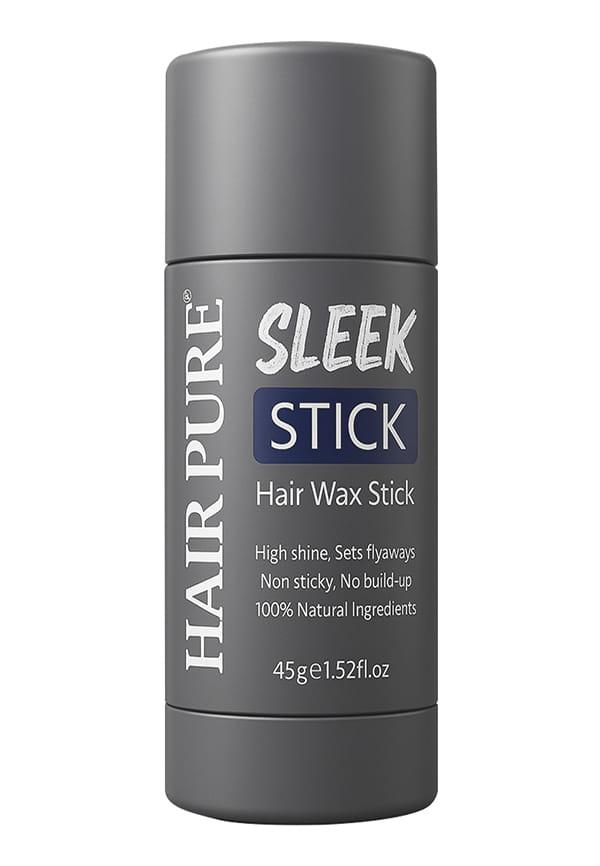 45gm
45gmSleek Stick
This depends on your hair type and scalp. Fine wavy hair (2A) might need washing every 1-2 days, while thicker wavy hair (2C) can often go 3-4 days between washes.
Wavy hair is naturally inconsistent due to factors like humidity, how you slept, product application, and even hormonal changes. This variability is completely normal.
Yes, with proper care and the right techniques, some wavy hair can develop more defined curl patterns. Hormonal changes, damage repair, and improved hair health can all affect curl pattern.
Lightly mist hair with water or a refresh spray, scrunch gently, and add a small amount of leave-in conditioner or curl cream to revive the wave pattern.
Understanding wavy hair types is the foundation of a successful haircare routine. Whether you have fine 2A waves, classic 2B waves, or strong 2C waves, knowing your type helps you choose the right products and techniques. Remember that wavy hair is beautifully unpredictable – embrace the variation and work with your natural texture rather than against it. The key is finding the right balance of moisture, hold, and gentle care that suits your specific wave pattern. With patience and the right approach, you can unlock your waves' full potential and enjoy gorgeous, healthy hair every day.
