7 Essential Steps to Identify Your Curl Type


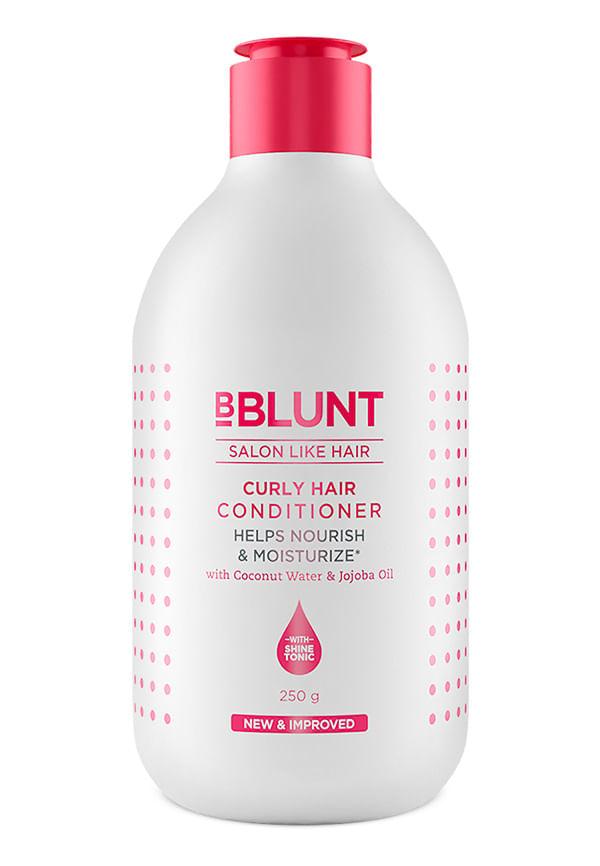 250 gm
Curly Hair Conditioner with Coconut Water & Jojoba Oil
Ever looked in the mirror and wondered what exactly your curls are trying to tell you? You're not alone. Understanding curly hair types can feel like decoding a secret language, but it's actually the key to unlocking your best hair days. Whether you've got loose waves that barely hold or tight coils that spring back with attitude, knowing your curl pattern changes everything about how you care for your hair. Let's break down the mystery together and help you identify exactly what you're working with. Trust us, your curls will thank you for it.
Before we dive into identifying your specific pattern, let's get familiar with the curly hair guide that stylists and curl enthusiasts swear by. The hair typing system breaks down natural hair types into categories 2, 3, and 4, with subcategories A, B, and C that indicate increasing curl intensity.
Type 2 hair includes wavy hair types that range from barely-there bends to more defined S-shaped waves. Type 2A waves are subtle and loose, 2B waves are more pronounced with some frizz, and 2C waves are strong with definite curls mixed in. Type 3 hair shows true curl formation - 3A curls are large and loose, 3B curls are springy and well-defined, whilst 3C curls are tight and densely packed. Type 4 hair features coils and kinks, with 4A being soft coils, 4B showing a Z-pattern, and 4C having the tightest, most fragile coil structure.
Here's the thing - not all curls are created equal, and what works for your mate's 3A curls might be a disaster for your 2C waves. Each curl pattern has different needs when it comes to moisture, styling products, and techniques. Getting this right means the difference between defined, bouncy curls and a frizzy mess that refuses to cooperate.
The first step in how to identify curl type is seeing your hair in its most natural state. This means stripping away all the products, heat styling, and manipulation to see what your hair actually wants to do.
Start with a clarifying shampoo to remove all product buildup - this is crucial for getting an accurate read on your natural pattern. Skip the conditioner for now, and definitely avoid any leave-in products, oils, or styling aids. You want your hair completely clean and product-free.
After washing, gently squeeze out excess water with a microfibre towel and let your hair air dry completely without touching it. Look for the natural pattern that emerges - are you seeing gentle S-shaped waves, defined spirals, or tight coils? Take photos from different angles because your curl pattern might vary across your head.
Now that you can see your natural pattern, it's time to get specific about the size and shape of your curls. This step helps distinguish between the A, B, and C subcategories within each curl type.
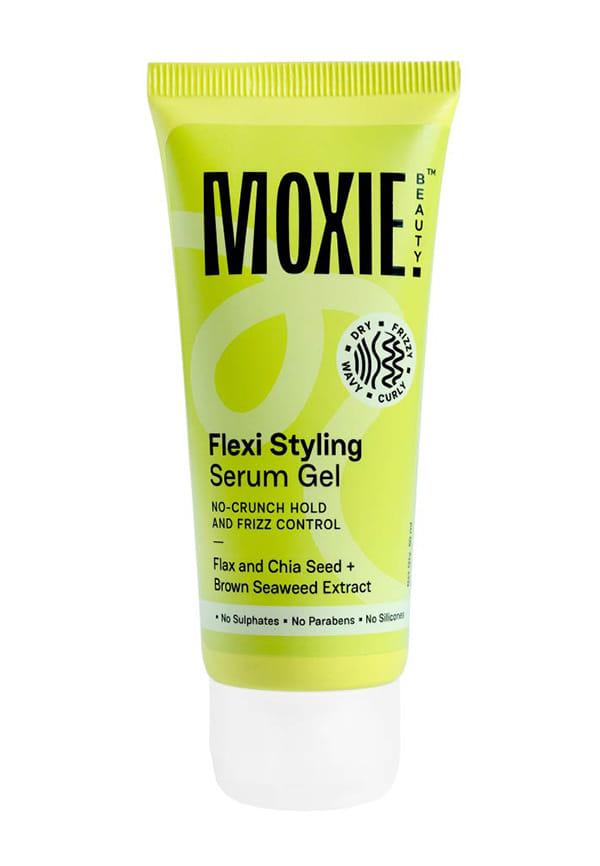 50ml
50mlFlexi Styling Serum Gel for Curly & Wavy Hair
Grab a few everyday objects - a pencil, a pen, and a marker. Gently wrap a single curl around each one to see which diameter matches your natural curl size. Pencil-sized curls typically indicate tighter patterns (3C or 4A), pen-sized curls suggest medium patterns (3A or 3B), whilst marker-sized curls point to looser patterns (2C or loose 3A).
Don't confuse how many curls you have with what type they are. You might have fine 3B curls that are densely packed, or coarse 2C waves that are more spaced out. Focus on the individual curl's shape and size rather than the overall volume of your hair.
Hair porosity for curly hair is a game-changer in understanding how your curls behave and what products they need. This characteristic affects everything from how quickly your hair dries to how well it holds moisture and styling products.
Take a few clean strands of hair and drop them into a glass of room-temperature water. Low porosity hair will float on top, medium porosity hair will sink slowly, and high porosity hair will sink quickly to the bottom. This simple test reveals how easily moisture can penetrate your hair shaft.
Low porosity curls often need lighter products and heat to help ingredients penetrate, whilst high porosity curls drink up moisture quickly but struggle to retain it. Understanding your porosity helps explain why certain products work brilliantly for some people but leave your curls feeling weighed down or still thirsty.
Texture refers to the actual width of your individual hair strands, and it plays a huge role in how your curls behave and what they need to look their best.
Take a single strand of hair and roll it between your fingers. If you can barely feel it, you've got fine hair. If it feels like a piece of thread, that's medium texture. If it feels thick and wiry, you're dealing with coarse hair. Fine curls often need lightweight products to avoid being weighed down, whilst coarse curls can handle richer, heavier formulations.
Fine curls typically need more frequent washing and lighter styling products, whilst coarse curls benefit from less frequent washing and richer moisturising treatments. This is where understanding your specific combination of curl pattern and texture becomes crucial for building an effective routine.
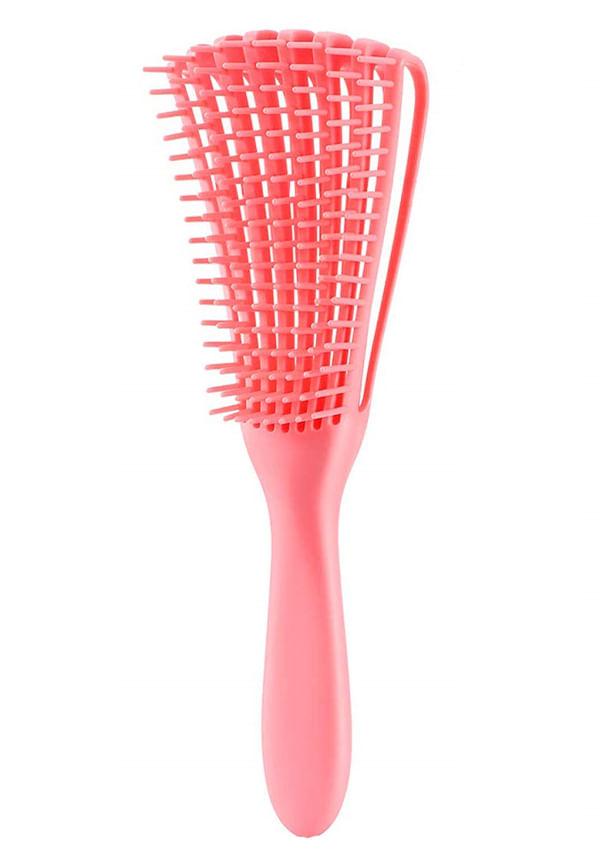 1N
1NDetangling Brush for Curly and Rough Hair
Healthy curls should have good elasticity - the ability to stretch and bounce back without breaking. This characteristic, along with shrinkage patterns, gives you valuable insight into your curl type and health.
Take a wet strand of hair and gently stretch it. Healthy hair should stretch about 50% of its length before snapping back. If it stretches too much without bouncing back, you might have damaged or overly moisturised hair. If it breaks immediately, your hair likely needs more moisture and protein.
Shrinkage is completely normal and actually indicates healthy curl formation. Type 2 waves typically show minimal shrinkage, Type 3 curls can shrink 20-50%, and Type 4 coils often shrink 50-75% or more. Embracing your natural shrinkage rather than fighting it leads to healthier, happier curls.
Your curls' reaction to environmental factors can reveal a lot about their type and porosity. Different curl patterns respond differently to humidity, temperature changes, and seasonal shifts.
High porosity curls often become frizzy in humid weather because they absorb moisture from the air quickly. Low porosity curls might actually look better in humidity because the extra moisture helps soften them. Pay attention to how your curls behave on rainy days versus dry days.
Many people notice their curls behave differently in summer versus winter. This is completely normal and can help you understand your curl's needs. Summer humidity might enhance your curl pattern, whilst winter dryness might require adjustments to your curly hair routine.
Now that you've identified your curl type, texture, porosity, and environmental responses, it's time to put this knowledge into action. Building the right routine is where all this detective work pays off.
Type 2 waves typically thrive with lightweight mousses and sea salt sprays that enhance natural texture without weighing hair down. Type 3 curls often love curl creams and gels that provide definition and hold. Type 4 coils usually need rich butters and oils for moisture, plus strong-hold gels for definition. The key is finding products that work with your specific combination of curl pattern, texture, and porosity.
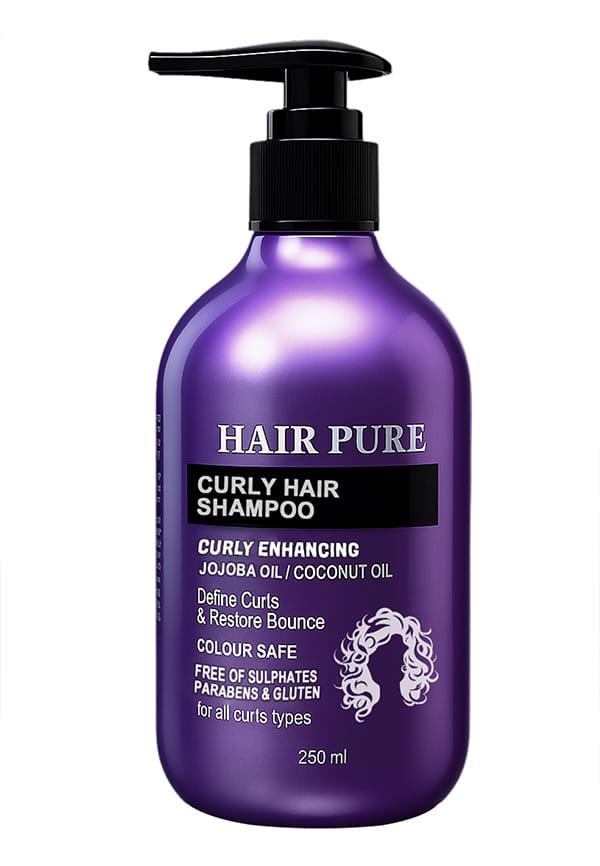 250ml
250mlCurly Hair Shampoo
Loose waves benefit from scrunching with a microfibre towel and air drying or diffusing on low heat. Defined curls often look best with the "plopping" method and gentle scrunching. Tight coils might need sectioning and careful product application to each section. Remember, what works for someone else's curls might not work for yours, and that's perfectly fine.
This is where platforms like Smytten become invaluable for curly-haired individuals. With over 1,500 trusted brands offering trial-sized products, you can experiment with different curly hair care formulations without committing to full-size purchases. Whether you're testing a new curl cream from Dot & Key or trying a different approach with products from Love, Beauty & Planet, Smytten's trial packs let you discover what truly works for your unique curl pattern.
Start with freshly washed, product-free hair and let it air dry naturally. Observe the pattern that forms, measure curl diameter using everyday objects like pens or pencils, and test your hair's porosity and elasticity. Take photos from different angles to get a complete picture of your curl pattern.
These represent different levels of curl intensity. 2A-2C are wavy hair types ranging from subtle bends to strong waves. 3A curls are large and loose, 3B curls are springy and well-defined, and 3C curls are tight and densely packed. Each requires different care approaches.
Yes, curl patterns can change due to hormonal shifts, ageing, chemical treatments, heat damage, or even seasonal changes. It's worth reassessing your curl type periodically, especially after major life changes or hair treatments.
Wavy hair (Type 2) forms S-shaped patterns that are generally looser and less defined than true curls. Curly hair (Type 3) forms distinct spiral or corkscrew shapes with more defined curl formation and typically more shrinkage.
Porosity affects how your curls absorb and retain moisture, which influences their appearance and behaviour. High porosity curls might appear frizzy more easily, whilst low porosity curls might seem resistant to products. Understanding both helps you choose the right care routine.
No, the curl typing system is universal regardless of gender. However, men's shorter haircuts might make curl patterns appear different, and styling preferences often vary between genders.
Understanding curly hair types isn't just about putting a label on your locks - it's about finally giving your curls what they actually need to thrive. Every curl pattern is unique and beautiful, and once you understand yours, you can stop fighting against your natural texture and start working with it instead.
Remember, identifying your curl type is just the beginning. The real magic happens when you start experimenting with products and techniques that suit your specific pattern. With Smytten's extensive range of trial-sized haircare products from trusted brands, you can explore different formulations and find your perfect curly hair routine without the commitment of full-size purchases. After all, why settle for 'maybe' when you can try it all and discover what truly makes your curls shine?
