7 Essential Steps to Building Your Hair Care Routine
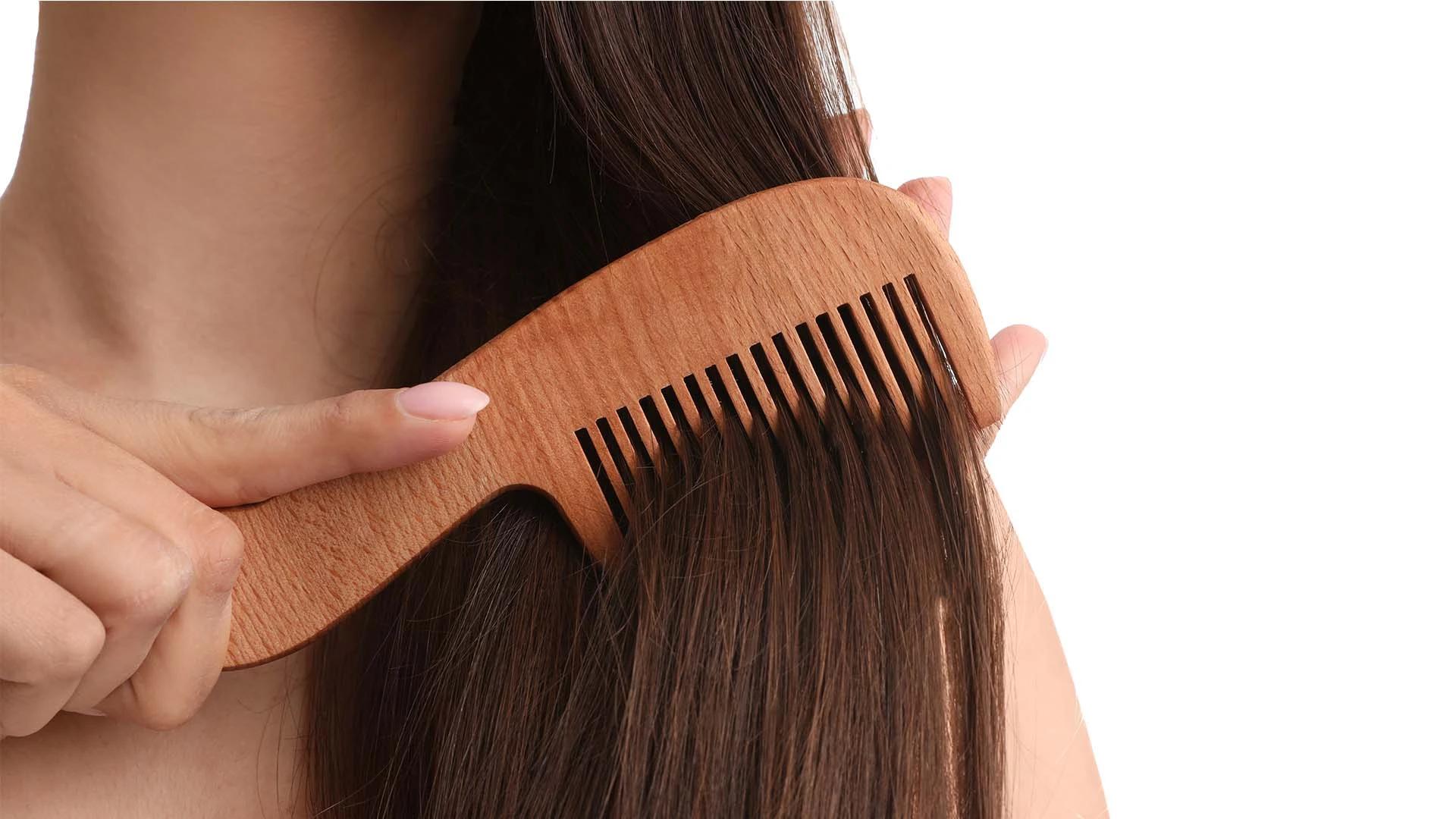

Building a hair care routine might feel like rocket science, but it's actually way simpler than you think. Your hair is basically telling you what it needs—you just need to learn how to listen. Whether you're dealing with frizz that has a mind of its own, breakage that makes you want to cry, or just want that glossy, healthy hair you see on Instagram, the right routine can transform your locks in 30 to 90 days. The secret isn't buying every trending product or following someone else's routine blindly. It's about understanding your unique hair type, scalp condition, and lifestyle, then building something that actually works for you. Let's break down the seven essential hair care steps that'll get you there.
Before you dive into any hair care routine, you need to know what you're working with. Think of it like getting to know a new friend—you wouldn't give the same advice to everyone, right? Your hair type determines everything from how often you should wash to which hair care products will actually work.
Hair types fall into four main categories: Type 1 (straight), Type 2 (wavy), Type 3 (curly), and Type 4 (coily). Each type has subcategories A, B, and C based on thickness and curl pattern. Straight hair tends to get oily faster, whilst curly and coily hair often struggles with dryness. Knowing your type helps you choose the right hair care tips and products.
Here's a quick test: drop a clean strand of hair into a glass of water. If it sinks quickly, you have high porosity hair that absorbs moisture fast but loses it just as quickly. If it floats, you have low porosity hair that's harder to moisturise but holds onto it longer. Normal porosity hair sinks slowly and is the easiest to manage.
Your scalp condition is just as important as your hair type. Oily scalps need more frequent washing, dry scalps benefit from gentle, moisturising shampoos, and sensitive scalps require fragrance-free, mild formulas. Pay attention to how your scalp feels throughout the day—tight, itchy, or greasy are all clues about what it needs.
Your hair washing routine is the foundation of healthy hair. Get this wrong, and everything else falls apart. The key is finding the sweet spot between clean and over-cleansed.
Straight, fine hair might need daily washing, whilst thick, curly hair could go a week between washes. Oily scalps benefit from more frequent cleansing, but dry or chemically treated hair should be washed less often. Start with every other day and adjust based on how your hair feels and looks.
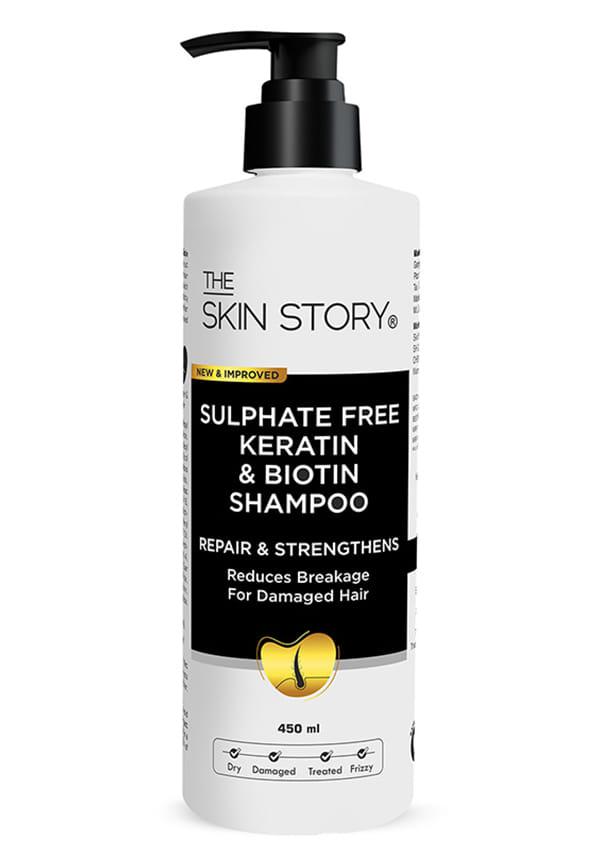 450 ML
Sulphate Free Keratin Shampoo Enriched With Biotin & Vitamin E | Repairs & Strengthens Hair
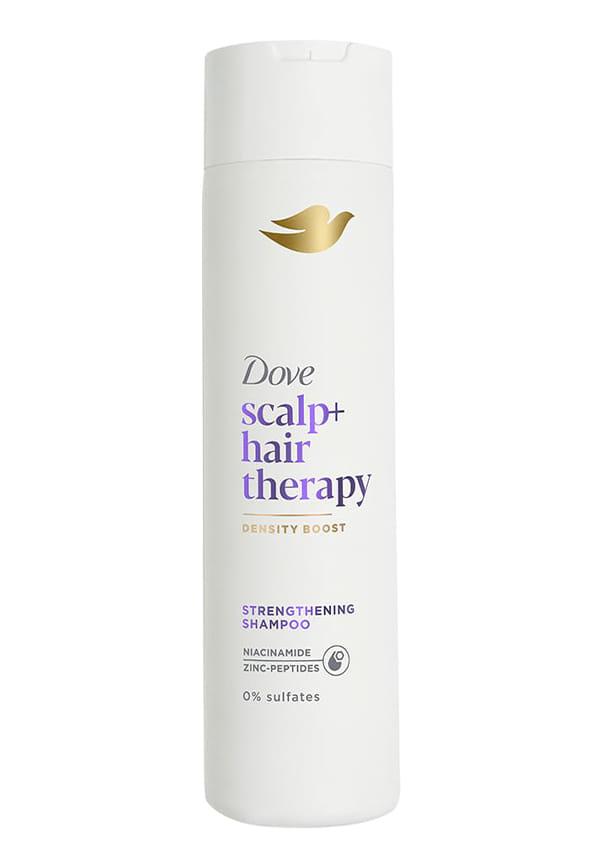 270 ml
Dove Scalp+Hair Therapy Sulphate Free Density Boost Strengthening Shampoo
Sulfate-free shampoos are gentler and perfect for daily use, especially if you have colour-treated or damaged hair. Clarifying shampoos are stronger and should be used weekly or monthly to remove product buildup. Think of clarifying shampoo as a deep clean for your hair.
Massage your scalp with your fingertips (not nails) for 30 seconds whilst shampooing. This boosts blood circulation and helps remove dead skin cells. Focus the shampoo on your scalp, not the lengths of your hair, and rinse thoroughly with lukewarm water.
Hair conditioning is where the magic happens. This step adds moisture, smooths the hair cuticle, and protects against damage. But not all conditioning is created equal.
Rinse-out conditioners are your daily go-to, applied from mid-length to ends after shampooing. Leave-in conditioners provide ongoing protection and moisture throughout the day. Deep conditioning treatments are intensive hair treatment options used weekly or monthly for extra nourishment.
Damaged hair often needs protein to rebuild strength, whilst dry hair needs moisture. Signs you need protein include hair that feels mushy when wet or breaks easily. Signs you need moisture include hair that feels rough, looks dull, or tangles easily. Finding this balance is crucial for healthy hair.
Apply conditioner from mid-length to ends, avoiding the scalp unless you have very dry hair. Use a wide-tooth comb to distribute evenly, then leave on for 2-3 minutes before rinsing. For deep treatments, apply to damp hair and leave on for 10-20 minutes.
How you dry and style your hair can make or break your hair care routine. Heat damage is real, but so is mechanical damage from rough handling.
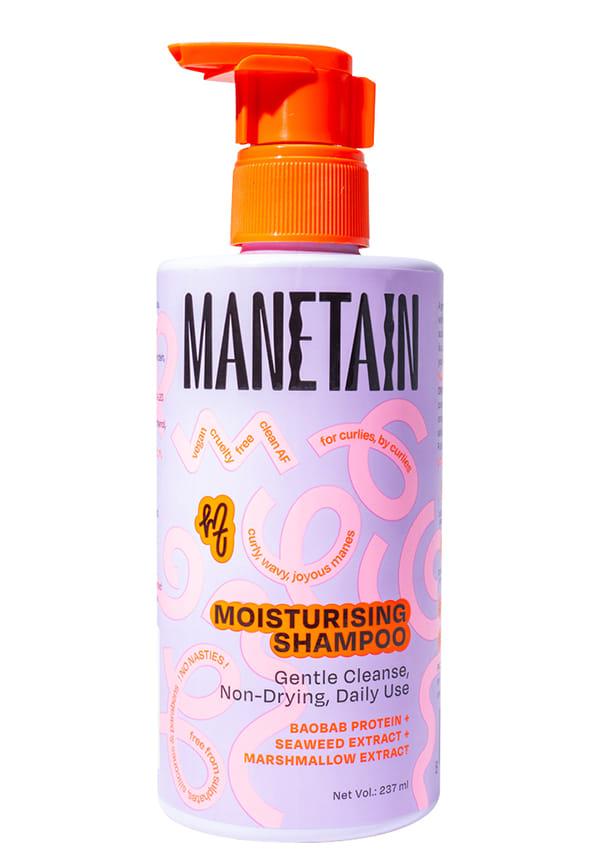 237Ml
237MlMoisturizing Shampoo With Marshmallow Extract
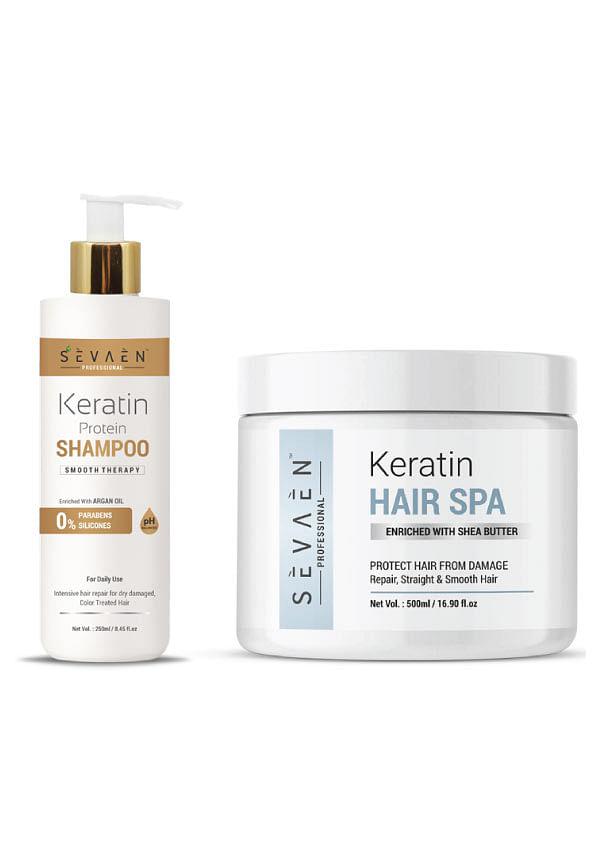 Combo
ComboKeratin Shampoo And Hair Spa Cream For Hair Dry&Damage repair And strengthening&Smoothing Hair With Deep Conditioning Treatment
Always use a heat protectant before blow-drying, straightening, or curling. These products create a barrier between your hair and heat tools, reducing damage. Look for products that protect up to 220°C and contain ingredients like silicones or proteins.
Ditch the regular towel and use a microfiber towel or cotton t-shirt instead. These materials are gentler and reduce frizz. Gently squeeze out excess water rather than rubbing vigorously. Air drying is always gentler than blow-drying, but if you're short on time, use the cool setting on your dryer.
Loose braids, silk scrunchies, and satin pillowcases all help protect your hair whilst you sleep. Avoid tight ponytails or clips that can cause breakage. For longer hair, try a loose top knot or silk scarf wrap.
Navigating the world of hair care products can feel overwhelming, but understanding ingredients and your hair's needs makes it much easier. Quality matters more than quantity.
For dry hair, look for ingredients like hyaluronic acid, glycerin, and natural oils. For oily hair, lightweight formulas with tea tree oil or salicylic acid work well. For damaged hair, seek out proteins like keratin and amino acids. Always check if products are suitable for your hair type.
Start with the basics: a good shampoo, conditioner, and leave-in treatment. Add products gradually based on your hair's response. You don't need dozens of products—a few quality ones that work for your hair type are much better than a bathroom full of random bottles.
Sulfates can be drying but aren't always bad—it depends on your hair type. Parabens are preservatives that some people prefer to avoid. Silicones can build up over time but provide excellent protection and shine. The key is understanding what works for your specific hair needs.
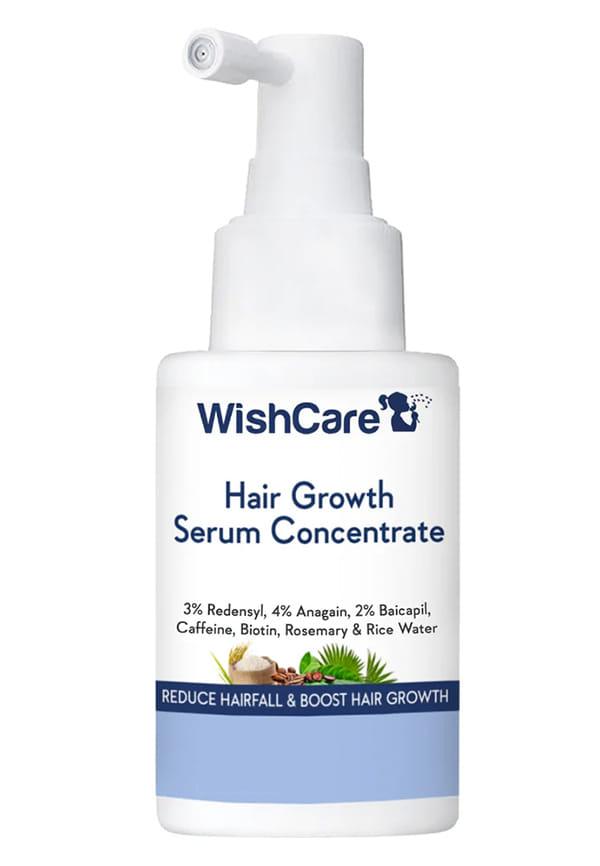 30 ml
30 mlHair Growth Serum Concentrate
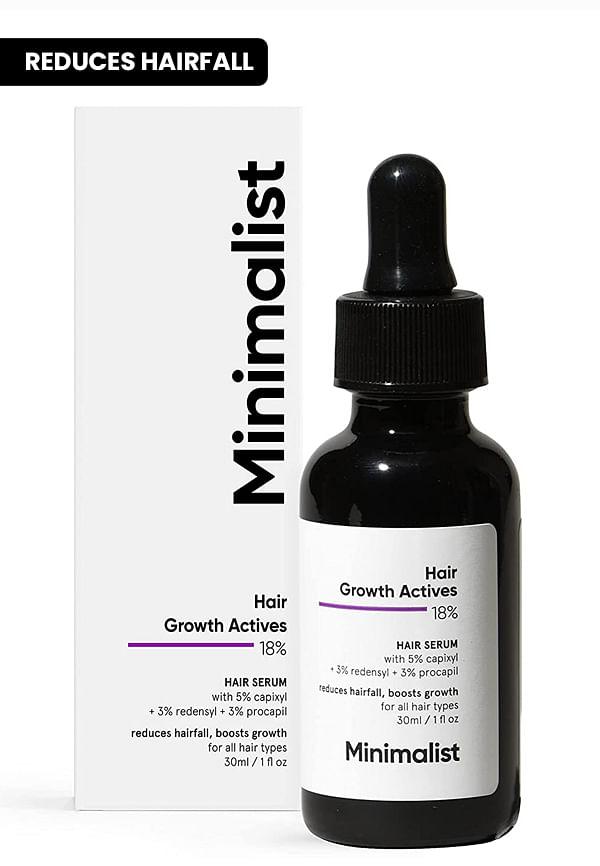 30 ml
30 mlHair Growth Actives 18% Hair Growth Serum
Consistency is everything when building a hair care routine. Having a clear schedule helps you stick to your routine and track what's working.
Morning routines might include applying leave-in conditioner, detangling gently, and styling. Evening routines could involve scalp massage, protective styling for sleep, or applying overnight treatments. Keep daily steps simple and manageable.
Schedule deep conditioning treatments, clarifying washes, or scalp exfoliation weekly or bi-weekly depending on your hair's needs. Sunday evenings work well for many people as a hair care reset before the week begins.
Take photos of your hair monthly to track improvements. Note how your hair feels, looks, and behaves. This helps you identify which hair care tips and products are actually making a difference and which ones you can skip.
Once you've mastered the basics, you can explore advanced techniques that promote hair growth and improve thickness. These methods go beyond basic cleansing and conditioning.
Regular scalp massage increases blood flow to hair follicles, potentially promoting growth. Use your fingertips to massage in circular motions for 5-10 minutes daily. You can do this dry or with oils like rosemary or peppermint, which some studies suggest may help with hair growth.
Healthy hair starts from within. Ensure you're getting enough protein, iron, vitamins D and B12, and omega-3 fatty acids. Stay hydrated, manage stress, and get adequate sleep. These factors significantly impact hair health and growth.
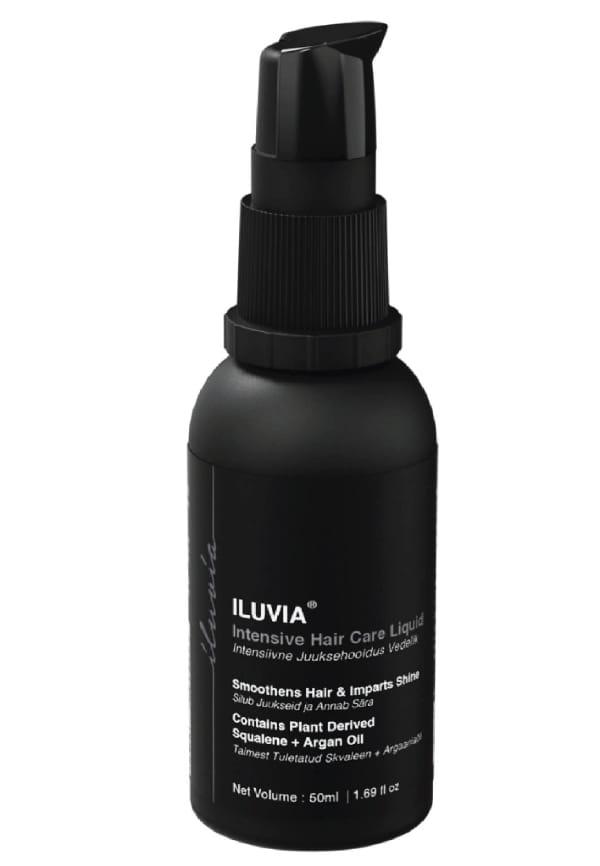 50 ml
50 mlIntensive Haircare Serum | Softer, shiny, bouncier hair + Heat Protection
 1 unit
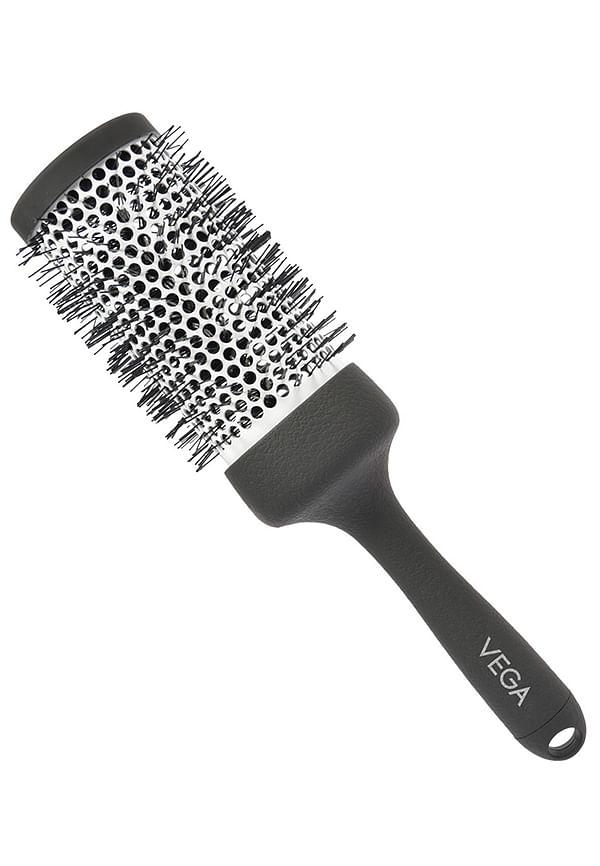
Hot Curl Brushfor Hair Styling, Drying, Healthy Hair and Add Volume, Large (H2-PRL)
If you're experiencing significant hair loss, sudden changes in hair texture, or scalp issues that don't improve with a good routine, consult a dermatologist or trichologist. Sometimes underlying health issues or hormonal changes require professional intervention. When you're ready to experiment with new hair care products, platforms like Smytten make it easy to try before you commit. With trial packs from over 1,500 trusted brands, you can discover what works for your hair without the risk of buying full-size products that might not suit you. This approach is particularly helpful when building a hair care routine, as it allows you to test different formulations and find your perfect match.
A proper hair care routine includes regular cleansing with the right shampoo for your hair type, conditioning to maintain moisture and manageability, protecting your hair from heat and environmental damage, and using treatments as needed. The routine should be tailored to your specific hair type, scalp condition, and lifestyle.
Start by identifying your hair type and scalp condition, then choose basic products (shampoo, conditioner, leave-in treatment) suitable for your needs. Begin with washing 2-3 times per week and adjust frequency based on how your hair responds. Gradually add treatments or styling products as needed.
You'll typically notice improvements in hair texture and manageability within 2-4 weeks. Significant changes in hair health, growth, or thickness usually take 6-12 weeks, as this aligns with your hair's natural growth cycle.
Yes, over-washing, using too many products, or applying treatments too frequently can lead to buildup, irritation, or even damage. Listen to your hair and adjust your routine accordingly. Sometimes less is more.
Look for drugstore brands with good ingredient lists, use DIY treatments like coconut oil or honey masks, and focus on technique over expensive products. Many affordable brands offer excellent formulations that rival high-end options.
Building a hair care routine that actually works isn't about following trends or copying someone else's regimen—it's about understanding your unique hair needs and creating a sustainable routine around them. Start with the basics, be patient with the process, and remember that consistency beats perfection every time. The beauty of a well-crafted hair care routine is that it becomes second nature. Once you find your rhythm, maintaining healthy hair becomes effortless rather than overwhelming. Whether you're dealing with specific concerns or just want to maintain your hair's natural beauty, these seven steps provide a solid foundation for any hair journey. Remember, great hair doesn't happen overnight, but with the right approach and a bit of patience, you'll be amazed at what your hair can achieve. Your future self will definitely thank you for taking the time to build a routine that truly works.
