7 Critical Signs of an Unhealthy Scalp Revealed

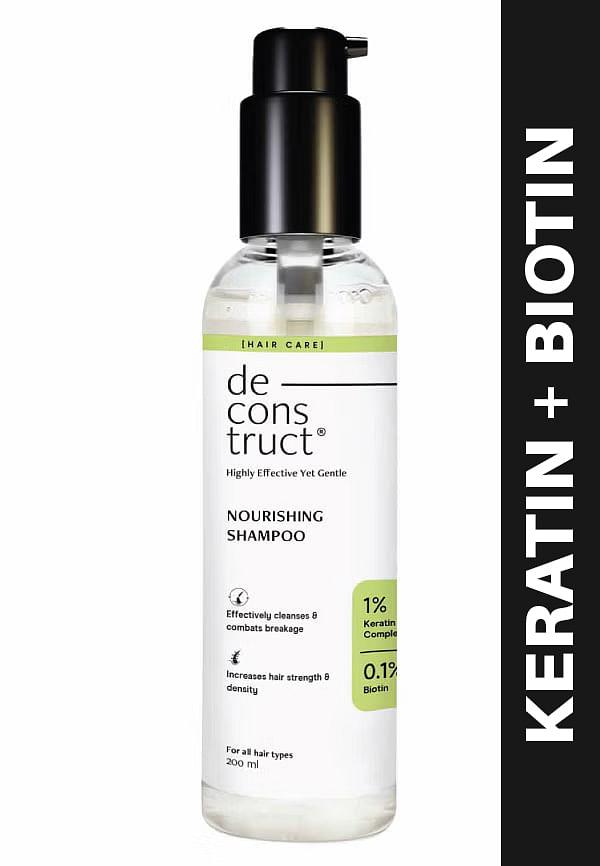 200 ml
Nourishing Shampoo 1% Keratin Complex + 0.1% Biotin
Your scalp is basically the foundation for everything happening up there—and honestly, most of us don't give it nearly enough attention until something goes wrong. Think about it: you wouldn't ignore warning signs from your skin elsewhere, so why should your scalp be any different? The thing is, signs of unhealthy scalp often show up way before you notice any major hair issues, which means catching them early can save you a lot of drama down the line. Let's be real—your scalp health directly impacts how your hair grows, looks, and feels. When your scalp isn't happy, your hair follicles struggle, and that's when you start seeing thinning, breakage, or that stubborn lack of growth you've been wondering about. The good news? Most scalp issues are totally manageable once you know what to look for. We're breaking down seven critical warning signs that your scalp might be trying to tell you something important.
Okay, let's start with the obvious one—that annoying itch that just won't quit. We're not talking about the occasional scratch here and there; we're talking about the kind of itchy scalp causes that have you reaching up there constantly throughout the day. Normal itching happens to everyone, but when it becomes your scalp's main personality trait, that's when you need to pay attention.
Product allergies are massive culprits here. That new shampoo or styling product might smell amazing, but if your scalp is staging a revolt, it's time to reconsider. Fungal infections are another common trigger—they love warm, moist environments, and your scalp can be the perfect breeding ground. Even stress can manifest as scalp sensitivity, because apparently our bodies love to remind us when we're overdoing it.
If your itching comes with burning sensations or your scalp feels tender to touch, that's your cue to take things seriously. These symptoms often indicate inflammation that's gone beyond surface-level irritation.
Flakes on your shoulders aren't just embarrassing—they're your scalp's way of waving a little white flag. But here's the thing: not all flakes are created equal, and understanding the difference can help you figure out what's actually going on up there.
Dry white flakes usually point to dry scalp symptoms, while oily, yellowish flakes often signal seborrheic dermatitis. The seasonal pattern matters too—if your flaking gets worse in winter, you're probably dealing with dryness from heating systems and cold air. Summer flaking might be more about sweat and product buildup.
Regular dandruff is one thing, but when flakes come with redness, thick patches, or spreading to other areas like your eyebrows or behind your ears, you might be looking at a more complex scalp condition that needs proper attention.
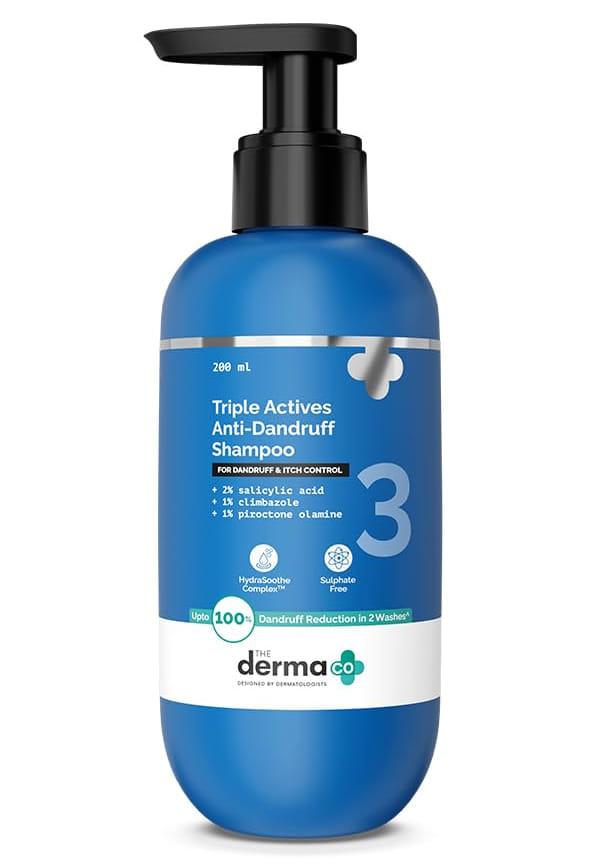 200 ml
Triple Actives Anti-Dandruff Shampoo
Redness on your scalp isn't something to brush off, especially when it sticks around for more than a few days. Scalp inflammation signs can range from mild irritation to serious conditions that need medical intervention.
Allergic reactions typically show up as patchy redness that might feel warm to touch, while infectious inflammation often comes with more intense symptoms like pus or severe tenderness. Scalp psoriasis signs include thick, silvery scales over red patches that can extend beyond your hairline.
Psoriasis patches tend to be well-defined with thick scales, while eczema creates more diffuse redness with a tendency to weep or crust over. Both conditions can seriously impact your hair follicle health if left untreated.
Your scalp's oil production is like a delicate balancing act—too much or too little can signal that something's off with your sebaceous glands. Oily scalp problems aren't just about having greasy hair; they can create an environment where bacteria and fungi thrive.
Overactive oil glands can lead to seborrheic dermatitis, which combines excessive oiliness with inflammation and flaking. On the flip side, extremely dry scalps can feel tight and uncomfortable, sometimes even causing small cracks that become entry points for infections.
Hormonal changes, stress, diet, and even the weather can throw your scalp's oil production completely out of whack. Understanding these triggers helps you address the root cause rather than just managing symptoms.
Here's where things get real—when your scalp health deteriorates, your hair follicle health takes a hit, and that's when you start noticing more hair in your brush than usual. But not all hair loss is created equal, and understanding the difference can help you respond appropriately.
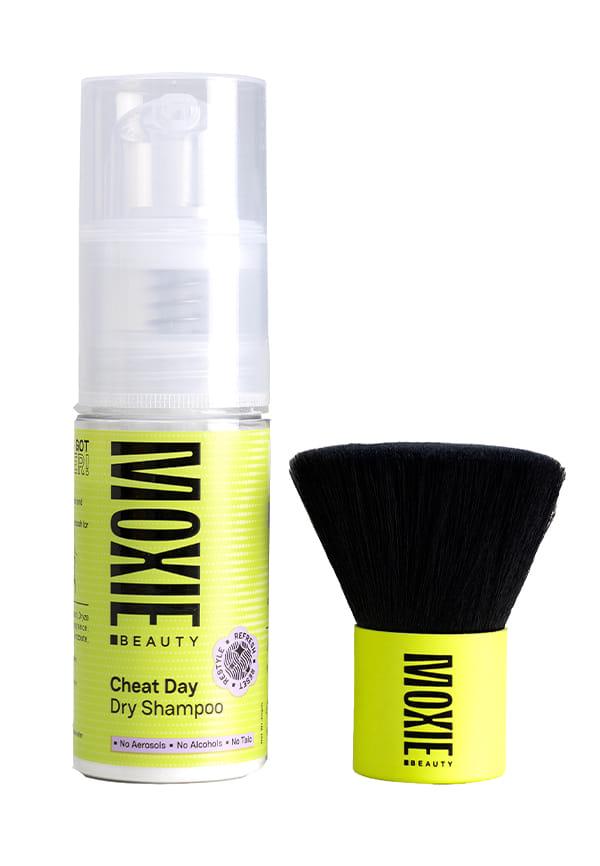 Combo
ComboCheat Day Dry Shampoo & Brush Duo
Losing 50-100 hairs daily is totally normal, but when you're seeing clumps in the shower or noticeable thinning patches, that's when hair loss causes become worth investigating. Folliculitis—infected hair follicles—can create bumps and pustules that damage the follicle permanently if not treated.
Non-scarring hair loss means your follicles are still intact and hair can potentially regrow. Scarring hair loss, however, destroys follicles permanently, which is why catching scalp problems early is so crucial.
When your scalp starts feeling like a topographical map, it's definitely time to investigate. Different types of bumps and texture changes can indicate various scalp conditions, from minor irritation to more serious infections.
Folliculitis creates small, pus-filled bumps around hair follicles, while scalp acne tends to be larger and more inflamed. Cysts feel like firm, moveable lumps under the skin and usually aren't painful unless they become infected.
Scabs that won't heal or keep returning can indicate chronic inflammation or infection. Open sores are particularly concerning because they can lead to secondary bacterial infections and potential scarring.
Let's talk about something nobody really wants to discuss—scalp odours. A healthy scalp shouldn't have a strong smell, so when you start noticing funky odours even after washing, it's often a sign of bacterial or fungal overgrowth.
Sweet, musty, or sour smells can indicate different types of microbial overgrowth. Product buildup creates its own distinct smell—kind of stale and heavy—while infection-related odours tend to be sharper and more unpleasant.
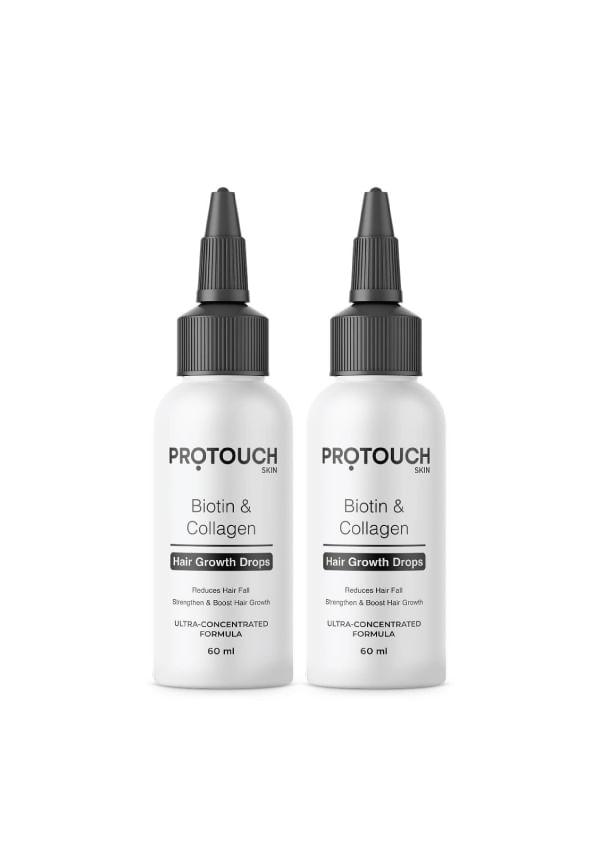 60 ml*2
Biotin & Collagen Hair Growth Drops
Sometimes the issue is simply product buildup or inadequate cleansing, but persistent odours despite good hygiene habits usually point to underlying scalp conditions that need addressing. When you're dealing with scalp issues, finding the right products can feel overwhelming. That's where platforms like Smytten come in handy—with curated trial packs from trusted haircare brands, you can test different solutions without committing to full-size products. This approach is particularly valuable when your scalp is sensitive or reactive, as you can explore various formulations to find what works for your specific needs.
Look for persistent symptoms like itching, flaking, redness, unusual oiliness or dryness, bumps, hair loss, or odours that don't resolve with regular cleansing. Healthy scalps feel comfortable and look clear without ongoing irritation.
An unhealthy scalp might show redness, visible flakes, bumps, patches of irritation, or areas where hair appears thinner. The skin may look inflamed, feel tender, or have an unusual texture compared to healthy scalp tissue.
Damaged scalps often display chronic inflammation, persistent flaking, compromised hair follicles leading to hair loss, sensitivity to touch, and difficulty healing from minor irritations or scratches.
The most common scalp conditions include dandruff, seborrheic dermatitis, scalp psoriasis, folliculitis, and androgenetic alopecia. Each has distinct symptoms and requires different treatment approaches.
Yes, some scalp conditions can cause permanent hair loss if they create scarring that destroys hair follicles. However, many scalp issues are treatable and reversible when caught early.
Healing time varies depending on the condition and severity. Minor irritation might resolve in days to weeks, while chronic conditions like psoriasis require ongoing management. Most scalp improvements become noticeable within 4-6 weeks of proper treatment.
Your scalp health isn't something to ignore—those signs of unhealthy scalp are your body's way of asking for help before things get worse. The good news is that most scalp issues are totally manageable when you catch them early and respond appropriately. Whether you're dealing with simple dryness or more complex inflammation, understanding what's normal versus what needs attention can save you from bigger problems down the line. Remember, finding the right products for your scalp often involves some trial and error. With Smytten's trial packs, you can explore different haircare solutions from over 1,500 trusted brands without the commitment of full-size purchases. This approach lets you test what works for your specific scalp needs while earning cashback for future orders. After all, why settle for maybe when you can try different options and find what actually works for your scalp's unique requirements?
