7 Budget-Friendly Fine Hair Styling Hacks


 1 Unit
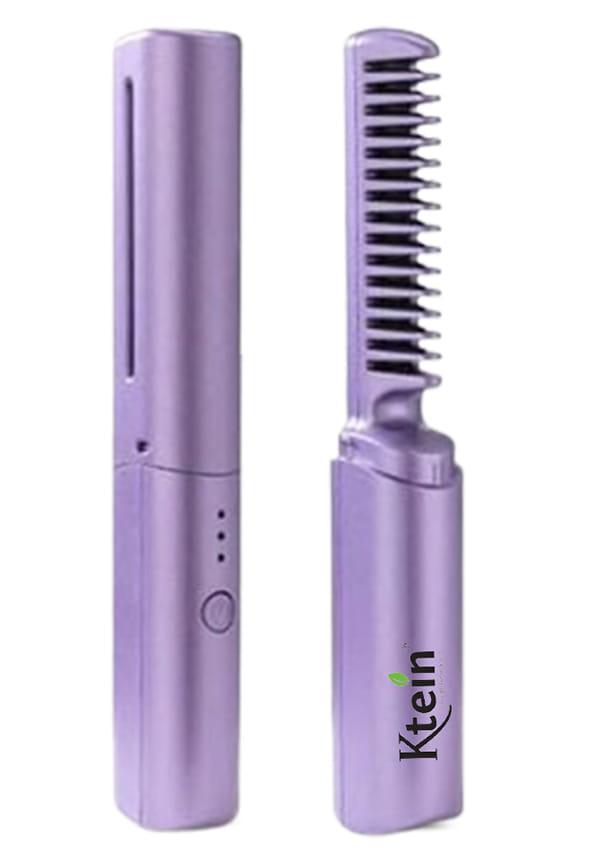
Wireless Hair Styling Comb Magic
Let's be real—fine hair can feel like a styling nightmare when you're on a budget. You've probably watched countless tutorials promising voluminous locks, only to find they require £200 worth of products or salon treatments that cost more than your monthly coffee budget. But here's the thing: affordable fine hair styling isn't just possible—it's often more effective than expensive alternatives. The secret lies in understanding your hair's unique needs and working with simple techniques that actually deliver results. Whether you're dealing with limp strands that fall flat by lunchtime or hair so fine it seems to disappear, these budget-friendly hacks will transform your styling routine without emptying your wallet.
Fine hair has a completely different structure than thick or coarse hair, which means it requires a totally different game plan. Each strand is narrower in diameter, making it more delicate and prone to being weighed down by heavy products or aggressive styling. This is why those expensive volumising treatments often backfire—they're formulated for hair that can handle more product and manipulation. The beauty of fine hair styling tips is that they often rely on technique rather than pricey products. Your hair actually responds better to lightweight formulas and gentle methods, which happen to be much more budget-friendly. Think about it: a £5 drugstore mousse can outperform a £50 salon treatment if you know how to use it properly. Many people make the mistake of thinking they need to load up on products to create volume, but with fine hair, less is always more. The key is understanding how to manipulate your hair's natural texture and movement rather than fighting against it. This approach not only saves money but also prevents the product buildup that can make fine hair look greasy and flat.
These tried-and-tested techniques have been game-changers for countless people with fine hair, and the best part? None of them require expensive tools or products. Each hack focuses on working with your hair's natural characteristics rather than against them.
This technique is pure magic for creating volumizing hairstyles without any fancy equipment. Simply flip your head upside down and blow dry your hair from the roots, directing the airflow away from your scalp. The gravity works in your favour, lifting the roots and creating natural volume that lasts all day. Start with damp (not soaking) hair and use a basic blow dryer on medium heat. Focus on the roots for the first few minutes, then flip your head back up and finish styling normally. This method creates lift that would cost you £40+ at a salon, but you can do it with any standard blow dryer. The science behind this hair volume technique is simple: you're training your hair to grow away from your scalp rather than lying flat against it. The key is consistency—do this every time you wash your hair, and you'll notice a permanent improvement in your hair's natural lift.
Forget expensive volumising sprays that promise the world but deliver mediocre results. This homemade version costs pennies to make and works better than most commercial options. Mix 1 cup of water, 2 tablespoons of sea salt, and 1 teaspoon of coconut oil in a spray bottle. The salt creates texture and grip, whilst the tiny amount of oil prevents dryness without weighing your hair down. This combination gives you the perfect foundation for styling fine thin hair because it adds the texture that fine hair naturally lacks. Spray this mixture on damp hair before styling, focusing on the mid-lengths and ends. Avoid the roots to prevent any heaviness. One bottle lasts about a month and costs less than £2 to make, compared to £15-25 for similar commercial products.
The way you part your hair can instantly create the illusion of thicker, fuller strands. Instead of a straight centre part, try a deep side part that starts about an inch above your eyebrow. This creates asymmetry that tricks the eye into seeing more volume. For easy hairstyles for fine hair, consider asking for long layers that start below your chin. These layers add movement without removing too much hair, and they're perfect for creating the illusion of thickness. Most budget-friendly salons can achieve this cut, and it grows out beautifully. Another sectioning trick is the "crown tease" method. Lift a small section at your crown, gently backcomb it, then smooth the top layer over. This creates a subtle bump that adds height and makes your hair appear fuller from every angle.
 312 gm
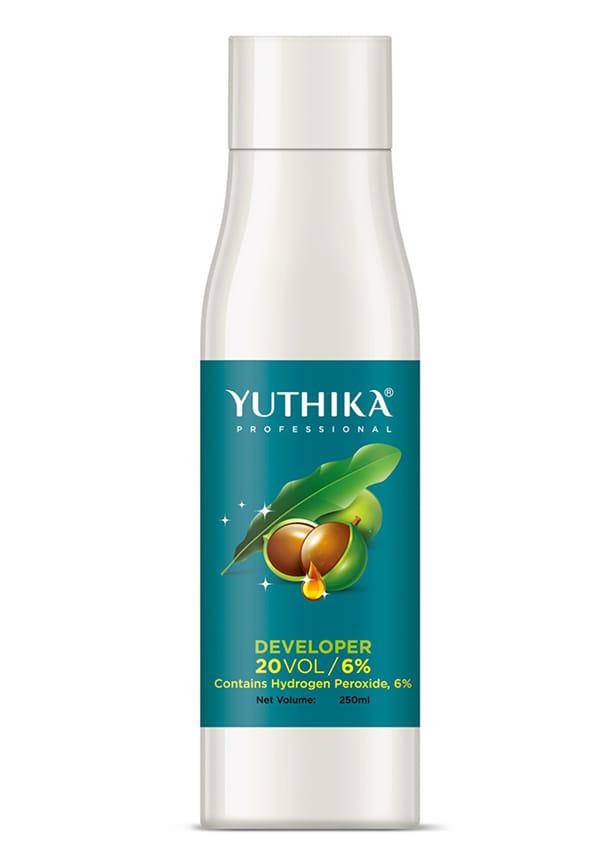
Yuthika Professional Developer for Hair Color 20 Volume (6%) | 250ml Bottle | Pack of 1
This might be the simplest addition to your fine hair care routine, but it's incredibly effective. After your regular shampoo and conditioning routine, rinse your hair with cold water for 30 seconds. The cold temperature seals the hair cuticles, making each strand appear thicker and shinier. Cold water also helps your hair hold styles longer because the sealed cuticles create more grip for products and styling tools. It's like getting a glossing treatment at the salon, but it costs absolutely nothing and takes less than a minute. The key is making this the very last step in your shower routine. The initial shock wears off quickly, and you'll notice your hair feels smoother and looks more voluminous immediately.
Most people think of dry shampoo as an emergency solution for greasy hair, but it's actually one of the best hair thickening tips for fine hair. Use it on clean, dry hair before styling to create texture and grip that helps your style last longer. Spray dry shampoo at your roots, wait 2 minutes, then massage it in with your fingertips. This creates instant texture that makes your hair easier to style and gives the appearance of thicker strands. Even budget dry shampoos under £5 work brilliantly for this technique. The timing is crucial—apply dry shampoo before you style, not after. This way, it becomes part of your styling foundation rather than just an afterthought. Your hair will hold curls better, have more body, and look fuller throughout the day.
Velcro rollers might seem old-fashioned, but they're actually superior to many expensive styling tools for fine hair. They create volume without the damaging heat of hot rollers, and they're incredibly affordable—a full set costs less than £10. For volumizing hairstyles, use large rollers (about 1.5 inches) at your crown and smaller ones (1 inch) around your face. Roll damp hair upward and leave them in for 15 minutes whilst you do your makeup. The result is bouncy, voluminous hair that looks professionally styled. The beauty of this method is that it works on all fine hair lengths. Short hair gets incredible lift, medium hair gains body and movement, and long hair gets volume without losing length. It's a 15-minute investment that gives you salon-quality results.
Modern backcombing isn't the aggressive teasing of the past—it's a gentle technique that adds volume without damage. Use a fine-tooth comb to gently backcomb small sections at your crown, working from the mid-length toward the roots. The key to this hair thickening tip is using the right tools and being gentle. A rattail comb (under £3) works perfectly, and you only need to tease 2-3 small sections to create noticeable volume. Smooth the top layer over the teased sections for a polished finish. This technique is perfect for special occasions when you want extra drama, but it's gentle enough for regular use. The volume it creates is immediate and dramatic, making it one of the most effective budget styling methods.
Finding the right products doesn't mean spending a fortune. Some of the most effective best hair products for fine hair are available at your local pharmacy or supermarket. The key is knowing what ingredients to look for and which formulations work best with fine hair's unique needs. Volumising mousses are your best friend, and many drugstore options outperform expensive salon brands. Look for lightweight formulas that contain polymers or proteins—these ingredients coat each strand to make it appear thicker without adding weight. Brands like TRESemmé and L'Oréal offer excellent options under £6. Texturising sprays are another budget-friendly essential. These products add grip and hold, making your hair easier to style and helping styles last longer. Sea salt sprays work particularly well because they create natural texture that fine hair often lacks. For those exploring new products without commitment, platforms like Smytten make it incredibly easy to discover what works for your hair. With trial-sized versions of over 1,500 trusted brands, you can experiment with different formulations before investing in full-size products. This approach is perfect for fine hair, where finding the right product balance is crucial.
 1 Unit
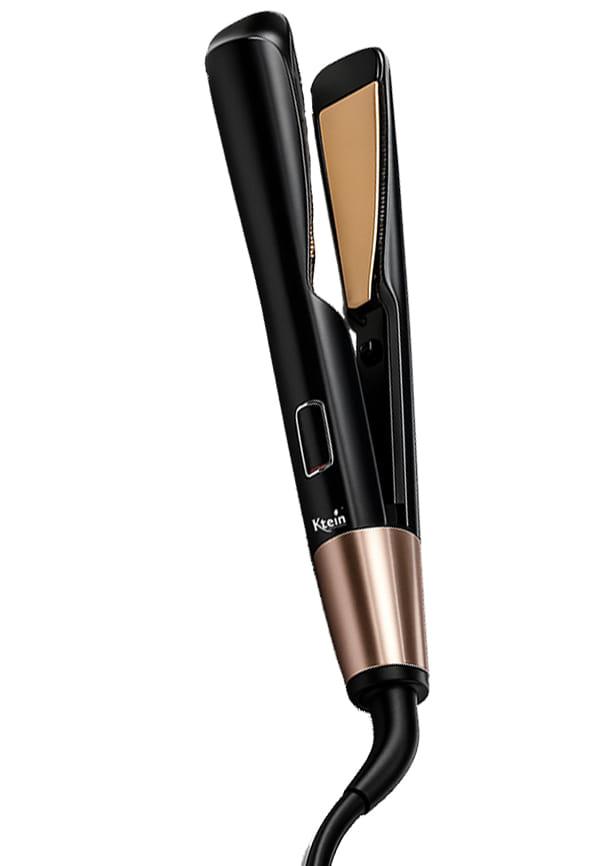
2-in-1 Hair Styler – Curl, Wave & Straighten with Twisted Ceramic Plate
Your styling routine should adapt to your hair length, and each length has specific advantages when it comes to creating volume and movement. The key is working with your hair's natural characteristics rather than fighting against them.
Short fine hair is actually the easiest to style because there's less weight pulling it down. Start with a volumising mousse on damp hair, then use the upside-down blow dry method. Finish with a light mist of texturising spray and scrunch gently with your fingers. Pixie cuts and bobs are particularly flattering for fine hair because they create the illusion of thickness through clever layering. The shorter length means your hair has more natural body and movement.
Shoulder-length fine hair benefits from strategic styling that creates movement without overwhelming the hair. Use velcro rollers on the top sections whilst blow-drying the underneath layers. This creates volume where you need it most whilst keeping the length manageable. For hairstyles for thin hair at this length, consider loose waves that start below your chin. This adds visual weight and movement without making your hair look stringy.
Long fine hair requires the most strategic approach because length can weigh down any volume you create. Focus your volumising efforts on the crown and avoid heavy products on the lengths. Use the cold water rinse technique religiously—it makes a huge difference with longer fine hair. Consider subtle layers that start around your collarbone. These add movement without sacrificing length and help prevent that flat, lifeless look that long fine hair can sometimes have.
Many salon techniques can be adapted for home use with basic tools and a bit of practice. Professional stylists often rely on simple methods rather than expensive equipment—it's all about understanding the principles behind the techniques. One professional secret is the "root lift" method using clips. Section your hair and clip small pieces straight up whilst blow-drying. This creates lift at the roots that lasts all day and costs nothing beyond basic sectioning clips. Another pro tip is the "cool shot" finish. Most blow dryers have a cool setting—use this for the last 30 seconds of drying to set your style. This simple step makes your styling last significantly longer and adds shine. The timing of product application is crucial. Apply volumising products to damp hair, not wet or dry. This ensures even distribution without weighing your hair down or creating buildup.
 1 Unit
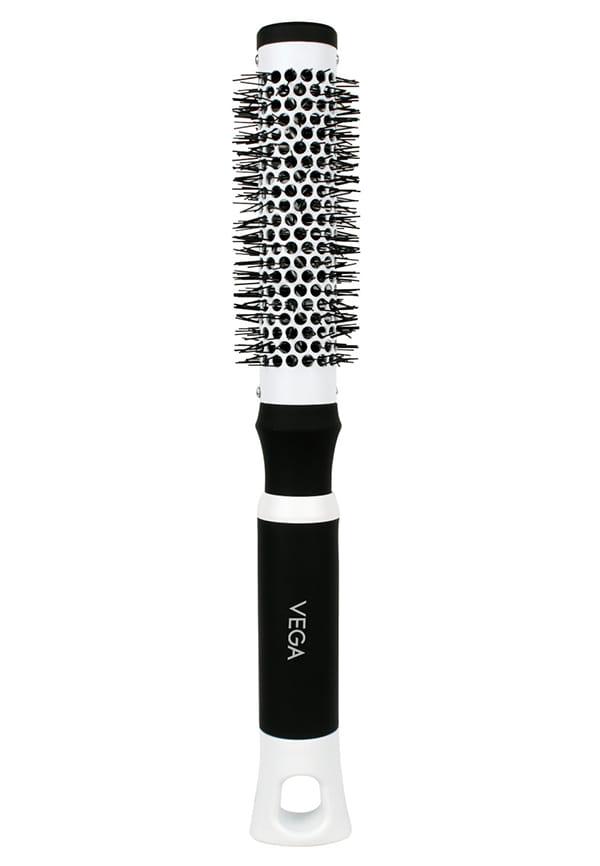
Hot Curl Hair Brushfor Hair Styling, Drying, Healthy Hair and Add Volume, Small (H1-PR S)
Layered cuts that start below your chin work brilliantly for fine hair and don't require expensive maintenance. Ask for long layers rather than choppy ones—they create movement without removing too much hair. Between salon visits, you can maintain the shape with simple trimming of split ends.
Volumising mousses under £6 from drugstore brands often outperform expensive alternatives. Look for lightweight formulas that don't contain heavy oils or silicones. TRESemmé and L'Oréal offer excellent options that provide hold without weight.
The upside-down blow dry method is the most effective free technique. Combined with strategic sectioning and the cold water rinse, you can achieve salon-level volume at home. Consistency is key—these techniques work best when done regularly.
Over-conditioning is the biggest culprit—fine hair needs moisture but can't handle heavy conditioners. Using the wrong brush (paddle brushes are too harsh) and applying products to wet rather than damp hair also flatten fine hair unnecessarily.
Absolutely. The right combination of cut, products, and techniques can make fine hair appear significantly thicker. Focus on creating texture and movement rather than trying to add actual thickness—the visual effect is remarkably convincing.
Mastering affordable fine hair styling is all about understanding your hair's unique needs and working with them rather than against them. These budget-friendly techniques prove that you don't need expensive products or salon treatments to achieve gorgeous, voluminous hair. The key is consistency and patience—give these methods time to work, and you'll be amazed at the transformation. Remember, fine hair has its own beauty and advantages. It's often shinier, more manageable, and responds quickly to styling changes. With the right approach, your fine hair can be your greatest asset rather than your biggest styling challenge. Whether you're trying the upside-down blow dry method or experimenting with DIY volumising sprays, each technique builds upon the others to create a comprehensive styling routine that actually works. For those looking to discover new products perfect for their fine hair journey, Smytten offers an incredible opportunity to try before you buy. With trial packs from over 1,500 trusted brands, you can explore different haircare options without the commitment of full-size purchases. This approach is particularly valuable for fine hair, where finding the right product balance can make all the difference between flat, lifeless strands and bouncy, voluminous locks.
