7 Budget-Friendly Dry Hair Remedies That Work
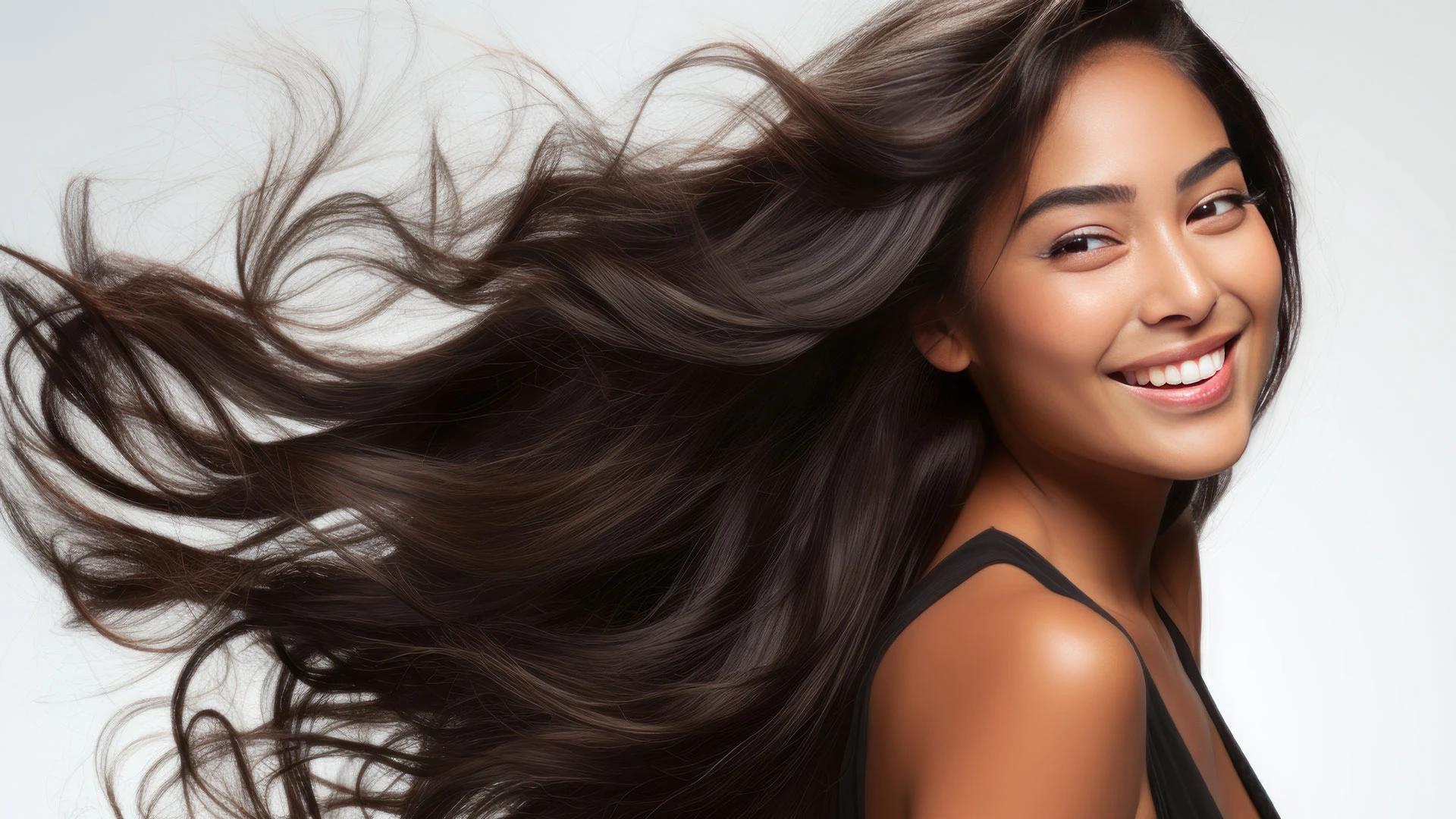

Dry, damaged hair doesn't need expensive salon treatments to look healthy again. Real talk—some of the best affordable dry hair treatments are sitting right in your kitchen or available at your local chemist for under £15. Whether you're dealing with brittle strands, annoying split ends, or that frustrating frizz that makes every day a bad hair day, there are budget-friendly solutions that actually work. Let's dive into seven proven dry hair remedies that'll transform your locks without emptying your wallet. From DIY masks you can whip up tonight to clever drugstore finds, these treatments deliver salon-worthy results at home.
Before we jump into the good stuff, let's get real about what's actually happening to your hair. Understanding the root causes helps you pick the right damaged hair repair approach and explains why affordable treatments can be just as effective as pricey alternatives.
Your hair didn't become dry overnight, and several culprits might be working against you. Over-washing strips natural oils, especially when you're using harsh sulfates that foam up like crazy but leave your strands parched. Heat styling is another major offender—those straighteners and curling irons literally cook the moisture out of your hair. Environmental factors like sun exposure, wind, and pollution create a perfect storm for dryness, while chemical processing from colouring or perming weakens the hair structure. Even natural ageing plays a role, as our scalps produce less oil over time.
 125 gm
Conditioner For Dry, Frizzy Hair
Here's the thing about expensive haircare—you're often paying for fancy packaging and marketing, not necessarily better ingredients. The science behind moisture restoration is pretty straightforward: your hair needs proteins to rebuild damaged cuticles and emollients to lock in hydration. Whether these come from a £5 coconut oil or a £50 salon treatment, the molecular structure works the same way. DIY solutions can be equally effective because you're using pure, concentrated ingredients without fillers or preservatives that might actually irritate your scalp.
Time for the main event—seven game-changing treatments that won't break the bank. These cheap hair masks and treatments use ingredients you probably already have or can grab for pocket change.
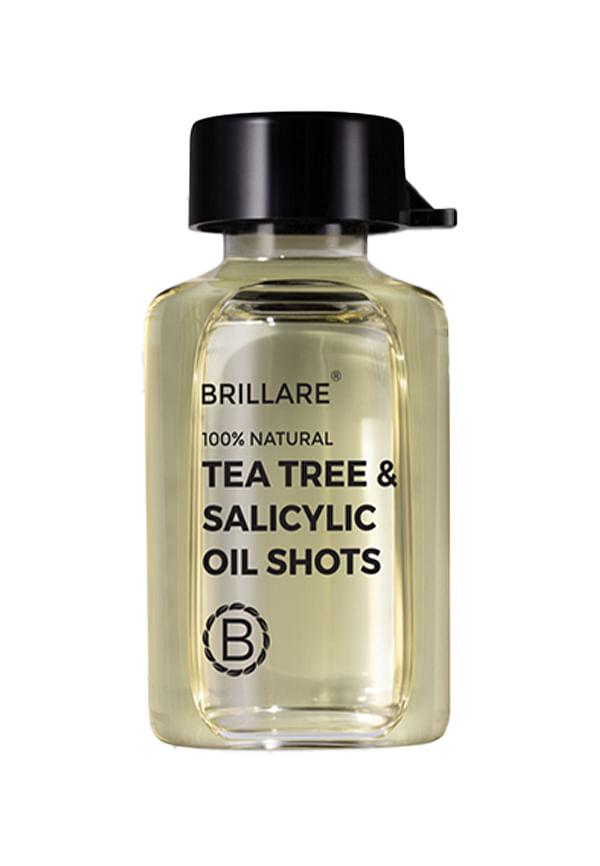 8*6 ml
Tea Tree & Salicylic Oil Shots For Dry, Itchy Scalp to Fights Dandruff
This creamy dream team is pure magic for parched hair. Mash one ripe avocado with two tablespoons of honey until smooth—no lumps allowed, trust me on this one. The avocado's natural fatty acids penetrate the hair shaft while honey acts as a humectant, pulling moisture from the air into your strands. Apply from mid-length to ends, avoiding your roots unless your scalp is also dry. Pop on a shower cap and let it work for 20-30 minutes. Use this mask once a week for best results, and your hair will thank you with newfound softness and shine.
Coconut oil is basically liquid gold for dry hair, and warming it up takes the benefits to another level. Gently heat 2-3 tablespoons of coconut oil until warm (not hot—you don't want to burn your scalp). Massage it into your scalp and work through to the ends, focusing on the driest areas. This treatment is brilliant for scalp hydration too, which is often overlooked but crucial for healthy hair growth. Wrap your hair in a warm towel and leave for at least 30 minutes, or go wild and sleep in it overnight. Alternative oils like argan, jojoba, or even olive oil work beautifully if coconut isn't your thing.
This protein-packed powerhouse is perfect for damaged hair repair. Mix two egg yolks with three tablespoons of plain yogurt—the proteins help rebuild damaged hair structure while the lactic acid gently exfoliates your scalp. Apply to damp hair and leave for 15-20 minutes max (any longer and you risk the eggs setting). The key to rinsing is using cool water—lukewarm at most—to avoid accidentally scrambling eggs in your hair. This treatment works wonders for brittle, over-processed hair that needs serious TLC.
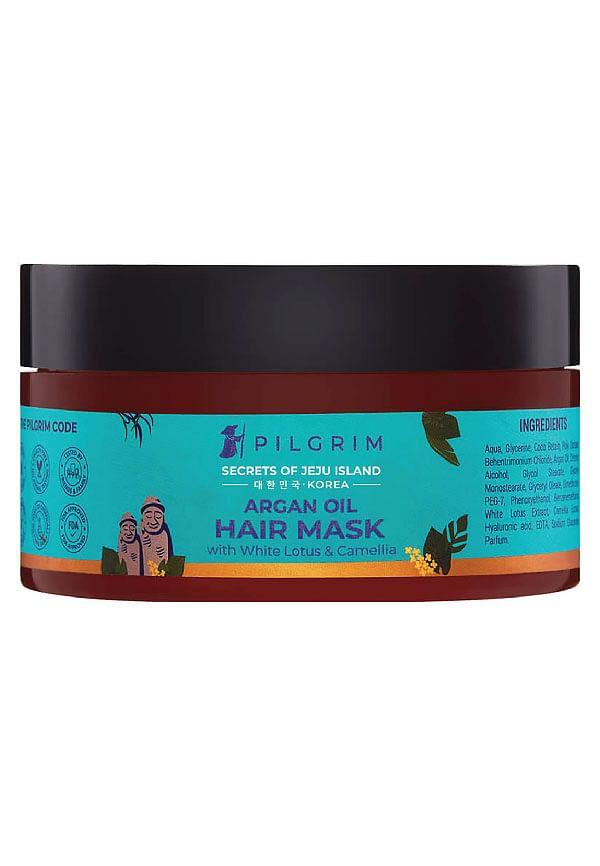 200 gm
Intense Moisture Argan Oil Hair Mask For Dry & Frizzy Hair
Sometimes the best solutions are hiding in plain sight on pharmacy shelves. Look for leave-in conditioners with ingredients like glycerin, panthenol, or ceramides—these are the real MVPs for moisture retention. Apply to damp hair, focusing on the mid-lengths and ends where damage is usually worst. The hack here is layering: use a tiny amount as your base, then add a drop of facial oil or even a bit of hand cream (seriously) to seal everything in. This creates a moisture barrier that lasts all day.
This old-school remedy is having a major moment, and for good reason. Mix one part apple cider vinegar with three parts water—this dilution is crucial because undiluted ACV can damage your hair. The acidity helps balance your hair's pH, smoothing the cuticles and making your strands reflect light better. Pour it over clean, damp hair as a final rinse, focusing on the lengths rather than your scalp. Don't worry about the smell—it disappears once your hair dries, leaving behind serious shine and manageability.
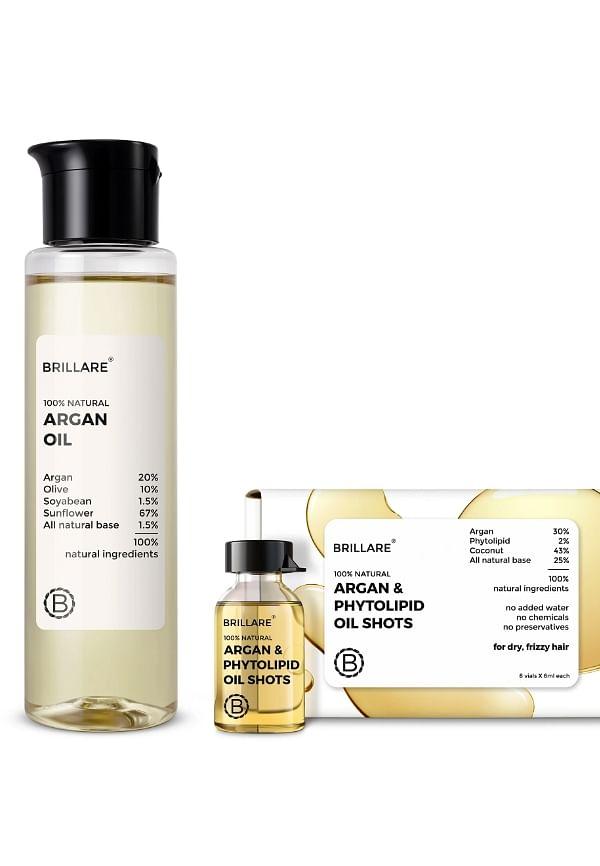 Combo
ComboHair Nourishing Duo for Dry & Frizzy Hair
Aloe vera isn't just for sunburn—it's a brilliant frizzy hair solution that works while you sleep. Fresh aloe gel is ideal, but a good-quality bottled version works too (just check the ingredients list for minimal additives). Apply generously to damp hair, focusing on frizzy areas and damaged ends. The gel forms a protective film that locks in moisture and smooths the hair cuticle. Sleep with your hair in a loose braid or bun to prevent tangling, then rinse thoroughly in the morning. Your hair will feel incredibly soft and look noticeably shinier.
This traditional Asian beauty secret is probably the cheapest treatment on our list. Rinse half a cup of rice until the water runs clear, then soak it in two cups of water for 15-30 minutes. Strain the milky liquid—that's your rice water. It's packed with amino acids, vitamins, and minerals that strengthen hair and add incredible shine. Use it as a final rinse after shampooing, massaging it into your scalp and through your lengths. Leave for 5-10 minutes before rinsing with cool water. The results are honestly mind-blowing for something so simple and cheap.
Getting the most from your hair moisturising products isn't just about what you use—it's how you use them. These professional techniques will help you achieve salon-level results at home.
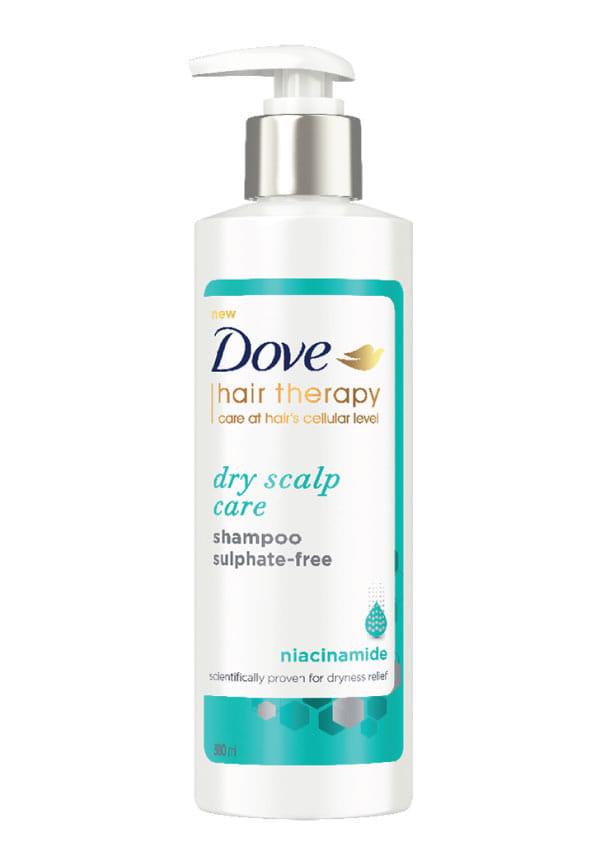 380 ml
Hair Therapy Dry Scalp Care Sulphate-Free Shampoo
Proper prep makes all the difference. Section your hair into four or six parts using clips—this ensures even distribution and prevents you from missing spots. A gentle scalp massage with your fingertips (not nails) for 2-3 minutes before applying any treatment boosts circulation and helps products penetrate better. For most treatments, slightly damp hair works best as it helps products spread more easily and penetrate the hair shaft.
Start from the ends and work your way up—this is where damage is usually worst and moisture is needed most. Use a wide-tooth comb to distribute masks evenly, but be gentle to avoid breakage. Processing time matters: 15-20 minutes is usually perfect for most treatments, though oil treatments can go longer. For deeper penetration, wrap your hair in a warm, damp towel or use a shower cap to create gentle heat.
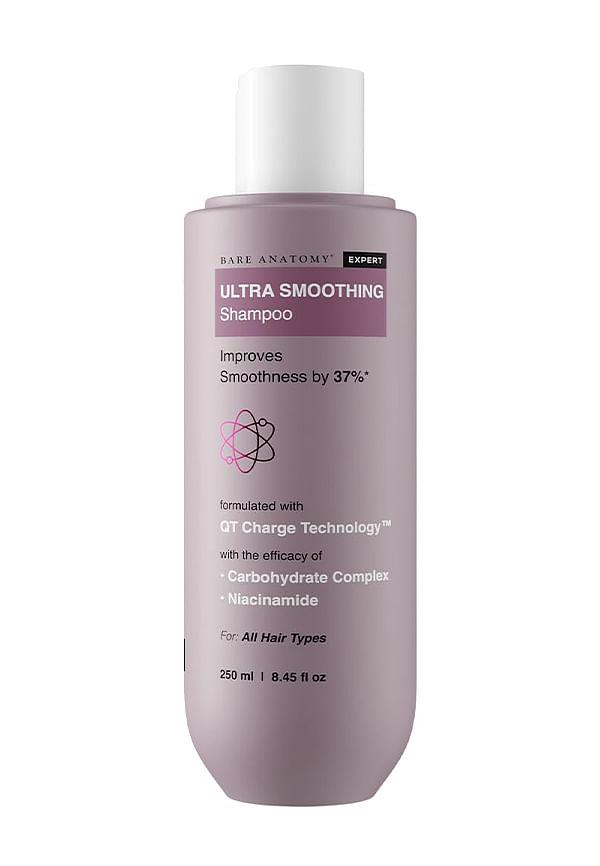 750 ml
Ultra Smoothing Shampoo for Dry and Frizzy Hair
Rinsing technique is crucial—use lukewarm water to remove products thoroughly without stripping your hair. Finish with a cool water rinse to seal the cuticles and lock in moisture. When towel-drying, gently squeeze or pat rather than rubbing vigorously. Your hair is most vulnerable when wet, so treat it like delicate silk.
Different hair problems need different approaches, but you don't need a separate expensive product for each concern. These targeted hair hydration treatments address specific issues without breaking the bank.
While you can't truly repair split ends (only cutting them off works permanently), you can temporarily seal them and prevent new ones. Protein treatments using egg whites or gelatin help fill in damaged areas temporarily. A weekly trim of just the very tips prevents splits from travelling up the hair shaft. Focus on preventive care: sleep on silk pillowcases, use heat protectants religiously, and avoid tight hair ties that cause breakage.
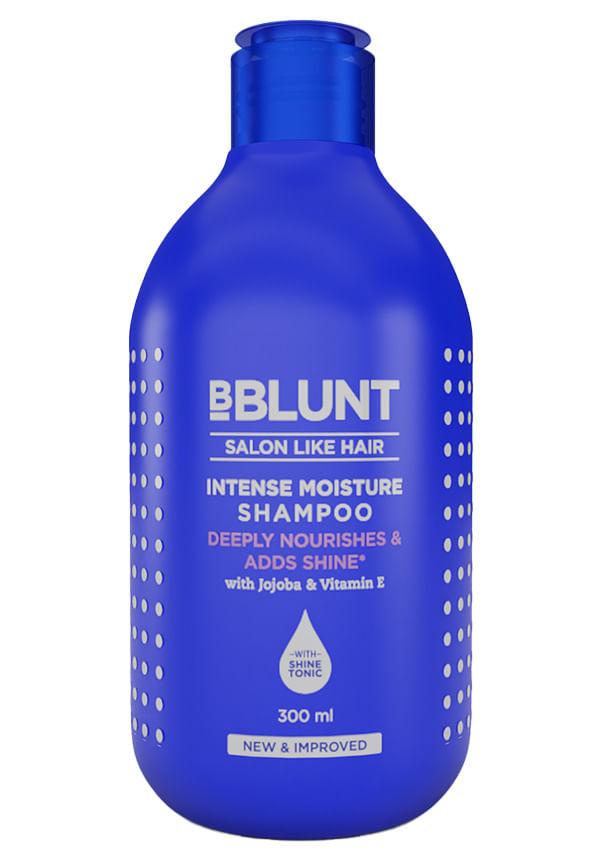 300 ml
Intense Moisture Shampoo with Jojoba and Vitamin E for Dry & Frizzy Hair
Frizz is essentially your hair crying out for moisture and smooth cuticles. Humidity-fighting ingredients like glycerin work in moderate humidity but can backfire in very dry or very humid conditions. The key is sealing the cuticle: cool water rinses, gentle drying techniques, and leave-in treatments create a barrier against environmental moisture. Apply products to soaking wet hair for better distribution and frizz control.
A healthy scalp is the foundation of healthy hair. Weekly oil massages with coconut, jojoba, or even olive oil nourish the scalp and stimulate circulation. Gentle exfoliation using a mixture of brown sugar and oil removes buildup without irritation. Signs of improved scalp health include less itching, reduced flaking, and new hair growth feeling stronger and healthier.
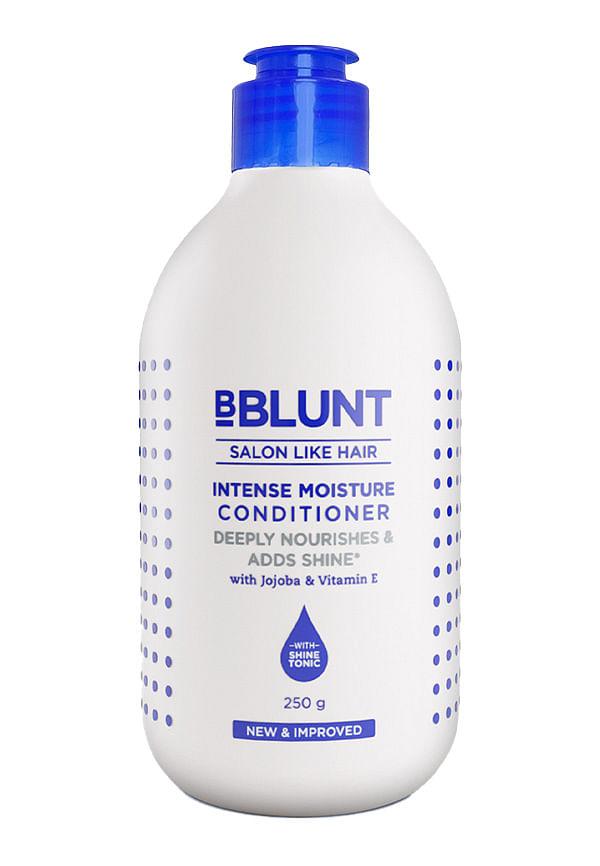 250 gm
Intense Moisture Conditioner with Vitamin E & Jojoba for Dry & Frizzy Hair
Consistency beats expensive products every time. Building a sustainable routine with these affordable dry hair treatments ensures long-term results without overwhelming your schedule or budget.
Monday calls for a deep conditioning mask—start your week with intense moisture. Wednesday is perfect for an oil treatment, giving your hair mid-week TLC. Friday deserves a protein mask to strengthen your strands for the weekend. Daily maintenance includes gentle brushing with a wide-tooth comb, sleeping on silk pillowcases, and using leave-in treatments on damp hair. This routine ensures your hair gets protein, moisture, and protection without overdoing any single treatment.
Winter demands richer treatments and more frequent oil applications to combat dry indoor heating. Summer calls for lighter formulations and UV protection—aloe vera treatments work brilliantly here. High humidity seasons benefit from protein treatments that strengthen hair against swelling, while dry seasons need extra emollients. Rotate your treatments based on how your hair feels rather than sticking rigidly to a schedule.
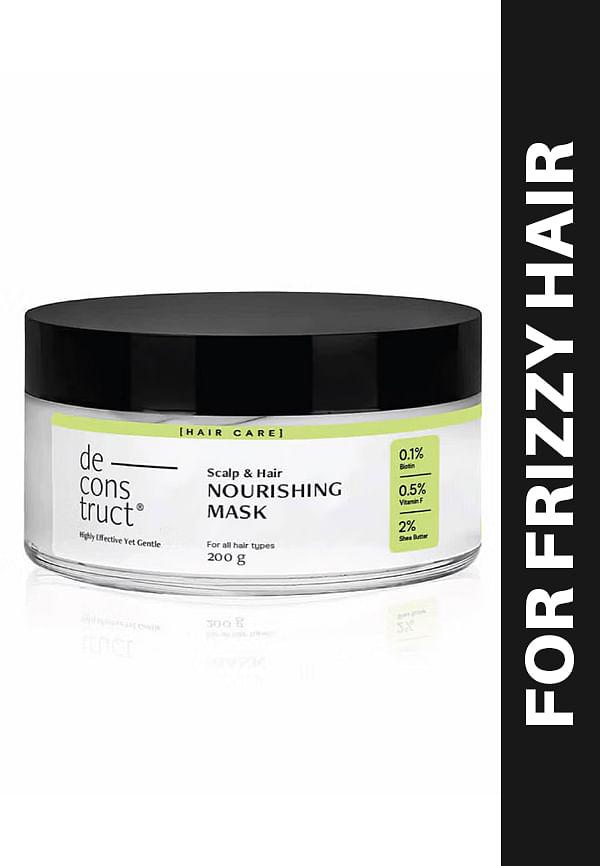 200 gm
Scalp & Hair Nourishing Mask 0.1% Biotin + 0.5% Vitamin F + 2% Shea Butter
While DIY treatments work wonders, sometimes you want to explore what's available in the market without committing to full-size products. This is where platforms like Smytten become incredibly valuable for anyone serious about haircare. As India's largest product discovery platform, Smytten lets you try mini-sized products from over 1,500 trusted brands before investing in full sizes. You can explore professional hair conditioning tips and products from brands like Love, Beauty & Planet and others, getting up to 8 minis for just ₹249 with 100% cashback redeemable for future orders. It's the perfect way to test expensive treatments alongside your budget DIY routine.
Most deep conditioning treatments work best 1-2 times per week, while lighter treatments like leave-in conditioners can be used daily. Oil treatments are perfect for weekly use, but listen to your hair—if it feels greasy or weighed down, reduce frequency. Protein treatments should be used sparingly, about once every 2-3 weeks, as too much protein can make hair brittle.
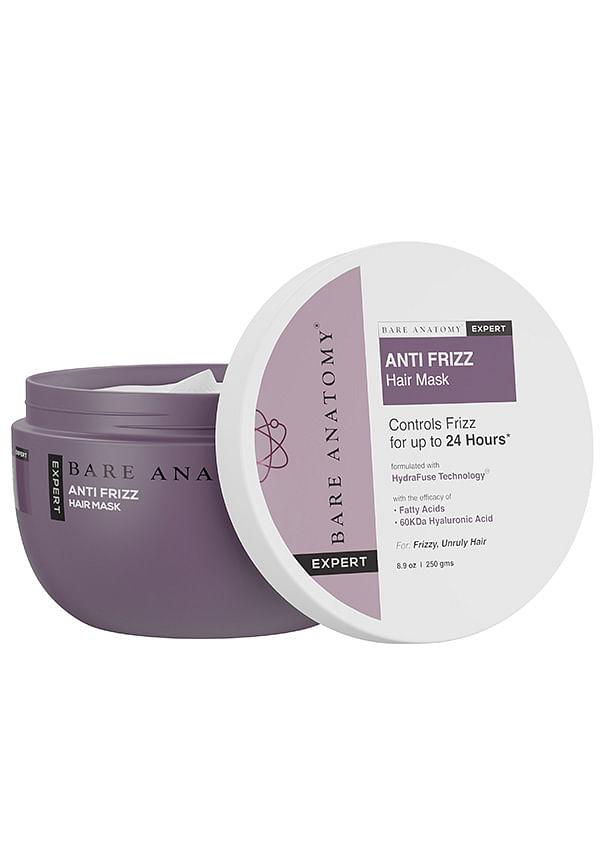 250 gm
Anti-Frizz Hair Mask For Smooth Hair With Hyaluronic Acid
Absolutely! The key is balancing protein and moisture treatments. If you do a protein mask on Monday, follow with a moisturising treatment later in the week. Avoid using multiple treatments on the same day unless one is a leave-in product. Your hair needs time to absorb and benefit from each treatment.
Yes, but with some adjustments. Chemically treated hair is more porous and may need gentler formulations. Reduce processing times by 5-10 minutes and always do a strand test first. Coloured hair benefits especially from protein treatments, while relaxed or permed hair needs extra moisture. Avoid treatments with high acidity (like ACV rinses) immediately after chemical processing.
You'll notice immediate improvements in softness and manageability after the first treatment. Visible changes in shine and texture typically appear after 2-3 weeks of consistent use. For severely damaged hair, allow 6-8 weeks of regular treatments to see significant improvement. Remember, consistency matters more than intensity.
This usually indicates protein overload or product buildup. If your hair feels stiff or strawlike, focus on moisture-only treatments for a few weeks. If it feels greasy or limp, you may need to clarify with a gentle shampoo and reduce oil-based treatments. Always rinse treatments thoroughly to prevent buildup.
Leave-in treatments and light oils are generally safe for daily use. However, intensive masks and protein treatments should be limited to 1-2 times per week maximum. Daily deep conditioning can lead to over-conditioning, making hair limp and greasy. Listen to your hair's needs and adjust accordingly.
Healthy, hydrated hair doesn't require a massive budget or complicated routines. These seven affordable dry hair treatments prove that effective damaged hair repair can happen right in your kitchen or with simple drugstore finds. The secret lies in understanding what your hair actually needs—whether that's protein, moisture, or pH balancing—and choosing treatments accordingly. Start with one or two treatments that appeal to you most, and build your routine gradually. Consistency beats perfection every time, so pick remedies you'll actually use rather than the most complicated ones. Remember, your hair's needs change with seasons, styling habits, and life circumstances, so stay flexible and adjust your routine as needed. Whether you're team DIY or prefer to explore professional options through trial sizes, the goal remains the same: healthy, happy hair that makes you feel confident. With these budget-friendly solutions in your arsenal, dry, damaged hair becomes a thing of the past—and your wallet stays happy too.
