7 Best Itchy Scalp Treatments to Soothe Irritation


That scratchy, irritating feeling on your scalp can turn even the best hair day into a nightmare. If you're constantly fighting the urge to scratch or dealing with flakes that just won't quit, you're definitely not alone. Studies show that nearly 50% of adults experience some form of scalp irritation at least once in their lives. The good news? You don't have to live with the discomfort. Whether it's dryness, dandruff, or something more stubborn, there are proven itchy scalp remedies that can bring you the relief you've been searching for. From gentle over-the-counter solutions to targeted treatments, we've rounded up seven game-changing options that actually work. Ready to say goodbye to that annoying itch and hello to a happier, healthier scalp?
Before diving into solutions, let's get real about what's actually going on up there. Your scalp is basically an extension of your facial skin, but it's often overlooked in our daily routines. When it starts acting up, there's usually a reason behind the madness.
Seborrheic dermatitis tops the list as one of the most frequent causes of scalp inflammation treatment needs. This condition loves oily areas and can cause redness, scaling, and that persistent itch. Then there's good old-fashioned dryness—when your scalp lacks moisture, it can become tight, flaky, and incredibly uncomfortable. Contact dermatitis is another sneaky troublemaker. That new shampoo or styling product might smell amazing, but if your scalp doesn't agree with the ingredients, you'll know about it pretty quickly. Fungal infections, particularly those caused by Malassezia yeast, can also trigger inflammation and itching.
 125 gm
Conditioner For Itchy, Flaky Scalp
Most scalp issues are manageable at home, but some red flags deserve professional attention. If you notice severe redness, open sores, hair loss, or symptoms that persist despite treatment, it's time to chat with a dermatologist. Trust your instincts—you know your body best.
Now for the good stuff—the treatments that can transform your scalp from irritated to incredible. These aren't just random suggestions; they're backed by science and real-world results.
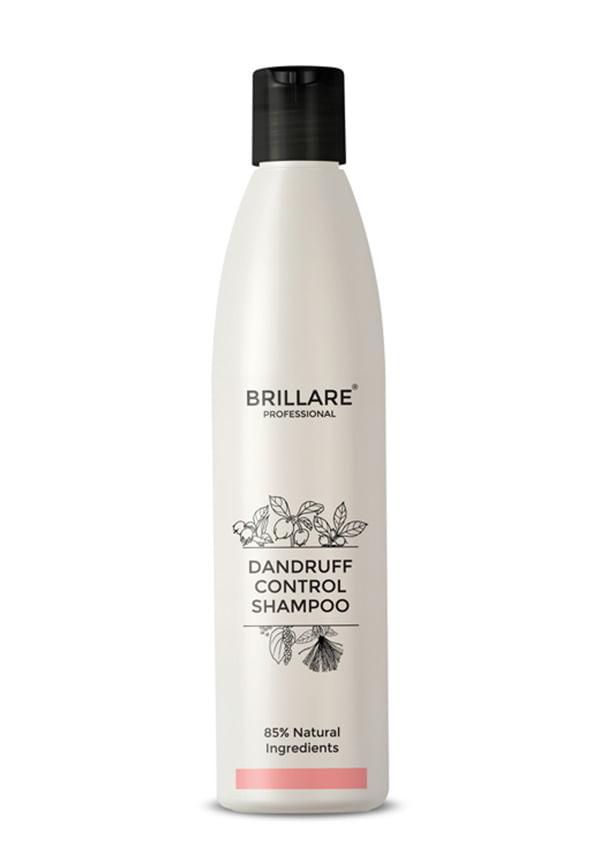 300 ml
Dandruff Control Shampoo For Itchy, Flaky Scalp
These powerhouse formulas are often your first line of defence against stubborn scalp issues. Look for itchy scalp shampoo options containing ketoconazole, selenium sulphide, or zinc pyrithione. These ingredients work by targeting the root causes of inflammation and controlling the microorganisms that can trigger irritation. Ketoconazole is particularly brilliant for fungal-related issues, while zinc pyrithione offers gentle yet effective antimicrobial action. Use these shampoos 2-3 times per week initially, then scale back to maintenance mode once your scalp settles down.
Nature's own anti-itch scalp solution, tea tree oil brings serious anti-inflammatory and antimicrobial properties to the table. You can find it in ready-made products or create your own blend by mixing a few drops with a carrier oil like jojoba. The key is starting slowly—tea tree oil is potent stuff. Begin with a 2-3% concentration and see how your scalp responds. For sensitive scalp products, look for formulations that combine tea tree oil with soothing ingredients like aloe vera or chamomile.
When dealing with dry scalp treatment needs, salicylic acid is your friend. This beta-hydroxy acid gently exfoliates dead skin cells and helps other ingredients penetrate more effectively. It's particularly useful for flaky, scaly conditions. Look for concentrations between 1-3% for scalp use. Many effective formulations combine salicylic acid with moisturising ingredients to prevent over-drying. Apply these treatments to damp hair, focusing on the scalp rather than the lengths.
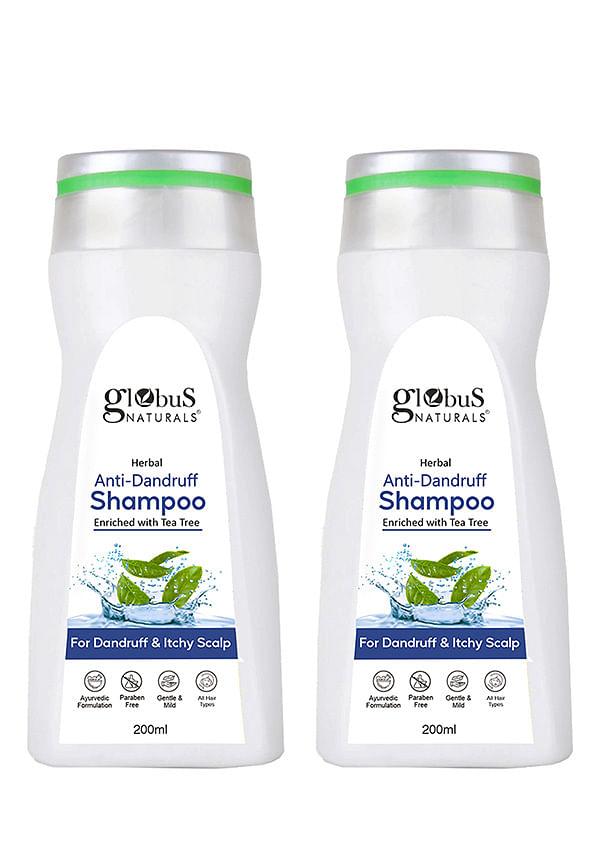 200 ml*2
Anti Dandruff Shampoo, For Dandruff and Itchy Scalp
For more stubborn cases requiring intensive scalp irritation relief, coal tar shampoos can be incredibly effective. They work by slowing down the rapid cell turnover that contributes to scaling and inflammation. These treatments are stronger than your average shampoo, so follow the instructions carefully. Start with once or twice weekly applications and always use sun protection afterwards, as coal tar can increase photosensitivity.
Soothing scalp care often comes down to proper hydration. Lightweight oils like jojoba, argan, and fractionated coconut oil can provide deep moisture without weighing down your hair. Apply these treatments to a clean, slightly damp scalp and massage gently with your fingertips. The massage itself improves circulation and helps distribute the oils evenly. Leave on for at least 30 minutes or overnight for intensive treatment.
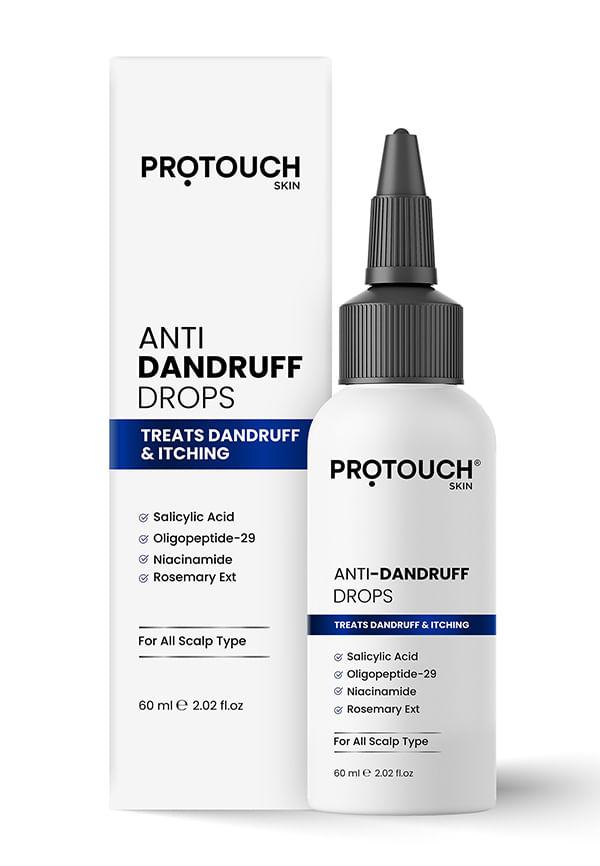 60 ml
60 mlSKIN Anti Dandruff Drops Serum Soothes Itchy, Inflamed Scalp
When over-the-counter options aren't cutting it, prescription treatments can provide the extra strength needed for effective scalp health restoration. Topical corticosteroids, antifungal creams, and prescription-strength medicated shampoos fall into this category. These treatments require professional guidance, but they can be game-changers for persistent or severe conditions. Your dermatologist will help determine the right strength and application schedule for your specific situation.
Sometimes the simplest solutions are the most effective. Apple cider vinegar rinses can help restore your scalp's natural pH balance, while aloe vera gel provides cooling, anti-inflammatory relief. Oatmeal masks are another brilliant option—blend colloidal oatmeal with water to create a soothing paste that calms irritation. These natural approaches work particularly well as part of a broader treatment routine.
With so many options available, picking the right treatment can feel overwhelming. The key is understanding your specific scalp type and concerns.
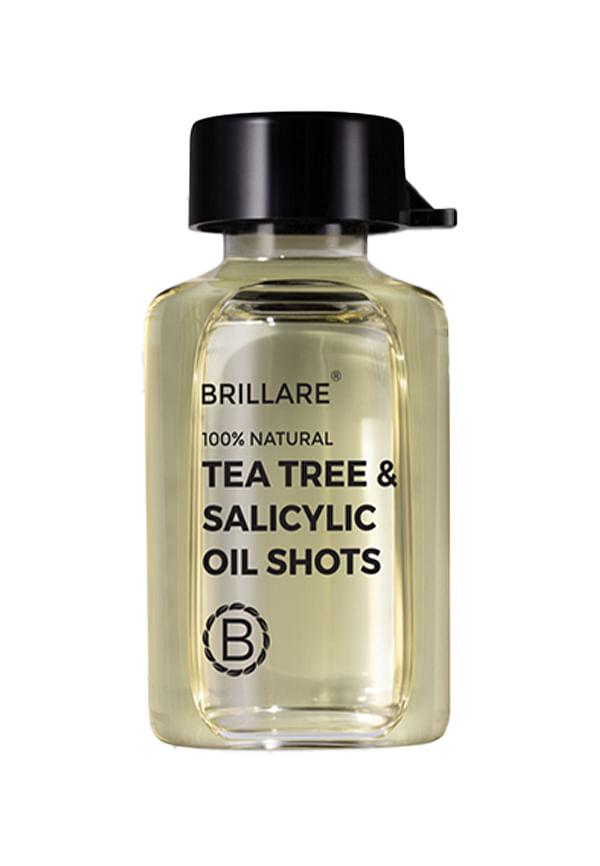 8*6 ml
Tea Tree & Salicylic Oil Shots For Dry, Itchy Scalp to Fights Dandruff
For dandruff treatment, look for active ingredients like ketoconazole, selenium sulphide, or zinc pyrithione. These target the underlying causes rather than just masking symptoms. Gentle cleansing agents like cocamidopropyl betaine are kinder to sensitive scalps than harsh sulphates. Moisturising components like hyaluronic acid, glycerin, and natural oils help maintain scalp hydration. Niacinamide is another superstar ingredient that reduces inflammation and supports overall scalp health.
Harsh sulphates like sodium lauryl sulphate can strip your scalp of natural oils, potentially worsening dryness and irritation. Strong fragrances and certain preservatives can also trigger reactions in sensitive individuals. Alcohol-based products might provide temporary relief but can lead to increased dryness over time. When in doubt, patch test new products on a small area before full application.
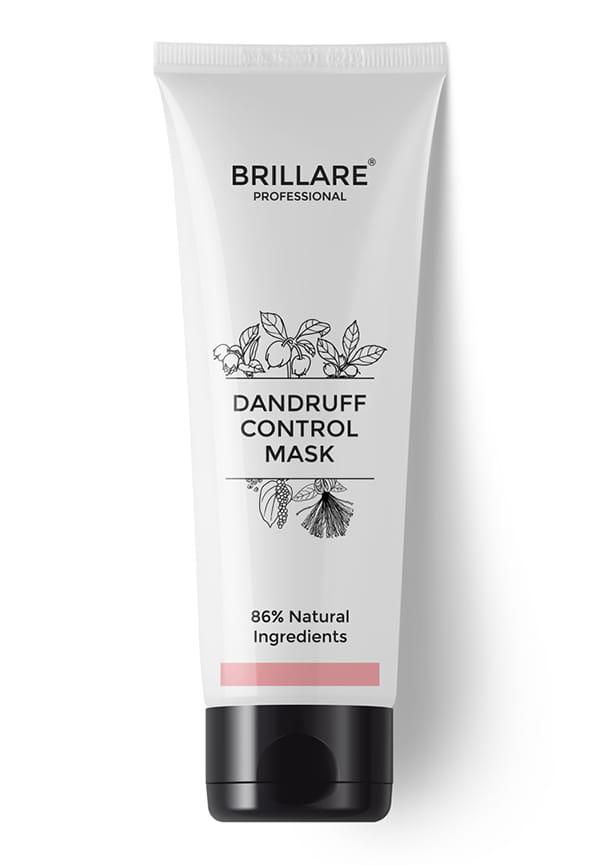
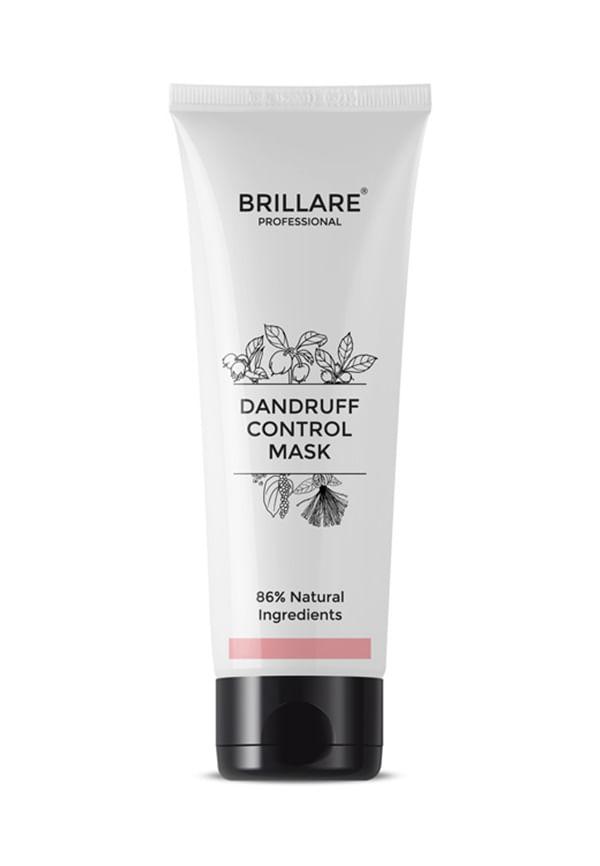 125 ml
Dandruff Control Mask For Itchy, Flaky Scalp
Deciding between professional treatment and home remedies depends on several factors, including symptom severity and how long you've been dealing with the issue.
For mild to moderate symptoms, over-the-counter treatments are often effective and budget-friendly. They're easily accessible and allow you to experiment with different approaches to find what works best for your scalp. Many people see improvement within 2-4 weeks of consistent use. The key is patience and consistency—scalp healing takes time.
If you've tried multiple approaches for 6-8 weeks without improvement, it's worth consulting a dermatologist. Severe symptoms like intense inflammation, hair loss, or signs of infection also warrant professional evaluation. A dermatologist can provide accurate diagnosis and access to prescription treatments that aren't available over the counter. They can also help identify underlying conditions that might be contributing to your scalp issues.
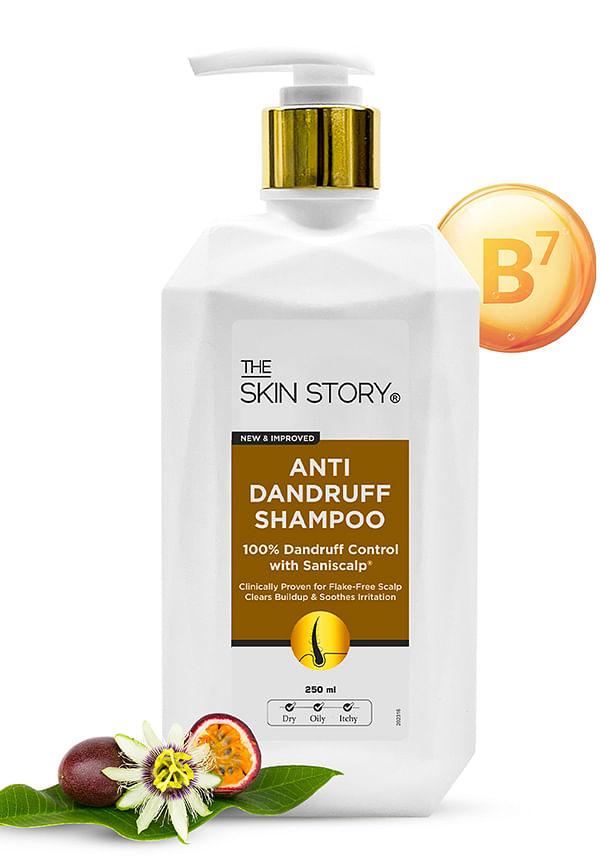 250 ml
Anti Dandruff Shampoo For Oily Dry Itchy Scalp With Saniscalp
Consistency is everything when it comes to maintaining a healthy scalp. A well-structured routine can prevent issues from returning and keep your scalp comfortable long-term.
Gentle washing is crucial—over-washing can strip natural oils, while under-washing allows buildup to accumulate. Most people do well with washing every other day or every two days, depending on their hair type and lifestyle. When shampooing, focus on massaging the scalp rather than scrubbing vigorously. Use lukewarm water instead of hot, which can be drying and irritating.
Once or twice weekly, treat your scalp to something special. This might be a nourishing oil treatment, a gentle exfoliating mask, or a deep-conditioning session focused on the scalp area. Rotating between different treatments can prevent your scalp from becoming too accustomed to any single approach. This strategy often yields better long-term results.
When you're ready to buy itchy scalp treatment products, knowing where to look can save you time, money, and frustration. The beauty of modern shopping is having multiple options at your fingertips. Online platforms offer incredible convenience and often better prices than physical stores. You can read reviews, compare ingredients, and often find detailed product information that helps you make informed decisions. Just make sure you're buying from reputable sellers to ensure product authenticity. Pharmacies remain excellent resources, especially when you want to speak with a pharmacist about your concerns. They can provide valuable guidance on product selection and potential interactions with other treatments you might be using. This is where platforms like Smytten become absolute game-changers for anyone dealing with scalp issues. Instead of committing to full-size products that might not work for your specific needs, you can explore curated trial packs from trusted brands. With access to over 1,500 brands including Cetaphil, Dot & Key, and Love, Beauty & Planet, you can discover what actually works for your scalp without the financial risk. Getting up to 8 minis for just ₹249, plus 100% cashback redeemable for future purchases, makes it incredibly affordable to experiment with different approaches until you find your perfect match.
Most people notice some relief within 1-2 weeks of consistent treatment, but significant improvement usually takes 4-6 weeks. Your scalp needs time to heal and restore its natural balance, so patience is key.
It's generally best to introduce one new treatment at a time to see how your scalp responds. Once you know a product works well for you, you can carefully add others. Always patch test combinations first.
Natural remedies can be very effective for mild to moderate issues and are often gentler on sensitive scalps. However, severe or persistent conditions may require medicated treatments for optimal results.
Dry scalp typically needs more moisture and gentle care, while dandruff often requires antifungal or antimicrobial treatments. Dry scalp flakes are usually smaller and whiter, while dandruff flakes tend to be larger and more yellowish.
Maintaining a consistent, gentle routine is crucial. Avoid over-washing, use lukewarm water, choose products suited to your scalp type, and manage stress levels. Regular scalp massages can also help maintain healthy circulation.
Dealing with an itchy, irritated scalp doesn't have to be a permanent struggle. With the right approach and a bit of patience, you can find relief and get back to feeling comfortable in your own skin. Whether you start with gentle natural remedies or dive straight into medicated treatments, the key is consistency and listening to what your scalp is telling you. Remember, everyone's scalp is different, so what works brilliantly for your friend might not be your perfect match. That's exactly why trial-sized products are so valuable—they let you explore different options without the commitment or expense of full-size purchases. Your scalp deserves the same attention and care you give to your facial skin, and with the right products in your routine, you can achieve the healthy, comfortable scalp you've been dreaming of.
