7 Best Heat Damage Repair Products to Save Hair
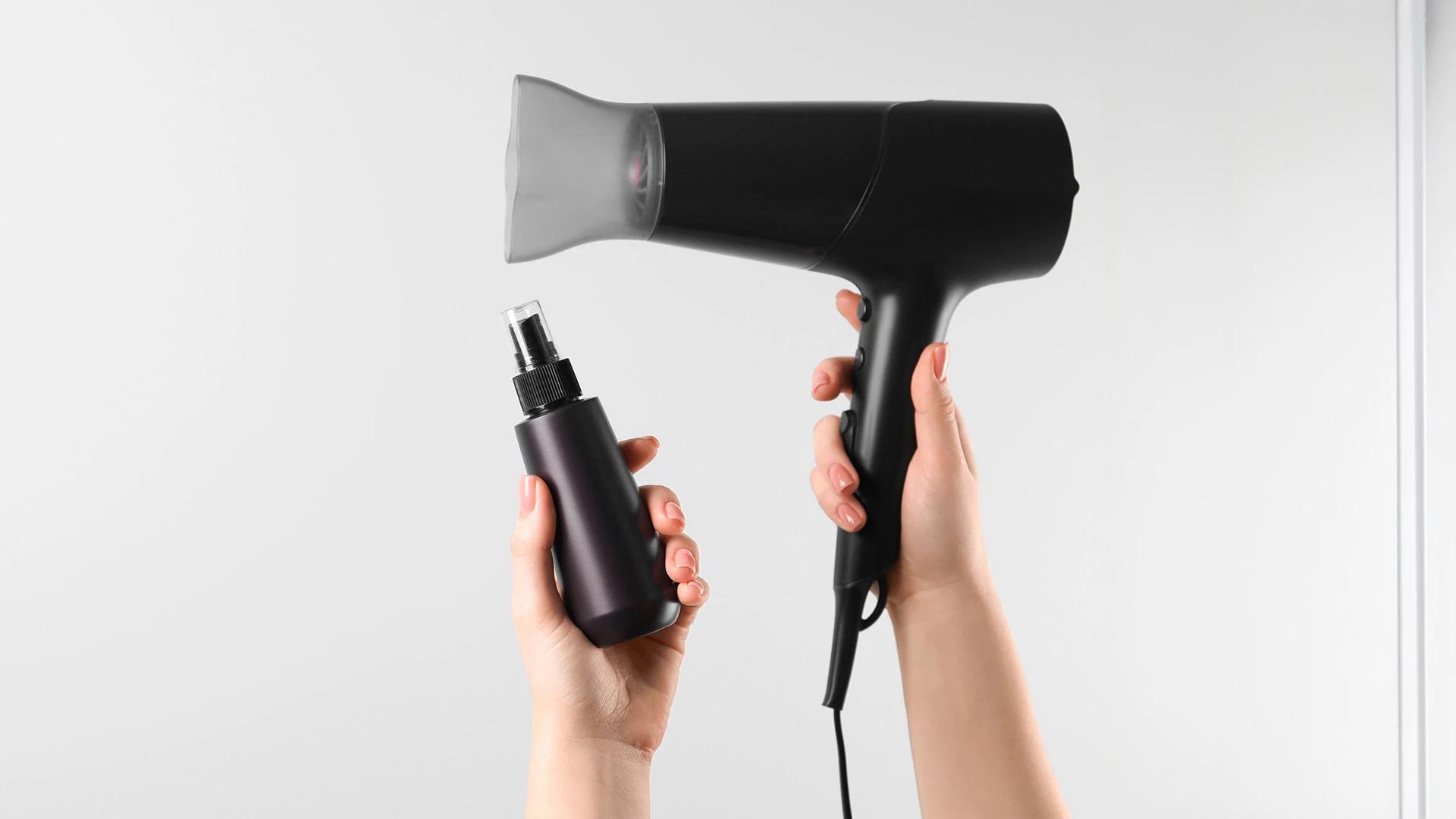

Let's be real—heat damage is the silent hair killer we all pretend doesn't exist until we're staring at our reflection wondering why our once-bouncy locks now look like they've been through a blender. If you're dealing with crispy ends, stubborn frizz, or hair that snaps at the slightest touch, you're not alone. The good news? There are actually products that can help repair the damage and get your hair back to its former glory.
Before we dive into the products that'll save your strands, let's talk about what heat damage actually does to your hair. Think of your hair like a delicate fabric—when you blast it with high temperatures repeatedly, you're essentially burning the protein structure that keeps it strong and flexible.
Spotting heat damage isn't always obvious at first, but these telltale signs are your hair's way of crying for help: • Split ends that seem to multiply overnight • Hair that breaks when you run your fingers through it • Loss of natural shine and bounce • Increased frizz, especially in humid weather • Brittle texture that feels rough to touch • Hair that tangles more easily than before
When you apply heat above 180°C to your hair, you're literally breaking down the protein bonds that give your hair its structure. The cuticle—your hair's protective outer layer—gets damaged, leading to moisture loss and that dreaded straw-like texture. Unfortunately, once these protein bonds are broken, they can't be fully restored, but the right heat damage treatment can significantly improve your hair's appearance and health.
Now for the main event—the products that'll help you buy heat damage repair solutions that actually deliver results. These aren't miracle cures, but they're the closest thing you'll find to turning back time on your hair.
These powerhouse treatments work by temporarily filling in the gaps where your hair's natural proteins have been damaged. Look for products containing keratin, hydrolysed wheat protein, or silk amino acids. Apply these hair protein treatment products once a week, leaving them on for 10-15 minutes before rinsing. You'll notice stronger, more resilient hair within a few uses.
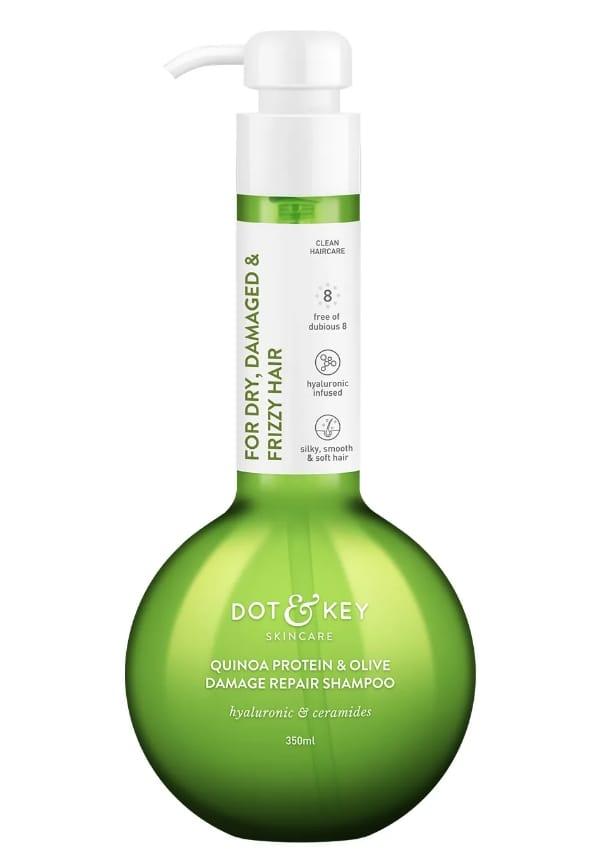 350ml
350mlQuinoa Protein & Olive Damage Repair Shampoo
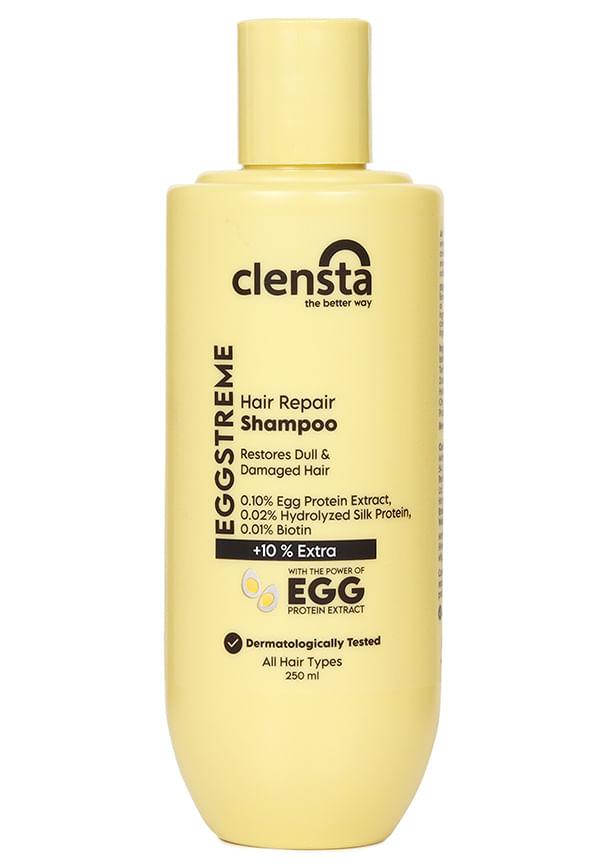 250 ml
Eggstreme Hair Repair Shampoo With Egg Protein, Biotin & Hydrolyzed Silk Protein
A good hair repair mask is like a spa day for your damaged strands. These deep conditioning treatment products work by penetrating the hair shaft to deliver intense moisture and nutrients. Oil-based masks work brilliantly for severely damaged hair, while protein-based formulas are perfect for hair that's lost its elasticity. Use them weekly for best results, and don't skip the heat cap if you really want to maximise absorption.
These are your daily heroes for damaged hair repair. Lightweight serums and natural oils like jojoba or argan oil provide ongoing protection whilst helping to smooth the cuticle. Apply a small amount to damp hair, focusing on the mid-lengths and ends. They're brilliant for adding shine and reducing frizz without weighing your hair down.
Your regular shampoo might be doing more harm than good if it's stripping your already-damaged hair. Hair strengthening products with sulfate-free formulas are gentler whilst still cleansing effectively. Look for sets enriched with biotin, keratin, or bond-building ingredients. They might cost a bit more than your usual drugstore picks, but your hair will thank you.
Whilst you can't truly "repair" split ends (they need to be trimmed), these products can temporarily seal them and prevent further splitting. Split end repair treatments work by coating the damaged areas with proteins and silicones. They're perfect for buying you time between salon visits, but remember—they're a temporary fix, not a permanent solution.
Frizz is often a major sign of heat damage, and frizzy hair repair products can help tame those unruly strands. Look for formulas that contain natural oils or lightweight silicones that smooth the cuticle without building up. These work best when applied to damp hair before styling, creating a protective barrier against humidity.
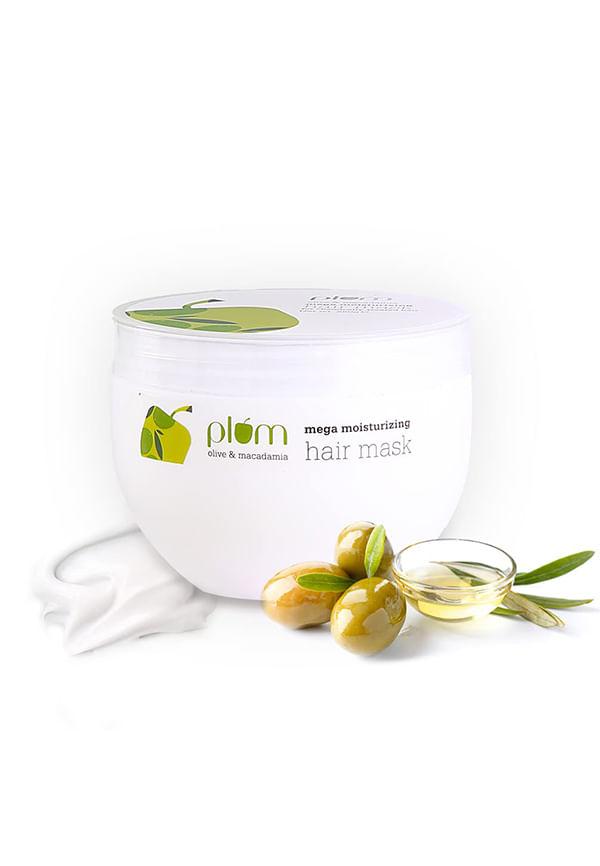 250 gm
Olive & Macadamia Mega Moisturizing Hair Mask
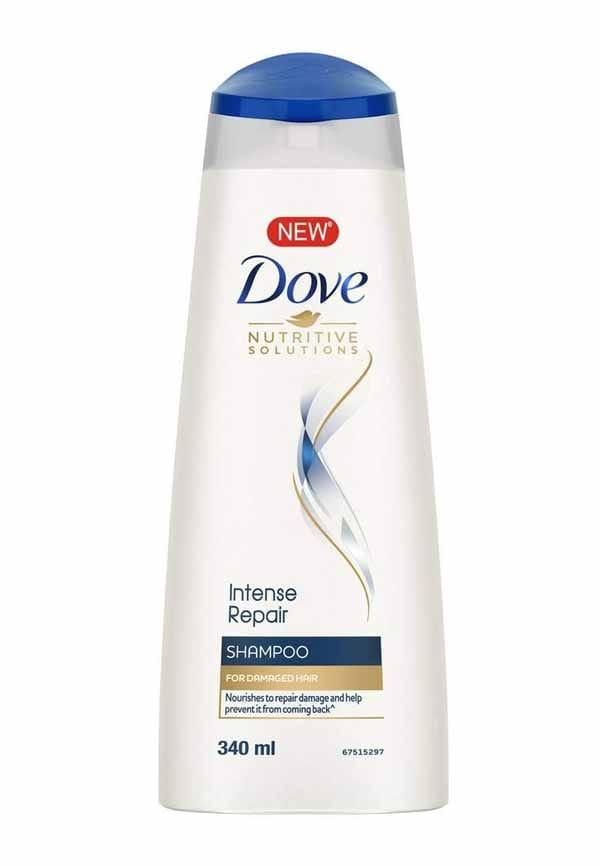 355ml
355mlIntense Repair Conditioner
These comprehensive hair hydration therapy systems usually come with multiple steps—think cleansing, treatment, and sealing products that work together. They're designed to restore moisture balance to severely damaged hair. Whilst they require more time and effort, the results are often worth it for hair that's been through the wringer.
Whilst professional treatments have their place, there's plenty you can do at home to speed up the repair process. The key is consistency and using the right techniques.
First things first—put down the heat tools. Give your hair a break for at least a week whilst you assess the damage. Trim off any obviously split or damaged ends, even if it means going shorter than you'd like. It's better to have healthy, shorter hair than long, damaged strands that continue to break.
Some of the best hair breakage solutions come straight from your kitchen. A weekly oil soak using coconut, olive, or jojoba oil can work wonders. Apply the oil from mid-length to ends, wrap in a warm towel, and leave for at least an hour. For protein treatments, try a mask made from eggs and honey—the proteins help strengthen whilst the honey adds moisture.
Consistency is everything when it comes to repairing heat damage. Create a schedule that includes daily leave-in treatments, weekly deep conditioning, and monthly protein treatments. Track your progress with photos—you'll be amazed at how much improvement you can see over time.
Deciding between professional treatments and at-home care depends on your budget, time, and the severity of your damage. Both have their merits, and often the best approach combines elements of each.
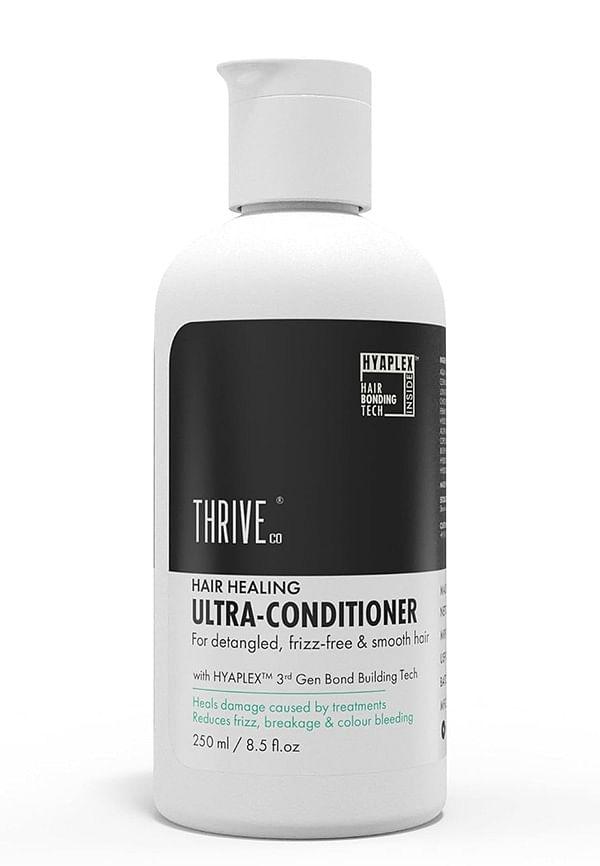 250 ml
Hair Healing Conditioner
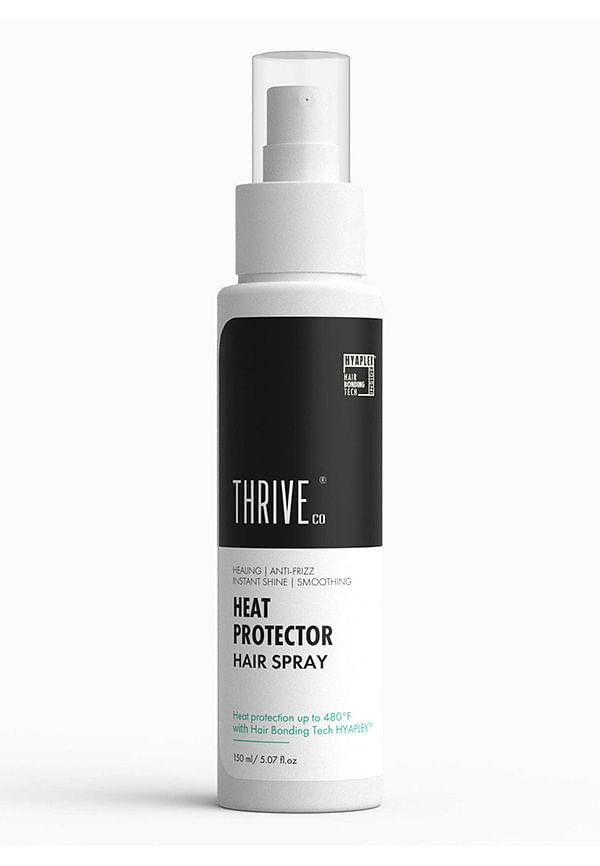 150 ml
Heat Protector Hair Spray
If your hair is severely damaged—think major breakage, extreme dryness, or chemical damage on top of heat damage—professional heat damage treatment might be your best bet. Salon treatments like Olaplex or K18 can rebuild broken bonds in ways that home treatments simply can't match. Yes, they're pricier (expect to pay ₹3,000-₹8,000 per session), but for severely damaged hair, they're often worth the investment.
For mild to moderate damage, a solid at-home routine can be incredibly effective. The key is choosing the right products for your specific hair type and damage level. Fine hair needs lightweight formulas, whilst thick, coarse hair can handle richer treatments. Don't try to rush the process—damaged hair repair takes time, usually 3-6 months to see significant improvement.
Repairing existing damage is only half the battle. You'll also need to change your styling habits to prevent further damage whilst your hair heals.
If you must use heat tools, never skip the thermal protectant. Look for products that protect up to 230°C and apply them to damp hair before styling. Keep your tools on the lowest effective temperature—usually 150-180°C for most hair types. Consider investing in tools with adjustable temperature settings and ceramic or tourmaline plates that distribute heat more evenly.
Your hair's health starts from within. Eating plenty of protein, staying hydrated, and managing stress all contribute to stronger, more resilient hair. Use silk or satin pillowcases to reduce friction whilst you sleep, and protect your hair from sun and chlorine when swimming.
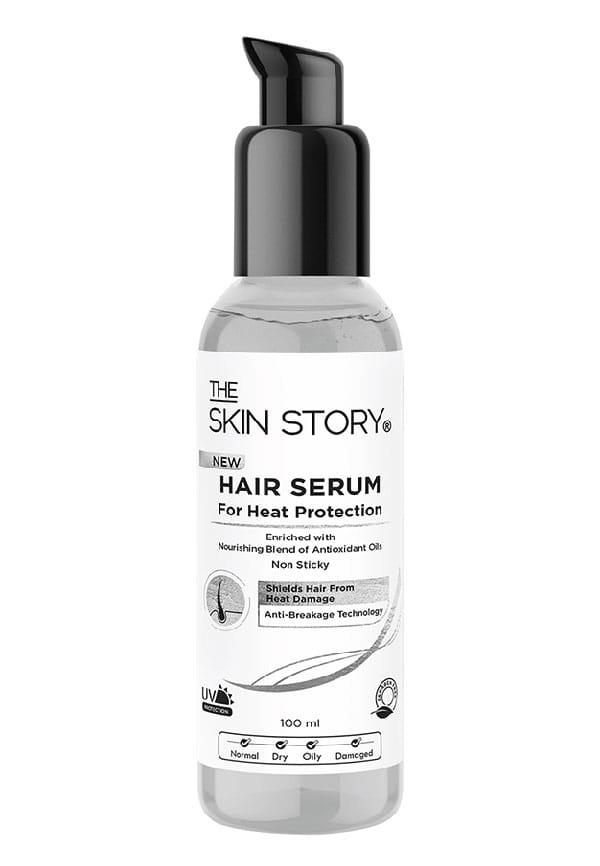 100 ml
Hair Serum For Heat Protection, UV Protection With Anti Breakage Technology | Non-Sticky
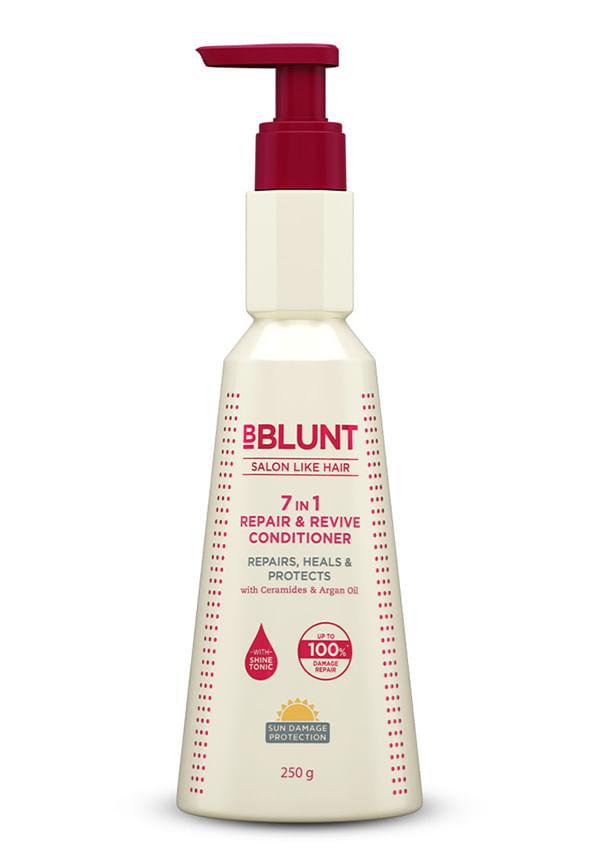 250ml
250ml7 in 1 Repair & Revive Conditioner for Upto 100% Damage Repair
Whilst you can't reverse heat damage completely, you can significantly improve your hair's appearance and health through proper treatment and care routines. The key is managing expectations and focusing on preventing further damage.
Oil soaks with jojoba or olive oil, combined with protein treatments and deep conditioning masks, provide the most effective repair results for most people. The best approach often combines multiple treatment types.
Visible improvement typically occurs within 4-6 weeks of consistent treatment, with full recovery taking 3-6 months depending on damage severity. Remember, hair grows about 1.5cm per month, so patience is key.
Yes, severe heat damage to the hair's protein structure is permanent, but proper care can dramatically improve appearance and prevent further damage. This is why prevention is so important.
Avoid sulfates, excessive alcohol, and harsh chemicals that can further strip damaged hair of essential moisture and proteins. Also be wary of products with too many silicones, which can build up over time.
Dealing with heat damage can feel overwhelming, but remember—you're not stuck with damaged hair forever. The right combination of products, techniques, and patience can help restore your hair's health and shine. Whether you choose to buy heat damage repair products online or visit a professional, the most important thing is to start somewhere and stay consistent. When you're ready to explore different repair products without the commitment of full-size purchases, platforms like Smytten make it easy to try before you buy. With curated trial packs from over 1,500 trusted brands, you can test various heat damage treatments to find what works best for your hair type. After all, why settle for 'maybe' when you can try it all and find your perfect match? Your hair deserves products that actually work, and with the right approach, you'll be back to having the healthy, gorgeous hair you remember.
