7 Best Hair Products to Repair Damaged Locks
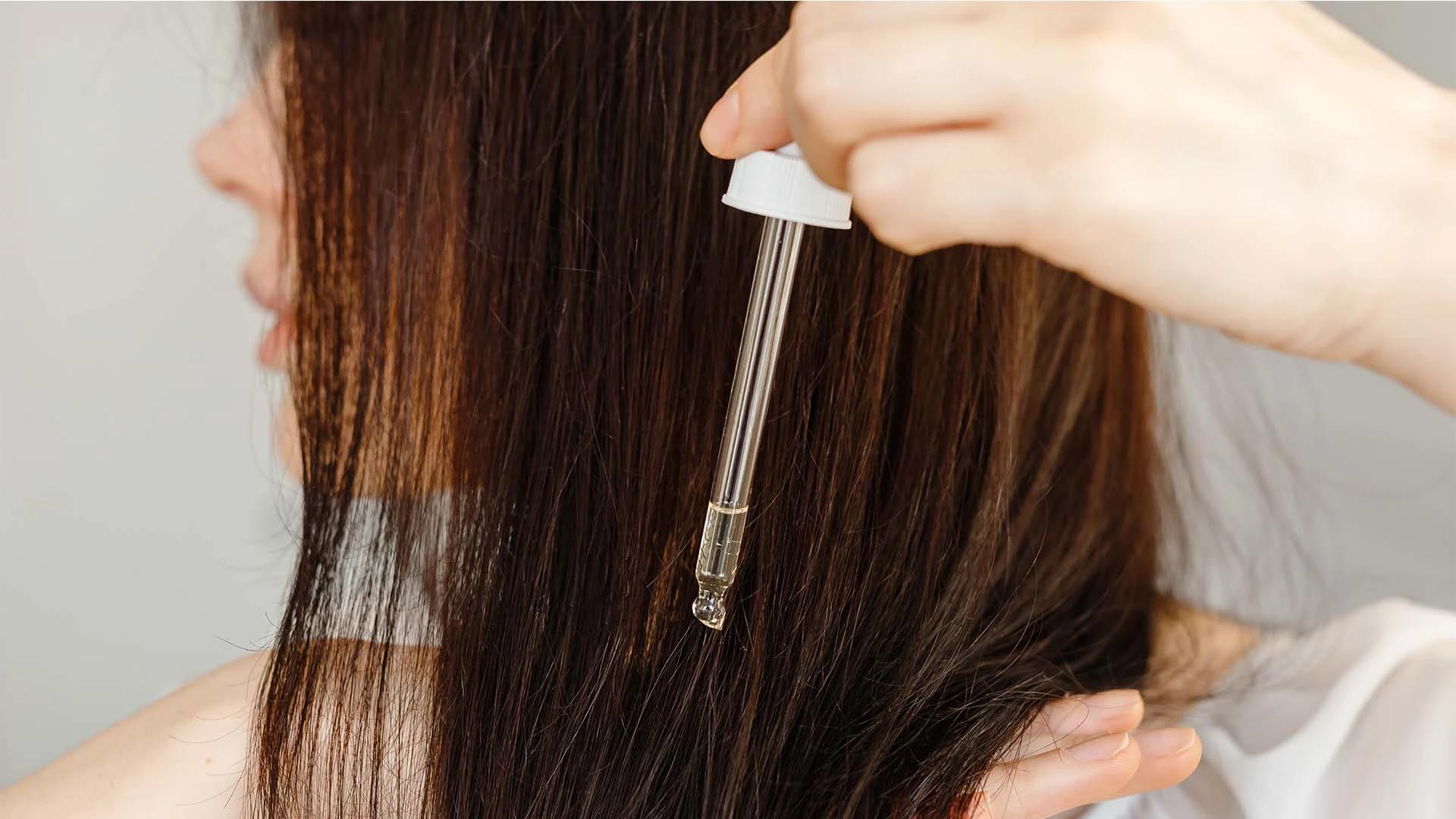

Let's be real—damaged hair can feel like a proper nightmare. Whether it's from too much heat styling, chemical treatments, or just life happening, those split ends and brittle strands aren't exactly giving main character energy. But here's the thing: the right hair repair products can genuinely turn things around. We're talking about formulas that don't just mask the damage but actually work to rebuild your hair from the inside out. Ready to discover which products are worth obsessing over? Let's dive into the best hair products for damage that'll have your locks looking like they've had a proper glow-up.
Spotting damaged hair isn't always as obvious as you'd think. Sure, split ends are a dead giveaway, but there are subtler signs your strands are crying out for help. If your hair feels rough to the touch, tangles easily, or looks dull even after washing, you're likely dealing with some level of damage. The main culprits behind hair damage fall into three categories: chemical, heat, and environmental. Chemical damage comes from colouring, perming, or relaxing treatments that break down the hair's protein structure. Heat damage happens when you're a bit too generous with your straighteners or blow dryer. Environmental damage? That's everything from UV rays to pollution slowly wearing down your hair's protective cuticle.
Here's how to tell if your hair needs some serious TLC: • Hair feels rough or straw-like when wet • Excessive shedding when brushing • Split ends that keep coming back • Lack of shine or elasticity • Difficulty holding styles • Tangles that seem impossible to work through The key difference between damaged hair and healthy hair is that damaged strands have compromised cuticles—the outer protective layer. This means moisture escapes easily, and your hair becomes more vulnerable to further damage. That's why regular haircare products often fall short when dealing with seriously compromised locks.
Not all hair repair products are created equal, and understanding the science helps you make smarter choices. Your hair is essentially made of protein (keratin), so when it's damaged, you need products that can either replace lost protein or help retain moisture—sometimes both. The protein vs. moisture balance is crucial here. Over-damaged hair often lacks protein, making it stretchy and gummy when wet. But hair that's been over-treated with protein becomes brittle and snaps easily. The trick is finding products that restore this balance.
Look for these powerhouse ingredients in your hair strengthening products: • Hydrolysed proteins: Small enough to penetrate the hair shaft • Ceramides: Help rebuild the hair's protective barrier • Amino acids: The building blocks of keratin • Panthenol (Pro-Vitamin B5): Adds moisture and flexibility Molecular repair technology is where things get really clever. These formulas use ingredients small enough to actually penetrate damaged areas and fill in gaps in the hair shaft. It's like having tiny construction workers rebuilding your hair from the inside out.
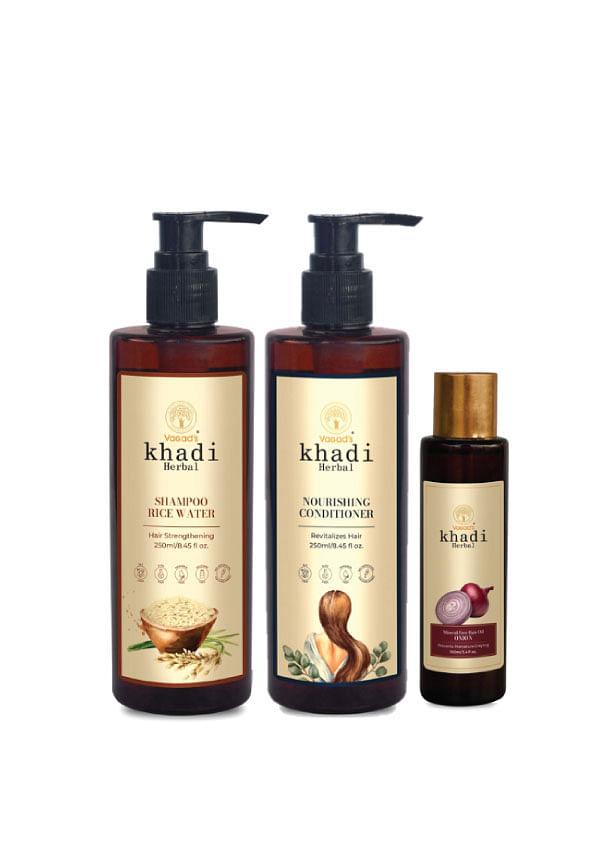 600 ml
Damage Repair Kit
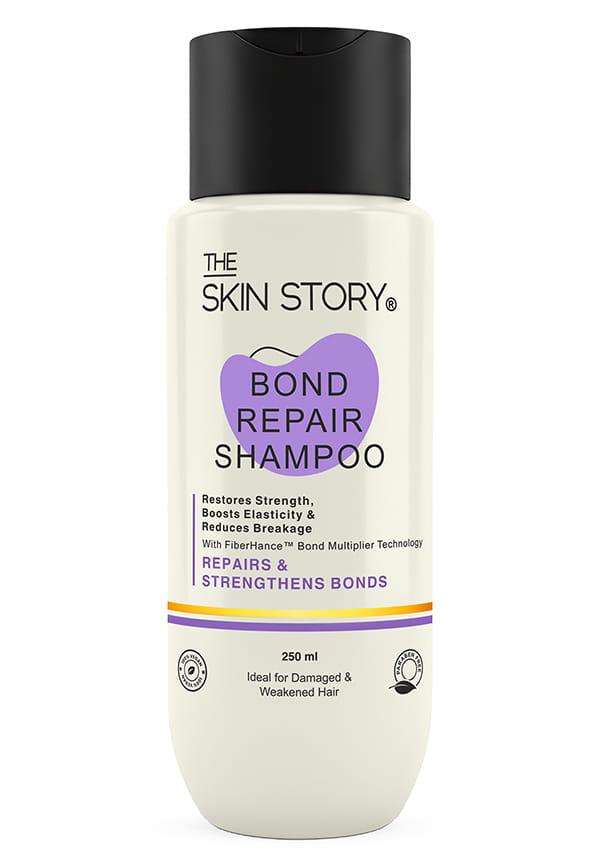 250 ml
Professional Bond Repair Shampoo For Damaged Hair
Right, let's get to the good stuff. These seven products have earned their spot through serious results, not just fancy marketing. Each one tackles damage differently, so you can mix and match based on what your hair actually needs. When you're exploring new damaged hair treatment options, the beauty of platforms like Smytten is that you can try multiple products without the commitment. With over 1,500 trusted brands and trial packs available, you can test what works for your specific hair type before investing in full sizes.
For hair that's been through it all, a weekly intensive hair mask for damaged hair is non-negotiable. Look for masks with a blend of proteins and deep conditioning agents. These typically contain ingredients like keratin, argan oil, and shea butter. Apply to damp hair from mid-length to ends, avoiding the roots. Leave for 10-20 minutes (follow the packet instructions), then rinse thoroughly. Use once or twice weekly, depending on your damage level.
A quality leave-in conditioner for damaged hair is your daily defence against further damage. The best formulas offer heat protection up to 230°C while providing ongoing moisture and detangling benefits. Lightweight formulas work best for fine hair, while thicker, creamier textures suit coarse or very damaged hair. Apply to damp hair before styling, focusing on the ends where damage is typically worst.
While you can't technically "repair" split ends (only scissors can do that), a good hair serum for damaged hair can seal them temporarily and prevent further splitting. Look for serums with silicones or natural oils that coat the hair shaft. The key with split end repair serums is application technique. Use just a few drops on dry hair, focusing on the very ends. Too much will weigh your hair down and make it look greasy.
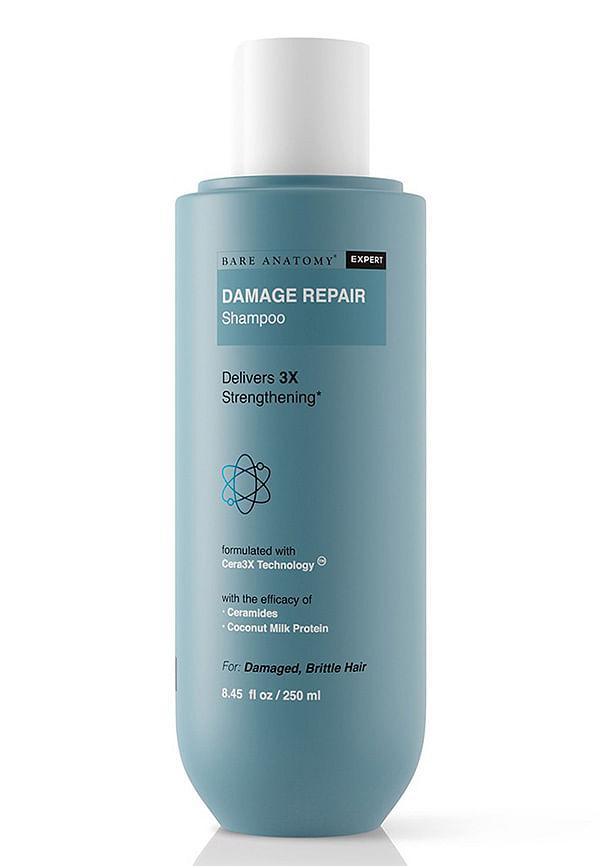 250 ml
Expert Damage Repair Shampoo To Repair And Strengthen Up To 3X
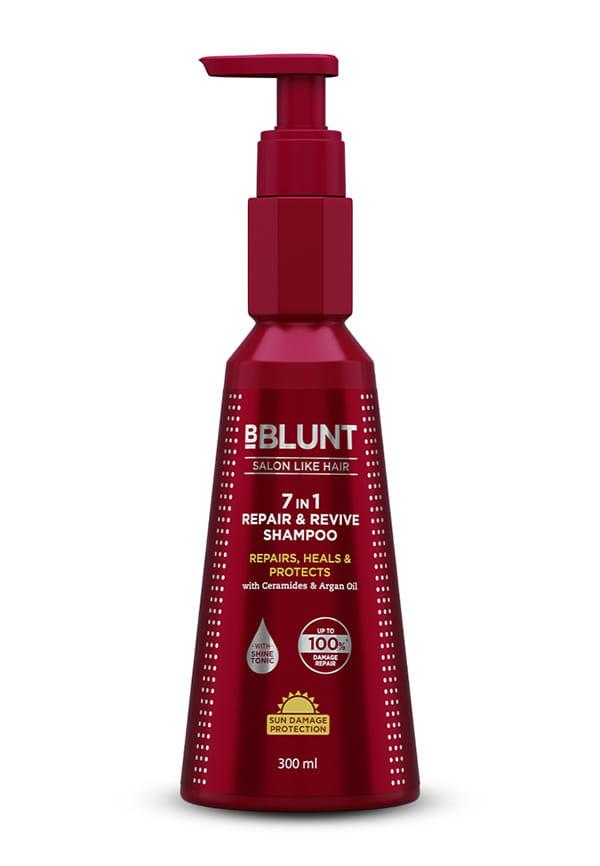 300 ml
7 in 1 Repair & Revive Shampoo for Upto 100% Damage Repair
Your regular shampoo might be too harsh for damaged hair. Strengthening shampoos are typically sulfate-free and contain gentle cleansing agents that won't strip already compromised hair. These formulas often include hydrolysed proteins and amino acids that help fortify the hair shaft during cleansing. Use 2-3 times per week, alternating with a moisturising shampoo if your hair tends toward dryness.
For seriously damaged hair, overnight oil treatments can work wonders. The best dry hair remedies often involve oils like argan, coconut, or jojoba that can penetrate the hair shaft over several hours. Apply oil to damp hair before bed, focusing on the mid-lengths and ends. Cover with a silk scarf or use a silk pillowcase to prevent transfer. Shampoo out in the morning for soft, nourished hair.
For severe damage, monthly protein treatments can help rebuild the hair's structure. These hair breakage solutions are more intensive than regular conditioners and should be used sparingly to avoid protein overload. Signs you need protein: hair feels mushy when wet, lacks elasticity, or breaks easily. Signs of protein overload: hair feels stiff, dry, or brittle. Balance is everything.
Prevention is better than cure, and a quality heat protectant is essential if you use styling tools. Look for products that protect up to 230°C and offer additional benefits like humidity protection or shine enhancement. Apply to damp hair before blow-drying, and again on dry hair before using straighteners or curling tools. Don't skip this step—heat damage is cumulative and often irreversible.
Having the right products is only half the battle—using them correctly makes all the difference. The key to effective haircare for damaged hair is consistency and proper application techniques. Start with a gentle, strengthening shampoo 2-3 times per week. Follow with a protein-moisture balanced conditioner every time you wash. Once or twice weekly, swap your regular conditioner for an intensive mask.
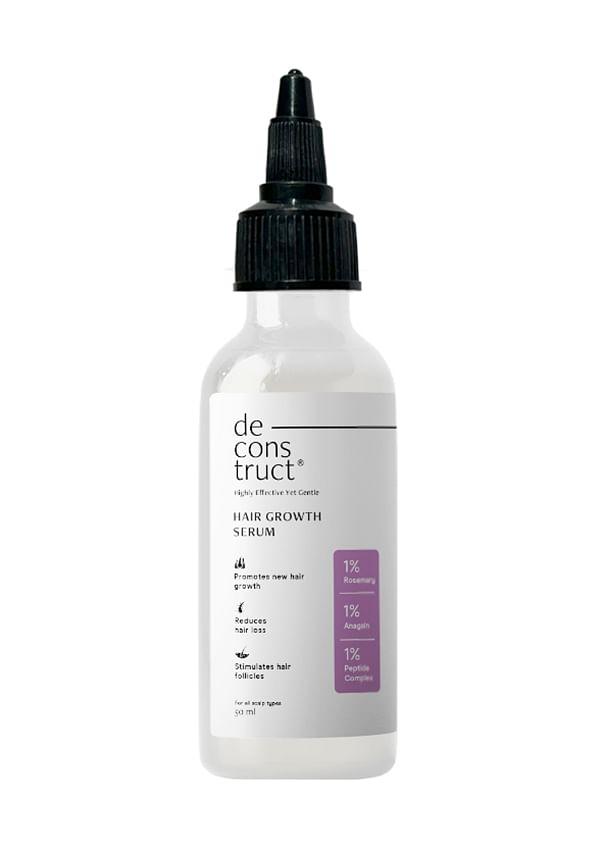 50 ml
50 mlHair Growth Serum
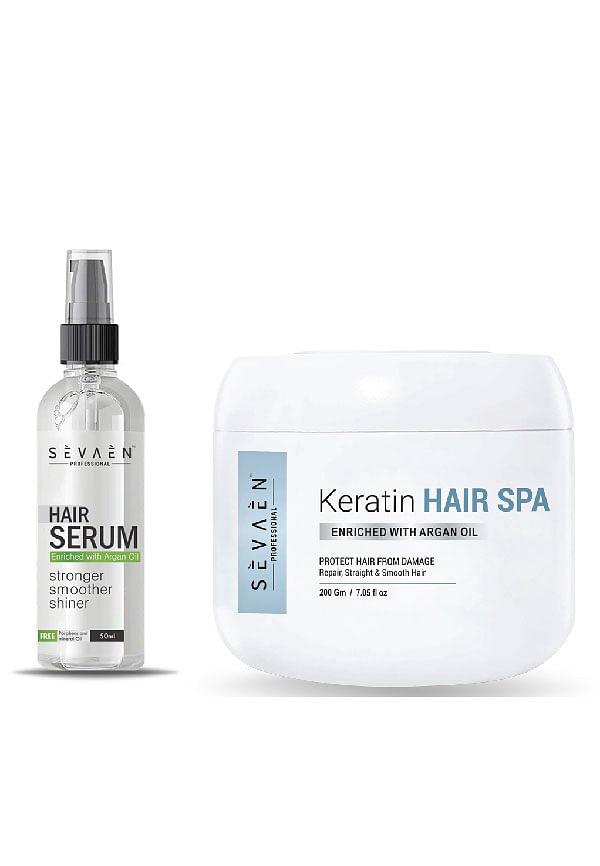 Combo
ComboProfessional Hair Spa And Hair Serum
On wash days, apply products in this order: • Shampoo (focus on scalp) • Conditioner or mask (mid-lengths to ends) • Leave-in conditioner (damp hair) • Heat protectant (before styling) • Serum or oil (dry hair, if needed) The biggest mistake people make is using too much product or applying everything to the roots. Your scalp produces natural oils—it's the lengths and ends that need the extra help. Weekly treatments should be scheduled based on your hair's needs. Very damaged hair might benefit from two protein treatments and one moisture mask per week, while moderately damaged hair might need the opposite ratio.
Sometimes DIY just isn't enough, and that's okay. Professional treatments like Olaplex, keratin treatments, or deep conditioning services can provide results that home products simply can't match. Salon treatments are worth considering if your hair is severely damaged from chemical processing, if you're dealing with significant breakage, or if at-home treatments aren't showing results after 6-8 weeks of consistent use.
The sweet spot is often a combination approach: professional treatments every 6-8 weeks with a solid at-home routine in between. This gives you the intensive repair benefits of salon treatments while maintaining results with quality home products. At-home treatments that actually work include protein masks, overnight oil treatments, and consistent use of leave-in conditioners. The key is patience—hair repair is a gradual process, not an overnight miracle. This is where Smytten's trial approach really shines. You can experiment with different professional-grade products at home without the salon price tag, finding what works before committing to full sizes.
There's no single "best" product because hair damage varies so much. For severe damage, start with a protein-rich mask used weekly, combined with a daily leave-in conditioner. Fine hair responds well to lightweight serums, while thick, coarse hair often needs heavier creams and oils.
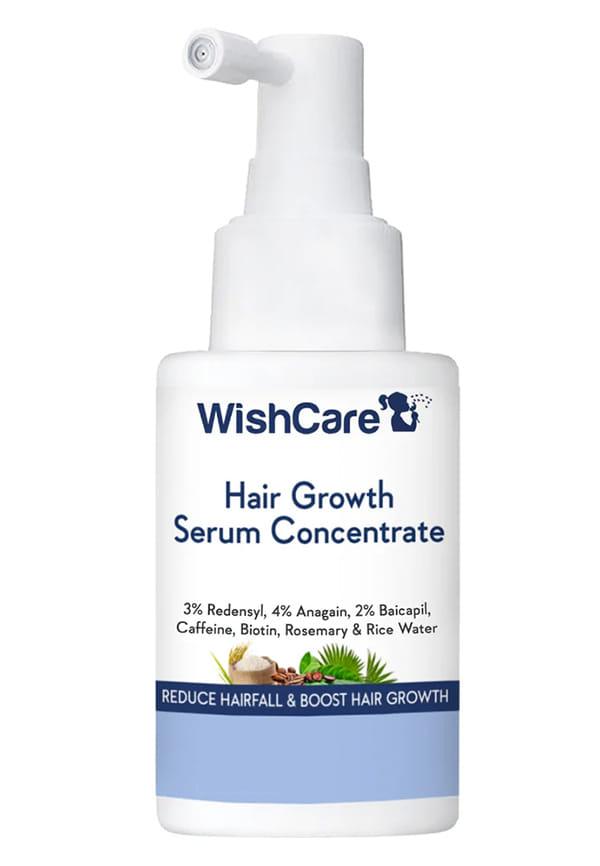 30 ml
30 mlHair Growth Serum Concentrate
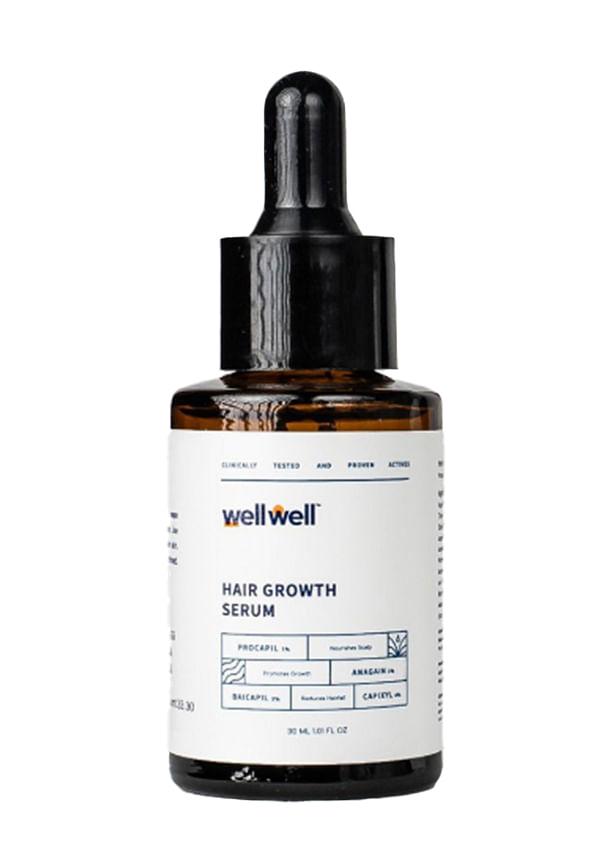 30 ml
30 mlHair Growth Promoter Serum
While there's no instant fix, you can see improvement in 2-4 weeks with consistent care. Focus on gentle cleansing, weekly deep conditioning, and daily protection. Avoid heat styling and tight hairstyles during the repair process.
The most effective approach combines the right products with lifestyle changes. Use strengthening and moisturising treatments, protect from heat and UV damage, eat a protein-rich diet, and be gentle with wet hair. Consistency trumps expensive products every time.
Protein treatments are key for strengthening weak hair, but balance them with moisture to avoid brittleness. Regular trims remove damaged ends, preventing splits from travelling up the hair shaft. Silk pillowcases and gentle brushing techniques also help prevent further damage.
Frizz often indicates moisture loss, so focus on hydrating treatments and humidity-blocking products. Use a wide-tooth comb on wet hair, apply leave-in conditioner, and consider anti-frizz serums for styling. Avoid over-washing, which can strip natural oils.
For breakage, focus on strengthening treatments with proteins and gentle handling. Hair loss might indicate a different issue—if you're losing hair from the root rather than seeing mid-shaft breaks, consider consulting a trichologist or dermatologist.
Repairing damaged hair isn't about finding one miracle product—it's about building a routine that addresses your specific damage type and hair needs. The best hair products for damage work together as a system, not in isolation. Remember, hair repair is a marathon, not a sprint. Consistent use of the right products will gradually rebuild your hair's strength and shine, but it takes time. Be patient with the process and gentle with your hair. With Smytten's extensive range of haircare brands and trial options, you can explore different approaches without the financial risk. From protein treatments to moisture masks, leave-in conditioners to strengthening serums, you can build your perfect repair routine through trial and discovery. After all, why settle for damaged hair when you can try it all and find what actually works for your unique needs?
