7 Best Hair Nutrition Oils for Stronger Hair
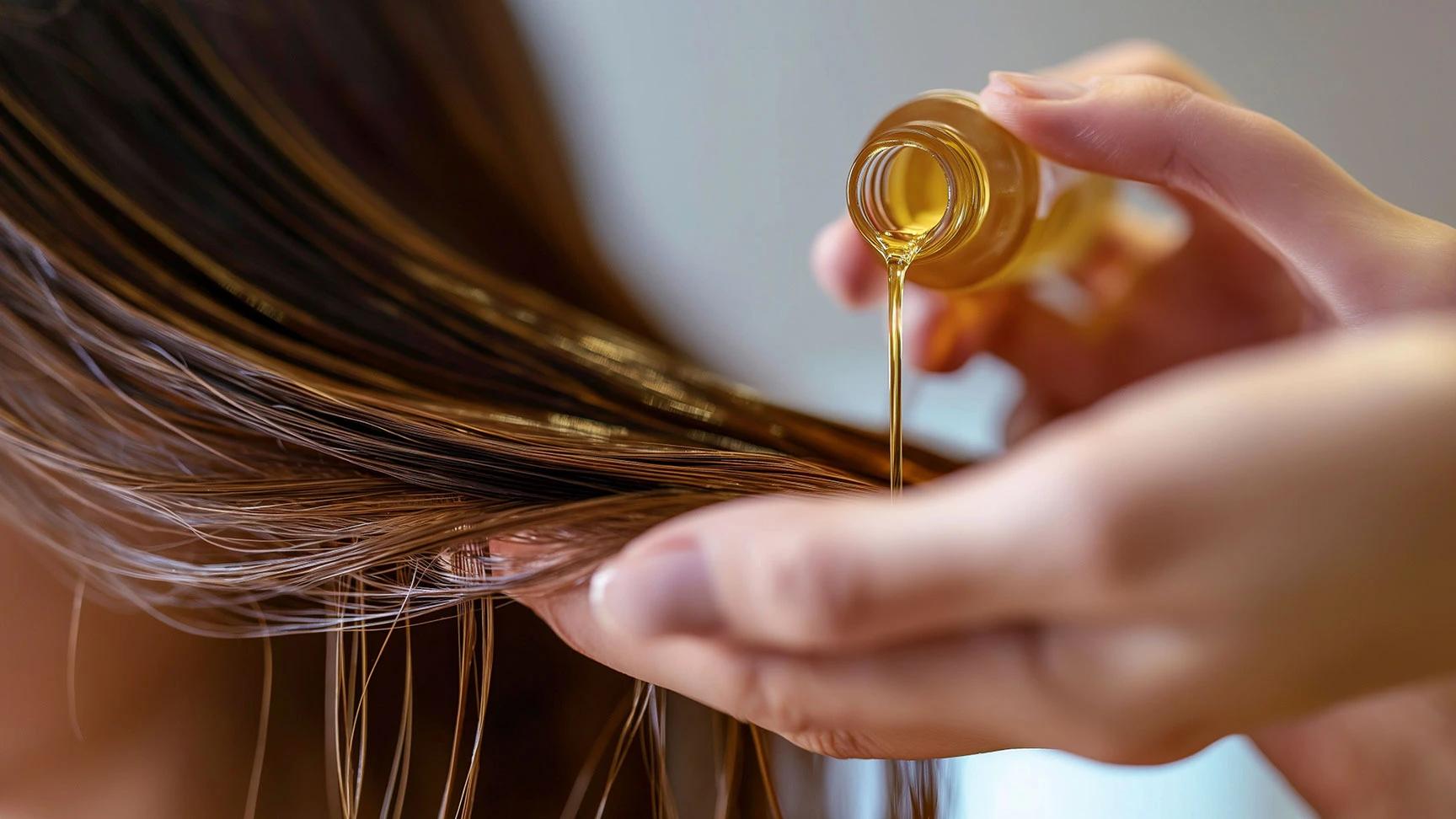

Let's be real—your hair deserves more than just a quick shampoo and go routine. If you've been dealing with weak, brittle strands or a scalp that feels more like a desert than a thriving garden, it might be time to get hair nutrition oil into your routine. Think of these oils as vitamins for your hair, delivering the deep nourishment that regular conditioners simply can't match. From ancient Ayurvedic remedies to modern scientific breakthroughs, hair nutrition oils have been the secret weapon for stronger, healthier hair across cultures and generations.
Hair nutrition oils are specially formulated or naturally occurring oils that penetrate the hair shaft to deliver essential nutrients, vitamins, and fatty acids directly where your hair needs them most. Unlike regular styling oils that simply coat the surface, these powerhouse treatments actually work their way into the hair structure to repair damage from within.
The science behind hair nutrition is fascinating. Your hair shaft consists of overlapping cuticles that protect the inner cortex, where your hair's strength and elasticity live. When these cuticles are damaged by heat styling, chemical treatments, or environmental stress, your hair becomes porous and weak. The right hair oil can slip through these gaps, delivering moisture and nutrients to rebuild your hair's natural defences.
Real talk—if you're noticing increased breakage, dullness, or that your hair feels like straw after washing, these are classic signs your strands are crying out for nutritional support. Different hair types have varying needs too. Fine hair might benefit from lighter oils like jojoba, whilst thick, coarse hair can handle heavier treatments like castor or coconut oil.
Ready to transform your hair game? These seven hair strengthening oils have earned their spot as the best hair oil options through both scientific backing and real-world results. Each brings something unique to the table, so you can find your perfect match.
Rosemary oil isn't just for your Sunday roast—it's actually one of the most researched natural hair oil options for promoting growth. The active compound carnosic acid helps improve circulation to the scalp, whilst rosmarinic acid provides antioxidant protection against environmental damage.
Clinical studies have shown rosemary oil can be as effective as minoxidil for hair growth, but without the side effects. It works by dilating blood vessels in the scalp, bringing more nutrients to hair follicles. Perfect for anyone dealing with thinning hair or wanting to boost their growth rate.
Straight from Morocco's argan trees, this liquid gold is packed with vitamin E, essential fatty acids, and antioxidants. What makes argan special as a hair nourishing oil is its ability to smooth the hair cuticle whilst providing deep moisture without weighing hair down.
The high concentration of oleic and linoleic acids helps repair damaged hair proteins, making it brilliant for chemically treated or heat-damaged hair. Plus, it adds serious shine without that greasy feeling—your hair will look healthy, not oily.
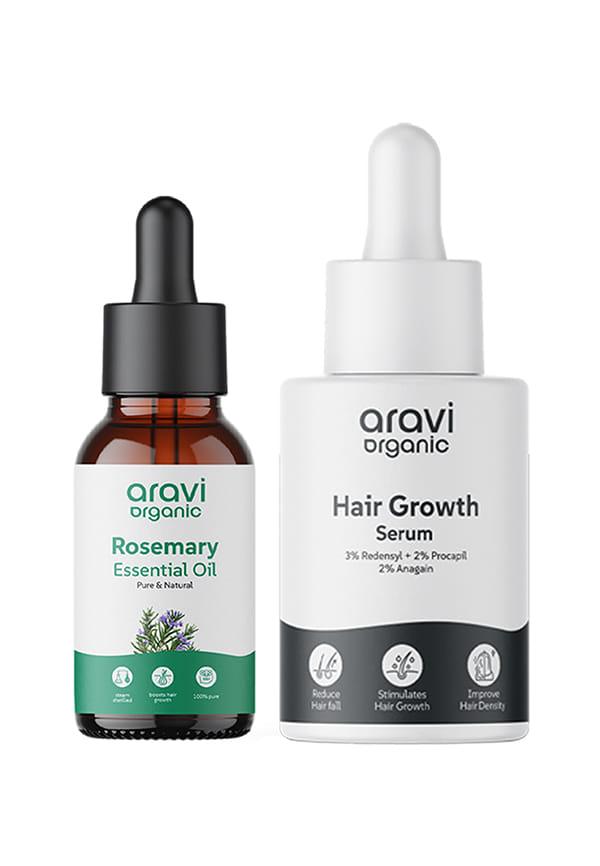 15 ml+30 ml
Rosemary Essential Oil & Hair Growth Serum with Redensyle - Pack Of 2
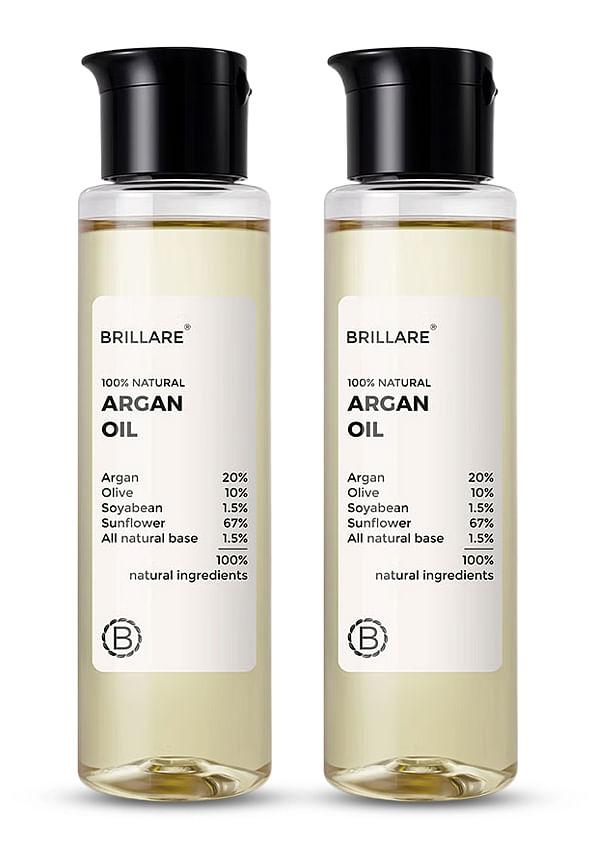 Combo
ComboArgan Oil For Dry, Frizzy Hair| Pack Of 2
Coconut oil's claim to fame lies in its unique molecular structure. The lauric acid in coconut oil has a low molecular weight, allowing it to actually penetrate the hair shaft rather than just sitting on top. This makes it exceptional for preventing protein loss during washing.
Use it as a pre-wash treatment to protect your hair from the harsh effects of shampooing, or apply a tiny amount to damp hair for added moisture and shine. It's particularly brilliant for preventing split ends and reducing breakage.
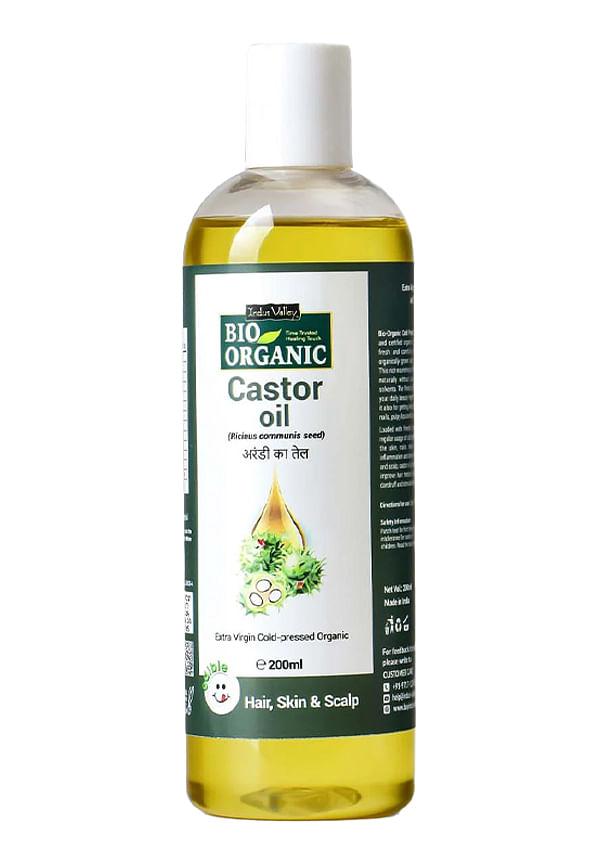
If you want to get hair nutrition oil that's all about building thickness and density, castor oil is your answer. Rich in ricinoleic acid, this viscous oil has anti-inflammatory properties that can help create a healthier scalp environment for hair growth.
Whilst the claims about castor oil dramatically speeding up growth aren't scientifically proven, many users swear by its ability to make hair appear thicker and fuller. It's particularly popular for treating sparse areas like edges and eyebrows.
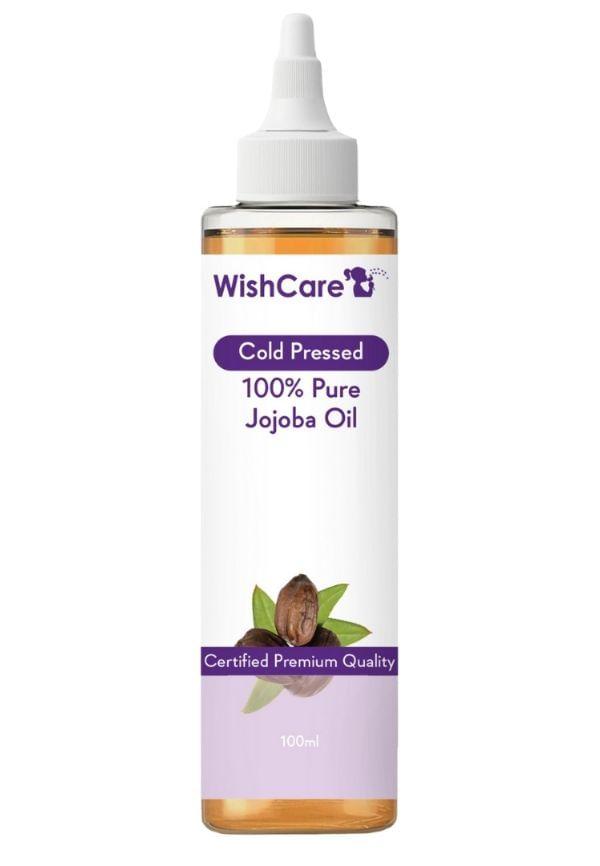
Technically a wax ester rather than an oil, jojoba mimics your scalp's natural sebum production. This makes it perfect for balancing oily scalps without clogging pores or causing buildup. As a scalp oil, it's virtually non-comedogenic and suitable for sensitive skin.
Jojoba's lightweight texture makes it ideal for fine hair that gets weighed down easily. It provides moisture and protection without the heaviness of other oils, making it perfect for daily use or as a leave-in treatment.
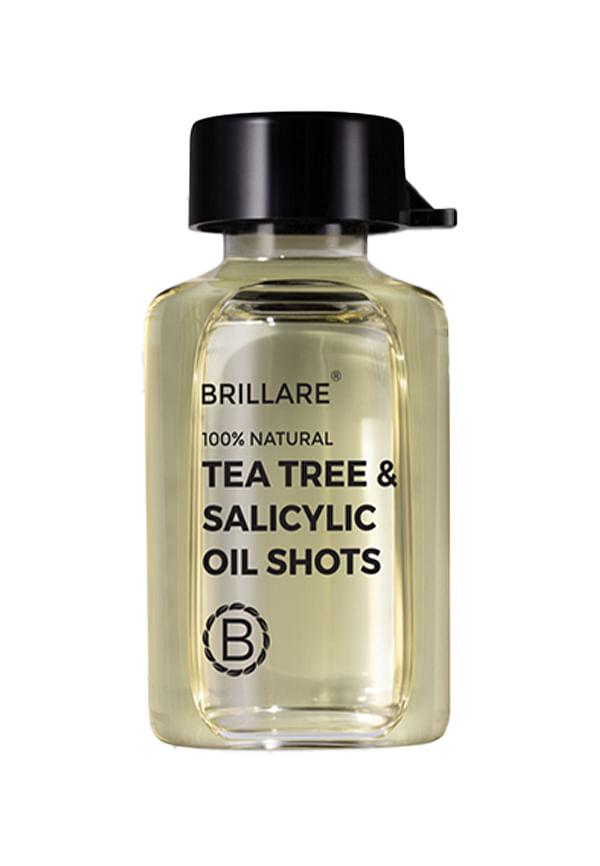
When scalp issues are holding back your hair goals, tea tree oil steps in as the ultimate purifier. Its antimicrobial and anti-inflammatory properties help tackle dandruff, itchy scalp, and product buildup that can clog follicles and impede growth.
Always dilute tea tree oil with a carrier oil—it's potent stuff. A few drops mixed with coconut or jojoba oil creates a powerful scalp treatment that cleanses without stripping natural oils.
That tingly sensation you feel with peppermint oil isn't just refreshing—it's actually increasing blood flow to your scalp. The menthol creates a vasodilation effect, bringing more nutrients to hair follicles and potentially boosting growth.
Studies have shown peppermint oil can increase hair growth more than minoxidil in some cases. Mix a few drops with a carrier oil for an invigorating scalp massage that feels as good as it works.
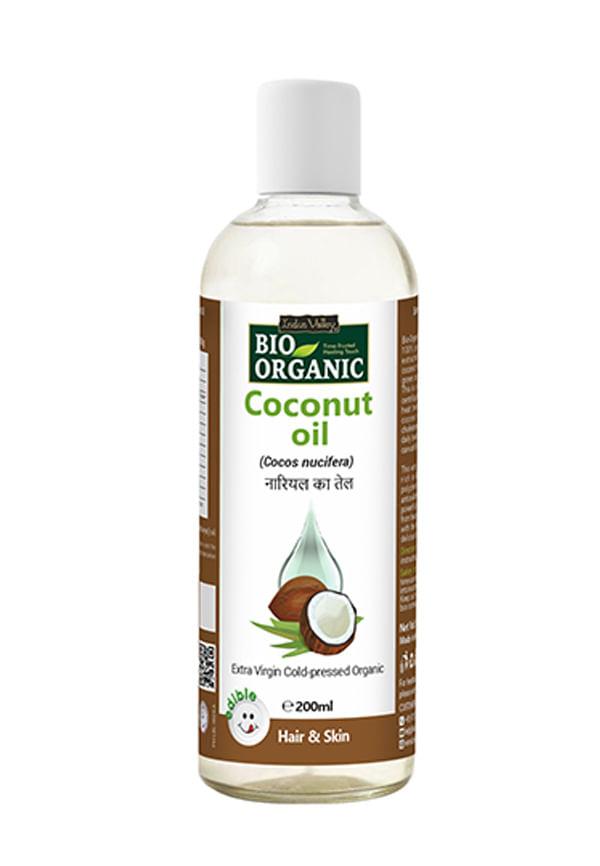 200 ml
Bio Organic Extra Virgin Coconut Oil
 200 ml
Pure & Organic Castor Carrier Oil
Picking the perfect hair growth oil isn't about following trends—it's about understanding what your specific hair type and scalp condition actually need. Fine hair requires different treatment than thick, coarse strands, and an oily scalp has different needs than a dry one.
Start by assessing your hair's porosity. High porosity hair (damaged or chemically treated) absorbs products quickly but loses moisture just as fast. These hair types benefit from heavier oils like coconut or argan that can penetrate deeply and provide lasting moisture. Low porosity hair (healthy, virgin hair) has tightly closed cuticles that resist product absorption, so lighter oils like jojoba or fractionated coconut oil work better.
Your scalp condition matters just as much. If you're dealing with dandruff or irritation, antimicrobial oils like tea tree should be your starting point. For dry, flaky scalps, moisturising oils like argan or jojoba provide relief without aggravating sensitivity. Oily scalps benefit from lightweight, non-comedogenic options that won't add to the greasiness.
Don't forget to patch test any new oil for hair before going all in. Apply a small amount to your inner wrist and wait 24 hours to check for any reaction. When combining oils, start with single ingredients to understand how your hair responds before creating custom blends.
The difference between mediocre and amazing results often comes down to application technique. How you apply your hair treatment oil, when you use it, and how long you leave it on can dramatically impact the benefits you see.
For deep conditioning, apply your chosen oil to dry hair 30 minutes to 2 hours before washing. Section your hair into manageable parts and work the oil through from mid-length to ends, then gently massage into your scalp. This gives the oil time to penetrate whilst protecting your hair from the drying effects of shampooing.
For extra penetration, wrap your oiled hair in a warm towel or use a hair steamer. The gentle heat opens the hair cuticles, allowing the nutrients to penetrate more deeply.
For daily nourishment, apply a few drops of lightweight oil to damp hair, focusing on the ends where damage is typically worst. Jojoba, argan, or fractionated coconut oil work brilliantly for this method without weighing hair down or interfering with styling.
The key is using just enough to provide protection and shine without creating greasiness. Start with 2-3 drops for shoulder-length hair and adjust based on your hair's thickness and porosity.
 100 ml
Pure Cold Pressed Natural Unrefined Jojoba Oil
 200 ml
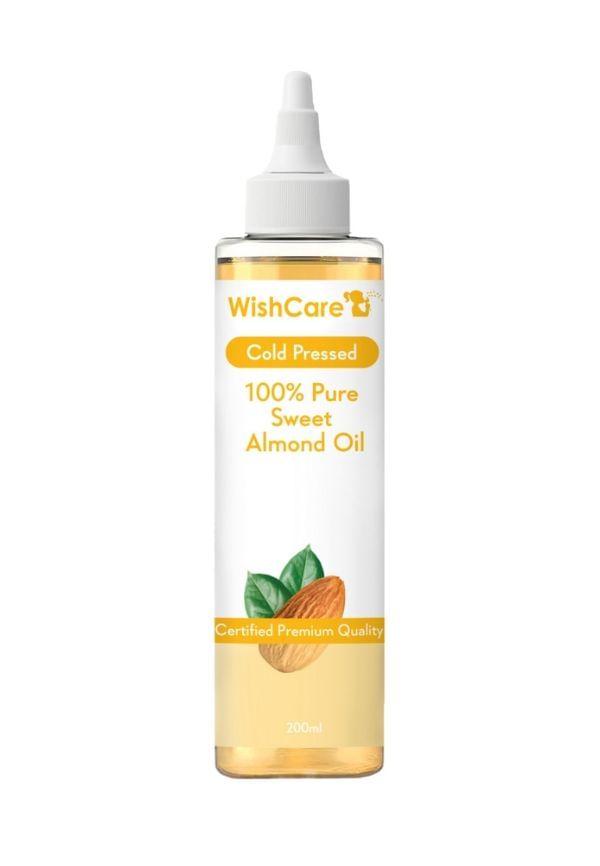
Pure Cold Pressed Sweet Almond Oil
When using oils specifically as scalp oil treatments, proper massage technique amplifies the benefits. Use your fingertips (not nails) to apply gentle pressure in circular motions, working from the hairline back towards the crown. Spend 5-10 minutes massaging to boost circulation and help the oil penetrate.
Tools like scalp massagers or jade rollers can enhance the experience, but your fingers work perfectly well. The goal is stimulation without irritation—firm enough to feel good, gentle enough to avoid damage.
Even the best natural hair oil won't work miracles if you're making these common mistakes. Over-application is probably the biggest culprit—more isn't always better with hair oils. Using too much can weigh hair down, make it look greasy, and actually attract dirt and pollution.
Another major mistake is choosing the wrong oil for your hair type. Heavy oils like castor or olive oil can overwhelm fine hair, whilst lightweight oils might not provide enough nourishment for very dry, damaged hair. Pay attention to how your hair responds and adjust accordingly.
Inadequate cleansing after oil treatments is another results-killer. If you don't properly remove the oil, it can build up on your scalp and hair, leading to dullness and potential scalp issues. Use a clarifying shampoo or double-cleanse when needed.
Inconsistency is the enemy of progress. Using hair oil sporadically won't give you the cumulative benefits that come with regular use. Whether you choose weekly deep treatments or daily light applications, stick to a routine for at least 6-8 weeks to see real changes.
Creating a sustainable hair nutrition routine is about finding the sweet spot between effectiveness and practicality. Start with once or twice weekly treatments and adjust based on your hair's response and your lifestyle demands.
For most people, a weekly deep conditioning treatment with heavier oils like coconut or argan, combined with 2-3 times weekly scalp massages using lighter oils like jojoba or rosemary, provides excellent results without overwhelming your routine.
Seasonal adjustments matter too. Your hair might need more intensive moisture during winter months or lighter treatments during humid summer weather. Pay attention to how environmental changes affect your hair and modify your routine accordingly.
Track your progress with photos and notes about how your hair feels and looks. This helps you identify what's working and when it might be time to switch things up. Remember, hair grows slowly, so patience is key—most people see significant improvements after 2-3 months of consistent use.
If you're exploring different hair nutrition options, platforms like Smytten make it easy to try various products without committing to full sizes. With trial packs from trusted brands, you can discover what works for your unique hair needs before investing in larger quantities.
 8*6 ml
Tea Tree & Salicylic Oil Shots For Dry, Itchy Scalp to Fights Dandruff
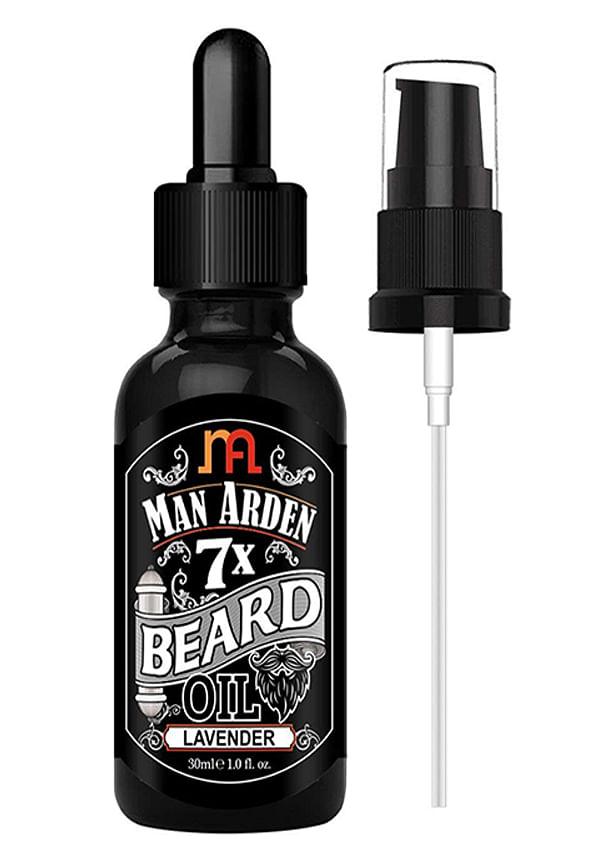 30 ml
30 mlMan Arden 7X Beard Oil (Lavender) - 7 Premium Oils Supports Beard Growth & Nourishment
Rosemary oil has the strongest scientific backing for promoting hair growth, with studies showing it can be as effective as minoxidil. Peppermint oil also shows promising results by increasing circulation to hair follicles. For best results, dilute these essential oils with carrier oils like jojoba or coconut oil.
This depends on your hair type and condition. Fine or oily hair typically benefits from 1-2 weekly treatments, whilst dry or damaged hair can handle daily light applications or 2-3 weekly intensive treatments. Start conservatively and increase frequency if your hair responds well.
Properly used hair oils don't cause hair loss. However, over-application can lead to buildup that clogs follicles, and some people may be allergic to certain oils. Always patch test new products and ensure you're cleansing adequately after oil treatments.
Most people notice improved hair texture and manageability within 2-4 weeks of consistent use. For growth-related benefits, expect to wait 2-3 months since hair grows approximately half an inch per month. Damaged hair may show improvement sooner as oils help repair existing strands.
Not necessarily. Many affordable single-ingredient oils like coconut, jojoba, or argan provide excellent results. However, premium blends may offer convenience and additional beneficial ingredients. Focus on ingredient quality and your hair's specific needs rather than price alone.
Yes, many oils work synergistically when combined. Popular combinations include rosemary with jojoba for growth, or argan with coconut for moisture and protection. Start with small amounts to test how your hair responds before making larger batches.
Finding the right hair nutrition oil is a journey worth taking for stronger, healthier hair. Whether you're dealing with damage, seeking growth, or simply wanting to maintain your hair's natural beauty, there's an oil that can help you reach your goals. The key is understanding your hair's unique needs and being consistent with your chosen routine.
Remember, the best hair oil is the one you'll actually use regularly. Start with one or two oils that appeal to you, give them time to work, and don't be afraid to experiment until you find your perfect match. With patience and the right approach, you'll be well on your way to the strong, nourished hair you've been dreaming of.
