7 Best Hair Growth Serums for Thicker Hair

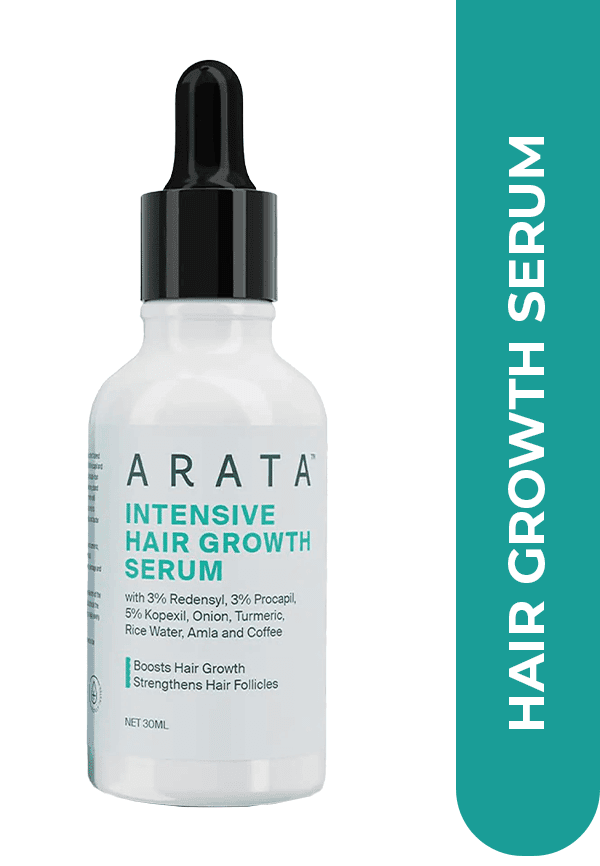 30 ml
30 mlIntensive Hair Growth Serum
Let's be real—watching your hair thin out or fall more than usual can be properly stressful. Whether it's genetics, stress, or just life happening, millions of people worldwide deal with hair loss concerns. The good news? Science has come a long way with hair growth products that actually work. Hair growth serums have become the go-to solution for anyone wanting thicker, stronger hair without the drama of invasive treatments. These targeted formulas work directly on your scalp to wake up sleepy hair follicles and give your strands the boost they need. Ready to discover which best hair growth serums could be your hair's new best friend?
Hair growth serums are concentrated treatments designed to target your scalp and hair follicles directly. Unlike regular shampoos or conditioners that just clean and condition, these serums contain active ingredients that penetrate deep into your scalp to stimulate hair growth from the root.
Your hair grows in cycles—anagen (growth), catagen (transition), and telogen (rest). Hair growth products work by extending the anagen phase and encouraging dormant follicles to start producing hair again. Key ingredients like minoxidil increase blood flow to follicles, while peptides and growth factors signal your scalp to ramp up hair production. The difference between a hair thickening serum and regular hair products? Concentration and targeted delivery. These serums are formulated to actually change how your hair grows, not just how it looks.
A good hair loss treatment serum does more than just promise thicker hair. It improves overall scalp health by reducing inflammation and providing essential nutrients directly to hair follicles. The hair strengthening serum properties help existing hair become more resilient, reducing breakage and making your hair look fuller even before new growth kicks in.
After diving deep into ingredients, clinical studies, and real user experiences, here are the serums that actually deliver on their promises. Each one targets different hair concerns, so you can find your perfect match.
Minoxidil remains the gold standard for hair follicle serum treatments, and for good reason. This FDA-approved ingredient has decades of clinical research backing its effectiveness. It works by widening blood vessels in your scalp, increasing nutrient and oxygen flow to hair follicles. Best for androgenetic alopecia (pattern hair loss), minoxidil serums typically show results within 3-6 months of consistent use. Apply twice daily to clean, dry scalp and massage gently for better absorption.
Redensyl is the new kid on the block that's making serious waves in hair growth research. This peptide complex targets stem cells in hair follicles, essentially giving them a wake-up call to start producing hair again. Clinical studies show it can be more effective than minoxidil for improving hair density. This hair strengthening serum is perfect for anyone dealing with thinning hair who wants cutting-edge technology in their routine.
For those who prefer gentler approaches, natural hair growth serum options with rosemary, caffeine, and saw palmetto offer impressive results without harsh chemicals. Rosemary oil has been shown to be as effective as minoxidil in some studies, while caffeine stimulates blood circulation. These serums work brilliantly for sensitive scalps and can be used alongside other treatments without irritation.
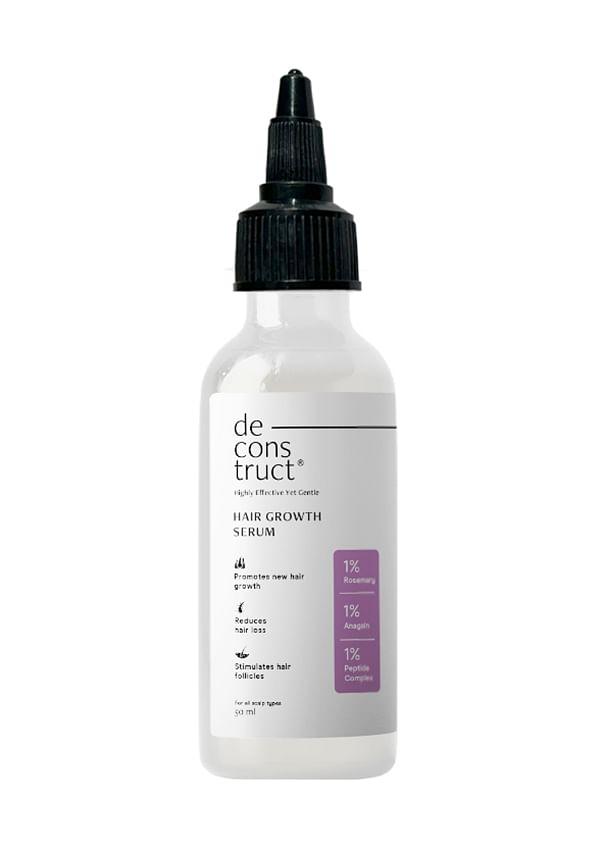 50 ml
50 mlHair Growth Serum
Copper peptides are anti-ageing superstars that work wonders for hair growth too. This scalp serum stimulates collagen production and reduces inflammation, creating the perfect environment for healthy hair growth. It's particularly effective for mature hair concerns where age-related changes affect hair quality and growth rate. The anti-inflammatory properties make it suitable for scalps dealing with conditions like seborrheic dermatitis.
Niacinamide (vitamin B3) improves circulation and helps deliver nutrients more effectively to hair follicles. This ingredient works brilliantly in combination with other actives, making it a smart choice for comprehensive hair care routines. It's gentle enough for daily use and helps maintain overall scalp health while supporting hair growth.
This protein-powered approach focuses on strengthening existing hair while supporting new growth. Biotin supports the production of keratin, your hair's main structural protein, while keratin peptides help repair and strengthen damaged hair shafts. Perfect for brittle, weak hair that breaks easily, this best hair serum combination provides both immediate strengthening benefits and long-term growth support.
Adenosine works by providing energy directly to hair follicles through ATP production. This Japanese skincare technology has shown impressive results in clinical trials, particularly for people with slow-growing hair. It's gentle, effective, and works well in combination with other growth-promoting ingredients.
While hair loss affects everyone, the causes and solutions can vary significantly between genders. Understanding these differences helps you choose the most effective treatment approach.
Hair growth for women is heavily influenced by oestrogen levels, which naturally decline with age and can fluctuate due to pregnancy, menopause, or hormonal conditions. Women often experience diffuse thinning across the entire scalp rather than specific pattern baldness. Hair growth for men is typically driven by DHT (dihydrotestosterone) sensitivity, leading to the classic receding hairline and crown thinning pattern. This means men often need higher concentrations of DHT-blocking ingredients.
Many brands now create gender-specific formulations. Women's serums often include ingredients that support hormonal balance and address concerns like postpartum hair loss. Men's formulas typically contain higher concentrations of DHT blockers and circulation boosters. However, many effective serums work well for both genders—it's more about matching the active ingredients to your specific type of hair loss.
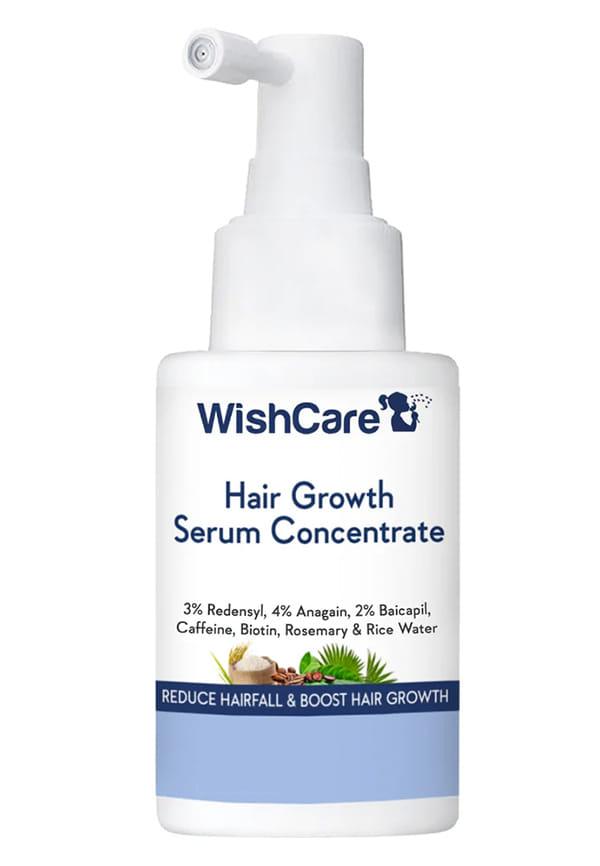 30 ml
30 mlHair Growth Serum Concentrate
With so many options available, picking the right serum can feel overwhelming. Here's how to narrow down your choices based on your specific needs and hair type.
First, figure out what type of hair loss you're dealing with. Is it genetic (runs in your family), stress-related, or due to environmental factors? Are you losing hair all over or in specific areas? Your scalp condition matters too—oily, dry, or sensitive scalps may react differently to various ingredients. Fine hair often benefits from lightweight serums that won't weigh it down, while thick hair can handle richer formulations.
Not all hair growth serums are created equal. Look for active ingredients with proven track records—minoxidil, peptides, growth factors, or natural extracts with clinical backing. Pay attention to concentration percentages; higher isn't always better, especially for sensitive scalps. Avoid serums loaded with alcohol, sulphates, or synthetic fragrances that can irritate your scalp and counteract the benefits.
Effective hair growth serums range from affordable drugstore options to premium formulations. While expensive doesn't always mean better, investing in quality ingredients often pays off in results. Consider the cost per application and how long a bottle lasts. Sometimes a pricier serum that lasts longer offers better value than cheaper options you need to replace frequently.
Even the best serum won't work if you're not using it correctly. Proper application technique can make the difference between mediocre and amazing results.
Start with a clean, dry scalp for maximum absorption. Part your hair in sections and apply the serum directly to your scalp, not your hair strands. Use gentle circular motions to massage it in—this improves blood circulation and helps the product penetrate deeper. Most serums work best when applied twice daily, but always follow the specific instructions for your chosen product.
Layering different treatments can boost results, but timing matters. Apply lighter serums first, followed by heavier treatments. Avoid mixing retinoids with vitamin C or using multiple exfoliating ingredients together. A simple routine might include a growth serum in the morning and a nourishing scalp oil at night. Always patch test new combinations to avoid irritation.
Hair growth is a slow process—your hair only grows about half an inch per month naturally. Most people start seeing initial results around 8-12 weeks, with significant improvement by 6 months. Take progress photos and be patient. Consistency is key; skipping applications will slow your results. Some people notice reduced hair fall before seeing new growth, which is still a win.
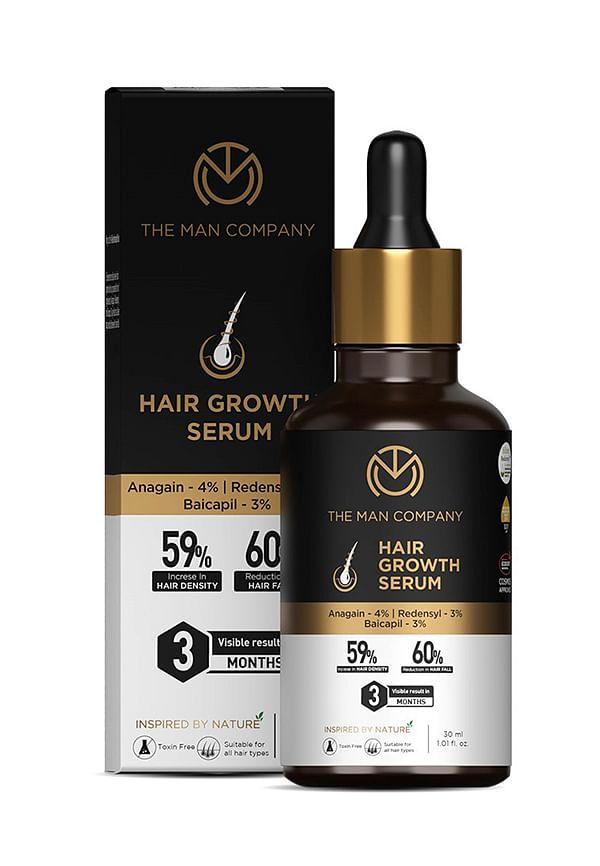 30 ml
30 mlHair Growth Serum
The best hair growth serums contain clinically proven ingredients like minoxidil, peptides, or natural extracts with research backing. Minoxidil-based serums have the most extensive clinical evidence, while newer peptide formulations show promising results. The best choice depends on your specific hair loss type, scalp sensitivity, and personal preferences. Consulting with a dermatologist can help identify the most suitable option for your individual needs.
Effectiveness varies based on the cause of your hair loss and your individual response to ingredients. Minoxidil has the strongest clinical evidence for androgenetic alopecia, while peptide-based serums like Redensyl show impressive results for hair density. Natural options with rosemary or caffeine can be surprisingly effective for mild to moderate hair loss. The most effective serum is one you'll use consistently with ingredients that target your specific concerns.
No serum can make your hair grow faster than its natural rate, but they can optimise conditions for healthy growth and reduce hair loss. Serums with circulation-boosting ingredients like caffeine or niacinamide can help deliver nutrients more efficiently to follicles. The key is creating an environment where your hair can reach its full growth potential rather than trying to speed up the natural process.
Minoxidil remains the most successful hair growth ingredient with decades of clinical research and FDA approval. However, success depends on consistent use and realistic expectations. Newer ingredients like Redensyl and copper peptides show promising results in clinical trials. The most successful approach often combines multiple strategies—a good serum, proper scalp care, and addressing underlying causes of hair loss.
Most hair growth serums are well-tolerated, but some people may experience scalp irritation, dryness, or initial increased shedding. Minoxidil can cause temporary scalp irritation in sensitive individuals. Always patch test new products and start with lower concentrations if you have sensitive skin. If you experience persistent irritation or unusual symptoms, discontinue use and consult a dermatologist.
Most people notice initial changes around 8-12 weeks, with significant improvement by 6 months of consistent use. You might first notice reduced hair fall before seeing new growth. Hair growth is naturally slow, so patience is essential. Taking progress photos can help track subtle changes that might not be immediately obvious in daily mirror checks.
Finding the right hair growth serum is a bit like finding the perfect skincare routine—it takes some experimentation to discover what works for your unique needs. The best hair growth serums combine proven ingredients with consistent application and realistic expectations. Whether you opt for tried-and-tested minoxidil or explore newer peptide technologies, the key is sticking with your chosen routine long enough to see results. Remember, hair growth is a marathon, not a sprint. While you're on your journey to thicker, healthier hair, platforms like Smytten make it easier to explore different hair growth products without the commitment of full-size purchases. With over 1,500 trusted brands and the ability to try products through curated trial packs, you can discover what works for your hair without the guesswork. After all, why settle for maybe when you can try it all and find your perfect hair growth solution?
