7 Best Hair Fall Treatments for Stronger Hair


Let's be real—watching your hair fall out can feel like watching your confidence disappear strand by strand. If you're one of the millions dealing with hair thinning, you're definitely not alone. Studies show that about 80% of men and 50% of women experience significant hair loss at some point in their lives. The good news? There are actually proven best hair fall treatments that can help you get back to having stronger, healthier hair. From scientifically-backed medications to natural remedies that actually work, we've rounded up seven treatments that could be your hair's new best friends. Ready to discover what might just become your next fave solution?
Before diving into solutions, it's worth understanding what's actually happening up there. Hair loss isn't just about bad genes (though they do play a part). There's usually a mix of factors at work, and knowing yours can help you pick the right treatment.
 250 ml
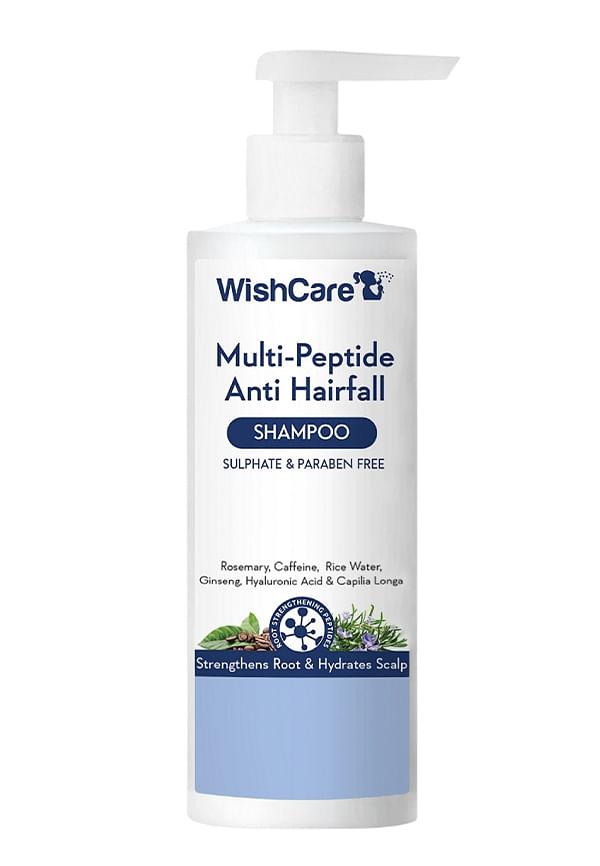
Multi Peptide Rice Water Anti Hairfall Shampoo - Rosemary, Capilia Longa, HA & Caffeine
Androgenetic alopecia—fancy name for pattern baldness—is the biggest player here. It affects both men and women, just in different ways. For guys, it's usually that classic receding hairline and crown thinning. For women, it's more about overall thinning, especially at the top. Hormonal changes are another major factor. Think pregnancy, menopause, or thyroid issues. Your hair follicles are surprisingly sensitive to hormone fluctuations, and when things get out of balance, your hair often pays the price. Stress is a real hair killer too. Whether it's physical stress from illness or emotional stress from life being life, your hair follicles can basically go into hibernation mode. Add in nutritional deficiencies, certain medications, and harsh styling habits, and you've got a recipe for hair thinning solutions becoming a necessity rather than a luxury.
Here's something that might surprise you—losing 50 to 100 hairs a day is totally normal. Your hair has a natural growth cycle, and some shedding is just part of the process. But if you're noticing more hair in your brush, on your pillow, or going down the drain, it might be time to take action. Other warning signs include a widening part, visible scalp, or that dreaded handful of hair when you run your fingers through it.
 50 g
50 gOnion & Rosemary Anti Hairfall Scalp Serum
Now for the good stuff—treatments that actually work. These aren't just trending on social media; they're backed by real science and real results.
Minoxidil is probably the most well-known hair regrowth treatment out there, and for good reason. Originally developed as a blood pressure medication, researchers noticed an interesting side effect—hair growth. Now it's available over-the-counter as a topical solution or foam. How it works is pretty clever. Minoxidil increases blood flow to your hair follicles, essentially giving them more nutrients and oxygen to work with. It also extends the growth phase of your hair cycle, meaning each strand stays around longer. The results speak for themselves. Clinical studies show that about 30-40% of people see significant regrowth, while most others at least stop further hair loss. You'll need to be patient though—it typically takes 3-6 months to see real changes, and you'll need to keep using it to maintain results.
 630 gm
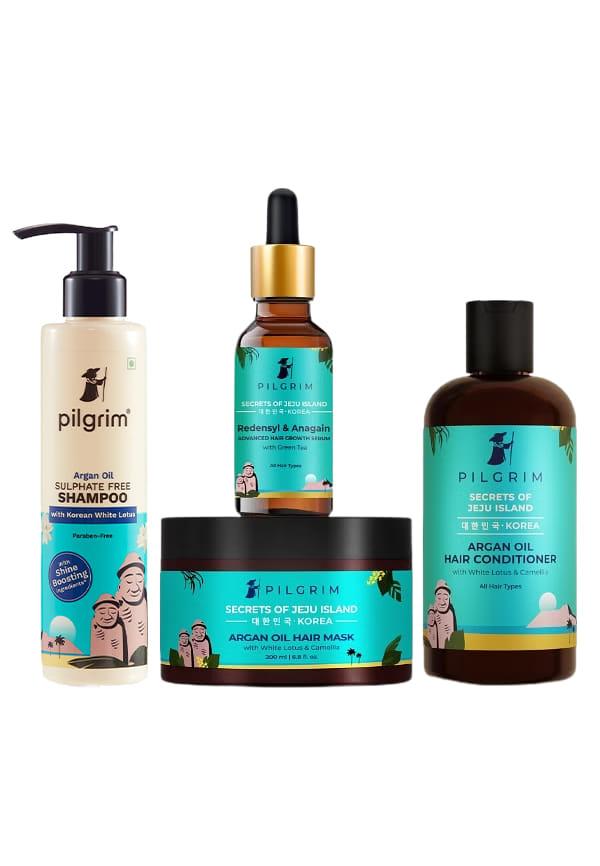
Ultimate Hair Care Kit | Reduces Hairfall Stimulates Growth
Finasteride works differently than minoxidil—it tackles the root cause of male pattern baldness by blocking DHT (dihydrotestosterone), the hormone that shrinks hair follicles. This prescription medication is specifically for men and has some impressive success rates. Studies show that about 80% of men who take finasteride stop losing hair, and about 65% actually see some regrowth. The catch? It's a daily pill, and you need to keep taking it to maintain benefits. Also, it's not suitable for women, especially those who might become pregnant.
Platelet-Rich Plasma therapy sounds futuristic, but it's actually a well-established treatment. The process involves drawing your blood, spinning it in a centrifuge to concentrate the platelets, then injecting this platelet-rich plasma into your scalp. The platelets contain growth factors that can stimulate hair follicles and promote healing. It's considered very safe since you're using your own blood, and studies show promising results for both men and women. Most people need 3-4 sessions spaced a month apart, followed by maintenance treatments.
 200 gm
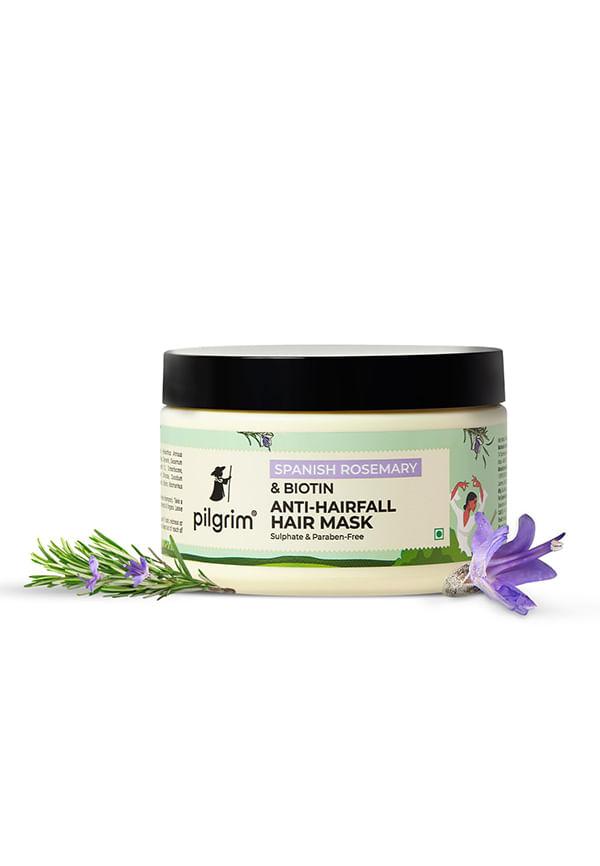
Spanish Rosemary ANTI-HAIRFALL HAIR MASK
When other treatments aren't cutting it, hair transplants offer a more permanent solution. Modern techniques like FUE (Follicular Unit Extraction) are much more refined than the old "hair plug" methods you might have heard horror stories about. The procedure involves taking hair follicles from areas where you still have good growth (usually the back of your head) and transplanting them to thinning areas. The transplanted hair keeps the characteristics of where it came from, so it should continue growing normally. Results can be really impressive, but it's definitely an investment—both financially and time-wise. You'll need to research surgeons carefully and have realistic expectations about the process.
Low-level laser therapy uses specific wavelengths of light to stimulate hair follicles. You can find everything from handheld devices to caps and helmets designed for at-home use, or get professional treatments at clinics. The science suggests that the light energy helps improve cellular metabolism in hair follicles, potentially leading to stronger, thicker hair. While results vary, many people find it a convenient addition to other treatments.
 Combo
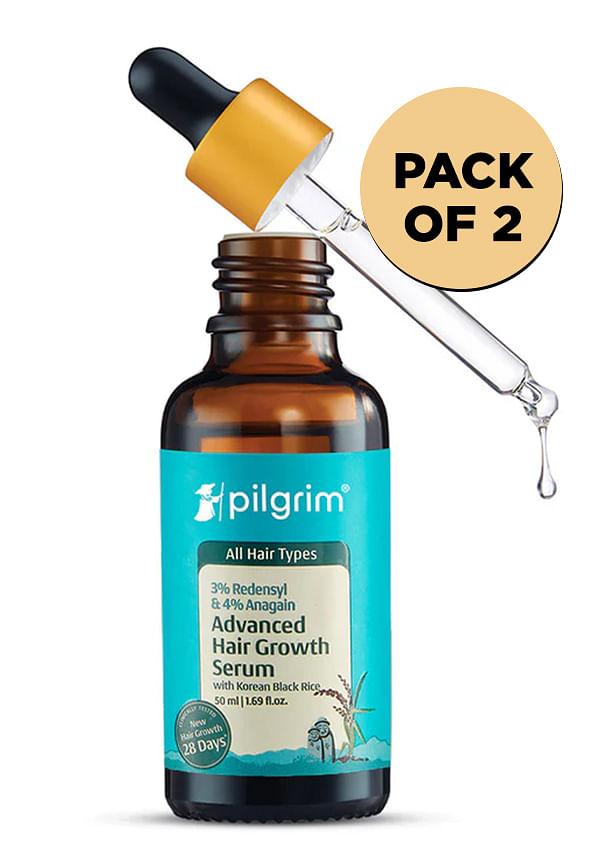
ComboHair Growth Serum With Redensyl & Anagain For Hair Fall Control
While shampoo alone won't cure hair loss, the right formula can definitely support your hair fall control efforts. Look for ingredients like ketoconazole (which has anti-DHT properties), biotin for strengthening, and caffeine for stimulation. Hair strengthening products with ingredients like peptides, vitamins, and botanical extracts can help create a healthier scalp environment. The key is consistency—these work best as part of a daily routine rather than quick fixes. This is where platforms like Smytten become incredibly useful. Instead of committing to full-size bottles of products you're not sure about, you can try mini versions first. With over 1,500 trusted brands available, you can explore different formulations to find what works for your specific hair type and concerns.
If you're more into natural hair loss treatment options, there are some genuinely promising plant-based solutions. Rosemary oil has shown results comparable to minoxidil in some studies—just massage a few drops into your scalp regularly. Saw palmetto is another natural DHT blocker that's available as both topical treatments and supplements. Pumpkin seed oil has also shown promise in small studies for improving hair thickness. While natural doesn't always mean less effective, it often means slower results. These treatments work best when you're patient and consistent with application.
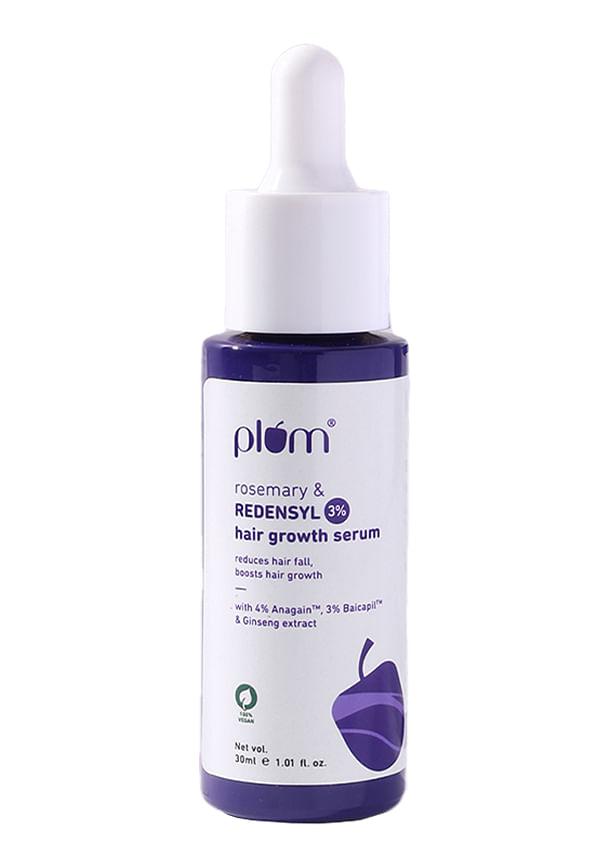 30 ml
30 mlHair Growth Serum | With Rosemary, 3% Redensyl, 4% Anagain, 3% Baicapil, & Ginseng Extract
Choosing from all these options can feel overwhelming, but the right choice depends on several factors specific to your situation.
Early intervention usually gives better results across all treatments. If you're just starting to notice thinning, you might have success with topical treatments or natural remedies. More advanced hair loss might require stronger interventions like prescription medications or procedures. The Norwood scale for men and Ludwig scale for women can help you assess where you stand. When in doubt, a dermatologist or trichologist can give you a professional assessment.
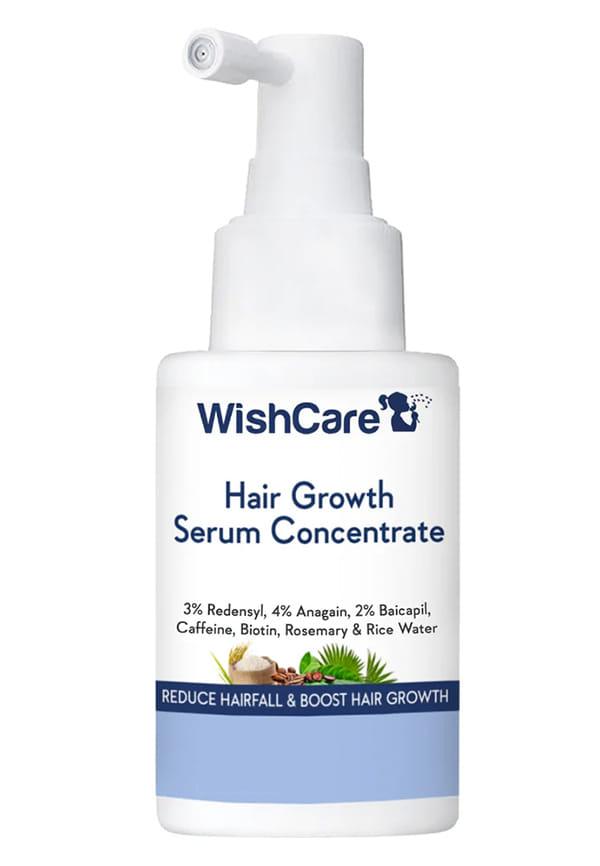 30 ml
30 mlHair Growth Serum Concentrate
Treatments range from affordable drugstore options to significant investments. Daily topical treatments require consistency, while procedures might need time off work for recovery. Think about what you can realistically commit to long-term. Many people find success with combination approaches—maybe a prescription treatment as the foundation with supportive products for daily care. This is where being able to try products before committing becomes really valuable.
Whatever treatment you choose, supporting it with good hair fall prevention habits can make a real difference.
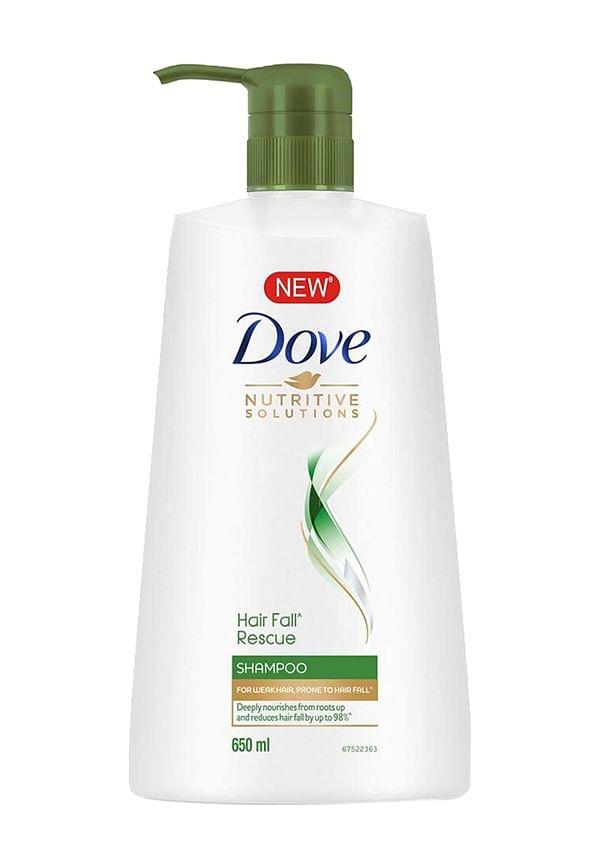 650 ml
Hair Fall Rescue Shampoo
Be kind to your hair while it's recovering. Use lukewarm water instead of hot, avoid aggressive towel drying, and limit heat styling. When you do use heat tools, always use a protectant. Choose the best shampoo for hair fall that's sulphate-free and designed for your hair type. Washing every other day is usually plenty—overwashing can actually stress your scalp.
Your hair needs protein, iron, vitamins D and B12, and omega-3 fatty acids to grow strong. If your diet isn't covering all bases, supplements might help, but check with a healthcare provider first. Stress management isn't just good for your mental health—it's crucial for your hair too. Regular exercise, adequate sleep, and stress-reduction techniques can all support your hair growth efforts.
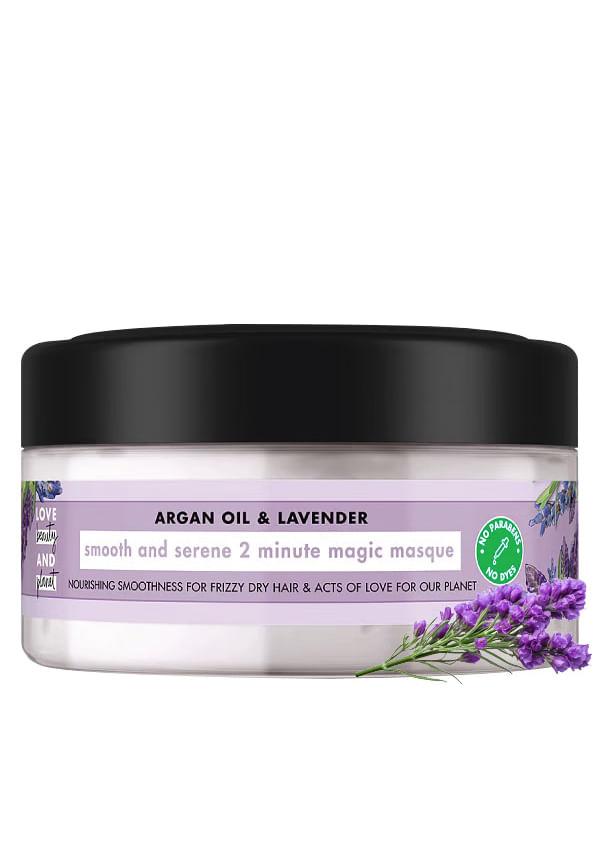 200 ml
Argan Oil & Lavender Hair Mask
Minoxidil typically shows the quickest results, with some people noticing reduced shedding within 4-6 weeks. However, visible regrowth usually takes 3-6 months with any treatment. Prescription medications like finasteride can halt further loss relatively quickly but regrowth takes time.
Yes, some natural treatments have scientific backing. Rosemary oil has shown results comparable to 2% minoxidil in studies. Saw palmetto and pumpkin seed oil also have research support. However, natural treatments typically work slower than pharmaceutical options and work best for mild to moderate hair loss.
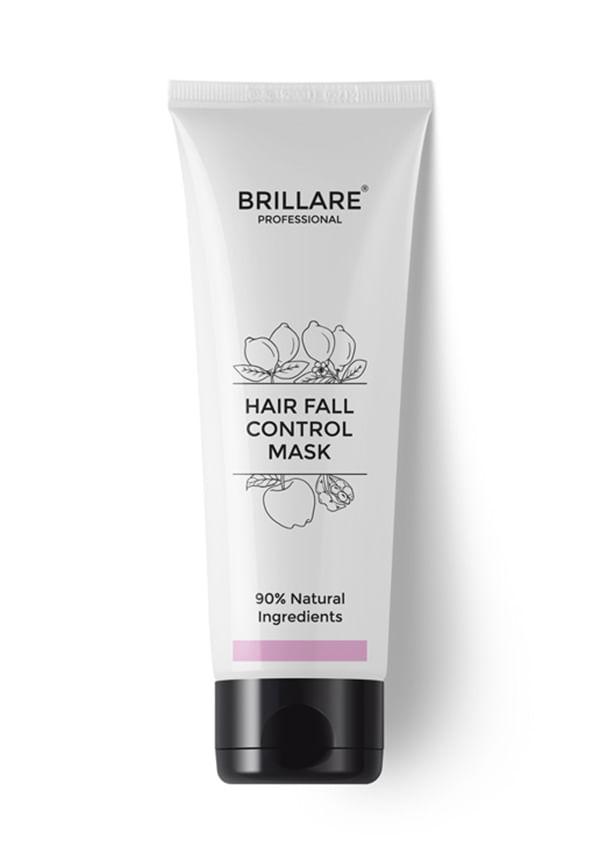 125 ml
Hair Fall Control Mask To Reduce Seasonal Hair Fall
This is above the normal range of 50-100 hairs daily and could indicate excessive shedding. If this continues for several weeks, it's worth consulting a healthcare provider to rule out underlying causes and discuss treatment options.
Yes, women often respond differently to treatments. Female pattern hair loss typically involves overall thinning rather than distinct bald spots, and hormonal factors play a bigger role. Some treatments like finasteride aren't suitable for women, while others like minoxidil work well for both genders.
Most hair treatments need at least 3-6 months to show meaningful results, as this aligns with natural hair growth cycles. Some people see initial improvements in hair texture or reduced shedding sooner, but visible regrowth takes patience.
Finding the right hair fall treatment is often about patience, consistency, and sometimes trying a few different approaches. The best hair fall treatments are the ones that fit your lifestyle, budget, and specific type of hair loss. Whether you go for proven pharmaceuticals, natural remedies, or a combination approach, the key is starting early and sticking with it. Remember, hair growth is a slow process, and what works amazingly for your friend might not be your perfect match. This is where having access to trial sizes becomes incredibly valuable—you can test different products and formulations without the commitment of full-size purchases. With platforms offering curated trial packs from trusted brands, you can explore various hair strengthening products and find your perfect routine without the guesswork. After all, why settle for maybe when you can try it all and find what actually works for your hair?
