7 Best Dry Scalp Oils for Winter Hair Care


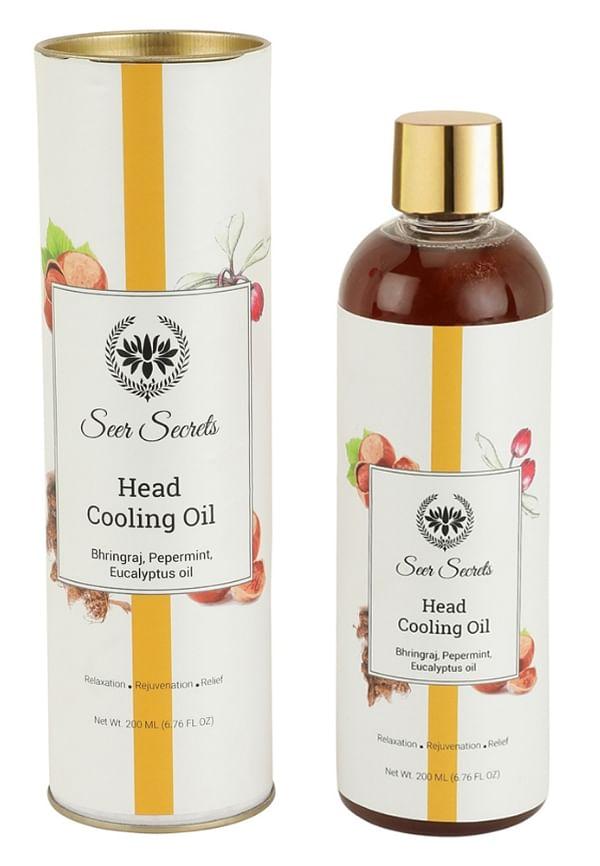 200 ml
Head Cooling Oil
Winter's here, and your scalp is probably sending you some not-so-subtle signals. That persistent itch, those annoying flakes on your favourite black jumper, and that tight feeling like your scalp's been shrink-wrapped? Yeah, we've all been there. Cold weather is basically your scalp's nemesis, stripping away moisture faster than you can say "central heating." But here's the thing—the right dry scalp oils for women in winter climates can be absolute game-changers. Think of them as your scalp's winter coat, protecting and nourishing when the weather gets rough. Let's dive into the seven oils that'll have your scalp feeling happy and hydrated all season long.
Real talk: winter is tough on your scalp, and it's not just in your head. The combination of freezing outdoor air and cranked-up indoor heating creates the perfect storm for scalp drama. Cold air holds way less moisture than warm air—we're talking about humidity levels that can drop to as low as 10% during winter months. Your scalp, which normally maintains a delicate moisture balance, suddenly finds itself in survival mode.
Here's what's actually happening up there. Your scalp's natural barrier function starts breaking down when exposed to these harsh conditions. The lipid layer that usually keeps moisture in and irritants out becomes compromised. Add in the fact that we tend to take hotter showers in winter (guilty as charged), and you're basically double-dosing the moisture depletion. Winter haircare tips often focus on the hair itself, but your scalp deserves just as much attention—if not more.
Women's scalps can be particularly sensitive to these changes due to hormonal fluctuations and often more frequent hair washing routines. The result? That familiar trio of winter scalp woes: itching, flaking, and an overall feeling of tightness that makes you want to scratch constantly. Sound familiar? You're definitely not alone in this struggle.
Before we jump into our top picks, let's get a bit nerdy about why oils work so brilliantly for scalp hydration. Unlike water-based moisturisers that sit on the surface, oils have this amazing ability to actually penetrate the scalp barrier. It's all about molecular structure—the smaller the molecules, the deeper they can go.
Natural scalp oils don't just add moisture; they help repair the barrier function that winter weather loves to mess with. Many of these oils contain fatty acids that are structurally similar to the lipids naturally found in your scalp. It's like giving your scalp the building blocks it needs to repair itself. Plus, loads of these oils come packed with anti-inflammatory compounds that calm down irritation and reduce that maddening itch.
The absorption rate varies between different oils, which is why some feel lighter while others provide more intensive treatment. This is actually brilliant because it means you can choose based on your specific needs and how your scalp feels on any given day.
Right, let's get to the good stuff. These seven hair oils for dry scalp have earned their spots through a combination of science-backed benefits and real-world results. Each one brings something unique to the table, so you can find your perfect match.
Jojoba oil is basically the overachiever of the oil world. Technically, it's not even an oil—it's a liquid wax that mimics your scalp's natural sebum almost perfectly. This means it won't clog pores or leave you feeling greasy, making it ideal for anyone worried about buildup.
Apply it warm (pop the bottle in a bowl of hot water for a few minutes) and massage gently into your scalp 2-3 times a week. It absorbs beautifully and works for pretty much every hair type.
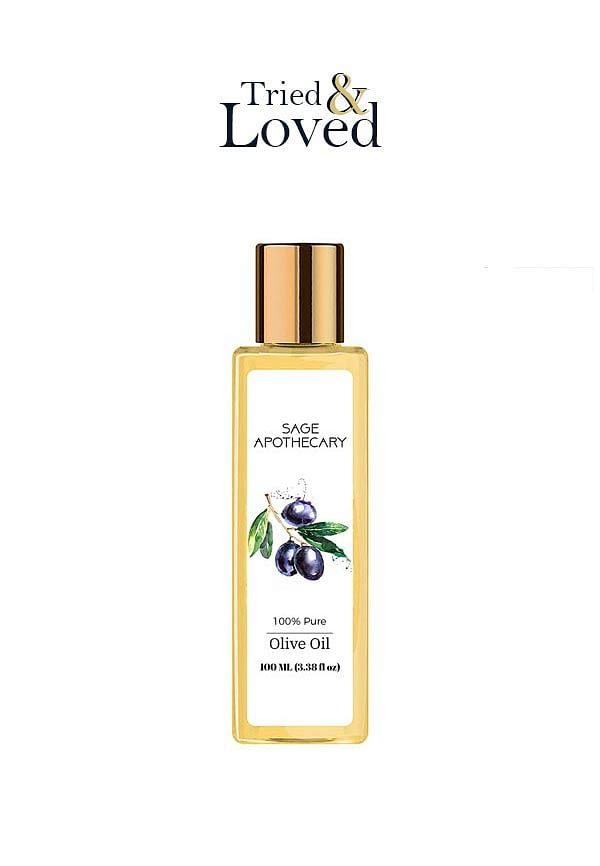 100 ml
Olive Oil for Hair
Coconut oil doesn't mess about when it comes to dry scalp treatment. Its antimicrobial properties mean it's not just moisturising—it's actively fighting off the bacteria and fungi that can make scalp issues worse. The lauric acid in coconut oil penetrates the hair shaft better than most other oils.
Fair warning: coconut oil solidifies in cold weather, so you'll need to warm it up before use. It's quite rich, so start with small amounts and see how your scalp responds.
Argan oil is like a vitamin shot for your scalp. Packed with vitamin E and essential fatty acids, it's particularly good for repairing damage caused by harsh winter conditions. It's lighter than coconut oil but still deeply nourishing, making it perfect for regular use.
This one's brilliant for sensitive scalps that react badly to heavier oils. You can even use it as a leave-in treatment on the lengths of your hair while treating your scalp.
If you're new to oil treatments or have particularly sensitive skin, sweet almond oil is your friend. It's hypoallergenic and incredibly gentle, yet still effective at providing the moisture your scalp craves. Rich in omega-3 fatty acids, it helps strengthen the scalp barrier without any drama.
This is also one of the more affordable options, making it perfect for regular use throughout the winter months.
Tea tree oil is the superhero when it comes to itchy scalp remedies. Its anti-inflammatory and antimicrobial properties make it incredibly effective for calming irritated scalps. However, this one comes with a crucial caveat: never use it undiluted.
Mix 2-3 drops with a carrier oil like jojoba or sweet almond oil. The tingling sensation you'll feel is normal, but if it becomes uncomfortable, wash it out immediately and use less next time.
Don't underestimate the humble olive oil sitting in your kitchen. Extra virgin olive oil is loaded with antioxidants and has been used for scalp care for centuries. It's particularly good for very dry, flaky scalps that need some serious moisture intervention.
Warm it slightly and massage it in, then wrap your hair in a warm towel for 20-30 minutes before washing. It's heavier than some other oils, so you might need to shampoo twice to remove it completely.
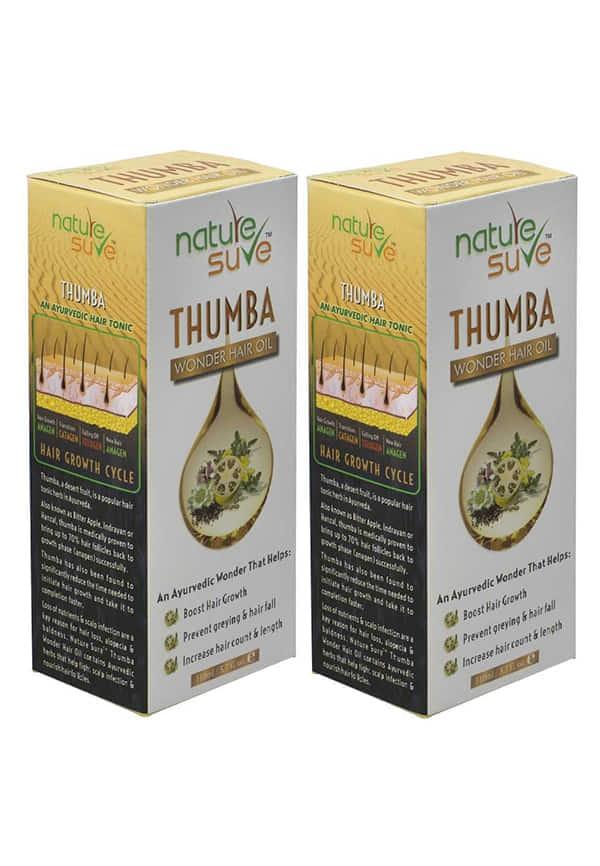 Pack of 2
Thumba Wonder Hair Oil for Men and Women
Avocado oil is the heavy-duty option for seriously compromised scalps. It penetrates deeper than most other oils and is packed with vitamins A, D, and E. If your scalp feels like the Sahara desert, this is your go-to.
It's quite rich, so use it as a weekly intensive treatment rather than daily. Your scalp will thank you for the deep nourishment, especially during the harshest winter months.
Getting the application right can make the difference between amazing results and a greasy mess. Start with clean, slightly damp hair—this helps the oil spread more evenly and penetrate better. Scalp moisturising oils work best when they're warmed slightly, so pop your chosen oil in a small bowl and place it in warm water for a few minutes.
Section your hair and apply the oil directly to your scalp using your fingertips or a dropper bottle. Don't dump it all in one spot—work in sections and massage gently in circular motions. This isn't just about getting the oil on your scalp; the massage action improves circulation, which helps with absorption and overall scalp health.
Timing matters too. For lighter oils like jojoba or argan, you can leave them on for 30 minutes to an hour. Heavier oils like coconut or avocado benefit from longer treatment times—think 2-3 hours or even overnight if your scalp is really struggling. Just pop on a silk scarf or use an old pillowcase to protect your bedding.
While oils are brilliant, they work best as part of a comprehensive approach to women's haircare during winter. Your environment plays a huge role in scalp health, so consider investing in a humidifier for your bedroom. Aim for humidity levels between 30-50% to keep your scalp comfortable.
Adjust your washing routine too. You might need to wash less frequently in winter to avoid stripping natural oils, but when you do wash, use lukewarm water instead of hot. Your scalp will appreciate the gentler approach. Also, consider protective styling when you're out in harsh weather—a silk-lined hat can protect both your hair and scalp from the elements.
Don't forget about nutrition either. Omega-3 fatty acids, found in fish, walnuts, and flaxseeds, support scalp health from the inside out. Staying hydrated is crucial too, even when it's cold outside.
Sometimes your scalp needs a bit more than just oil to feel its best. Itchy scalp remedies often work better when you combine treatments strategically. For instance, gentle exfoliation before applying oil can help remove dead skin cells and improve absorption. Try mixing a tiny bit of brown sugar with your chosen oil for a gentle scrub—just don't go overboard.
Aloe vera gel mixed with a few drops of oil creates a soothing treatment that's particularly good for inflamed scalps. Honey is another brilliant addition—its antimicrobial properties complement oils beautifully, and it adds extra moisture.
If you're using any medicated shampoos or treatments, apply your oil treatment on different days to avoid any potential interactions. Building a routine that gives your scalp consistent care is more effective than sporadic intensive treatments.
When exploring different dry scalp relief options, platforms like Smytten make it easier to try various hair oils and treatments without committing to full-size products. With trial packs from trusted brands, you can discover which oils work best for your specific scalp needs before investing in larger bottles.
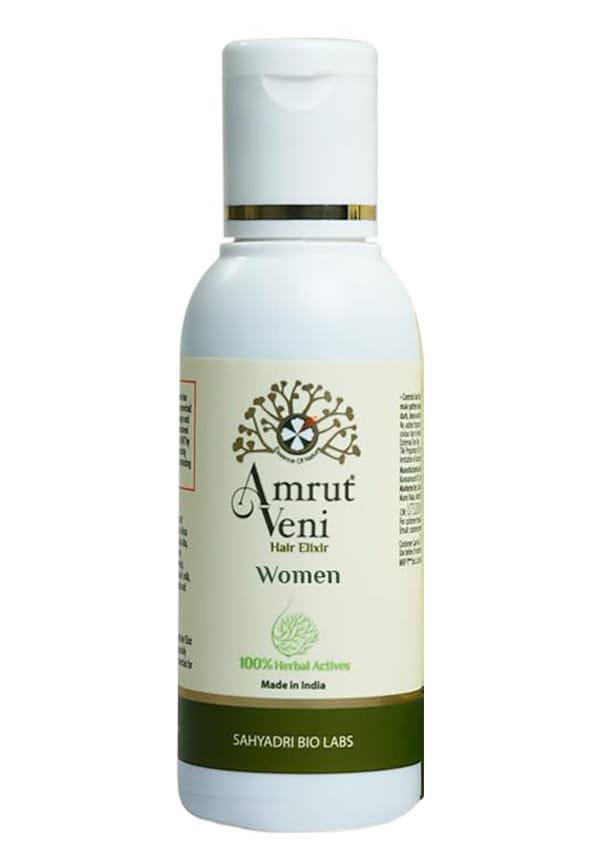 50 ml
50 mlHair Elixir Women
Jojoba, coconut, and argan oils are top choices for winter scalp care. Jojoba mimics natural sebum and won't clog pores, while coconut oil provides deep moisture and antimicrobial benefits. Argan oil offers antioxidant protection with a lighter feel. Choose based on your scalp's sensitivity and moisture needs.
A combination approach works best: regular oil treatments, using a humidifier indoors, washing with lukewarm water, and reducing shampoo frequency. Gentle scalp massage improves circulation, while staying hydrated and eating omega-3 rich foods supports scalp health from within.
Jojoba oil remains liquid even in cold temperatures because it's technically a liquid wax. Argan and sweet almond oils also stay fluid in most winter conditions. Coconut oil solidifies below 24°C, so you'll need to warm it before use during colder months.
For most people, 2-3 times per week works well. If your scalp is severely dry, you might benefit from daily light applications of jojoba or argan oil. Watch for signs of over-oiling like greasiness or buildup, and adjust frequency accordingly.
Absolutely! Mixing oils can give you customised benefits. Try combining jojoba (for balance) with a few drops of tea tree (for anti-inflammatory effects), or mix argan with sweet almond for gentle nourishment. Start with equal parts and adjust ratios based on your scalp's response.
Daily use is generally safe with lighter oils like jojoba or argan, but watch for buildup, clogged follicles, or increased greasiness. Some people may experience allergic reactions—always patch test new oils first. If you notice increased hair fall or scalp irritation, reduce frequency or switch oils.
Winter doesn't have to mean suffering through months of scalp discomfort. The right oil can transform your scalp from tight and itchy to comfortable and healthy. Remember, finding your perfect match might take a bit of experimentation—what works brilliantly for your mate might not be ideal for you, and that's completely normal.
Start with one oil and give it at least two weeks of consistent use before deciding if it's working. Your scalp needs time to adjust and repair, especially if it's been struggling for a while. Don't be afraid to switch things up based on how your scalp feels day to day—lighter oils for maintenance, heavier ones for intensive care.
The beauty of having options is that you can truly customise your haircare routine. Whether you're dealing with mild dryness or serious scalp drama, there's an oil (or combination of oils) that can help. Your winter scalp game is about to get so much stronger, and your hair will thank you for the extra TLC. After all, healthy scalp equals healthy hair, and who doesn't want that?
