7 Best Creams to Seal Split Ends Instantly
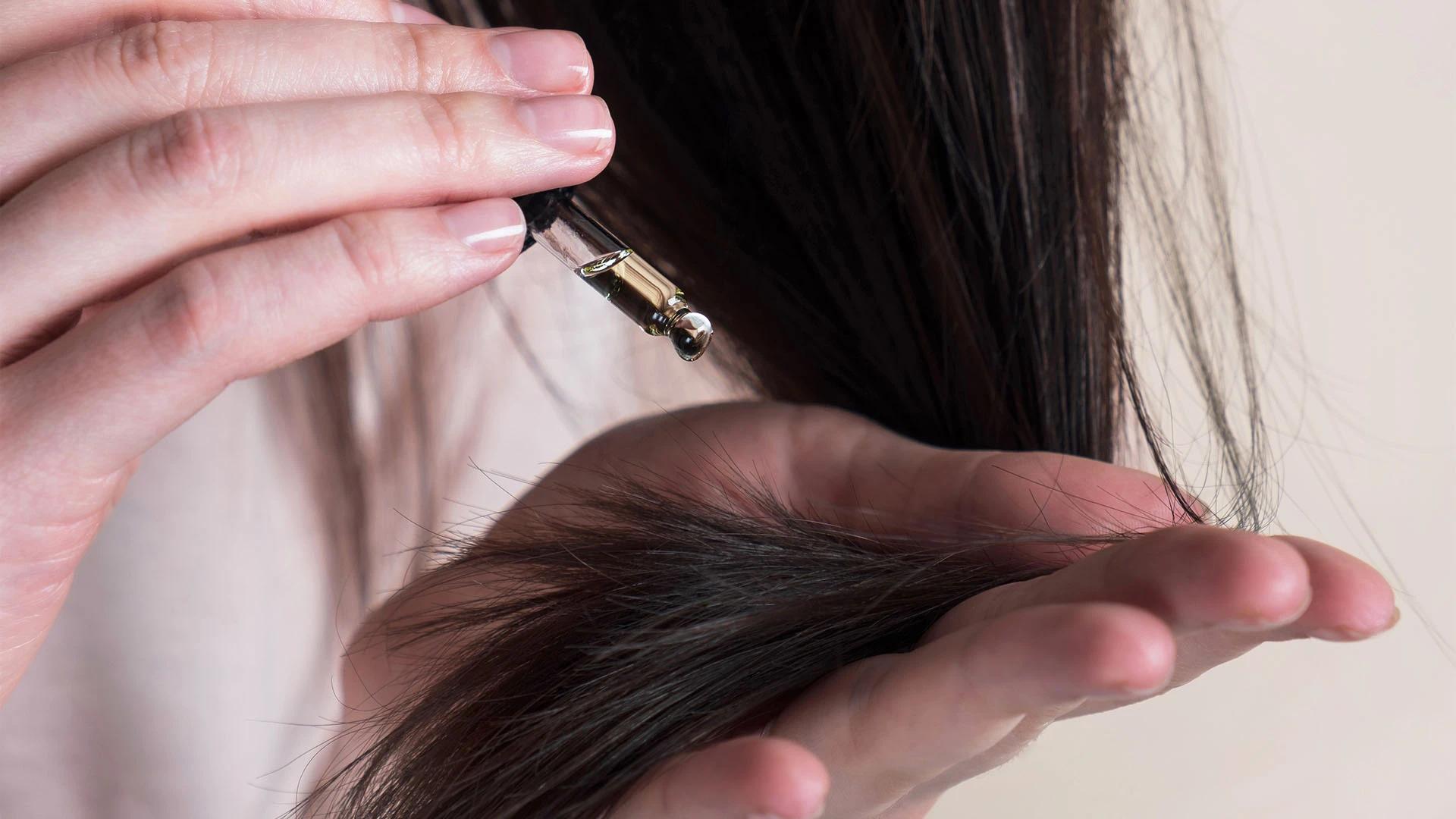

Split ends are basically your hair's way of saying it's had enough. Those frayed, damaged tips can make even the healthiest locks look rough and unkempt. But here's the thing—whilst you can't actually repair split ends once they've formed, you can temporarily seal them for a smoother, healthier appearance. That's where creams to seal split ends come in clutch. These clever formulations work by coating the damaged hair shaft, smoothing down those pesky frayed bits and creating the illusion of healthier hair. Think of it as a quick fix that buys you time between trims whilst protecting your strands from further damage. Ready to discover which creams can give you that instant hair transformation? Let's dive into the top picks that actually deliver results.
Let's get real about what's actually happening when you use a split end treatment. Your hair is made up of overlapping scales called cuticles, and when these get damaged or lifted, you get split ends. Once the hair shaft splits, there's no magical way to fuse it back together permanently—that's just not how hair works. What hair repair creams do instead is pretty clever. They contain ingredients like silicones, proteins, and conditioning agents that temporarily bind the split ends together. These formulations coat the hair shaft, filling in gaps and smoothing down lifted cuticles. The result? Your hair looks and feels healthier, even though the underlying damage is still there. The key players in these creams include dimethicone and cyclomethicone, which create a protective film around each strand. Hydrolysed proteins help fill in microscopic gaps, whilst conditioning agents like cetyl alcohol provide moisture and slip. Some formulations also include heat-activated ingredients that work even better when you style your hair.
Now for the good stuff—the creams that actually work. We've tested and researched the most effective options across different price points and hair types.
The standout winner combines powerful silicones with nourishing oils for instant results. Look for formulations that contain dimethicone as the primary ingredient, paired with argan or jojoba oil. These creams typically work within minutes of application, creating a smooth, sealed appearance that lasts through multiple washes. Price-wise, expect to pay around ₹800-1,200 for a quality option, but the results are worth every penny.
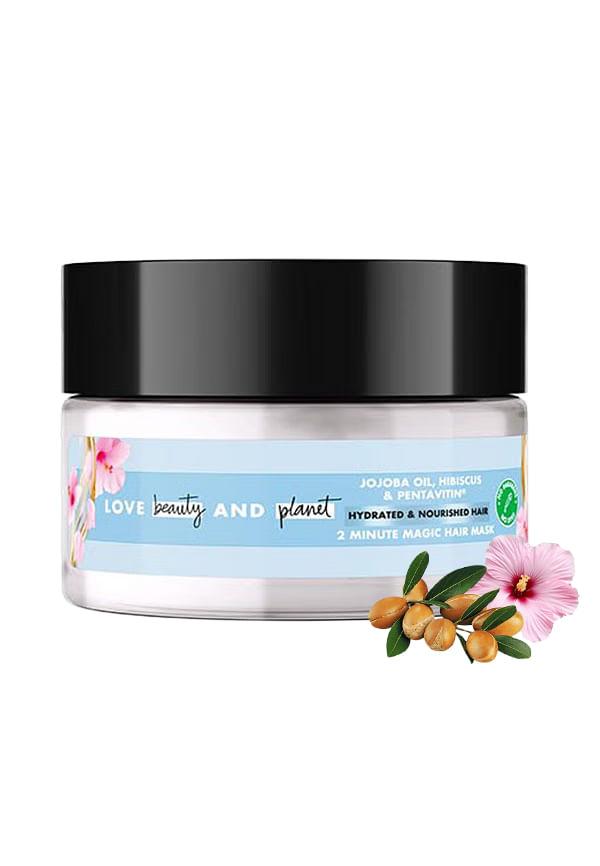 200 g
200 gJojoba oil , Hibiscus & Pentavitin Hydrate & Nourish Hair Mask
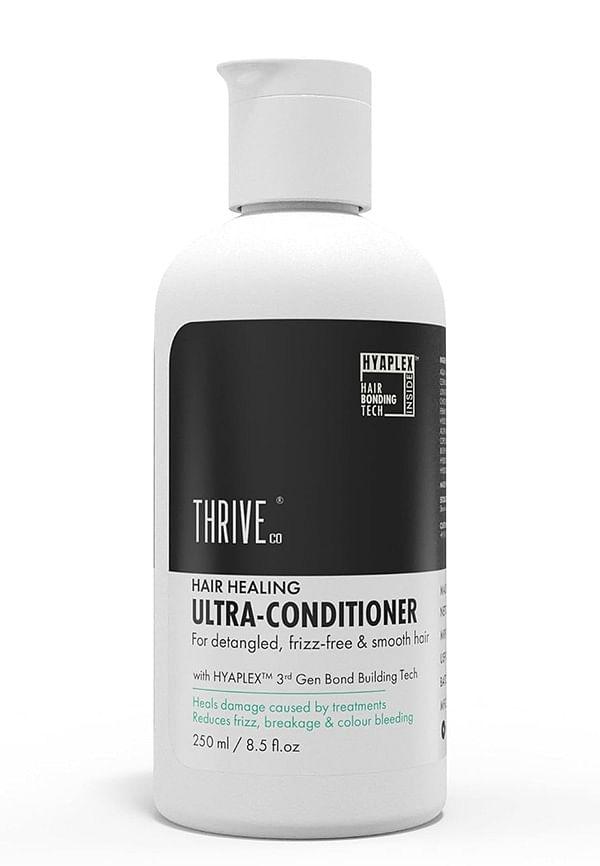 250 ml
Hair Healing Conditioner
For seriously damaged hair, you need something with more oomph. The best damaged hair creams contain higher concentrations of proteins and ceramides. These intensive formulations work by temporarily reconstructing the hair's structure, making them perfect for chemically treated or heat-damaged hair. They're typically thicker in consistency and require less product per application.
Double-duty products are brilliant for busy lifestyles. The top leave-in conditioners for split ends provide moisture whilst sealing damage. These lighter formulations work well for daily use and often include heat protection up to 230°C. They're perfect for fine hair that gets weighed down by heavier creams.
Why choose between smooth hair and sealed ends when you can have both? The best frizz control creams tackle humidity whilst temporarily mending split ends. These formulations often contain anti-humidity agents alongside sealing ingredients, making them perfect for unpredictable weather.
You don't need to break the bank for effective hair breakage cream. Some of the most effective options cost under ₹500 and deliver impressive results. Look for drugstore brands that focus on simple, effective formulations without fancy packaging.
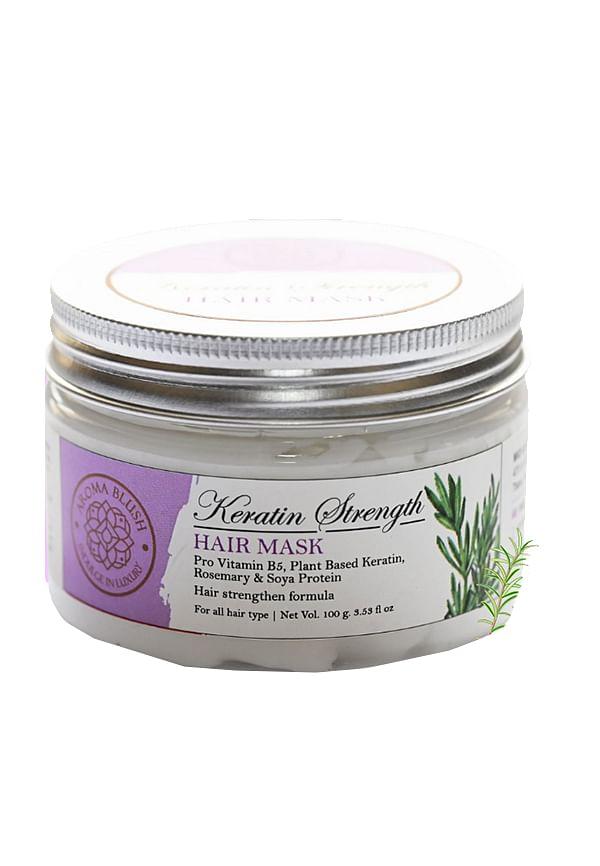 200 gm
Keratin Strength Hair Mask
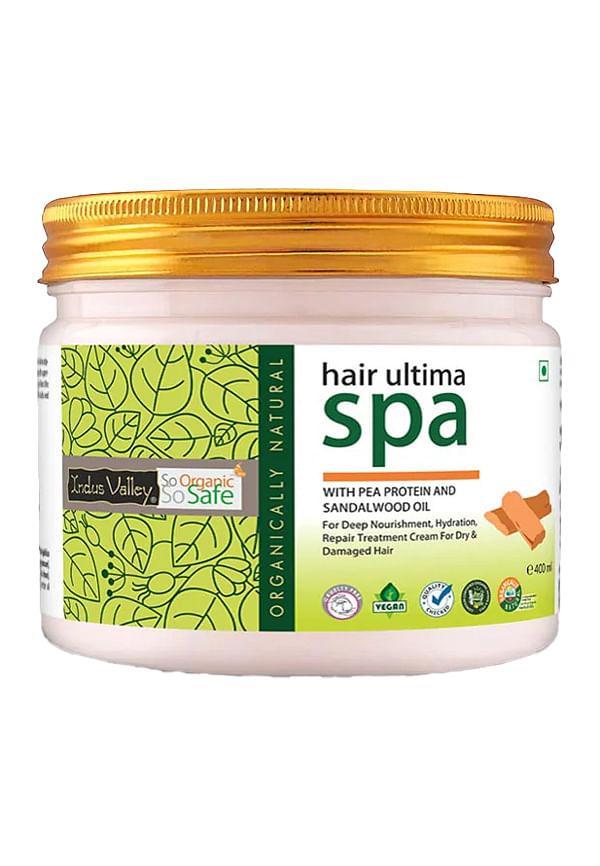 175 ml
Deep Nourishing Hair Ultima Spa
Prevention is better than cure, right? The top hair strengthening creams focus on preventing future damage whilst sealing existing splits. These formulations often contain protein complexes and vitamins that support overall hair health.
Colour-treated hair needs special care. The best options are sulphate-free and contain UV filters to protect your colour investment. These creams often have a slightly different texture to accommodate the unique needs of chemically processed hair.
Not all split end sealers work the same for every hair type. Your hair's thickness, texture, and porosity all play a role in which formulation will work best. Fine hair needs lightweight formulations that won't weigh strands down. Look for water-based creams or those specifically labelled as 'weightless'. Thick, coarse hair can handle richer formulations with heavier oils and butters. Curly and wavy hair typically has higher porosity, meaning it absorbs products more readily. These hair types often benefit from cream-to-oil formulations that provide both moisture and sealing properties. Straight hair, particularly if it's fine, needs lighter coverage to avoid looking greasy.
High porosity hair (often damaged or chemically treated) absorbs products quickly but also loses moisture fast. These hair types need protein-rich formulations that can temporarily fill in gaps. Low porosity hair (typically healthy, virgin hair) repels moisture and products. Lighter formulations with smaller molecules work better for this hair type.
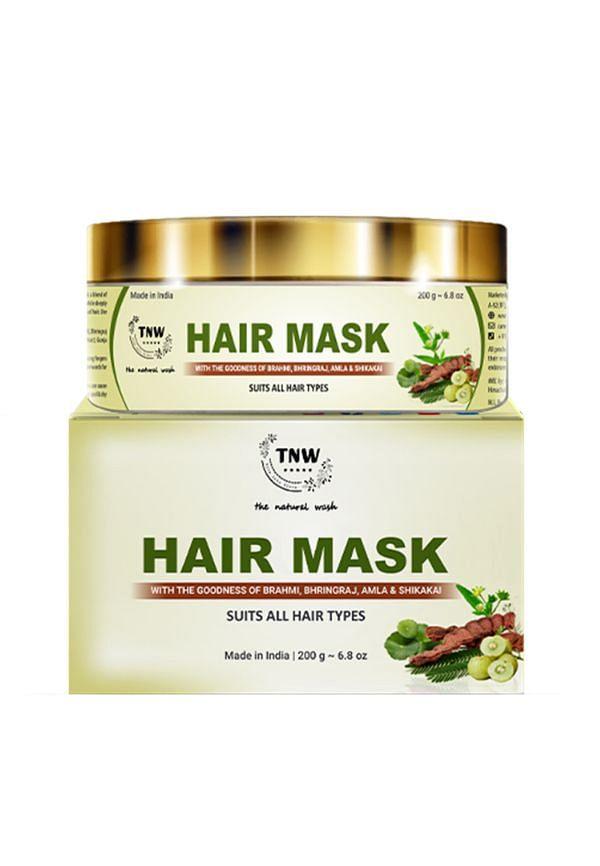 200 gm
Amla Bhringraj Hair Mask for Healthy & Strong Hair
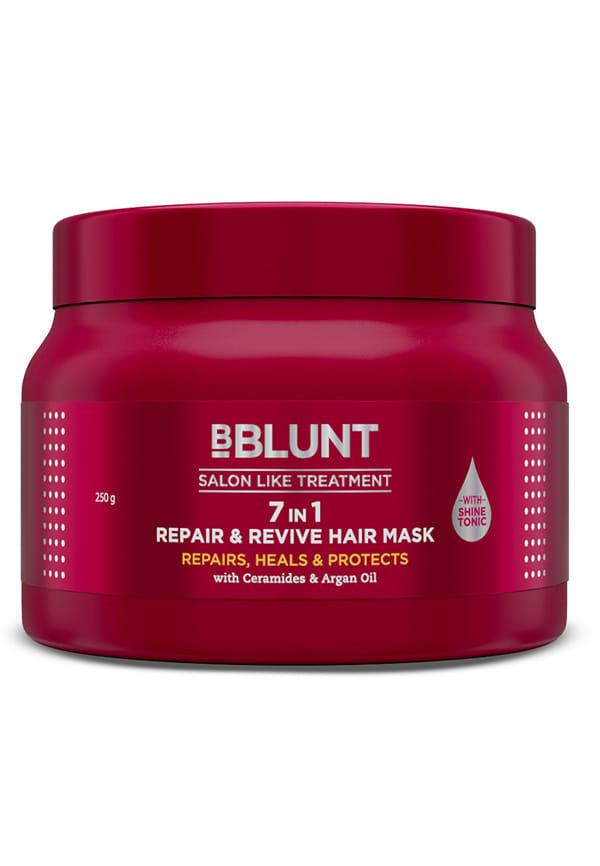 250 gm
7 in 1 Repair & Revive Hair Mask for Upto 100% Damage Repair
Using your hair mending cream correctly makes all the difference between okay results and amazing ones. The key is in the application technique and timing. Start with damp hair for most creams—this helps with even distribution and prevents the product from sitting on top of your strands. Work the cream through your hair from mid-length to ends, avoiding the roots unless the product specifically says it's safe for scalp application. The amount matters too. Most people use too much product, which can weigh hair down or make it look greasy. Start with a pea-sized amount for shoulder-length hair and adjust from there.
Many split end repair creams work better with heat activation. If your cream contains heat-activated ingredients, use a blow dryer or styling tool on medium heat after application. This helps the sealing ingredients penetrate better and last longer.
Whilst creams can temporarily seal existing damage, prevention is your best long-term strategy. Heat styling is one of the biggest culprits, so always use a heat protectant and keep temperatures below 180°C when possible. Regular trims every 6-8 weeks prevent splits from travelling up the hair shaft. It might seem counterproductive when you're trying to grow your hair, but regular maintenance actually helps you retain length in the long run. Your sleeping habits matter too. Silk or satin pillowcases create less friction than cotton, reducing overnight damage. Loose braids or silk scrunchies can also protect your ends whilst you sleep.
Sun, wind, and pollution all contribute to hair damage. Look for leave-in products with UV protection, and consider wearing a hat during extended sun exposure. Swimming in chlorinated pools is particularly damaging, so always rinse your hair immediately after. Smytten's platform makes it easy to try different haircare formulations without committing to full-size products. With trial packs from trusted brands, you can test which creams to seal split ends work best for your specific hair type and damage level. This approach lets you build a personalised haircare routine that actually delivers results, rather than guessing which products might work.
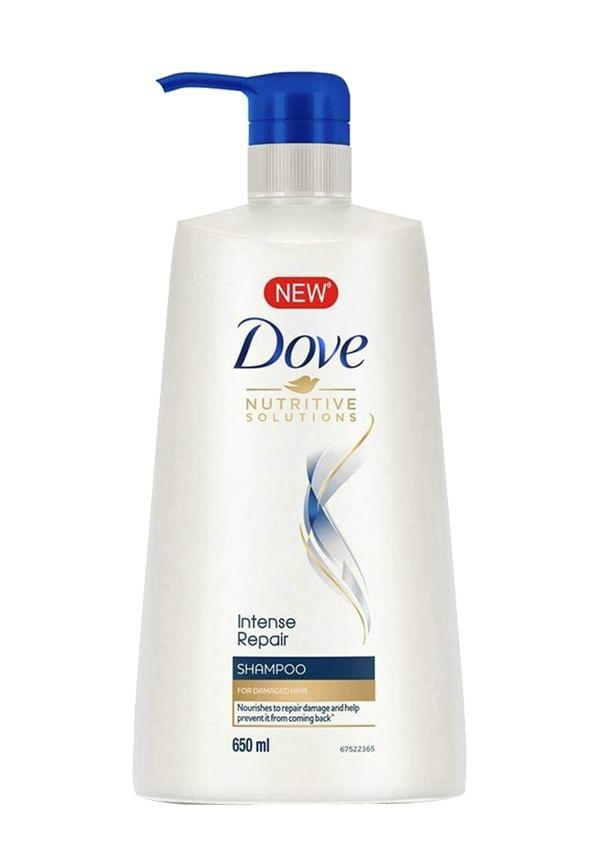 650 ml
Intense Repair Shampoo
Silicone-based creams, leave-in conditioners with sealing properties, and hair oils can temporarily seal split ends. Look for products containing dimethicone, cyclomethicone, or natural oils like argan or jojoba.
Yes, but they provide temporary results. These creams coat the hair shaft and smooth down damaged cuticles, creating the appearance of healthier hair. However, they don't permanently repair the damage—only cutting can remove split ends completely.
Most creams can be used daily or every time you wash your hair. Follow the product instructions, as some intensive treatments are meant for weekly use only.
Yes, but layer them correctly. Start with the lightest consistency (serums) and work up to heavier creams. Too many products can weigh hair down or cause buildup.
Serums are typically lightweight and fast-absorbing, creams provide more moisture and conditioning, whilst oils offer deep nourishment but can be heavier. Choose based on your hair type and damage level.
Whilst you can't permanently repair split ends without cutting them, the right cream can give you that smooth, healthy-looking hair you're after. The key is finding a formulation that works with your hair type and damage level, then using it correctly for maximum effectiveness. Remember, split end treatment is just one part of a healthy haircare routine. Combine your chosen cream with regular trims, heat protection, and gentle handling for the best long-term results. And don't forget—prevention is always better than trying to fix damage after it's happened. With Smytten's trial platform, you can explore different brands and formulations to find your perfect match. After all, why settle for maybe when you can try it all and discover what actually works for your hair?
