7 Ayurvedic Herbs for Rapid Hair Growth: Natural Remedies
-c3b27e36-b11b-40ff-9661-79b17fca3893.webp&w=3840&q=75)

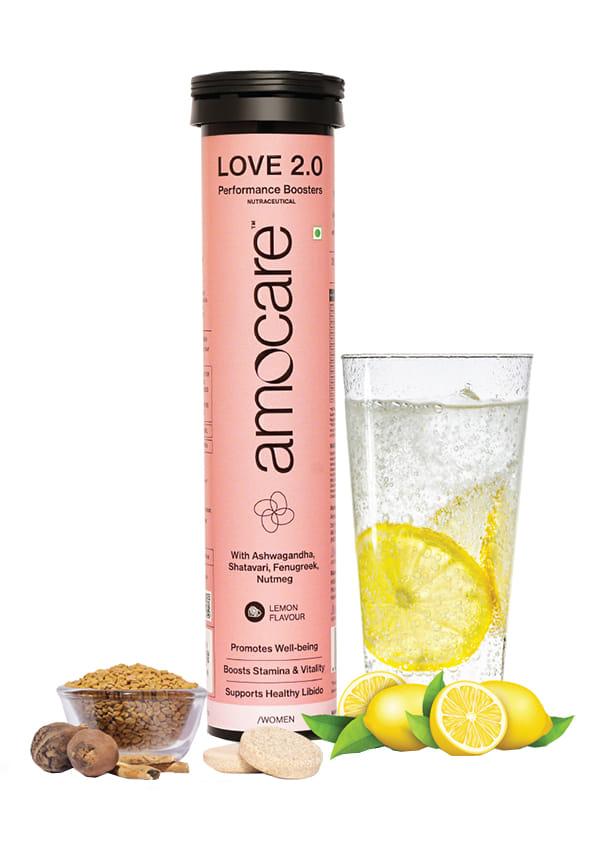
Desire Boosters for Women
Your hair deserves the best nature has to offer, and ayurvedic herbs have been nurturing healthy hair for centuries. These time-honored remedies aren't just a passing trend—they've been trusted by generations for good reason. From traditional oil recipes to modern herbal treatments, these natural ingredients work in harmony with your hair's biology. Let's be real: while chemical-laden products might promise quick fixes, natural hair remedies often deliver lasting results without unwanted side effects. Let's explore seven ayurvedic herbs that could become your hair's new allies.
Ayurveda approaches hair health through the lens of your unique constitution, or dosha (your unique body constitution). Your hair type—whether oily, dry, or somewhere in between—reflects your internal balance. When your doshas are harmonised, your hair naturally thrives. Ayurvedic herbs are believed to nourish your scalp from within, addressing root causes rather than just symptoms. These natural ingredients are thought to penetrate deeply, delivering nutrients that may strengthen follicles and promote healthy growth. It's like providing your scalp with a nourishing meal instead of just a quick snack.
Bhringraj has earned a stellar reputation in Ayurvedic hair care. Known as the "king of herbs" for hair care in traditional Ayurvedic texts, Bhringraj has been a go-to remedy for hair concerns across India for centuries. Its Sanskrit name literally translates to "ruler of hair," which speaks volumes about its traditional importance. This herb is believed to support healthy blood circulation to the scalp, potentially creating an environment conducive to hair growth. Think of it as a natural way to invigorate your scalp.
Here's what makes Bhringraj worth considering:
May support hair follicles - Traditionally believed to energize dormant follicles
Potential to maintain natural hair color - Some users report it helps preserve their natural shade longer
Believed to strengthen hair roots - May help reduce breakage and shedding
Supports overall scalp health - Could contribute to a healthier growing environment
Bhringraj oil massages are a popular traditional method. Gently warm the oil and massage it into your scalp using circular motions. Leave it on for at least an hour before washing. Alternatively, you can mix Bhringraj powder with water or coconut oil to create a nourishing hair mask.
Amla, also known as Indian gooseberry, is renowned in Ayurvedic traditions for its potential hair benefits. This fruit is known for its high vitamin C content, making it a nutritional powerhouse for your hair. Amla is believed to support hair strength from the inside out, providing essential nutrients that your follicles may benefit from. The high antioxidant content in Amla is thought to protect your hair from environmental stressors while promoting healthy growth. It's like offering your strands both nourishment and protection.
Amla is associated with several hair care benefits:
Supports hair growth - May naturally stimulate follicles
Helps maintain hair - Traditionally used to strengthen roots and reduce shedding
Enhances shine and lustre - Known for its natural conditioning properties
Supports natural hair color - May help maintain natural pigmentation
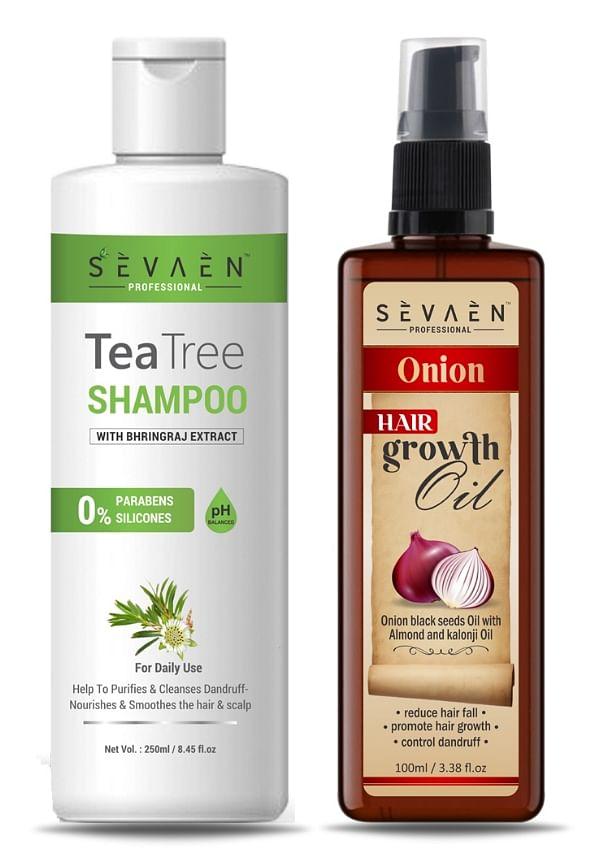
Teatree Shampoo And Ayurvedic Hair Oil For Hair Growth And Dandurff Reduce For Man And Woman
Fresh Amla juice can be used as a scalp treatment. Apply it directly to your scalp, leave for 30 minutes, then rinse. Amla powder mixed with water creates a conditioning hair mask that many find leaves their hair soft and manageable.
Brahmi is valued in Ayurveda for its potential to support both scalp health and overall well-being. This adaptogenic herb is believed to not only nourish your hair but also help manage stress, which is often linked to hair health. When you feel calm, it may positively impact your hair's condition. Brahmi is traditionally thought to support blood circulation to the scalp while potentially helping to balance stress hormones that can affect the hair growth cycle. It's like offering a moment of calm for your scalp and strands.
Brahmi is associated with multiple benefits:
Supports healthy circulation - May aid nutrient delivery to follicles
Helps manage stress-related hair concerns - Addresses a common underlying factor
Believed to strengthen hair follicles - May contribute to stronger, healthier-looking hair
Soothes the scalp - Traditionally used to calm irritation
Brahmi oil treatments are popular in traditional practices. Regular scalp massages with Brahmi oil are believed to support circulation while providing relaxation benefits. You can also create a Brahmi paste with water for a deeply nourishing hair mask.
Neem is highly regarded in Ayurvedic hair care for its potential to support a healthy scalp environment. This herb, known for its natural cleansing properties, is traditionally used to address various scalp concerns that may impact hair growth. From supporting a balanced scalp to addressing common issues, Neem is believed to help create optimal conditions for hair health. Neem's properties are thought to help maintain the natural pH balance of the scalp. Think of it as a traditional way to support your scalp's overall health.
Neem is associated with several scalp-supporting properties:
Supports scalp health - Traditionally used for various scalp concerns
Helps balance scalp condition - May contribute to creating optimal growing conditions
Promotes hair growth - A healthy scalp is believed to support healthy hair
Soothes the scalp - Traditionally used to address itchiness and irritation
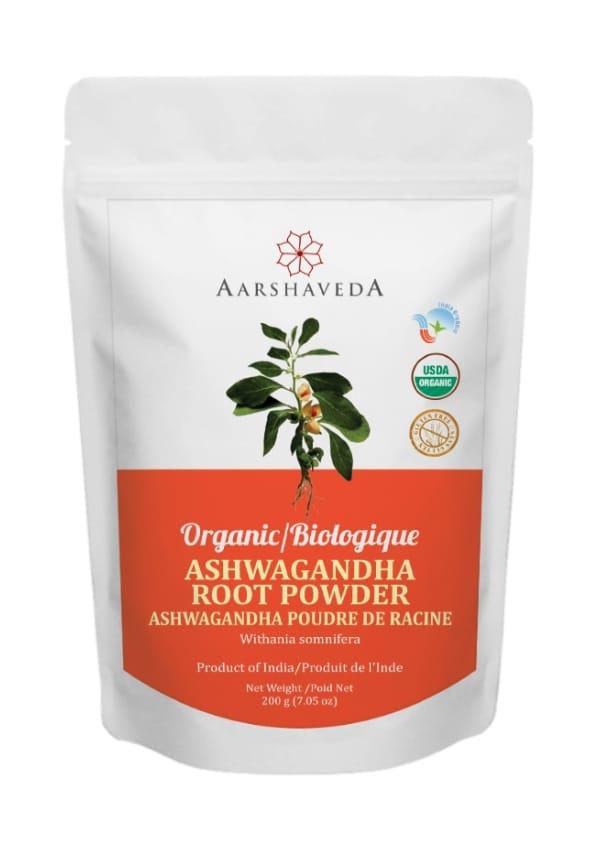
Ashwagandha Powder
Neem leaves can be boiled to create a rinse that's traditionally used for scalp care. Neem oil, when mixed with a carrier oil, is another popular treatment for persistent scalp issues. These treatments are typically used once or twice weekly for best results.
Fenugreek seeds are highly valued in Ayurvedic hair care for their nutrient profile. These tiny seeds are packed with proteins, vitamins, and minerals that are believed to support hair health. Rich in nutrients, fenugreek is thought to provide essential elements your hair needs to grow strong and healthy. The mucilage (a gel-like substance) in fenugreek seeds creates a natural conditioning effect, which many find leaves their hair soft and manageable. It's like nature's own deep conditioning treatment.
Fenugreek is associated with comprehensive hair nourishment:
Rich in proteins - May provide building blocks for strong hair
Moisturizes hair and scalp - Known for its natural conditioning properties
Supports hair strength - Believed to help reduce breakage
Enhances natural shine - May improve hair's natural lustre
Soak fenugreek seeds overnight, then grind them into a paste for a nourishing hair mask. The soaking water can be used as a final rinse after shampooing. Apply the paste to your hair and scalp, leave for 30 minutes, then rinse thoroughly.
Hibiscus is a beloved ingredient in Ayurvedic hair care traditions. These vibrant flowers contain amino acids that are believed to nourish hair follicles and support growth. The natural acids in hibiscus are thought to gently exfoliate the scalp, helping to remove dead skin cells that can accumulate on the scalp. Hibiscus also contains natural conditioning agents that many find leave their hair soft and shiny. It's like having a traditional spa treatment right from your garden.
Hibiscus is associated with multiple hair benefits:
Supports hair follicles - Believed to promote the active growth phase
Maintains natural hair color - Traditionally used to support natural pigmentation
Adds volume and shine - Known for its natural conditioning effects
Strengthens hair - May help reduce breakage and split ends
Crush fresh hibiscus flowers and leaves with a little water to create a nourishing paste. Apply this to your hair and scalp, focusing on the roots. Leave for 45 minutes before washing out with a mild shampoo.
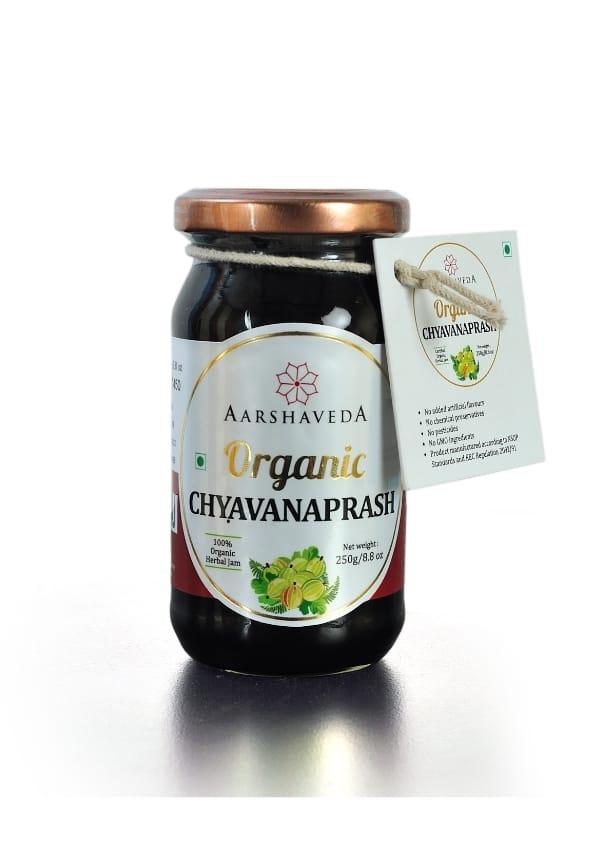
Organic Chyvanaprash
Aloe vera is a multifaceted ingredient in hair care, offering benefits from deep conditioning to scalp-soothing properties. This succulent plant's gel-like consistency makes it ideal for creating nourishing hair treatments that adhere well to the hair and scalp. Aloe vera's natural enzymes are believed to help remove dead skin cells from the scalp, while its moisturizing properties may keep your hair hydrated and healthy. It's like having a multitasking ingredient in your hair care routine.
Aloe vera is associated with versatile benefits:
Soothes the scalp - Traditionally used to calm irritation and itchiness
Supports hair growth - May improve scalp circulation
Conditions and moisturizes - Known for its natural hydrating properties
Balances scalp pH - Believed to help maintain a healthy growing environment
Fresh aloe vera gel can be applied directly to your scalp and hair as a conditioning treatment. Mix it with other herbs like fenugreek or hibiscus for enhanced benefits. Leave any aloe vera treatment on for at least 30 minutes for maximum absorption.
The true potential of these ayurvedic herbs for hair care is often realized when they're combined strategically. Each herb brings unique traditional benefits, and together they can create a comprehensive hair care system. You might consider mixing Amla and Bhringraj for potential growth and strength support, or combine Neem and Aloe vera for scalp health and conditioning. Experimenting with different combinations allows you to create personalized herbal hair treatments that address your specific needs. Start with one or two herbs to see how your hair responds, then gradually introduce others. When you're ready to explore these natural hair remedies, platforms like Smytten make it easier to test different formulations without committing to full sizes. You can discover ayurvedic haircare products from trusted brands, trying out various options to find what works best for your hair type.
Many users report noticing improvements in hair texture and scalp health within 4-6 weeks of consistent use, though individual results may vary. Hair growth results can typically be observed after 8-12 weeks, aligning with natural hair growth cycles. Consistency is key—these natural remedies work gradually but may deliver lasting results.
Ayurvedic herbs are generally considered safe for most people when used properly. However, always do a patch test before trying new ingredients. Some individuals might experience sensitivity to certain herbs. If you have allergies or scalp conditions, consult a healthcare provider before starting any new treatments.
Certain ayurvedic herbs like Ashwagandha are traditionally believed to support hormonal balance, which may indirectly benefit hair health. However, significant hormonal imbalances require medical attention. These herbs are best used as supportive treatments alongside proper medical care for optimal results.
Ayurvedic herbs offer a natural, time-tested approach to hair care. From Bhringraj's traditional use for follicle health to Amla's nutrient-rich profile, these herbs are believed to address hair concerns comprehensively. The appeal of herbal hair treatments lies in their gentle yet potentially effective approach—they aim to work in harmony with your hair's natural processes. Platforms like Smytten make exploring these natural hair remedies more accessible. With curated trial packs of haircare products from trusted brands, you can discover which ayurvedic ingredients work best for your hair type. The ability to try multiple products in smaller quantities allows you to experiment with different herbal treatments before committing to full-size versions. When you find your perfect match, purchasing the full-size product is convenient and straightforward. With millions of users trusting such platforms for product discovery, you're in good company on your natural hair care journey. After all, exploring various options can help you find what truly works for your hair, embracing the spirit of #TryItAll to discover your ideal hair care routine.
