10 Steps to Perfectly Use Hair Conditioner Every Time


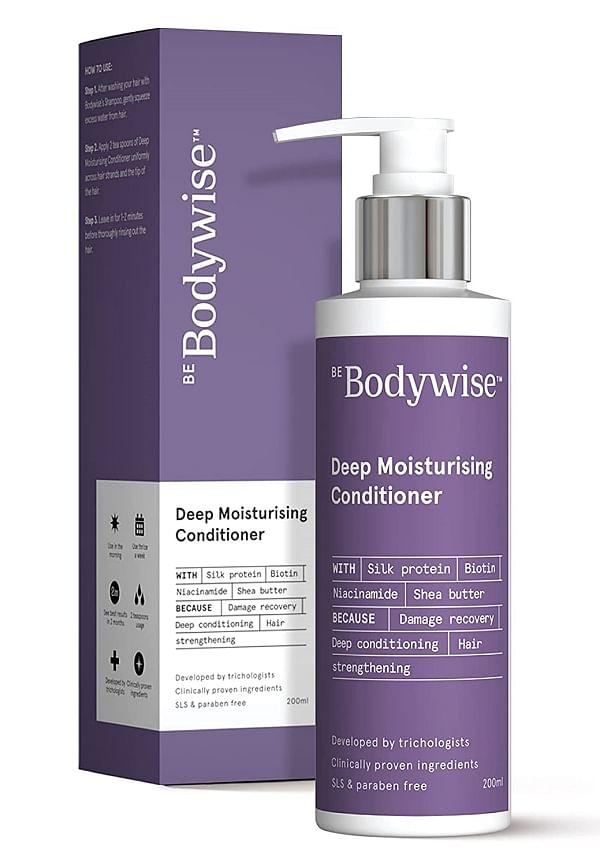 200 ml
Deep Moisturising Conditioner
Getting your hair conditioner routine spot on can make a huge difference in your hair’s overall health and look. Many of us have experienced the woes of greasy strands or flat results because of a wrong approach. This guide is all about showing you how to use hair conditioner correctly so you can enjoy its true magic. We’re breaking down each step in a friendly, easy-to-follow checklist that covers everything from choosing the perfect product to common mistakes to avoid. Whether you’re after the benefits of hair conditioner for dry hair, battling frizz, or looking for tips on leave-in conditioner usage, these steps have got your back.
Before you even think about conditioner, your hair needs a proper shampoo session. Cleaning your locks eliminates dirt, oil, and any product buildup that might stop your conditioner from working its charm. Use a shampoo that’s suited to your hair type to create the perfect canvas for your next step. This simple prep step ensures that every drop of conditioner goes exactly where it should. Additionally, choosing the right shampoo—whether it’s for oily, dry, or color-treated hair—can amplify the effectiveness of your conditioner. A clean base is vital for allowing the conditioner to penetrate your strands fully, ensuring optimal hydration and nourishment.
Now, let’s move on to ensuring you choose the right conditioner for your unique hair type.
There’s no one-size-fits-all when it comes to conditioner. With a variety of types of hair conditioner available, it’s essential to pick one that meets your unique needs. Whether you need a rinse-out product, a leave-in conditioner for extra moisture, or a deep treatment for extra repair, tailoring your choice can make all the difference.
If you’ve got dry hair, look for a conditioner that boosts hydration. For those dealing with breakage, a formula designed as a conditioner for damaged hair is your go-to. And if frizz is your enemy, check out options for using conditioner for frizzy hair that help keep your style neat without weighing it down. Matching your product to your hair’s texture and concerns is key. Remember, the right conditioner not only addresses immediate issues but also contributes to long-term hair health by improving moisture retention and reducing damage over time.
There’s a common question: do you apply conditioner wet or dry? The answer is to aim for damp hair. When your hair is just towel-dried and not dripping, it can soak up the conditioner better. This ensures that the formula works efficiently to smooth and nourish, offering you the benefits of hair conditioner without any wastage.
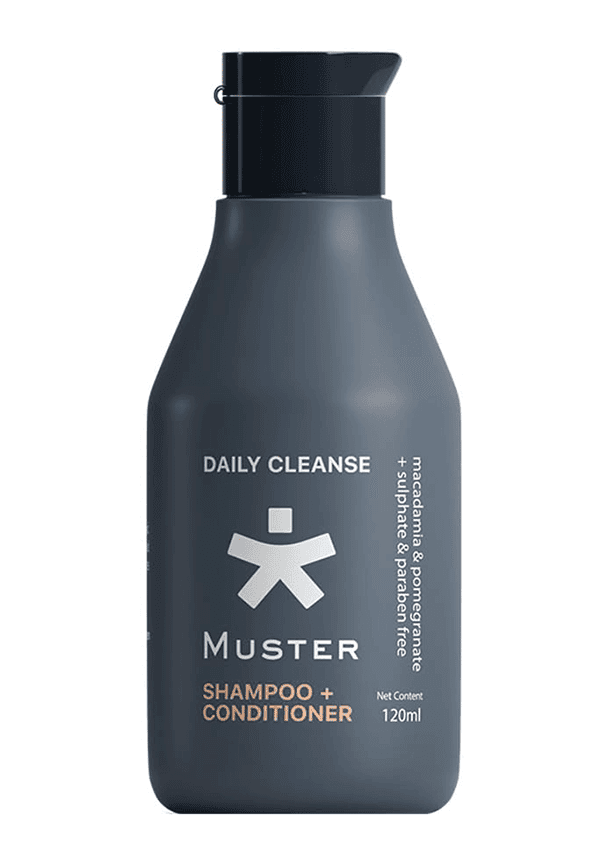 120 ml
Deep Cleanse Shampoo + Conditioner
Next, let’s focus on applying conditioner where it matters most.
Your conditioner routine works best when you concentrate on the mid-lengths and ends of your hair. This is where moisture is most needed. Avoid applying conditioner directly to your scalp to prevent it from getting greasy. After applying, run a wide-tooth comb through your hair for an even distribution of goodness. Targeting these areas helps repair damage and maintain softness, which are crucial for healthy-looking hair.
Knowing how much conditioner to use is a common question among many. A good guideline is to start with a coin-sized amount for short hair, and for longer locks, increase the quantity accordingly. Too little can leave your hair dry and tangled, while too much may result in heaviness. Experiment with the amount to find what works best for your hair length and texture.
One of the most game-changing tips is giving your conditioner time to work its magic. Leave it on for about 2–5 minutes. This pause lets the product deeply moisturize and detangle your tresses, ensuring you fully reap the benefits of hair conditioner during this period. This step is crucial for allowing the nutrients in the conditioner to penetrate the hair shaft and repair damage effectively.
A brilliant rinse is often overlooked but is crucial to avoid product buildup or weighed-down hair. Use lukewarm water to rinse out the conditioner completely. This not only clears any residual product but also helps to seal the hair cuticle, locking in moisture and shine.
Now that your hair is conditioned, let’s explore an extra care option for added benefits.
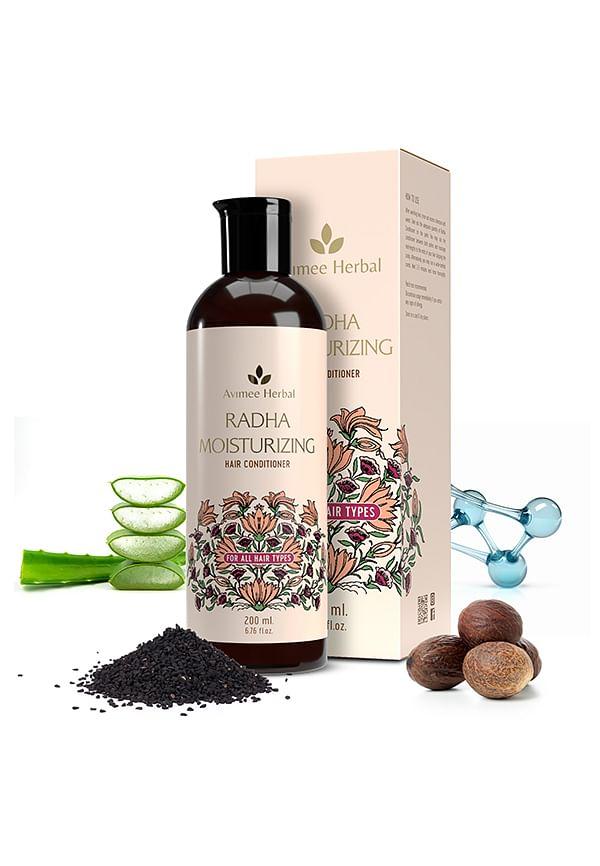 200 ml
Radha Moisturizing Hair Conditioner
If your hair needs a little extra boost, consider incorporating a leave-in conditioner into your routine. This step works wonders for additional moisture and protection. It’s especially useful if you often battle frizz or if your hair is prone to damage. A light layer can be the difference between a good hair day and your next fave look. Leave-in conditioners also provide long-lasting hydration, making them ideal for busy days or harsh weather conditions.
Not all hair is created equal. When deciding how often to use conditioner, take your hair type into account. For dry or damaged hair, daily conditioning might be beneficial, while those with oilier hair might find that an every-other-wash routine works best. On top of that, why not try a deep conditioning session once a week for that extra repair boost? Consistent use of conditioner not only keeps your hair manageable but also improves overall hair health by reducing dryness and breakage.
Even the best routines can run into snags if you fall into some common pitfalls. Here are some handy hair conditioner tips to keep in mind:
Steer clear of these mistakes to ensure your hair gets the maximum benefit from every wash, helping you achieve healthier, shinier locks over time.
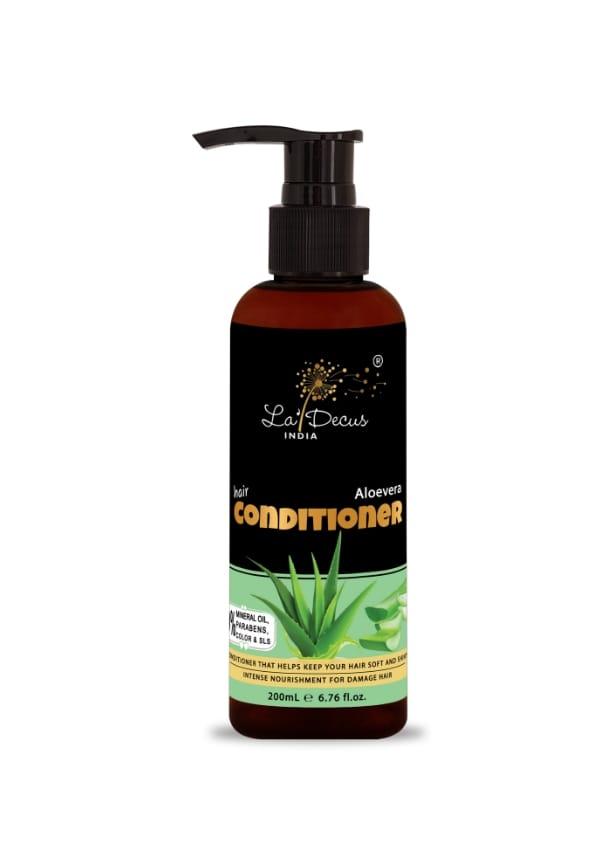 200 ml
Aloevera Hair Conditioner For Women And Men
Conditioner is best applied to damp hair. Wet hair might dilute the product while dry hair won’t absorb it as well.
Conditioner doesn’t directly boost new growth, but by improving overall hair health, it can reduce breakage and split ends, which in turn helps maintain your length.
Concentrate on deep conditioning treatments and pair these with your regular routine. This approach will help repair and strengthen fragile strands.
After shampooing, gently squeeze out excess water from your hair. Then, apply conditioner mainly to your mid-lengths and ends, let it sit for a few minutes, and rinse well.
Towel-dry your hair slightly before applying. This ensures your hair isn’t too wet, allowing the conditioner to stick to your strands properly.
Mastering the use of your conditioner can turn a simple routine into a transformative haircare ritual. By following these 10 steps, you’re setting the stage for healthier, shinier, and more manageable hair. Experiment with what you need—whether it’s a specific conditioner for dry hair or tips for using conditioner for frizzy hair—and see how these small changes help how conditioner improves hair health over time. Remember, a consistent routine backed by a bit of know-how can lead to your best hair days yet. Try it all and enjoy your journey to a more vibrant mane!
