Perfume Headaches FAQ: Your Questions Answered


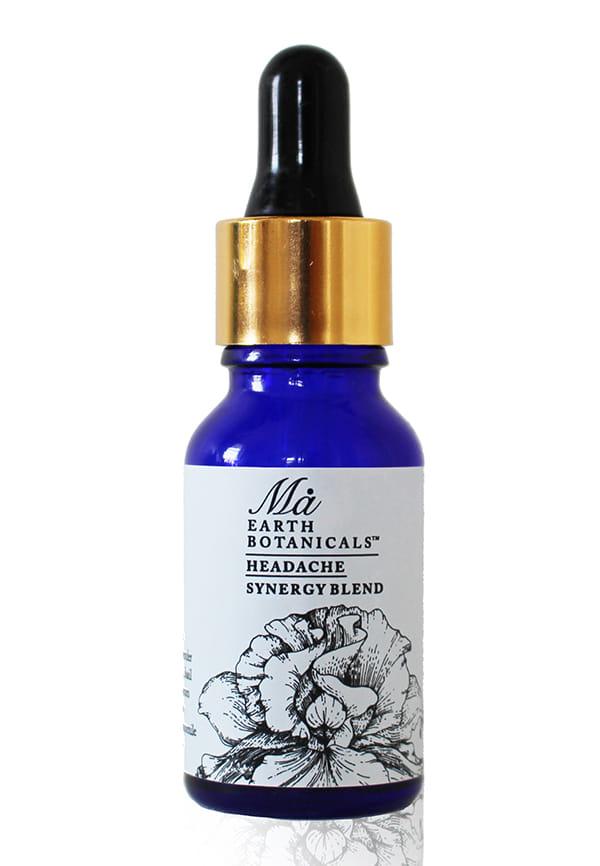
Headache Synergy Blend
Ever sprayed on a gorgeous fragrance only to end up with a pounding headache? You're definitely not alone. Perfume headaches are more common than you'd think, and they can turn your favourite scent into your worst enemy. The thing is, not all fragrances are created equal—some are packed with synthetic chemicals that can trigger everything from mild discomfort to full-blown migraines. But here's the good news: understanding why this happens and knowing how to choose the right fragrance can save you from future headache drama. With platforms like Smytten offering trial-sized versions of hundreds of fragrances, you can actually test how your body reacts to different scents before committing to a full bottle.
TL;DR
Perfume headaches happen when synthetic chemicals in fragrances irritate your trigeminal nerve and cause inflammation
Common triggers include high alcohol content, synthetic aldehydes, and heavy floral or oriental notes
Smart application techniques like spraying on lower pulse points can help reduce headache risk
Look for alcohol-free, single-note, or natural fragrances if you're sensitive to scents
Trial-sized perfumes let you test your reaction before buying full-size bottles
Let's get real about what's actually happening in your brain when a fragrance triggers pain. Your olfactory system—basically your smell receptors—processes fragrance molecules and sends signals directly to your brain. But here's where things get tricky: some of these chemical compounds can irritate your trigeminal nerve, which controls sensation in your face and head.
When you inhale certain fragrance molecules, they don't just register as smell. These compounds can cause inflammation in your nasal passages and trigger vascular changes similar to what happens during a migraine. Your blood vessels might dilate or constrict, leading to that familiar throbbing sensation. The trigeminal nerve gets overstimulated, sending pain signals throughout your head and face.
Not all scent induced headaches are the same. You might experience sinus headaches when fragrances irritate your nasal passages, causing congestion and pressure around your eyes and cheeks. Tension headaches are another common type—these happen when the stress of dealing with an overwhelming scent causes your neck and scalp muscles to contract. Then there are perfume migraines, which are the most intense and can include nausea, light sensitivity, and that debilitating throbbing pain. Some people even develop osmophobia, which is basically your brain's way of saying "nope" to certain smells after repeated bad experiences.
Right, so what exactly in your perfume is causing all this drama? It usually comes down to specific ingredients and how concentrated they are. The chemicals in perfume headaches are often synthetic compounds that your body just doesn't vibe with.
Synthetic aldehydes are massive culprits—they're those sharp, sometimes metallic-smelling compounds that give fragrances their "sparkle." But they're also highly volatile, meaning they evaporate quickly and hit your nose hard. High alcohol content is another issue because it makes fragrances more intense and can dry out your nasal passages. Phthalates, which help fragrances last longer, have been linked to neurological effects in some people. Heavy floral notes like jasmine or tuberose, and rich oriental scents with amber or musk, tend to be more triggering because they're complex and intense.
The concentration of your fragrance matters loads. Eau de parfum has a higher concentration of fragrance oils than eau de toilette, which means it's more likely to cause issues if you're sensitive. Over-application is a huge factor too—more isn't always better. Environmental factors like humidity, heat, and poor ventilation can amplify scent intensity, making even a light spritz feel overwhelming.
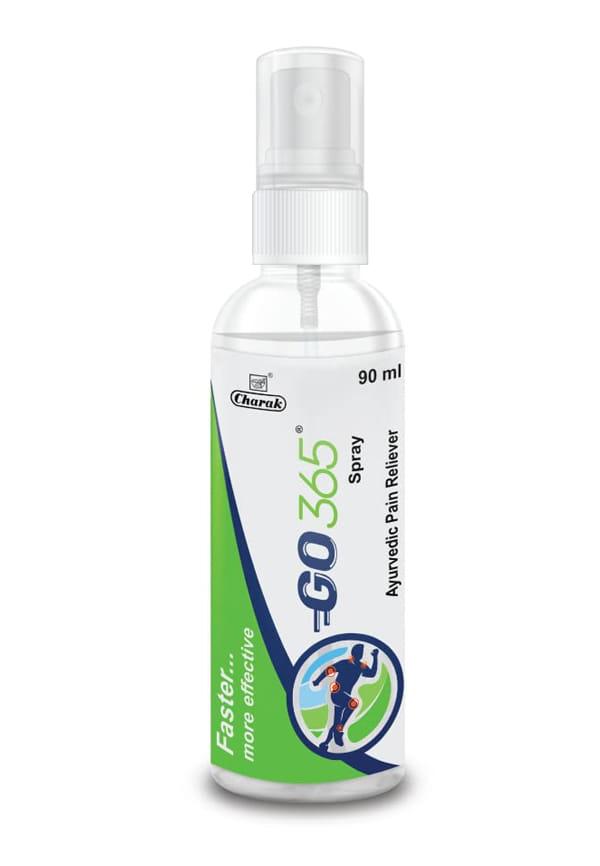
Ayurvedic Pain Reliever Spray
Here's something worth knowing: there's a difference between being allergic to fragrance and being sensitive to it. Both can cause headaches, but they work differently in your body.
A true fragrance allergy involves your immune system and usually shows up as contact dermatitis—think redness, itching, or rashes where the perfume touched your skin. You might also experience respiratory issues like wheezing or difficulty breathing. If you're having severe reactions, definitely see a doctor because this can be serious.
Perfume sensitivity is more about your nervous system's response to certain chemicals. It's not an immune reaction, but your body still says "no thanks" to specific ingredients. Everyone's threshold is different—what gives you a headache might be perfectly fine for your mate. Hormonal changes can also affect your sensitivity levels, which is why you might find certain scents more triggering during different times of the month.
The good news is that how and where you apply your fragrance can make a massive difference. It's all about being strategic with your spraying technique.
Instead of spraying directly on your neck or wrists where the scent will be close to your nose, try lower pulse points like your ankles or behind your knees. The fragrance will still develop beautifully, but it won't be constantly hitting your olfactory system. You can also spray on your clothing instead of directly on skin, though test a small area first to make sure it won't stain.
Give your fragrance time to settle before you're in close quarters with it. Spray it on about 10-15 minutes before you need to be around people. You can also use a fragrance-free moisturiser as a barrier between your skin and the perfume—this helps slow down the evaporation and makes the scent less intense.
If you're prone to headache from scents, certain types of fragrances are going to be your best friends. It's about finding formulas that work with your body, not against it.
Light citrus scents like bergamot or lemon tend to be less triggering because they're fresh and not overly complex. Green notes like grass or leaves are usually gentle too. Single-note fragrances are brilliant because there's less chance of one ingredient setting you off. When it comes to natural versus synthetic, it's not always black and white—some natural ingredients can be just as triggering, but many people find them easier to tolerate.
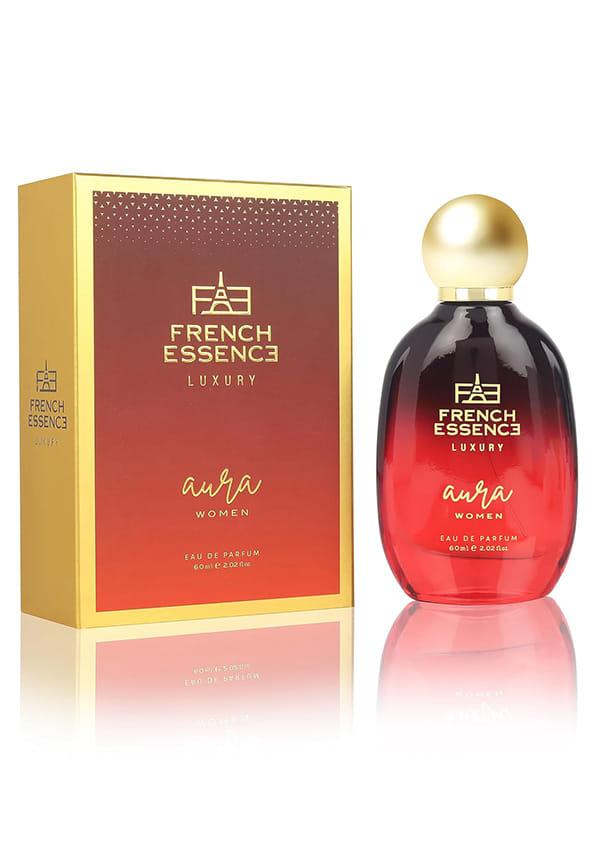
Luxury Perfume For Women - Aura
Oil-based perfumes are often gentler because they don't have that sharp alcohol hit. Water-based formulations are another good option. Look for brands that specifically cater to sensitive skin or advertise as hypoallergenic—they've usually done the work to remove common irritants.
Prevention is honestly your best bet when it comes to avoiding perfume headaches. It's about creating the right environment and knowing your limits.
Good ventilation is your friend. If you're trying a new fragrance, do it in a well-ventilated space. Avoid fragrance-heavy environments when possible—department store perfume sections can be overwhelming even for people who don't usually get headaches. At work or in social situations, don't be afraid to politely ask someone to tone down their scent if it's affecting you.
You can actually build tolerance to some fragrances by gradually increasing exposure, but this should be done slowly and carefully. Some people find that taking an antihistamine before being around strong scents helps, but definitely chat with your doctor about this first. Keep a mental note of which scents trigger you—patterns will emerge, and you'll get better at avoiding your specific triggers.
When a perfume migraine does hit, you want relief fast. There are both immediate and longer-term strategies that can help.
First things first: get away from the scent source and get some fresh air. If the fragrance is on you, wash it off with soap and water. A cold compress on your forehead or the back of your neck can help with the pain. Stay hydrated and try to rest in a quiet, dark space if possible.
Peppermint oil on your temples can provide cooling relief—just make sure it's diluted. Lavender is known for its calming properties and might help ease tension. Deep breathing exercises can help you relax and might reduce the intensity of the headache. Over-the-counter pain relievers can be helpful, but if you're getting frequent fragrance headaches, it's worth seeing a healthcare professional.
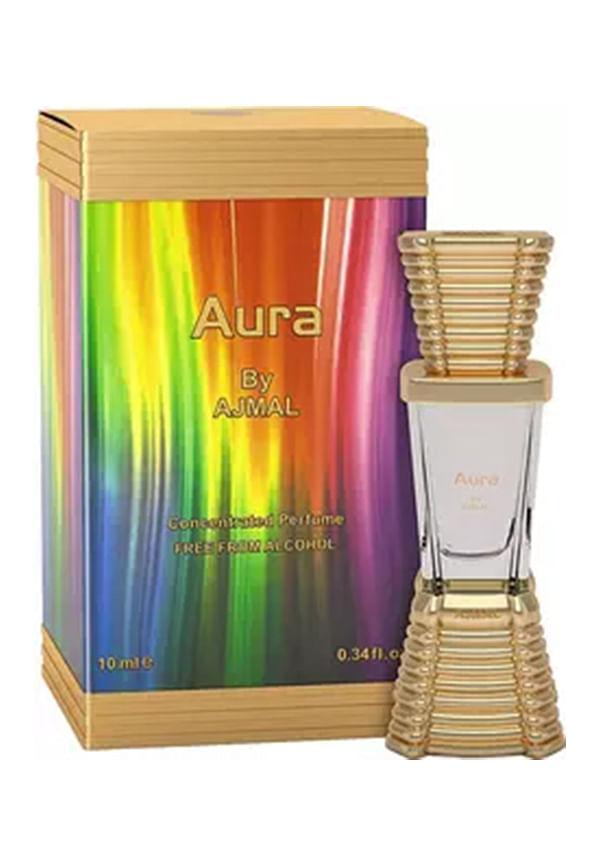
Aura Concentrated Floral Perfume
It comes down to individual sensitivity to specific chemical compounds. Your genetic makeup, hormonal levels, and even your current health status can affect how you react to different fragrance ingredients. Some people are particularly sensitive to synthetic aldehydes, while others might react to specific floral or musky notes.
Absolutely. The olfactory system is connected to the part of your brain that controls nausea and vomiting. Strong or triggering scents can activate this response, especially if you're prone to migraines. This is why some people feel sick when they smell certain fragrances.
Most fragrance headaches resolve within a few hours once you're away from the trigger scent. However, if it's triggered a full migraine, you might be dealing with symptoms for 4-72 hours. The key is removing yourself from the scent source as quickly as possible.
Some people can gradually build tolerance to certain fragrances through controlled, limited exposure. However, this doesn't work for everyone, and if you have a true allergy, repeated exposure could actually make things worse. It's best to work with a healthcare professional if you want to try this approach.
Both can cause headaches, but synthetic fragrances often contain more volatile compounds that evaporate quickly and hit your system harder. Natural fragrances can still be triggering—essential oils are highly concentrated and some people are sensitive to specific botanical compounds. The key is finding what works for your individual chemistry, whether that's natural or synthetic.
Yes, and trial-sized versions available on Smytten are perfect for this. Start with a tiny amount on your wrist or clothing, and test in a well-ventilated area. Give yourself time between testing different scents so you can properly assess your reaction to each one.
Perfume headaches are a real thing, and they're usually caused by your body's reaction to specific chemical compounds in fragrances. The good news is that with some knowledge and smart choices, you can still enjoy beautiful scents without the pain. Focus on finding gentler formulations, applying them strategically, and always testing before committing to a full-size bottle. Remember that everyone's sensitivity is different—what triggers you might be perfectly fine for someone else, and vice versa.
Finding the perfect fragrance when you're sensitive to scents doesn't have to be a headache-inducing mission. Smytten's trial packs let you explore fragrances from trusted brands without the commitment of buying full-size bottles. With over 1,500 brands available, you can test different formulations and concentrations to find what works for your unique chemistry. The platform's 100% cashback on trials means you can experiment risk-free, and when you do find your perfect scent, the full-size version is just a click away. After all, why settle for headaches when you can try it all and find fragrances that make you feel amazing?
