Natural vs. Synthetic Fragrance Ingredients: Your FAQ


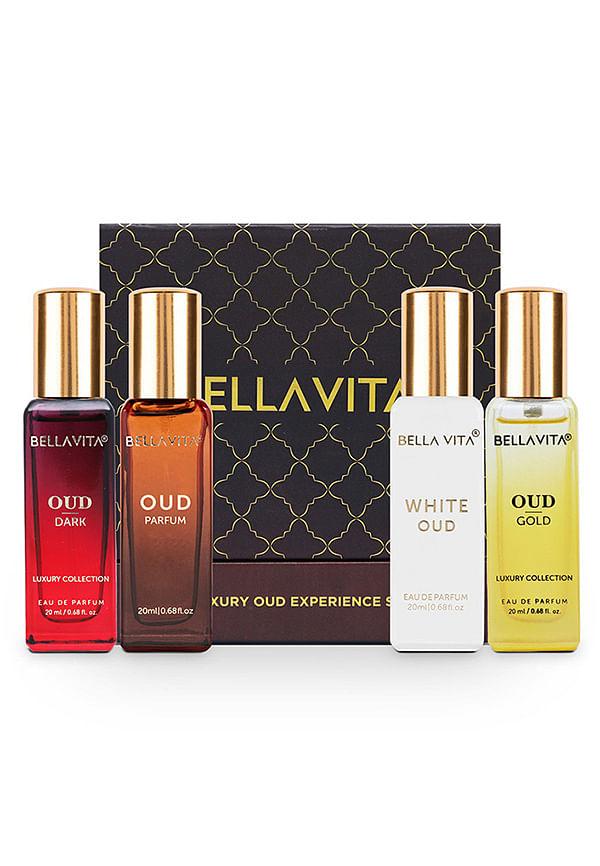
Organic Luxury OUD Experience Set
Ever wondered what makes your favourite perfume smell so divine? The world of fragrance ingredients is fascinating, and understanding the difference between natural and synthetic components can help you make smarter choices. Whether you're team natural or curious about synthetic alternatives, knowing what goes into your fragrance can transform how you shop for scents. With countless options available on Smytten, from niche brands to mainstream favourites, getting clued up on fragrance composition means you'll never have to settle for a scent that's just 'okay'.
Natural fragrance ingredients come from plants, flowers, and other botanical sources through extraction processes like steam distillation
Synthetic fragrance ingredients are created in laboratories, either mimicking natural scents or creating entirely new molecules
Both types have safety considerations - natural doesn't automatically mean safer, and synthetic doesn't mean harmful
Your choice depends on personal preference, skin sensitivity, performance needs, and budget considerations
Many modern perfumes blend both natural and synthetic ingredients for optimal performance and sustainability
Natural fragrance ingredients are derived from nature's bounty - think flowers, fruits, herbs, woods, and spices. These materials undergo various extraction processes to capture their aromatic compounds, creating the building blocks for natural perfumes and scented products.
A natural fragrance contains ingredients sourced directly from botanical materials through traditional extraction methods. Steam distillation remains the most common technique, where steam passes through plant material to capture volatile oils. Water extraction, cold pressing (especially for citrus oils), and solvent extraction are other methods used to obtain these precious aromatic compounds.
Regulatory bodies define natural fragrances differently across regions, but generally, they must contain at least 95% naturally-derived ingredients. Some certifying organisations are even stricter, requiring 100% natural content for their approval.
Essential oils form the backbone of natural fragrances. Rose, jasmine, lavender, and sandalwood are classic examples that have perfumed humanity for centuries. Citrus oils from lemon, bergamot, and orange peels add fresh, zesty notes that instantly lift your mood.
Absolutes and concretes represent more concentrated forms of floral essences. These are typically more expensive but offer richer, more complex scent profiles. Tree resins like frankincense and benzoin provide deep, resinous base notes that ground a fragrance beautifully.
Synthetic fragrance ingredients are laboratory-created aroma chemicals that either replicate natural scents or introduce entirely new olfactory experiences. Far from being 'fake', many synthetic ingredients are molecular twins of their natural counterparts, offering consistency and sustainability benefits.
Modern chemistry allows perfumers to recreate the exact molecular structure of natural scents. Vanillin, for instance, can be synthesised to smell identical to vanilla extract but without the variability of natural vanilla beans. This precision ensures your favourite fragrance smells the same every time you purchase it.
Some synthetic molecules don't exist in nature at all. Calone, which gives that fresh 'sea breeze' scent, and Iso E Super, known for its woody-amber character, are purely synthetic creations that have revolutionised modern perfumery.
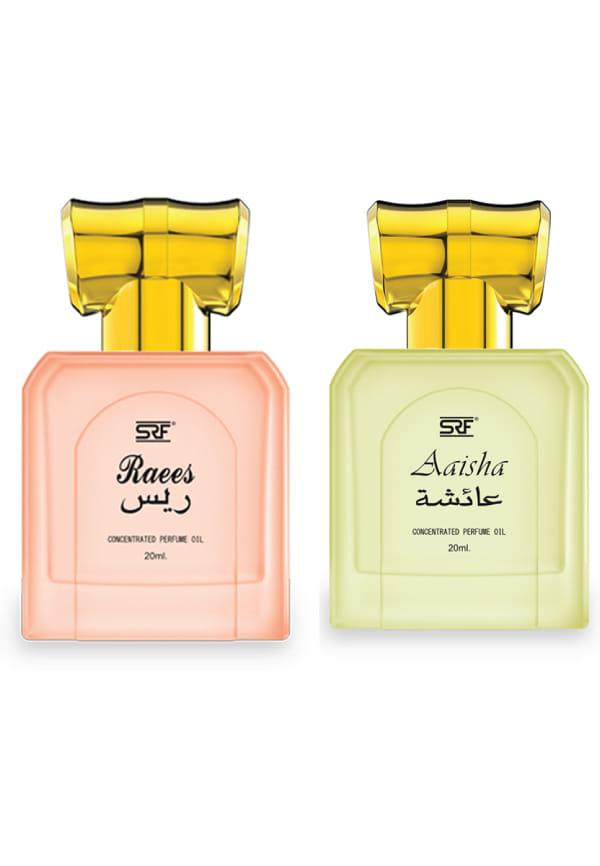
Srf Aaisha & Srf Raees Concentrated Perfume Oil
Nature-identical molecules are synthetic versions of compounds found in nature. They're chemically identical to their natural counterparts but produced in controlled laboratory conditions. Semi-synthetic compounds start with natural materials but undergo chemical modification to enhance certain properties.
Completely artificial aroma chemicals offer scent profiles impossible to achieve naturally. These innovative molecules expand the perfumer's palette, allowing for unique fragrance compositions that push creative boundaries.
The choice between natural and synthetic ingredients significantly impacts how a fragrance performs, smells, and behaves on your skin. Understanding these differences helps you choose scents that align with your preferences and lifestyle.
Synthetic ingredients often provide superior longevity and projection. They're designed to be stable and long-lasting, which means your fragrance stays noticeable throughout the day. Natural ingredients, while beautiful, can be more volatile and may fade faster, especially top notes like citrus oils.
Consistency is another major advantage of synthetic ingredients. Natural materials can vary between batches due to weather conditions, soil quality, and harvest timing. Your favourite natural perfume might smell slightly different from bottle to bottle, whilst synthetic formulations remain virtually identical.
Natural ingredients are often more expensive due to limited availability and labour-intensive extraction processes. A single kilogram of rose absolute requires approximately 4,000 kilograms of rose petals. Synthetic alternatives can be produced year-round without seasonal limitations, making them more cost-effective and readily available.
Supply chain disruptions, climate change, and political instability in growing regions can affect natural ingredient availability. Synthetic ingredients offer supply security and price stability that natural materials simply cannot match.
Safety concerns exist for both natural and synthetic fragrance ingredients, and it's important to separate fact from fiction. Neither category is inherently safer than the other - it all depends on the specific ingredients and how they're used.
Some studies have raised concerns about certain synthetic fragrance ingredients and their potential impact on hormone function. Phthalates, used as fragrance carriers, have been linked to endocrine disruption in some research. However, many fragrance companies have voluntarily removed phthalates from their formulations.
Regulatory bodies like the International Fragrance Association (IFRA) continuously review safety data and set usage limits for fragrance ingredients. These guidelines ensure that synthetic ingredients are used at safe levels in consumer products.
Natural doesn't automatically mean safe. Many natural fragrance ingredients are potent allergens. Citrus oils can cause photosensitivity, making your skin more susceptible to sun damage. Essential oils like cinnamon and clove can cause skin irritation even in small amounts.

Srf Al Shifa & Srf Raees Concentrated Perfume Oil
Natural ingredients can also contain impurities or contaminants that synthetic versions don't have. Proper sourcing and quality control are crucial for natural fragrance safety, just as they are for synthetic ingredients.
Fragrance allergies affect both natural and synthetic ingredients, and understanding common allergens can help you make informed choices. The European Union has identified 26 fragrance allergens that must be declared on product labels when present above certain concentrations.
Linalool and limonene, found naturally in lavender and citrus oils respectively, are among the most common fragrance allergens. Interestingly, these same molecules can be produced synthetically and carry the same allergenic potential. The source doesn't determine allergenicity - the molecular structure does.
Eugenol from clove oil, geraniol from rose oil, and citronellol from citronella are other natural allergens that frequently cause reactions. Synthetic allergens include certain musks and aldehydes used in modern perfumery.
If you have fragrance sensitivities, patch testing is your best friend. Apply a small amount of the product to your inner wrist and wait 24-48 hours to see if any reaction occurs. Start with products that have shorter ingredient lists, as they're easier to identify potential triggers.
Hypoallergenic fragrances typically avoid the most common allergens, but remember that 'hypoallergenic' doesn't mean allergy-proof. It simply means the product is less likely to cause allergic reactions.
Both natural and synthetic fragrance ingredients have environmental implications, though they differ significantly. Understanding these impacts can help environmentally conscious consumers make informed choices.
Natural ingredient harvesting can impact biodiversity if not managed sustainably. Sandalwood trees have been over-harvested in some regions, leading to strict regulations and conservation efforts. Rose farming requires significant water resources, whilst some extraction processes have considerable carbon footprints.
However, when sourced responsibly, natural ingredients can support local communities and traditional farming practices. Fair trade certifications ensure farmers receive fair compensation whilst maintaining sustainable harvesting methods.
Synthetic production can be more environmentally efficient, requiring less land, water, and energy than natural extraction. One laboratory can produce the equivalent of thousands of acres of natural materials. This efficiency reduces pressure on wild plant populations and agricultural land.
However, synthetic production does generate chemical waste that requires proper disposal. The biodegradability of synthetic molecules varies, with some breaking down quickly whilst others persist in the environment.
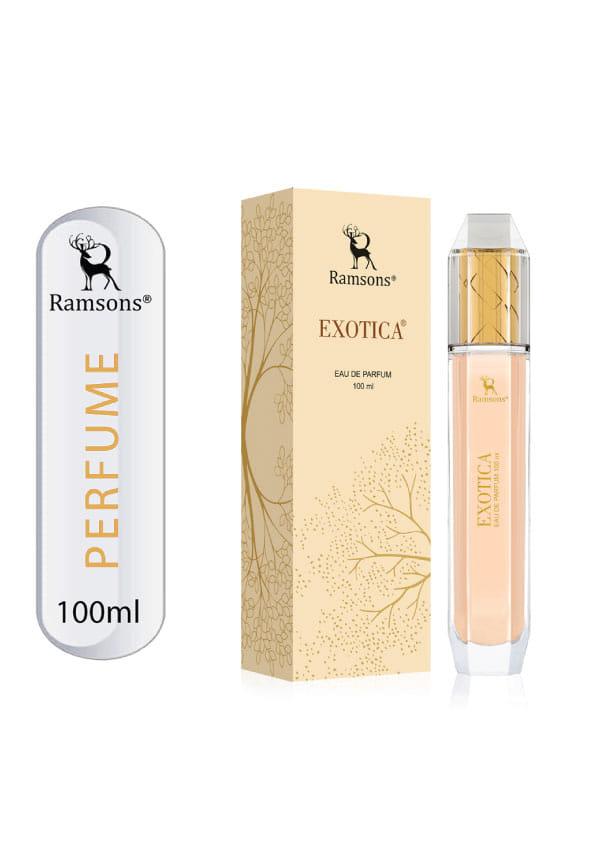
Exotica - Eau De Parfum
Some research suggests certain fragrance ingredients might disrupt endocrine function, including thyroid activity. Phthalates and some synthetic musks have been studied for potential hormonal effects. However, current evidence is limited, and regulatory bodies continue monitoring safety data. If you're concerned, look for phthalate-free formulations available on Smytten from brands committed to cleaner ingredients.
A 100% natural fragrance contains only ingredients derived from natural sources through physical processes like distillation or expression. No synthetic ingredients, including nature-identical molecules, are permitted. These fragrances often have shorter longevity and higher price points but appeal to consumers seeking completely natural products. Performance may vary compared to blended formulations.
Some synthetic fragrance ingredients have been studied for potential endocrine-disrupting effects. Certain phthalates and synthetic musks are of particular interest to researchers. However, many fragrance companies have reformulated to remove concerning ingredients. Current safety regulations require extensive testing, and usage levels are strictly controlled to minimise risk.
Consider your priorities: natural fragrances offer botanical authenticity but may have shorter longevity and higher costs. Synthetic fragrances provide consistency, longevity, and often better value. If you have sensitive skin, patch test regardless of the type. Many excellent fragrances blend both natural and synthetic ingredients for optimal performance.
Absolutely. Natural fragrance ingredients can be potent allergens. Essential oils like lavender, citrus, and tea tree contain allergenic compounds that can trigger reactions in sensitive individuals. Natural doesn't mean hypoallergenic. Always check ingredient lists and patch test new products, especially if you have known sensitivities.
Synthetic fragrances typically last longer due to their molecular stability and design. Natural ingredients, particularly top notes like citrus oils, tend to evaporate more quickly. However, some natural base notes like sandalwood and patchouli can be quite long-lasting. Modern perfumery often combines both types to achieve optimal longevity and complexity.
The choice between natural and synthetic fragrance ingredients isn't about right or wrong - it's about understanding what works best for you. Natural ingredients offer botanical authenticity and traditional appeal, whilst synthetic ingredients provide consistency, innovation, and often better performance. Both have safety considerations that require attention, and neither is inherently superior.
Consider your skin sensitivity, performance preferences, budget, and values when choosing fragrances. Many of today's best perfumes artfully blend natural and synthetic ingredients to create scents that are both beautiful and wearable. The key is finding fragrances that make you feel confident and happy, regardless of their ingredient origins.
Whether you're drawn to the romance of natural botanicals or intrigued by innovative synthetic molecules, the world of fragrance offers endless possibilities for exploration. Smytten makes discovering your perfect scent easier than ever with trial packs from over 1,500 trusted fragrance brands. With 100% cashback on trials and authentic brand-verified minis available across India, you can explore different fragrance types without committing to full-size purchases. From niche natural perfumes to cutting-edge synthetic compositions, Smytten's curated collection ensures you'll find scents worth obsessing over. After all, why settle for maybe when you can try it all and discover what truly speaks to your senses?
