Mastering Fragrance: A Step-by-Step Guide to Perfumes

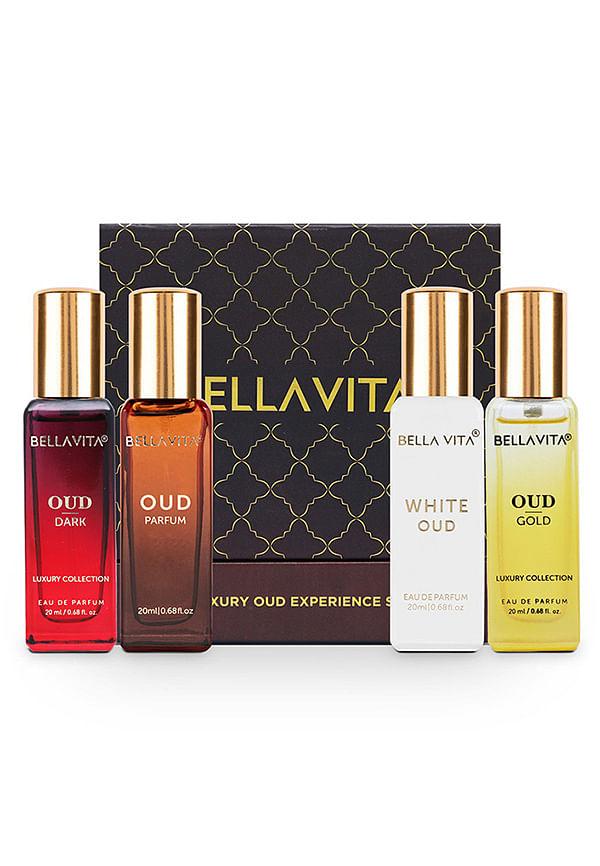
Organic Luxury OUD Experience Set
The fragrance world perfumes scene is honestly having a moment right now. Whether you've been curious about that signature scent everyone's been talking about or you're just dipping your toes into the world of fragrances, there's so much to discover. From understanding how perfume composition works to exploring everything from niche perfumes to those gorgeous oud fragrances that have taken over social media, mastering fragrances is like learning a whole new language. And the best part? Once you get the basics down, you'll never look at a perfume counter the same way again. Let's break it all down, step by step.
Think of fragrance as your invisible accessory that speaks before you even say hello. Getting familiar with the basics is like learning the foundation of any skill – it makes everything else click into place. The fragrance world might seem overwhelming at first, but once you understand how scents are built and categorised, you'll start noticing patterns everywhere.
Fragrance notes are basically the individual scent ingredients that make up a perfume. Picture them as different instruments in an orchestra – each one plays its part to create the final symphony. These notes can be anything from fresh citrus to warm vanilla, and they're what give each fragrance its unique personality.
Every perfume tells a story in three acts. Top notes are your first impression – they're bright and attention-grabbing but fade within the first 30 minutes. Heart notes are the main character of your fragrance story, lasting several hours. Base notes are the grand finale that sticks around all day, giving your scent depth and staying power.
Fragrance families are like personality types for perfumes. You've got your fresh and clean citrus family, the romantic floral family, the mysterious oriental family, and the grounded woody family. Understanding these families helps you figure out what kind of aromatic scents naturally draw you in.
Creating a perfume is honestly pure artistry. It's not just about mixing pretty-smelling things together – there's serious science and creativity involved. The way different ingredients interact with each other can completely transform a scent, and that's where the magic happens.
Perfumers are basically scent architects who spend years training their noses to recognise thousands of different ingredients. They're the creative minds behind every bottle, balancing art with technical knowledge to create something that connects with people emotionally.
Here's something that might surprise you – most modern perfumes use a mix of natural and synthetic ingredients. Synthetics aren't the villain here; they actually help create consistent scents and make some ingredients more sustainable. Natural ingredients bring authenticity, while synthetics offer creativity and longevity.
Aromatic scents bring that fresh, herbal quality to fragrances. Think rosemary, lavender, or sage – they add a clean, sometimes slightly medicinal quality that can make a fragrance feel more grounded and sophisticated.
The fragrance world is massive, and there's honestly something for everyone. From mainstream crowd-pleasers to those hidden gems that make you feel like you've discovered something special, understanding different types helps you navigate what's out there.
Niche perfumes are where creativity runs wild. These are usually from smaller, independent perfume houses that focus on artistic expression over mass appeal. They're often more complex, use unique ingredients, and might challenge what you think a perfume should smell like – in the best possible way.
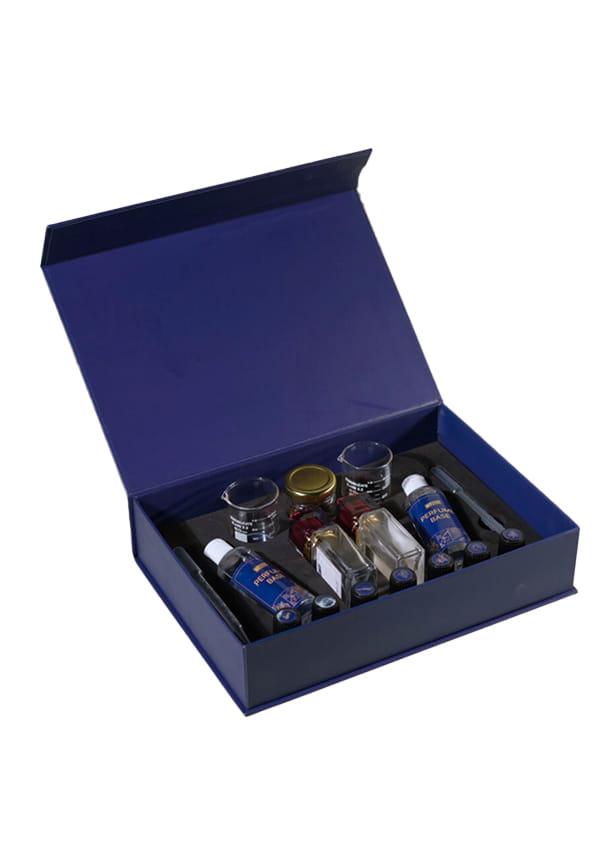
DIY Perfume Kit
Oud fragrances have absolutely taken over, and for good reason. This rich, woody scent from the Middle East is deep, complex, and completely captivating. It's like wearing liquid confidence – bold, mysterious, and unforgettable.
Unisex fragrances are having such a moment right now. They're designed to smell amazing on anyone, regardless of gender. These scents often focus on universal appeal with clean, woody, or fresh compositions that adapt beautifully to different skin types.
Luxury fragrances aren't just about the fancy bottles (though those are gorgeous). There's actual substance behind the price tags – from rare ingredients to centuries of expertise. Understanding what makes them special helps you appreciate the craft behind every spray.
The big names in luxury perfumes didn't get there overnight. These houses have generations of expertise, access to the finest raw materials, and often hold secrets to traditional techniques that create truly exceptional scents.
Luxury perfumes often involve hand-picking ingredients, traditional distillation methods, and sometimes aging processes that can take months. It's the difference between fast fashion and haute couture – the attention to detail is on another level.
Honestly? It depends on what you value. Luxury fragrances often have better longevity, more complex compositions, and use higher-quality ingredients. But whether that's worth it to you depends on your budget and how much fragrance means to your daily routine.
Finding your signature scent is like finding your personal style – it takes some experimenting, but when you know, you know. It's that fragrance that feels like an extension of your personality, the one that makes people think of you when they smell it elsewhere.
Your skin chemistry plays a huge role in how fragrances smell on you. Consider your lifestyle too – do you need something that works in an office environment or something more bold for evenings? Also think about what scents you naturally gravitate towards in other areas of your life.
Testing fragrances properly is an art form. Spray on your wrist, wait at least 30 minutes to let it develop, and live with it for a few hours. Don't test more than three at once – your nose needs breaks to reset.
Your fragrance wardrobe should change with the seasons. Lighter, fresher scents work beautifully in summer heat, while richer, warmer fragrances feel perfect during cooler months. It's like switching from cotton to cashmere.
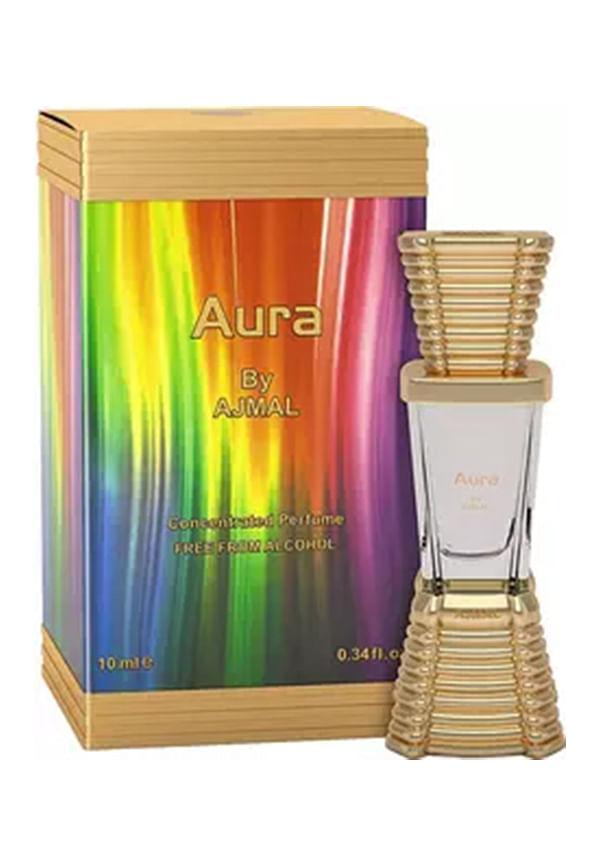
Aura Concentrated Floral Perfume
Artisanal perfumery is where passion meets craft. These smaller brands are pushing boundaries, experimenting with unusual ingredients, and creating scents that tell unique stories. It's the indie music of the fragrance world – and it's absolutely thriving.
Artisanal perfumes are usually crafted in small batches with careful attention to every detail. The perfumers often have complete creative control, using unique or rare ingredients that mass-market brands might not touch.
The artisanal perfumery scene is buzzing with talent. These brands often have fascinating backstories, whether they're inspired by travel, literature, or personal memories. Each one brings something completely different to the table.
Artisanal perfumery is only getting more exciting. With sustainable practices, innovative ingredients, and direct connections between creators and customers, it's shaping up to be the future of how we discover and experience fragrances.
Knowing how to apply your fragrance properly can make all the difference between a scent that lasts all day and one that disappears after an hour. It's not rocket science, but there are definitely some tricks worth knowing.
Apply to pulse points where your blood vessels are closest to the skin – wrists, behind ears, and at the base of your throat. These areas generate heat that helps project the fragrance. A light mist works better than heavy spraying.
Moisturise before applying fragrance – hydrated skin holds scent longer. Layer your fragrance with matching body lotion if available, and consider applying a tiny amount to your hairbrush before running it through your hair.
Don't rub your wrists together after applying – it crushes the fragrance molecules. Avoid applying directly to clothes as it can stain, and don't store fragrances in the bathroom where heat and humidity can break them down.
Building a fragrance collection is like curating your own personal scent wardrobe. Start with versatile pieces that work for different occasions, then branch out into more specific or adventurous choices as you discover what you love.
A well-rounded collection typically includes a fresh everyday scent, something more sophisticated for work or formal occasions, a cosy comfort fragrance for relaxed moments, and maybe something bold for special nights out. Think of them as your fragrance capsule wardrobe.
Keep fragrances away from direct sunlight and temperature changes. A cool, dark drawer or cupboard works perfectly. Original boxes aren't just packaging – they actually help protect the fragrance from light damage.
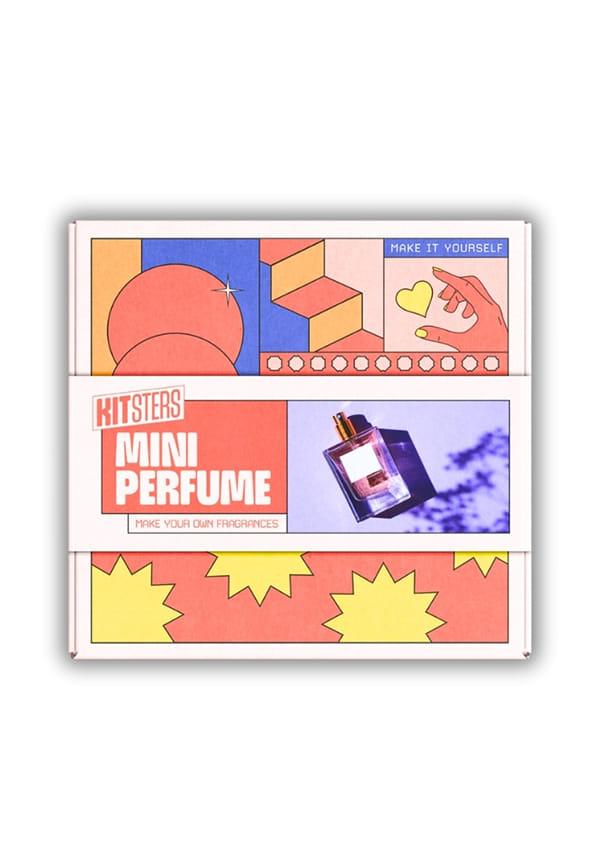
DIY Mini Perfume Kit
Rotating fragrances prevents nose blindness and keeps your collection feeling fresh. Switch based on seasons, moods, or occasions. It also helps you rediscover forgotten favourites that might surprise you all over again.
The global fragrance scene is absolutely fascinating. Different cultures have completely different relationships with scent, and understanding these differences opens up a whole world of olfactory experiences that you might never have considered.
India has such a rich fragrance heritage, from traditional attars to modern interpretations of classic scents. The Indian market has really embraced both international brands and local artisans who create beautiful, culturally-inspired fragrances.
Dubai has become a major fragrance destination, especially for oud and Middle Eastern-inspired scents. The city's position as a cultural crossroads means you'll find everything from traditional Arabian perfumes to cutting-edge international releases.
New markets are bringing fresh perspectives to fragrance. Sustainable ingredients, personalised scents, and digital fragrance experiences are all shaping where the industry is headed. It's an exciting time to be exploring fragrances.
Eau de parfum has a higher concentration of fragrance oils (usually 15-20%) making it stronger and longer-lasting. Eau de toilette has a lower concentration (5-15%) making it lighter and more suitable for daytime wear.
This really depends on the concentration and your skin type, but generally expect 4-8 hours. Eau de parfum typically lasts longer than eau de toilette, and oily skin tends to hold fragrance longer than dry skin.
Absolutely! Fragrance layering can create unique, personalised scents. Start with complementary fragrances from the same family, or try layering a simple base scent with something more complex on top.
Pay attention to what they already wear and enjoy. If they love fresh, clean scents, avoid heavy oriental fragrances. When in doubt, lighter, more universally appealing fragrances are usually safer choices.
While no perfume is 100% hypoallergenic, some brands create fragrances specifically for sensitive skin using fewer common allergens. Look for products labelled as suitable for sensitive skin or consider fragrance-free alternatives.
Mastering the fragrance world perfumes isn't about memorising every note or owning dozens of bottles. It's about understanding what works for you, appreciating the artistry behind each creation, and having fun with the discovery process. Whether you're drawn to niche perfumes, fascinated by oud fragrances, or just want to find that perfect signature scent, remember that fragrance is deeply personal. What smells amazing on your friend might not work for you, and that's perfectly fine. The beauty of fragrances lies in their ability to evoke memories, boost confidence, and express parts of your personality that words can't capture. So take your time, trust your nose, and enjoy exploring this wonderfully scented world.
