How to Prevent Fragrance From Smelling Sour on Skin in Humidity

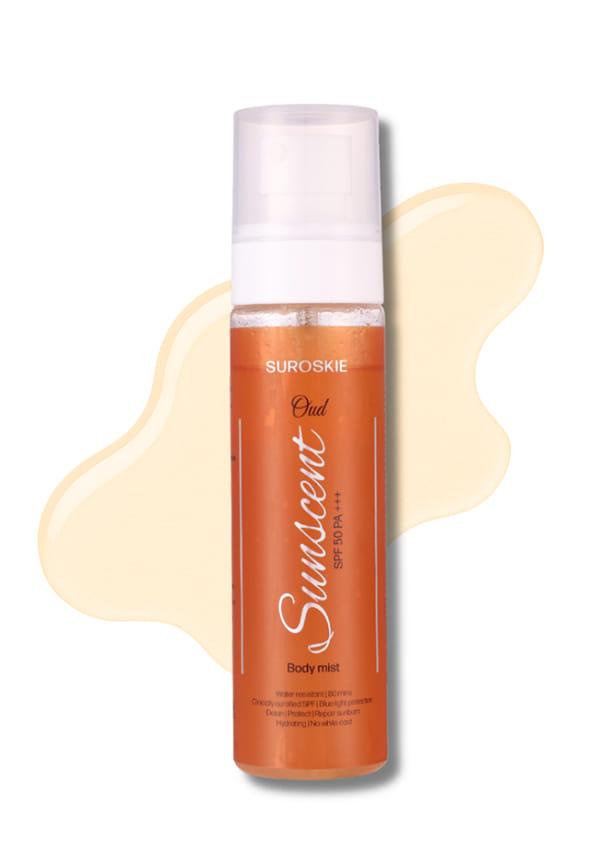
Sunscent Oud Body Mist
Ever spritzed your favourite fragrance only to catch a whiff of something that smells more like vinegar than vanilla? You're not alone. Humidity can turn even the most gorgeous scent into something that makes you question your life choices. The thing is, when moisture levels rise, your skin chemistry goes a bit rogue, and suddenly your signature scent becomes your biggest regret. But here's the good news—understanding why perfume turns sour in humid weather is the first step to fixing it. Whether you're dealing with monsoon madness or just living in a naturally humid climate, there are proper ways to keep your fragrance smelling exactly as intended. Plus, with platforms like Smytten offering trial packs of various fragrances, you can test how different scents react with your skin before committing to full-size bottles.
TL;DR
Humidity causes fragrance molecules to break down faster and interact differently with your skin's natural chemistry
Proper skin prep, strategic application techniques, and choosing the right fragrance types can prevent that sour smell
Citrus and fresh aquatic scents typically perform better in humid conditions than heavy musks or gourmand fragrances
Storage matters just as much as application—keep your perfumes cool, dry, and away from direct light
Your skin's pH level and natural oils play a huge role in how fragrance develops, especially when humidity is high
Let's get real about what's actually happening when your perfume decides to betray you. Humidity doesn't just make your hair frizzy—it completely messes with fragrance chemistry. When there's excess moisture in the air, it speeds up the evaporation of certain fragrance molecules whilst slowing down others, creating an imbalanced scent profile that can smell downright unpleasant.
Think of fragrance molecules as tiny dancers that need the right environment to perform. In humid conditions, these molecules get overly excited and start evaporating at different rates than intended. The top notes might disappear too quickly, leaving you with an unbalanced middle and base that wasn't meant to stand alone. This molecular chaos is what creates that sharp, acidic smell that makes you want to scrub your skin immediately.
Your skin isn't just a canvas for fragrance—it's an active participant in how scents develop. When humidity levels rise, your skin produces more natural oils and sweat, which can alter your skin's pH balance. Most fragrances are formulated to work with a slightly acidic skin pH (around 5.5), but increased moisture and bacterial activity can push your skin more alkaline, causing fragrance compounds to react differently and sometimes produce that dreaded sour smell.
Spotting a sour fragrance isn't always obvious at first spritz. Watch out for sharp, vinegar-like notes that weren't part of the original scent profile, metallic undertones that make the fragrance smell cheap, or an overall harsh quality that makes people step back rather than lean in. The fragrance might also seem to disappear much faster than usual, leaving behind only the unpleasant sour notes.
Right, now that we know why this happens, let's talk solutions. These aren't just random tips—they're based on actual fragrance chemistry and dermatology principles that work.
Clean skin is non-negotiable, but it's not just about being fresh. Use a pH-balanced, fragrance-free cleanser to remove any residual products, sweat, or bacteria that could interfere with your perfume. After cleansing, apply an unscented moisturiser to create a smooth base—dry skin can actually make fragrances smell sharper and more acidic. Wait about 10-15 minutes after moisturising before applying your fragrance to ensure your skin has absorbed the product properly.
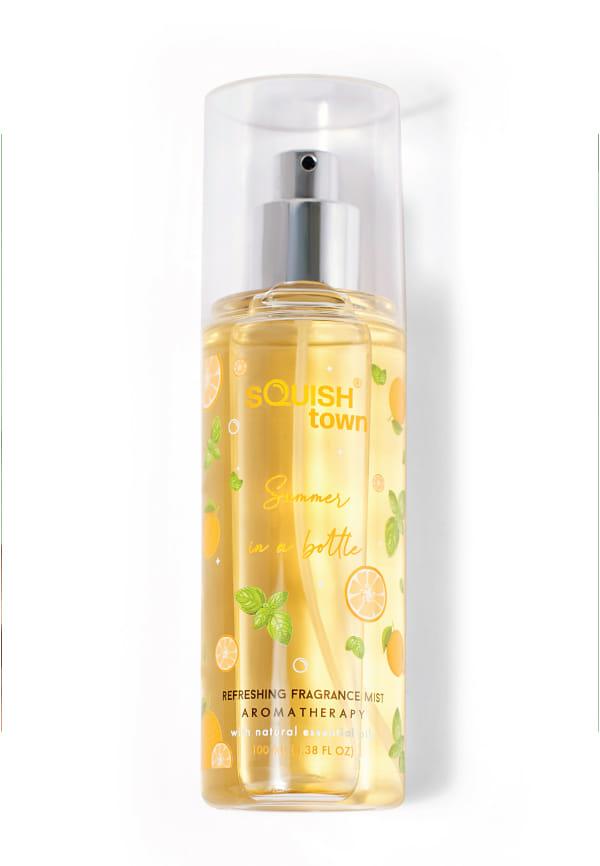
Summer in a bottle Fragrance Mist
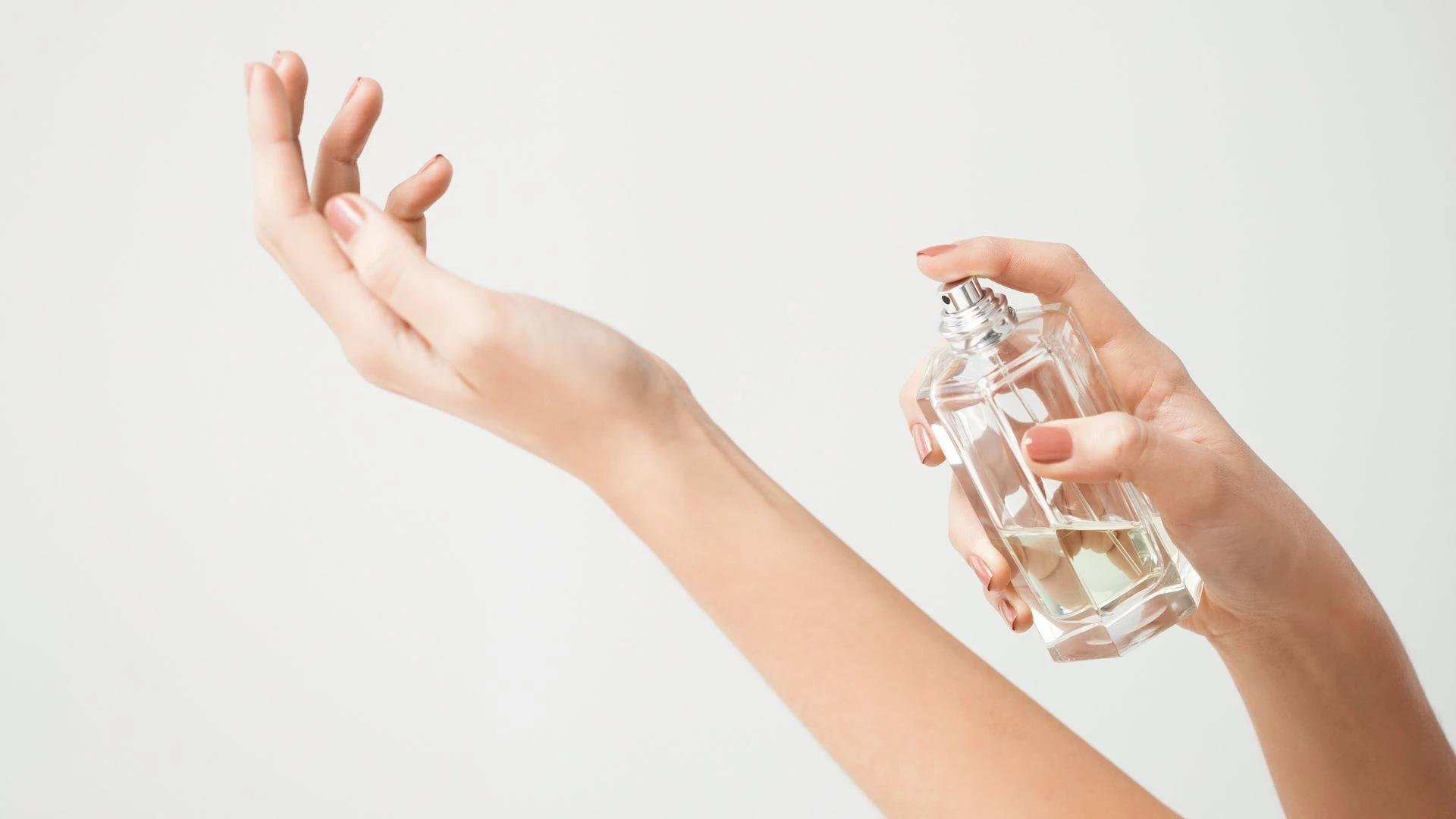
Forget everything you think you know about pulse points in humid weather. Instead of the usual wrists and neck (which tend to get sweaty), try applying fragrance to areas that stay relatively dry—like behind your ears, on your collarbones, or even on your clothing. Hold the bottle about 6 inches away from your skin and use light, even sprays rather than heavy application. In humidity, less really is more.
Not all fragrances are created equal when it comes to humid weather performance. Fresh, citrusy scents with bergamot, lemon, or grapefruit tend to maintain their integrity better than complex, layered fragrances. Aquatic notes like sea salt or marine accords are specifically designed to work well in moisture-heavy environments. Avoid heavy oriental fragrances or anything with lots of vanilla, amber, or musk during particularly humid days.
Choosing the right fragrance for humid conditions isn't about settling for something boring—it's about understanding which scent families actually thrive when the air gets thick and sticky.
Citrus fragrances are your best mates in humid weather because they're naturally acidic and less likely to clash with changes in your skin's pH. Fresh florals like lily of the valley or freesia work beautifully because they're light and airy. Green fragrances with notes like grass, leaves, or cucumber create a cooling effect that actually benefits from a bit of moisture in the air.
Here's where it gets interesting—Eau de Toilette (EDT) often performs better than Eau de Parfum (EDP) in humid conditions. The higher alcohol content in EDTs helps the fragrance evaporate more evenly, whilst the lower concentration of fragrance oils means there's less chance for the scent to become overwhelming or sour. If you're committed to a stronger concentration, try applying half the amount you normally would.
Heavy base notes like patchouli, sandalwood, and amber can become cloying and sour in humidity. Synthetic aldehydes, which give fragrances that sparkling quality, can turn sharp and metallic when mixed with excess moisture. Gourmand notes like caramel, chocolate, or heavy vanilla can become sickeningly sweet and then turn sour as they interact with your skin's changing chemistry.
Your fragrance storage game needs to be on point, especially if you live somewhere humid year-round. Poor storage can make even the most humidity-resistant fragrance turn sour before it even touches your skin.

Smoky Oud Body Mist Fragrance
Store your fragrances in a cool, dry place—ideally between 15-20°C with low humidity. Your bathroom might seem convenient, but it's actually the worst place for perfume storage due to temperature fluctuations and moisture from showers. A bedroom drawer or wardrobe shelf away from heating vents works perfectly. Some people swear by refrigerator storage, but this can actually cause condensation issues when you bring the bottle back to room temperature.
UV light breaks down fragrance compounds faster than you'd think. Keep your perfumes in their original boxes or in a dark cabinet. Never leave them on windowsills or dressing tables where they'll catch direct sunlight. If you must transfer fragrance to a smaller bottle for travel, use dark glass containers and fill them completely to minimise air exposure.
Your daily skincare routine has a massive impact on how fragrances perform, especially in humid conditions. Small tweaks can make the difference between a scent that lasts beautifully and one that turns sour within an hour.
Use antibacterial soap in areas where you plan to apply fragrance, but choose gentle, pH-balanced formulas that won't strip your skin. Exfoliate these areas 2-3 times a week to remove dead skin cells that can trap bacteria and alter scent development. Always moisturise with fragrance-free products—scented lotions can clash with your perfume and create unexpected chemical reactions.
Your diet actually affects how fragrances smell on your skin. Spicy foods, garlic, and excessive caffeine can alter your skin's natural scent and pH levels. Stay hydrated to help your skin maintain its natural balance, and consider taking probiotics to support healthy skin bacteria levels. If you're on medication, be aware that some drugs can change how fragrances develop on your skin.
Sometimes, despite your best efforts, things still go wrong. Don't panic—there are ways to salvage the situation and prevent it from happening again.
If your fragrance has already turned sour, don't try to cover it with more perfume—this will only make things worse. Instead, use a gentle, unscented soap to wash the affected areas, or try rubbing a bit of unscented hand sanitiser on the spots where you applied perfume. Some people find that dabbing a small amount of baking soda mixed with water helps neutralise acidic scents, but test this on a small area first.
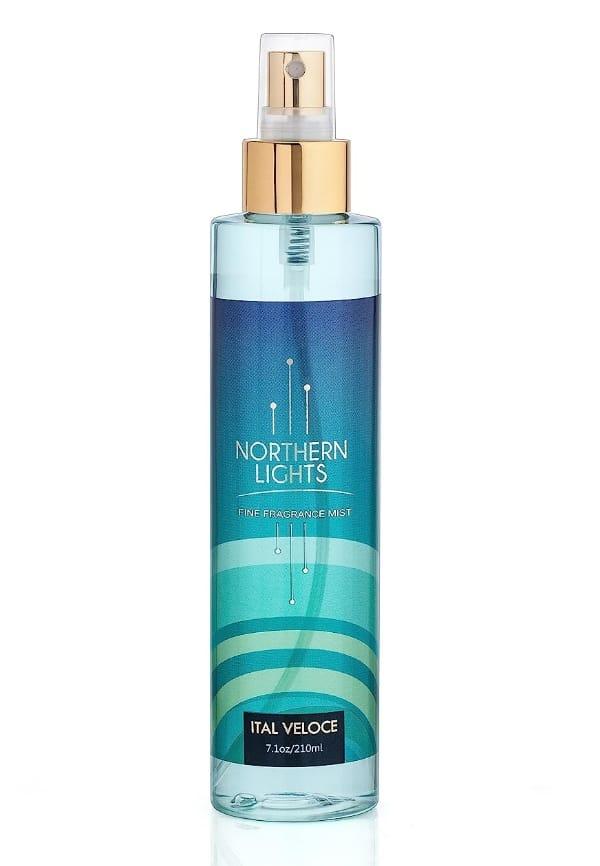
Northern Lights Fine Fragrance Mist
If fragrance consistently turns sour on your skin, consider getting your skin's pH tested by a dermatologist. You might need to adjust your skincare routine or even your diet to create a more fragrance-friendly environment. Some people benefit from using pH-balancing toners before applying perfume, whilst others find that switching to oil-based fragrances works better for their skin chemistry.
Humidity affects how fragrance molecules evaporate and interact with your skin. The excess moisture in the air can cause certain notes to become more prominent whilst others fade quickly, creating an unbalanced scent profile. Your skin also produces more oils and sweat in humid conditions, which can alter the fragrance's development.
Once a fragrance has turned sour, the best approach is to gently cleanse the area with unscented soap and water. Avoid trying to mask the smell with more perfume or other scented products, as this can make the problem worse. Wait until your skin is completely clean and dry before reapplying any fragrance.
Fresh citrus fragrances, light florals, and aquatic scents tend to perform best in humid conditions. These fragrance families are less likely to turn sour and often provide a cooling effect. You can explore different options through trial packs available on Smytten to find what works best with your skin chemistry.
Wait at least 10-15 minutes after cleansing and moisturising before applying fragrance. This gives your skin time to return to its natural pH balance and ensures that any skincare products have been properly absorbed. Applying perfume to damp or freshly cleansed skin can cause it to smell different than intended.
Yes, lighter concentrations like Eau de Toilette often perform better in humid conditions than heavier Eau de Parfum formulations. The higher alcohol content in EDTs helps with even evaporation, whilst the lower concentration of fragrance oils reduces the risk of the scent becoming overwhelming or turning sour.
Preventing fragrance from turning sour in humidity comes down to understanding the science behind scent development and making smart choices about application and storage. Focus on proper skin preparation, choose humidity-friendly fragrance families, and don't underestimate the importance of proper storage conditions. Remember that your skin chemistry plays a huge role in how fragrances develop, so what works for your friend might not work for you. The key is experimentation and finding the right combination of prep, application technique, and fragrance type that works with your unique skin chemistry and local climate conditions.
Finding the perfect fragrance that won't turn sour in humid conditions might feel like a challenge, but it's absolutely achievable with the right approach. The beauty of fragrance discovery lies in understanding how different scents interact with your unique skin chemistry and environment. Smytten makes this journey easier by offering curated trial packs from over 1,500 trusted fragrance brands, letting you test how various perfumes perform in your specific climate before investing in full-size bottles. With authentic brand-verified minis available through India's largest trial platform, you can explore everything from fresh citrus scents to light florals without the commitment. Each trial gives you the chance to see how a fragrance develops throughout the day, especially during those humid months when scent chemistry gets tricky. Plus, with 100% cashback on trials and PAN-India delivery, discovering your perfect humidity-proof fragrance has never been more accessible. After all, why settle for a fragrance that might turn sour when you can try it all and find the one that stays beautiful no matter what the weather brings?
