How to Master Scent Layering: Best Notes for Beginners


 250 ml
Love Passion Kiss Fragrance Mist
Ever caught a whiff of someone's scent and thought, "That smells absolutely divine, but I can't quite place what it is?" Chances are, they've mastered the art of scent layering. Creating your signature fragrance doesn't require a perfumery degree or a massive budget—just the right knowledge about which notes work beautifully together. Whether you're tired of wearing the same single fragrance or want to create something uniquely yours, learning the best notes for scent layering opens up a world of olfactory possibilities. Let's dive into this aromatic adventure and discover how to build fragrances that are completely, authentically you.
Scent layering is the art of combining multiple fragrances or fragrance notes to create a unique, personalised scent that's entirely your own. Think of it as creating a custom playlist, but for your nose. Instead of settling for off-the-shelf fragrances that thousands of others wear, you're crafting something that tells your story.
The beauty of mastering scent layering techniques lies in the endless possibilities. You can adapt your fragrance to match your mood, the season, or even the occasion. Feeling bold? Layer some spicy notes. Want something comforting? Add vanilla to your base. Plus, it's incredibly cost-effective—rather than splurging on expensive niche perfumes, you can create complex, sophisticated scents using affordable options.
Before diving into combinations, let's get familiar with how fragrances are structured. Every perfume follows what's called the fragrance pyramid, and understanding this is crucial for successful layering.
Top notes are what you smell first—they're light, fresh, and evaporate quickly. Think citrus fruits like bergamot and lemon, herbs like mint, or light florals like neroli. These create that initial "wow" moment but fade within 15-30 minutes.
Middle notes (or heart notes) emerge as the top notes fade. These form the core of your fragrance and include florals like rose and jasmine, spices like cinnamon, or fruits like apple. They typically last 2-4 hours and define the main character of your scent.
Base notes are the foundation—they're rich, deep, and long-lasting. Woods like sandalwood, musks, ambers, and vanilla fall into this category. These anchor your entire fragrance and can linger for 6-8 hours or more.
Here's where it gets interesting: different notes have different molecular weights, which affects how they evaporate and interact with your skin. Lighter molecules (top notes) evaporate first, while heavier ones (base notes) stick around longer.
When layering, fragrance base notes act as your anchor—they provide depth and longevity to your creation. Without a solid base, even the most beautiful top and middle note combinations will disappear too quickly, leaving you with a flat, short-lived scent.
Now for the fun part—discovering which notes play well together. Some combinations are practically foolproof, making them perfect starting points for beginners.
Vanilla is the ultimate team player in fragrance layering. It adds warmth and sweetness without being overwhelming, and it pairs beautifully with almost everything—from fresh citrus to deep woods. Whether you choose a pure vanilla or one with hints of caramel or bourbon, it's your safety net.
Musk comes in many forms—white musk for clean freshness, skin musk for intimate warmth, or animalic musk for depth. White musk is particularly beginner-friendly as it adds subtle depth without competing with other notes.
Sandalwood and cedar provide woody foundations that ground floral and citrus notes beautifully. Sandalwood offers creamy smoothness, while cedar brings dry, pencil-shaving warmth.
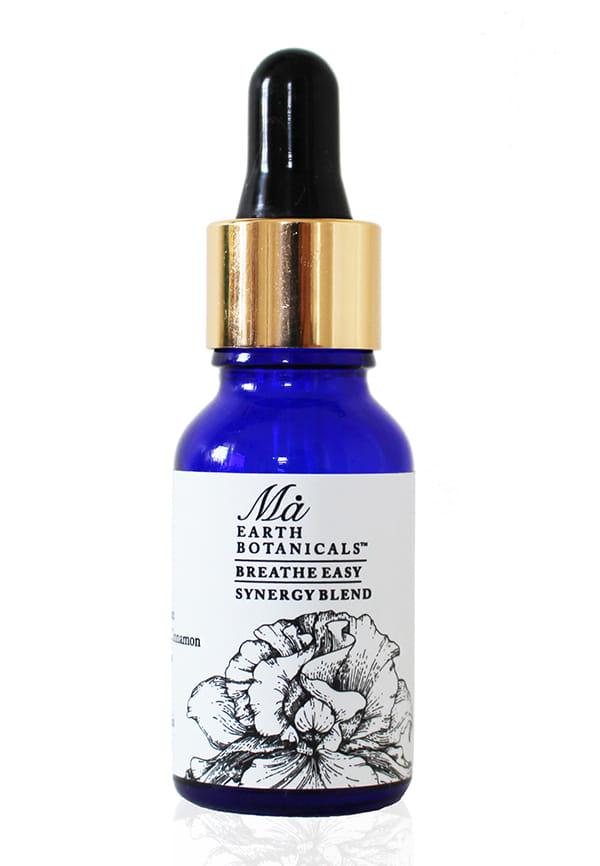 15 ml
15 mlBreathe Easy Synergy Blend
Amber creates a warm, resinous base that works magic with both fresh and oriental notes. It's like wrapping your fragrance in a cosy blanket.
Rose and vanilla create one of the most beloved perfume accords in perfumery. The floral elegance of rose balanced by vanilla's sweetness results in a romantic, wearable combination that works for any occasion.
Jasmine paired with woody notes creates sophisticated depth—the heady floral intensity of jasmine grounded by sandalwood or cedar prevents it from becoming too overwhelming.
Lavender and citrus form a fresh, clean combination that's perfect for daytime wear. The herbal quality of lavender with bright bergamot or lemon creates an uplifting, energising scent.
Bergamot acts as a brightener for almost any combination. Its citrusy freshness with subtle earl grey tea undertones adds sophistication to both floral and woody bases.
Fresh herbs like mint, basil, or rosemary bring green, aromatic qualities that can make heavy combinations feel lighter and more modern.
Light florals such as neroli or petitgrain add delicate freshness without competing with stronger middle or base notes.
Success in fragrance layering comes down to following a few key principles. These fragrance layering rules will help you avoid common mistakes and create harmonious combinations.
Always start with your heaviest, deepest scent—typically your base note fragrance. Apply it to your pulse points and wait 5-10 minutes before adding the next layer. This allows the first fragrance to settle and prevents the scents from muddling together.
Your pulse points—wrists, neck, behind ears, and inner elbows—are ideal for layering because the warmth helps diffuse the fragrances naturally.
Beginners should start with complementary layering—staying within similar scent families. For example, layering different florals or combining various woody notes. This approach is more forgiving and less likely to result in clashing combinations.
As you gain confidence, you can experiment with contrasting approaches—pairing opposites like fresh citrus with deep oud, or sweet vanilla with sharp herbs.
Over-application is the biggest rookie mistake. When layering, use less of each fragrance than you would if wearing it alone. The combination will amplify the overall scent intensity.
 100 ml
Edge Spray Perfume
Avoid pairing notes that naturally clash—like heavy musks with delicate florals, or competing sweet notes like vanilla and caramel together. Start simple and build complexity gradually.
Patience is crucial. Wait between applications and give your layered creation time to develop on your skin before judging the result.
Ready to create your first layered masterpiece? Here's how to layer fragrances like a pro, even if you're just starting out.
Step 1: Apply your base note fragrance to pulse points. Choose something with good longevity—vanilla, musk, or woody scents work brilliantly. Wait 5-10 minutes for it to settle.
Step 2: Add your middle note fragrance, focusing on different pulse points or layering lightly over the base. Floral or spicy scents work well here. Wait another 5 minutes.
Step 3: Finish with your top note—something fresh and light like citrus or herbs. Apply sparingly as these notes are naturally more volatile and project strongly initially.
Single-note layering involves using multiple fragrances that share one dominant note—like layering different vanilla-based perfumes to create vanilla intensity with complex undertones.
Seasonal adaptation means adjusting your combinations based on weather and occasion. Summer calls for lighter, fresher combinations, while winter allows for richer, spicier blends. This approach keeps your signature scent interesting year-round.
Let's explore some tried-and-tested perfume layering combinations organised by the mood or impression you want to create. These combinations are perfect for layering perfumes for beginners because they're balanced and harmonious.
For that just-stepped-out-of-the-shower feeling, try layering bergamot with white musk and a touch of light florals like neroli. This combination is perfect for daytime wear and hot weather.
Another winning fresh blend combines ocean breeze or aquatic notes with vanilla and bergamot. The vanilla prevents the aquatic notes from feeling too cold, while bergamot adds sophistication.
Create evening magic by layering amber with sandalwood and rose. The amber provides warmth, sandalwood adds creaminess, and rose brings romantic elegance.
For something more exotic, try vanilla with oud and jasmine. Start with just a tiny amount of oud as it's incredibly potent—a little goes a very long way.
 135 ml
Romance - Classic Collection
Peach, rose, and white musk create a feminine, approachable combination that's perfect for spring and summer. The peach adds juicy sweetness, rose provides floral elegance, and white musk grounds everything beautifully.
Berry notes with lavender and cedar offer a more modern, unisex approach. The berry provides fruity freshness, lavender adds herbal sophistication, and cedar brings woody depth.
Sandalwood, bergamot, and vetiver create a polished, office-appropriate scent that works for any gender. It's fresh enough for day wear but sophisticated enough for evening.
Cedar, vanilla, and orange blossom combine woody depth with sweet warmth and fresh florals—perfect for transitional seasons when you want something that's neither too heavy nor too light.
The best notes for beginners include vanilla (works with almost everything), white musk (adds clean depth), sandalwood (creamy and versatile), and bergamot (brightens any combination). These notes are forgiving and blend well with many other fragrances, making them perfect starting points for your fragrance layering guide journey.
Start with just two fragrances and master that before moving to three. More than three layers can become overwhelming and muddy. Focus on creating beautiful two-note combinations first—you'll be amazed at how complex and interesting they can be.
Absolutely! In fact, mixing brands often creates more unique results than sticking to one house. Focus on how the notes complement each other rather than brand compatibility. Quality matters more than matching labels.
Wait 5-10 minutes between each layer to allow the previous fragrance to settle into your skin. This prevents the scents from muddling together and gives each note space to develop properly. Your skin chemistry needs time to work with each fragrance.
Layering involves applying different fragrances sequentially to your skin, allowing each to interact with your natural chemistry. Mixing involves physically combining fragrances before application. Layering typically produces more complex, evolving results as different notes emerge over time.
Mastering scent layering is like learning a beautiful new language—one that speaks directly to emotions and memories. The best notes for scent layering are ultimately the ones that make you feel confident and authentically yourself. Start with the foolproof combinations we've shared, but don't be afraid to experiment and trust your nose.
Remember, fragrance is deeply personal. What smells divine on your best friend might not work for you, and that's perfectly fine. Your skin chemistry, lifestyle, and personal preferences all play a role in how fragrances develop and interact.
This is where platforms like Smytten become invaluable for fragrance enthusiasts. As India's largest product discovery and trial platform, Smytten offers curated trial packs from over 1,500 trusted brands, including an extensive fragrance collection. Instead of committing to full-size bottles that might not work for your layering experiments, you can explore mini-sized products from brands like Bella Vita, Love, Beauty & Planet, and many others. With up to 8 minis for just ₹249 and 100% cashback redeemable for future orders, you can affordably build your layering collection and discover your perfect combinations. When you find a fragrance you love, buying the full-size version is just a click away. After all, why settle for 'maybe' when you can Try It All!
