How to Layer Scents Like a Fragrance Pro
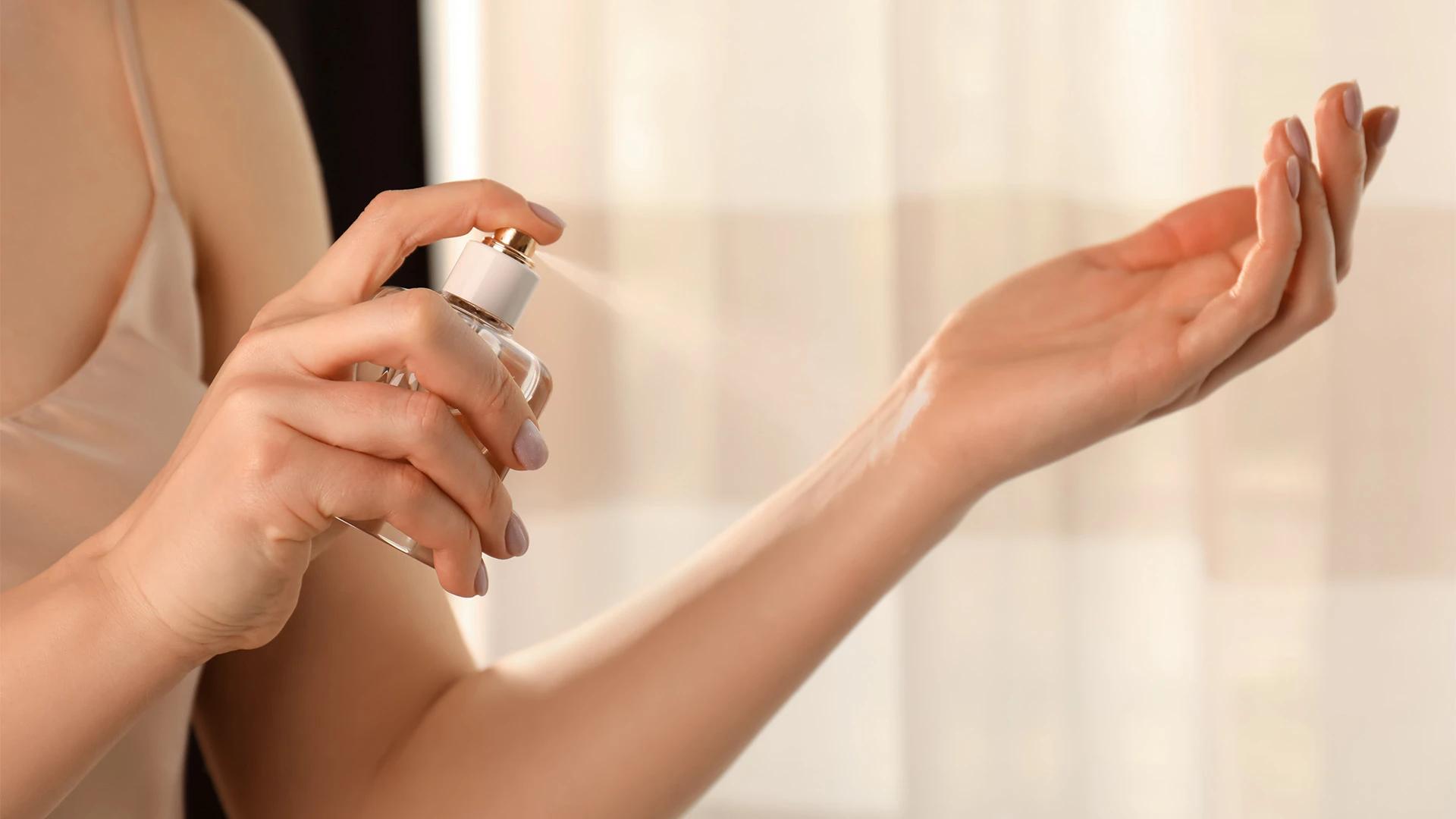

Ever caught a whiff of someone's scent and thought, "That smells absolutely divine, but I can't quite place it"? Chances are, they've mastered the art of fragrance layering. While most of us stick to our one trusty perfume, fragrance pros know the secret to creating truly unique, personalised scents lies in layering. It's like creating your own signature cocktail, but for your nose. The best part? You don't need a chemistry degree to get it right. With the right combinations and a bit of know-how, you can transform your everyday fragrance routine into something that's uniquely, unmistakably you. Ready to discover what scents layer well and become your own fragrance mixologist?
Think of fragrance layering like cooking—some ingredients naturally complement each other, whilst others might clash spectacularly. The key to successful fragrance layering combinations lies in understanding how different scent families interact with each other.
The golden rule? Start with scents that share similar undertones or belong to complementary fragrance families. For instance, citrus and floral notes are like best mates—they enhance each other without competing for attention.
Here's where it gets a bit nerdy, but stick with us. Fragrances are built in three layers: top notes (what you smell first), middle notes (the heart of the fragrance), and base notes (what lingers). Compatible fragrance notes work because their molecular structures don't interfere with each other.
For example, vanilla's sweet warmth pairs beautifully with woody notes like sandalwood because both have similar molecular weights. They settle into your skin at roughly the same pace, creating a harmonious blend rather than a fragrant fight.
If you're just starting your layering journey, these foolproof combinations are your training wheels:
Vanilla + Sandalwood: Sweet meets sophisticated—perfect for cosy evenings
Bergamot + Jasmine: Fresh citrus with romantic florals for daytime elegance
White Musk + Clean Cotton: The ultimate fresh, just-showered vibe
Rose + Oud: Traditional meets exotic for special occasions
Coconut + Amber: Tropical warmth that works year-round
Now that you know what works together, let's talk technique. Professional perfume layering techniques aren't just about spraying two scents and hoping for the best—there's actually a method to the madness.
The most important rule? Always start light and build up. Think of it like applying makeup—you can always add more, but it's much harder to take away.
This is the most beginner-friendly approach to layering perfumes for beginners. Start with your lighter, fresher scent as your base—think citrus, light florals, or aquatic notes. Let it settle for about 5-10 minutes (seriously, patience is key here), then apply your heavier, richer fragrance on top.
Why this works? Lighter molecules evaporate faster, so they need a head start. By the time you apply your second scent, the first has had time to meld with your skin's natural oils.
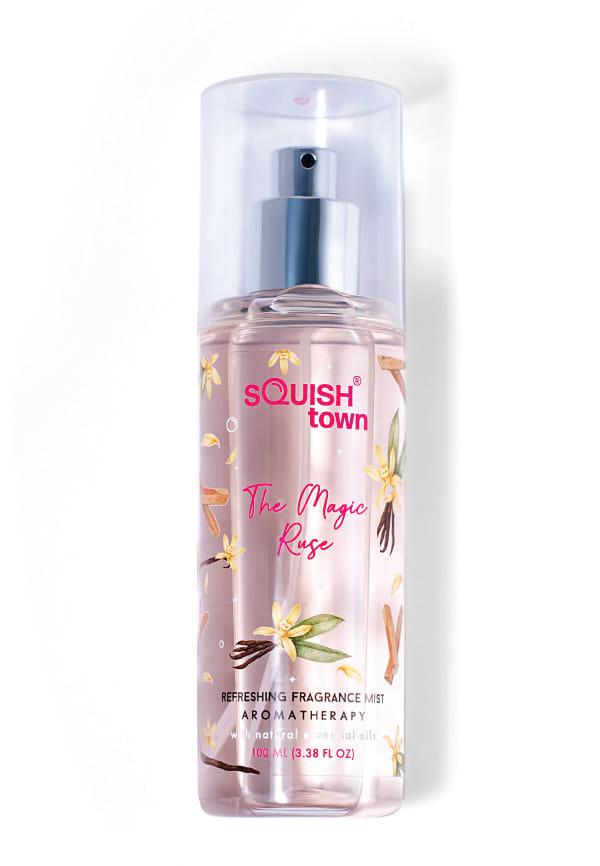 100 ml
The magic ruse Fragrance Mist
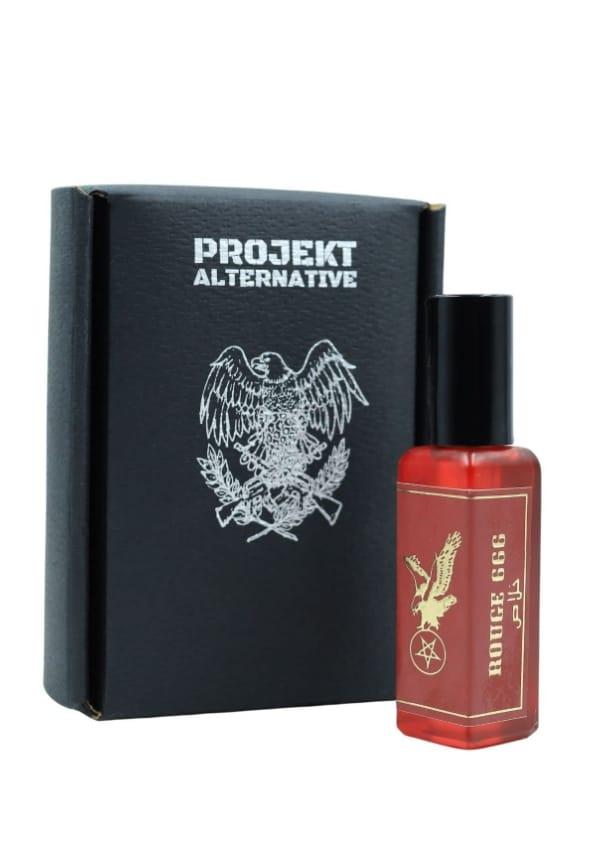 20 ml
20 mlRouge 666 By Projekt Alternative
Where you apply your layered scents matters just as much as what you're layering. Your pulse points—wrists, behind ears, base of throat—are the classic spots because body heat helps diffuse the fragrance.
Here's a pro tip: try applying different scents to different pulse points. Maybe bergamot on your wrists and vanilla behind your ears. As you move throughout the day, you'll catch different combinations of your layered scents.
This is where most people go wrong. Rushing the process is like trying to frost a cake before it's cooled—messy and disappointing. Give each layer 5-10 minutes to settle before adding the next. Use this time to see how the first scent develops on your skin.
Some best scent combinations are so reliable, they're practically foolproof. These tried-and-tested pairings work because they follow the fundamental principles of scent harmony—they either complement each other or create beautiful contrasts.
Think of these as your fragrance layering starter pack. Once you've mastered these, you can start experimenting with more adventurous combinations.
Fresh + Warm combinations are absolute winners. Try pairing a zesty bergamot with warm amber—the citrus keeps the amber from feeling too heavy, whilst the amber gives the bergamot depth and longevity.
Floral + Woody pairings create sophisticated, well-rounded scents. Rose and sandalwood is a classic for good reason—the rose provides romance whilst the sandalwood adds grounding earthiness.
Spicy + Sweet combinations like cinnamon and vanilla create cosy, gourmand scents that are perfect for autumn and winter. The spice prevents the vanilla from being too cloying, whilst the vanilla softens the cinnamon's edge.
Ready to level up? Try these more complex combinations:
Mint + Ocean Breeze + Light Musk: A three-layer fresh combination perfect for summer
Patchouli + Vanilla + Orange Blossom: Earthy meets sweet with a floral twist
Cedarwood + Lavender + Bergamot: Woody, herbal, and citrus for a unisex appeal
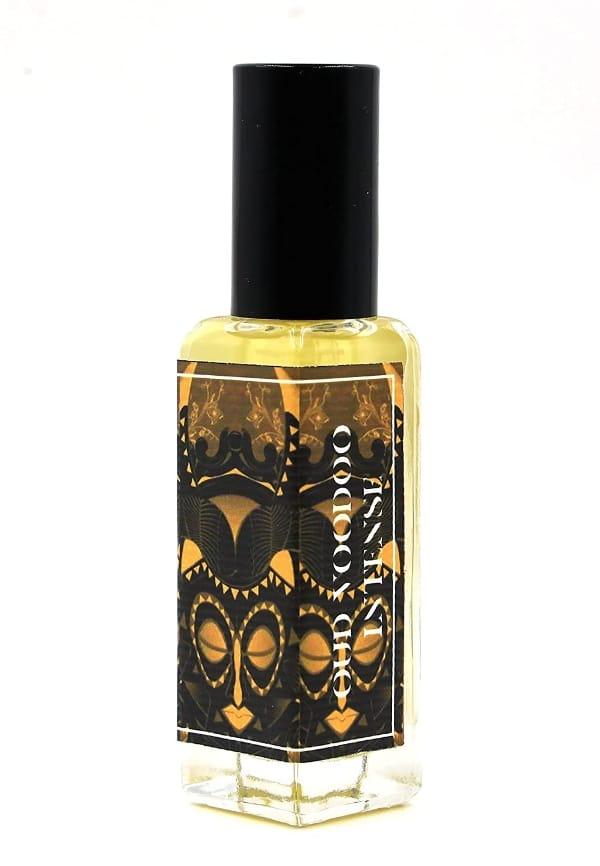 20 ml
20 mlOud Voodoo Intense By Projekt Alternative Extrait De Parfum
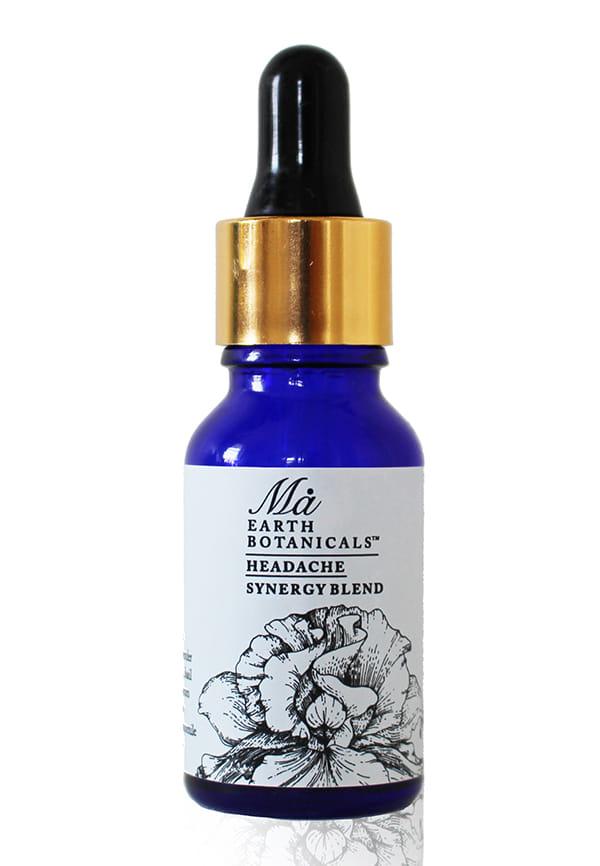 15 ml
15 mlHeadache Synergy Blend
Right, let's get practical. How to layer scents properly isn't rocket science, but there are definitely some do's and don'ts that can make or break your fragrance cocktail.
The beauty of fragrance layering is that it's deeply personal—what smells amazing on your best mate might not work on you, and that's completely normal. Your skin's pH, natural oils, and even your diet can affect how fragrances develop.
Start simple. Choose two fragrances you already own and love individually. Test them together on your wrist—apply one, wait 10 minutes, then apply the other slightly overlapping the first application.
Don't judge immediately. Fragrances need time to develop, so give your experiment at least 30 minutes before deciding if it's a winner or a dud. Keep notes on your phone about what works and what doesn't.
The biggest mistake? Going overboard with application. When you're layering, you need less of each individual scent than you'd normally use. Start with one spray of each and build up if needed.
Another common error is mixing fragrances from completely different families without understanding why they might clash. Oil-based and alcohol-based fragrances can behave differently on skin, so pay attention to your products' formulations.
You don't need dozens of fragrances to start layering effectively. A few versatile scents can create multiple combinations:
One fresh citrus (bergamot or lemon)
One warm vanilla or amber
One floral (rose or jasmine)
One woody (sandalwood or cedar)
One clean musk
Fragrance cocktailing takes layering to the next level. It's about creating completely new scent profiles by blending multiple fragrances in specific ratios and techniques.
Professional perfumers use these methods to create bespoke scents, but with a bit of practice, you can achieve similar results at home. The key is understanding how different application methods affect the final result.
This involves applying scents in order of intensity—lightest to heaviest. Start with your most delicate scent, let it settle, then add progressively richer fragrances. This creates a complex scent profile that evolves throughout the day.
 20 ml
20 mlKirk'S Debut By Projekt Alternative Extrait De Parfum
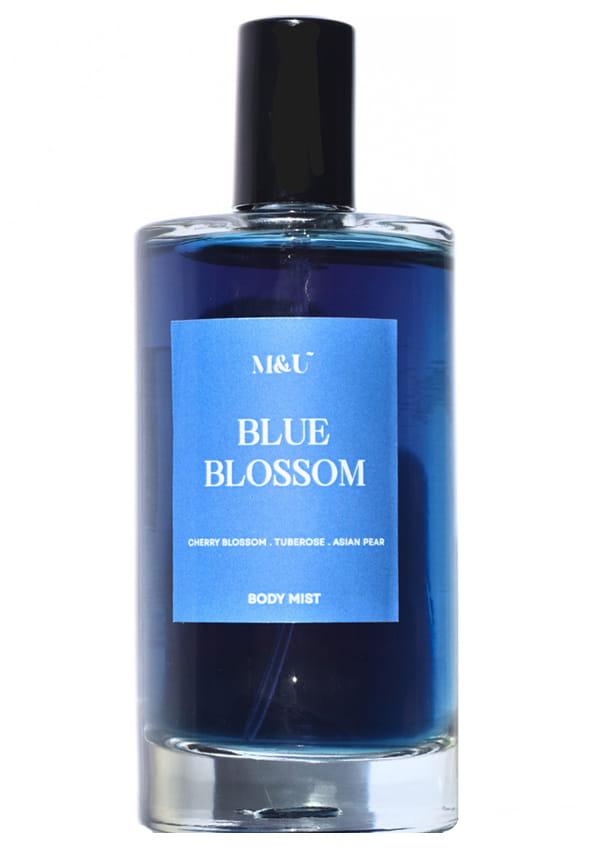 110 ml
Blue Blossom Body Mist
For example: start with a light citrus, add a soft floral after 10 minutes, then finish with a warm base note like vanilla or musk. Each layer supports the next, creating depth without overwhelming any single note.
Instead of layering on the same spot, try applying different scents to different areas. This creates a more subtle, complex scent cloud around you as the fragrances mingle in the air.
Try applying a fresh scent to your wrists and a warmer scent behind your ears. As you move, these scents will create different combinations depending on which pulse points are most active.
Sometimes combinations that should work on paper don't work on your skin. If scents are clashing, try adjusting the ratio—use less of the stronger scent or apply them to different areas of your body.
If a combination feels too heavy, add a light citrus or fresh note to brighten it up. If it feels too light or doesn't last, add a small amount of a deeper base note like musk or amber.
The ultimate goal of fragrance layering isn't just to smell nice—it's to create something that's uniquely you. Your signature scent profile should reflect your personality, lifestyle, and preferences.
This is where platforms like Smytten become invaluable. Instead of committing to full-size bottles of fragrances you might not love together, you can experiment with trial sizes. With over 1,500 trusted brands available in mini formats, you can explore different fragrance layering tips without the financial commitment. Getting up to 8 minis for just ₹249 means you can try multiple combinations and discover what truly works for your unique chemistry.
Your perfect scent combination might change with the seasons. Light, fresh combinations work beautifully in summer heat, whilst richer, warmer blends are perfect for cosy winter days.
Spring calls for floral and green combinations, whilst autumn is perfect for spicy and woody blends. Having a few go-to seasonal combinations means you'll always smell appropriate for the weather and occasion.
Just like you wouldn't wear the same outfit to a job interview and a beach party, your fragrance should suit the occasion. Light, professional combinations for work, romantic and sophisticated blends for date nights, and fun, playful combinations for casual outings.
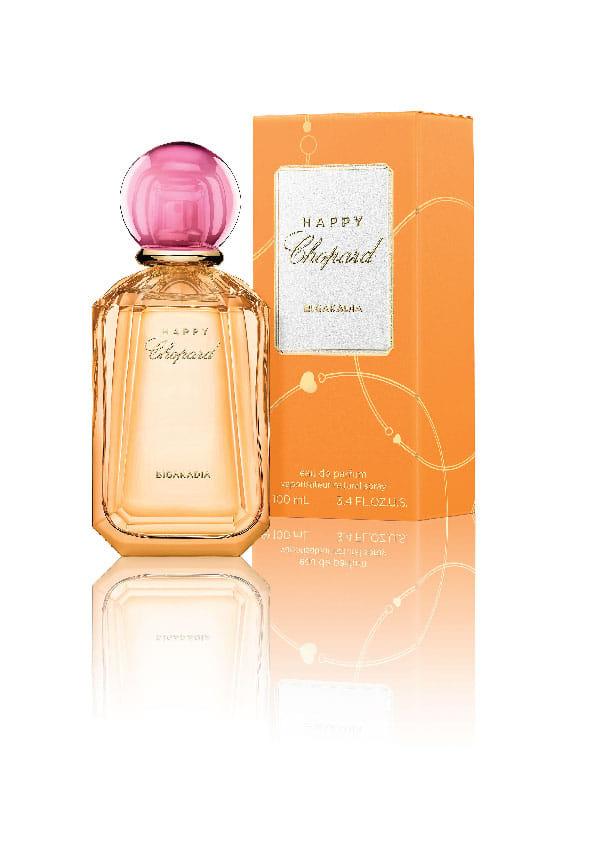 100 ml
Happy Bigaradia Eau de Parfum
 15 ml
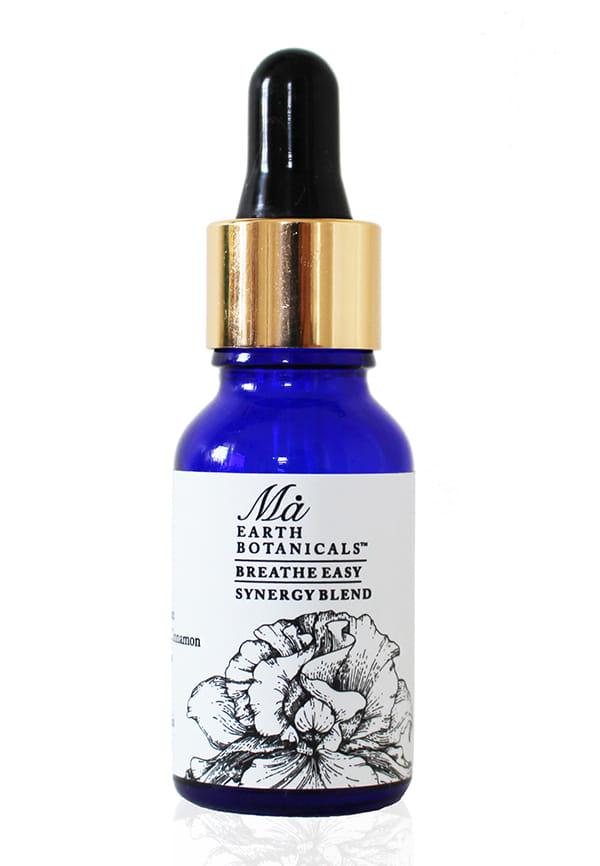
15 mlBreathe Easy Synergy Blend
For beginners, stick to 2-3 scents maximum. More experienced layerers can work with up to 4-5, but it requires a good understanding of how different notes interact.
Not necessarily. Many brands design their fragrances to work well together, but don't limit yourself. Some of the best combinations come from mixing different brands.
Wait 5-10 minutes between each layer. This allows the first scent to settle and prevents the fragrances from muddling together.
Absolutely! In fact, this can be a great way to adjust intensity. Use the EDT as your lighter base and the EDP for depth and longevity.
Layering applies scents separately, allowing each to maintain its character whilst blending naturally. Mixing combines fragrances before application, which can muddle the individual notes.
Skin is generally better for layering as your body heat helps the scents meld together. However, you can layer on clothes for a more subtle effect that lasts longer.
Mastering fragrance layering is like learning any new skill—it takes practice, patience, and a willingness to experiment. Start with simple, proven combinations and gradually work your way up to more complex blends. Remember, the best fragrance combination is the one that makes you feel confident and authentically you.
The beauty of fragrance layering lies in its endless possibilities. With Smytten's extensive collection of trial-sized fragrances from trusted brands, you can explore countless combinations without committing to full-size purchases. The platform's 100% cashback offer on trial minis makes experimentation both affordable and rewarding—perfect for discovering your ideal layering combinations.
Don't be afraid to break conventional rules or try unexpected combinations. Some of the most beautiful fragrances come from happy accidents and bold experiments. Keep a fragrance journal, note what works, and most importantly, have fun with the process. After all, why settle for a single scent when you can create something entirely your own?
