How to Layer Perfumes: A Beginner's Complete Guide


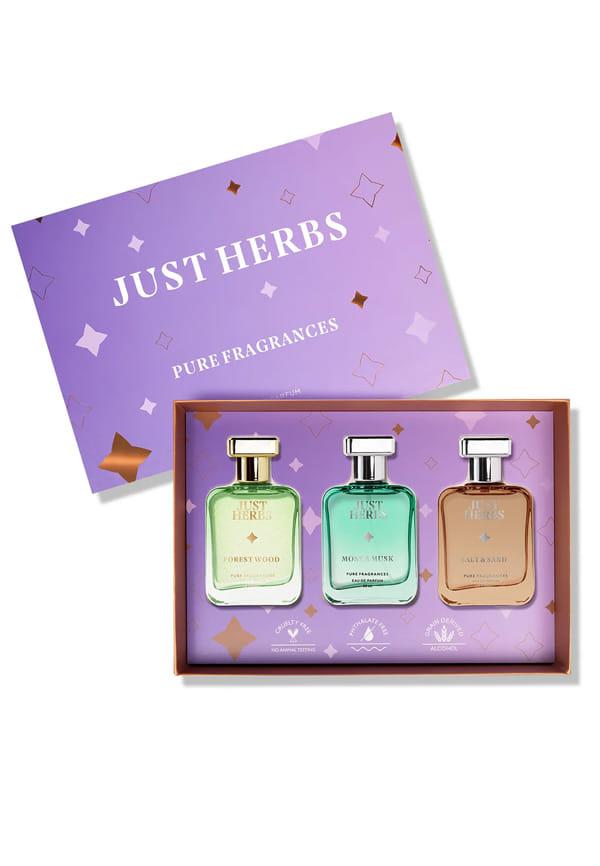 150 ml
Pure Fragrances Energising & Relaxing Trio Perfume Set
Ever caught a whiff of someone's scent and thought, "That smells absolutely divine, but I can't quite place what it is?" Chances are, they've mastered the art of perfume layering basics explained in the most effortless way. Fragrance layering isn't just for perfume pros—it's your ticket to creating a signature scent that's uniquely yours. Think of it as mixing your favourite playlist, but for your nose. You're about to discover how combining different fragrances can transform your scent game from basic to brilliant, and trust us, once you start experimenting with layering scents, there's no going back to single-note simplicity.
Fragrance layering is the art of combining two or more scents to create a custom fragrance that's entirely your own. It's like being your own perfumer, minus the fancy lab coat. Instead of settling for one fragrance that might be lovely but feels a bit predictable, you're creating something that reflects your personality in all its complex glory.
The beauty of layering lies in its ability to make even the most popular fragrances feel personal. You know that gorgeous floral everyone seems to be wearing? Layer it with a hint of vanilla or a touch of citrus, and suddenly it's transformed into something that screams 'you.' Plus, fragrance combinations often last longer on your skin than single scents, giving you better value for your money.
Real talk—layering also means you can make the most of those mini fragrances sitting in your collection. Instead of choosing between your fresh morning scent and that cosy evening fragrance, why not combine them for something that works perfectly for brunch dates or afternoon meetings?
Before diving into perfume layering techniques, let's get familiar with how fragrances actually work. Every perfume has three layers of notes that unfold over time: top notes (what you smell first), middle notes (the heart of the fragrance), and base notes (what lingers longest). Understanding this structure is crucial because it helps you predict how different scents will interact.
Your skin chemistry plays a massive role in how fragrances develop, which is why the same perfume can smell completely different on you versus your best mate. Factors like your skin's pH, moisture levels, and even what you've eaten can influence how a scent performs. This is exactly why scent layering tips always emphasise testing combinations on your skin rather than just on paper strips.
Not all fragrances play nicely together, and that's where understanding fragrance families becomes your secret weapon. Citrus and fresh scents pair beautifully with almost everything, making them perfect base layers for beginners.
Floral fragrances love woody companions—think rose with sandalwood or jasmine with cedar. Oriental and spicy scents work magic with vanilla, amber, or other warm base notes. The key is finding complementary rather than competing elements.
Avoid pairing heavy, dominant notes like strong oud with intense florals, or mixing multiple citrus-heavy fragrances that might create an overwhelming zesty explosion. Start with one statement scent and add subtle supporting players.
Ready to master how to layer perfume like a pro? The golden rule is to apply your heaviest, most intense fragrance first, then build up with lighter scents. This prevents the delicate notes from being overpowered by stronger ones.
Start with clean, moisturised skin—fragrance clings better to hydrated skin and lasts longer. Apply your base fragrance to pulse points: wrists, neck, and behind your ears. Wait about 10-15 minutes for it to settle and start developing on your skin before adding the next layer.
When applying your second fragrance, use a lighter hand. You're not trying to match the intensity of the first scent—you're adding depth and complexity. Focus on different pulse points or apply more sparingly to the same areas. The goal is harmony, not a fragrance war on your skin.
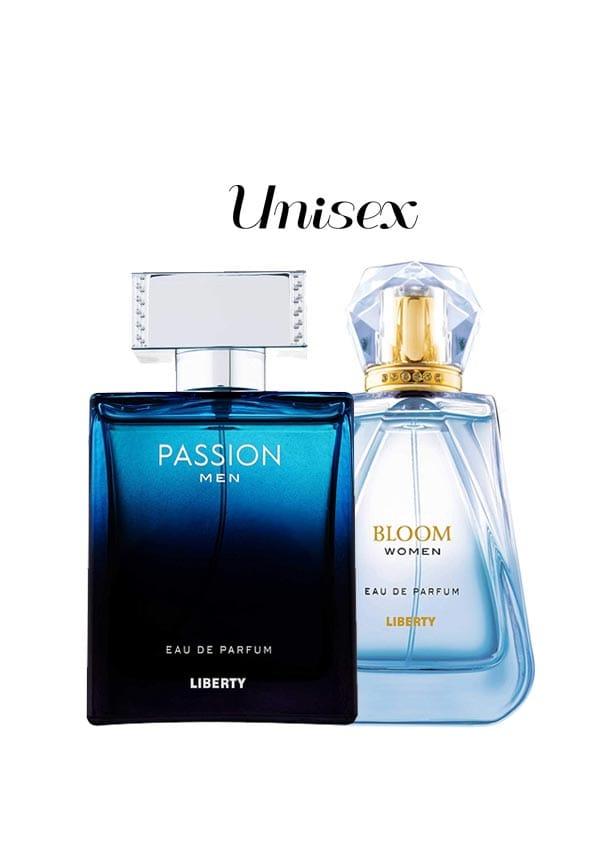 200 ml
Passion & Bloom Perfume Couple Gift Set Combo
Daytime layering calls for lighter, fresher combinations. Think citrus with soft florals or clean musks with a hint of fruit. These combinations won't overwhelm in close quarters like offices or cafes.
Evening allows for more drama. Rich base notes like vanilla, amber, or sandalwood can be your foundation, topped with something more complex like a spicy floral or a sophisticated woody scent.
Seasonal considerations matter too. Summer layering works best with lighter, more refreshing combinations, while winter invites warmer, more enveloping scent partnerships.
Let's get practical with some fragrance layering for beginners combinations that actually work. These pairings are nearly foolproof and perfect for building confidence in your layering skills.
Try pairing a light vanilla fragrance with fresh citrus for a sophisticated yet approachable scent. The vanilla adds warmth and depth while the citrus keeps things bright and modern. Another winning combination is soft floral with clean musk—think peony or lily with a subtle white musk base.
For something more adventurous, layer a woody scent with a hint of fruit. Sandalwood with pear or fig creates an intriguing contrast that's both grounding and playful. These combinations work because they complement rather than compete with each other.
Building a layering collection doesn't require breaking the bank. Start with versatile single-note fragrances or simple compositions that can serve as building blocks. A good vanilla, a fresh citrus, and a clean musk can create dozens of different combinations.
Consider incorporating scented body products into your routine. A vanilla-scented body lotion can serve as a subtle base layer, while your favourite perfume adds the main character. This approach also helps with longevity and creates a more cohesive scent experience.
Platforms like Smytten make experimenting with creating custom scents incredibly accessible. With trial-sized fragrances from over 1,500 trusted brands, you can test multiple combinations without committing to full-size bottles. This way, you can discover what works for your skin chemistry before investing in larger sizes.
Mastering perfume layering dos and donts will save you from some seriously regrettable scent combinations. These guidelines come from years of trial and error, so consider them your fragrance safety net.
Do start with lighter concentrations when you're beginning your layering journey. Eau de toilettes and eau fraîches are more forgiving than intense eau de parfums when you're still learning what works together.
Do allow each layer to dry completely before adding the next. This prevents the alcohol from different fragrances from interfering with each other and gives you a true sense of how the combination will develop.
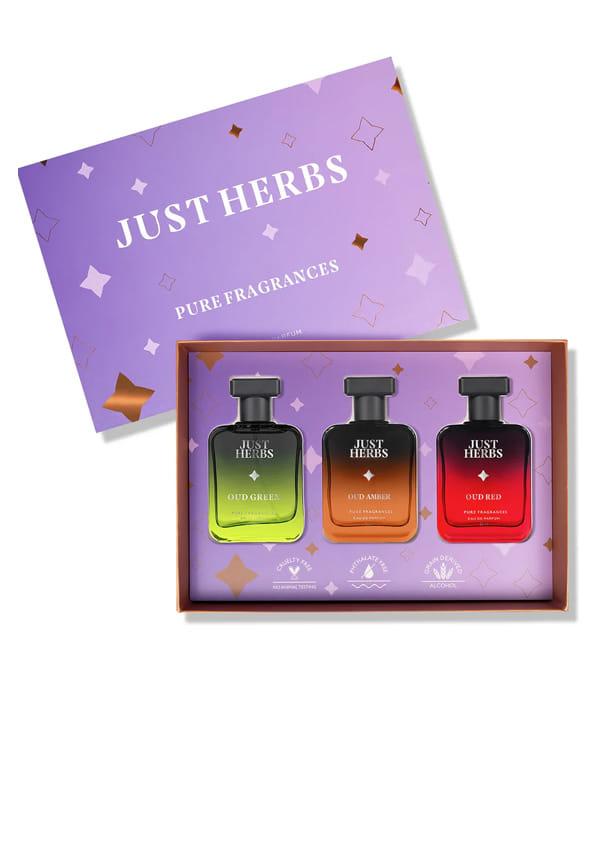 150 ml
Pure Fragrances Intense Oud Trio Perfume Set
Do keep a fragrance journal to track successful combinations. Write down what you layered, in what order, and how it performed throughout the day. This becomes invaluable reference material for future experiments.
Don't layer more than three fragrances at once when you're starting out. More isn't always better, and you risk creating a muddled mess rather than a sophisticated blend.
Don't ignore seasonal appropriateness. That gorgeous combination of heavy vanilla and intense florals might be perfect for a winter evening but overwhelming for a summer afternoon.
Don't apply too much of each fragrance. When layering, less is definitely more. You can always add another spritz, but you can't take it back once it's on your skin.
Even with the best intentions, sometimes fragrance combinations just don't work as expected. If your carefully planned layer smells off, don't panic—there are ways to salvage the situation.
If the combination feels too heavy or overwhelming, try applying a light, fresh scent over the top to brighten things up. Citrus-based fragrances are excellent for this purpose. Alternatively, you can dilute the intensity by applying unscented moisturiser over the areas where you've applied fragrance.
When scents clash rather than blend, it's usually because you've paired competing dominant notes. Next time, try using one fragrance as a subtle base and the other as the main event, rather than trying to give them equal billing.
Want your carefully crafted combination to last all day? Start with a scented body lotion or oil that complements your fragrance choices. This creates a base that helps the perfume cling to your skin longer.
Apply your fragrances to pulse points, but also consider less obvious spots like the inside of your elbows or behind your knees. These areas generate heat that helps diffuse the scent throughout the day.
Reapplication strategy matters too. Instead of spraying the same combination again, try refreshing with just one element of your layered scent—usually the lighter, more volatile top notes that fade first.
For beginners, stick to two or three fragrances maximum. As you become more experienced, you might experiment with more, but remember that complexity doesn't always equal better results.
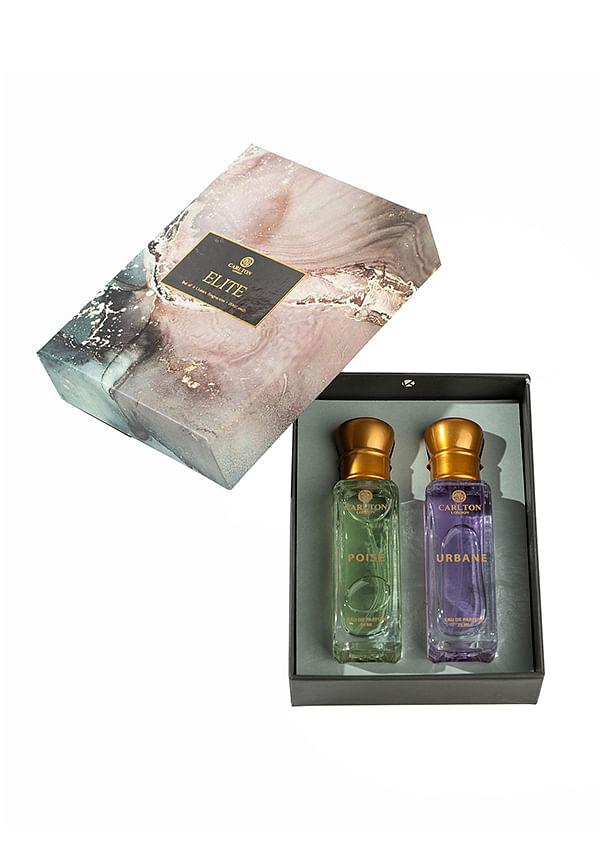 20ml* 2
Unisex Elite Limited Edition Fragrance Gift Set
Not necessarily. While fragrances from the same brand might be designed to work together, some of the most interesting combinations come from mixing different brands and styles.
Absolutely! In fact, this can be a great way to balance intensity. Use the eau de parfum as your base for longevity and the eau de toilette for lighter, fresher top notes.
Wait 10-15 minutes between each layer to allow the alcohol to evaporate and the fragrance to settle into your skin chemistry.
Layering involves strategically combining scents to create a cohesive new fragrance, while wearing multiple fragrances might just mean applying different scents without considering how they interact.
Test them on your skin first, starting with small amounts. Pay attention to how they develop over time and whether they complement or compete with each other.
Yes! Scented body products can serve as excellent base layers, and unscented ones help fragrances last longer by providing a moisturised base.
Both approaches can work beautifully. Similar scents create depth and richness, while contrasting scents can create interesting, complex combinations. Start with similar scents if you're nervous about experimenting.
Mastering perfume layering basics explained doesn't happen overnight, but the journey is half the fun. Start simple, experiment fearlessly, and remember that the best fragrance combination is the one that makes you feel absolutely brilliant. Your signature scent should tell your story, not someone else's.
The beauty of fragrance layering lies in its endless possibilities. With platforms like Smytten offering trial-sized fragrances from over 1,500 trusted brands, you can explore countless combinations without the commitment of full-size bottles. For just ₹249, you can get up to 8 minis to experiment with, plus enjoy 100% cashback that's redeemable for future purchases. This makes discovering your perfect fragrance combinations both affordable and exciting.
Whether you're drawn to fresh citrus blends, warm vanilla combinations, or sophisticated woody pairings, there's a layering technique that'll work for your style and budget. Remember, confidence is the best accessory to any fragrance combination, so wear your custom creations with pride. After all, why settle for ordinary when you can create something extraordinary?
