How to Layer Fragrances Like a Pro Perfumer

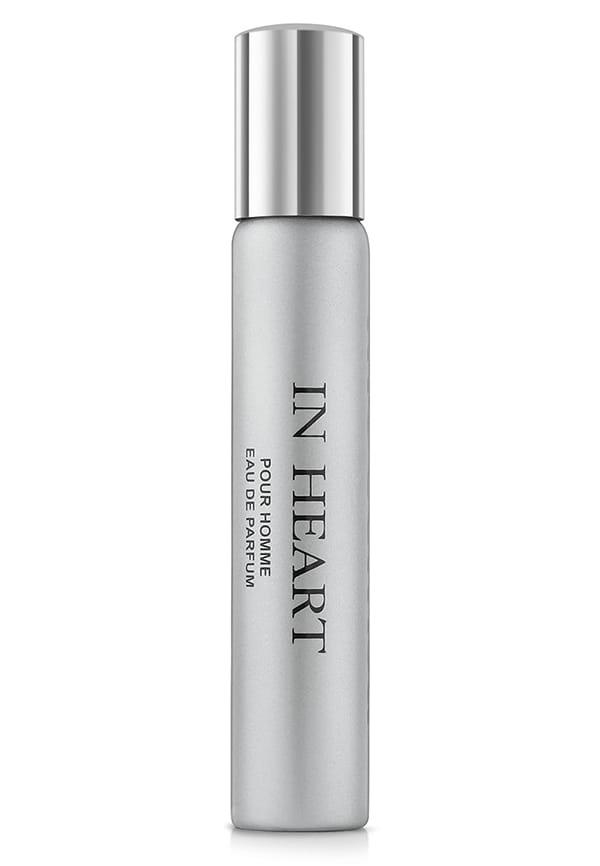 25 ml
25 mlIn Heart Pour Homme Edp
Ever wondered how some people smell absolutely divine with a scent that's impossible to place? The secret isn't a single expensive bottle—it's the art of fragrance layering. This guide to fragrance layering will teach you how to create your own signature scent by combining different fragrances like a pro perfumer. Whether you're new to the world of scents or looking to up your fragrance game, mastering these techniques will transform how you approach your daily scent routine. Let's dive into the world of layering scents and discover how to create something uniquely yours.
Fragrance layering is the technique of combining two or more scents to create a unique, personalised fragrance that's entirely your own. Think of it as creating a custom perfume without the hefty price tag. Professional perfumers use scent layering techniques to develop complex, multi-dimensional fragrances that evolve throughout the day.
The benefits of mastering fragrance combinations go beyond just smelling good. You get to express your personality through scent, make your fragrance last longer, and create something no one else will be wearing. Plus, it's a brilliant way to get more use out of fragrances you already own but might not love on their own.
Many people think layering perfumes for beginners is complicated or risky, but that's not true. The key is understanding which scents work well together and starting with simple combinations before moving to more complex blends. Professional perfumers approach this systematically, considering how different notes interact and complement each other rather than competing for attention.
Understanding fragrance structure is crucial for successful layering scents. Every fragrance has three layers: top notes (what you smell first), middle notes (the heart of the fragrance), and base notes (what lingers longest). When you layer fragrances, these notes interact and create new scent combinations that can be completely different from the individual perfumes.
Your skin chemistry plays a massive role in how fragrance combinations develop. Factors like your skin's pH, natural oils, and even what you've eaten can affect how scents smell on you. This is why a perfume layering guide that works for your friend might not work exactly the same way for you—and that's perfectly normal.
Start with fragrances from complementary families—florals with woods, citrus with musks, or orientals with vanillas. The 60-30-10 rule works brilliantly: use 60% of your dominant scent, 30% of your secondary fragrance, and 10% of an accent note if you're using three layers.
Timing matters more than you might think. Apply your heaviest, longest-lasting fragrance first, then layer lighter scents on top. Let each layer settle for about 30 seconds before adding the next—this prevents the scents from muddling together.
Ready to create your first layered masterpiece? This how to layer perfume method will set you up for success every time. The process is more straightforward than you might expect, but following the right order makes all the difference.
Step 1: Choose your base fragrance—this should be your heaviest or longest-lasting scent. Apply it to your pulse points: wrists, neck, and behind your ears. This forms the foundation of your layered creation.
Step 2: Select a complementary middle layer that enhances rather than fights with your base. Apply this more sparingly, focusing on one or two pulse points. Think of this as the supporting actor to your base fragrance's leading role.
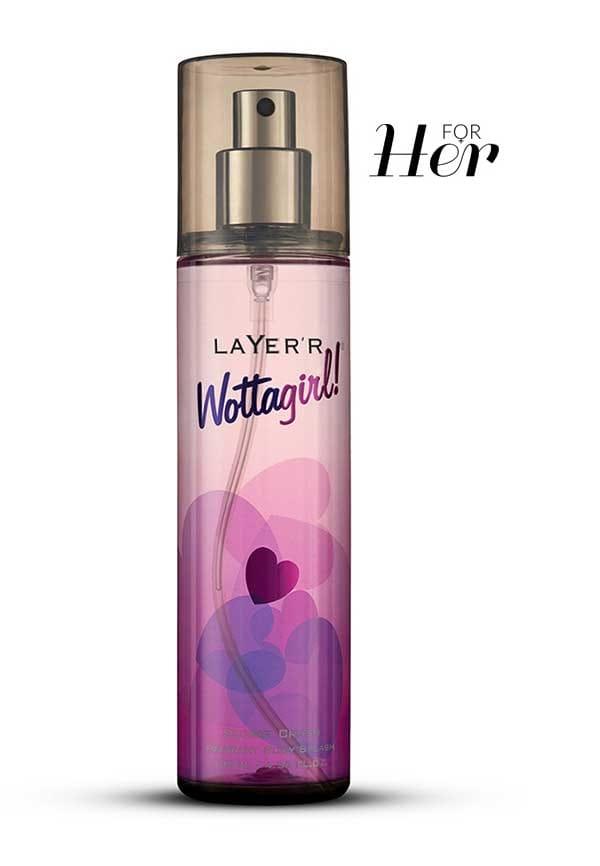 135 ml
Secret Crush
Step 3: Add accent notes strategically if you're feeling adventurous. A tiny dab of a third fragrance can add complexity, but less is definitely more here. Focus on just one pulse point for this final layer.
Step 4: Test and adjust the ratios. If one scent dominates too much, you can balance it out by adding more of another layer. Remember, you can always add more, but you can't take it away.
Different fragrance families have their own layering personalities. Understanding these will help you create harmonious combinations that smell intentional rather than accidental. Each family brings unique characteristics that can enhance or complement others when paired thoughtfully.
Florals are incredibly versatile for layering. Try pairing rose with vanilla for a romantic, gourmand twist, or jasmine with sandalwood for an exotic, sophisticated blend. White florals like gardenia work beautifully with clean musks.
Citrus scents are perfect base layers because they're light and energising. Bergamot pairs beautifully with white musk for a clean, spa-like scent, while lemon and cedar create a fresh yet grounded combination that works year-round.
These are your statement makers. Amber and oud create an incredibly luxurious combination, while spices layered with woods give you warmth and depth. These combinations work particularly well in cooler weather.
While fragrance has no gender rules, there are some popular approaches that tend to appeal to different preferences. Fragrance layering for women often focuses on floral and fruity combinations, though this is changing as more people experiment with traditionally masculine notes.
Fragrance layering for men typically emphasises woody, spicy, and fresh combinations. Think bergamot with cedar, or sandalwood with vanilla. However, the best approach is to focus on what you personally love rather than what's supposedly 'appropriate' for your gender.
Unisex layering strategies work brilliantly for everyone. Clean musks, vanilla, and woody notes are universally appealing and create sophisticated combinations that anyone can wear confidently.
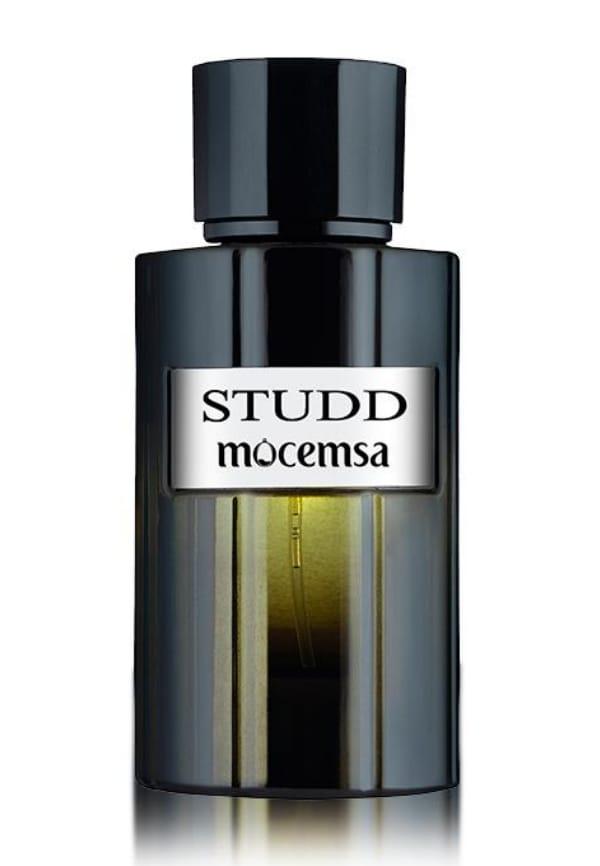 100 ml
Studd Pour Homme Edp
Ready for some tried-and-tested combinations? These perfume layering ideas have been perfected through trial and lots of happy accidents. Start with these foolproof combinations before creating your own experimental blends.
For beginners, try vanilla with any citrus for a fresh yet comforting scent, or white musk with light florals for an effortlessly elegant combination. Sandalwood pairs beautifully with almost anything—it's like the little black dress of fragrance layering.
Seasonal considerations matter too. Summer calls for lighter combinations like citrus and aquatic notes, while winter is perfect for richer blends with amber, vanilla, and spices. Spring loves fresh florals with green notes, and autumn embraces woody and spicy combinations.
For day-to-night transitions, start with a fresh base in the morning and add deeper, more sensual notes in the evening. This technique lets you transform your scent without starting completely fresh.
Even with the best intentions, it's easy to go wrong with scent layering techniques. The most common mistake is over-layering—using too many fragrances or applying too much of each. Remember, subtlety is your friend, and you can always add more.
Mixing incompatible fragrance families is another pitfall. While experimentation is encouraged, some combinations just don't work. Heavy orientals with light citrus, for example, often result in a muddled mess rather than a harmonious blend.
Application order matters more than you might think. Always apply your heaviest, most long-lasting fragrance first, then layer lighter scents on top. Doing it the other way around means your lighter scents get completely overwhelmed.
Ignoring your skin chemistry is a mistake many beginners make. What smells amazing on someone else might not work on you, and that's completely normal. Always test combinations on your own skin before committing to wearing them out.
Once you've mastered the basics, you can explore more sophisticated approaches. Using fragrance oils alongside traditional perfumes creates interesting depth—oils tend to sit closer to the skin and provide a subtle base for your perfume layers.
Layering with scented body products is another pro technique. Use a vanilla-scented body lotion as your base, then add a floral perfume on top. This creates a more complex, longer-lasting scent experience that develops beautifully throughout the day.
Consider environmental factors too. Humidity and temperature affect how fragrances develop and project. What works perfectly in air conditioning might be overwhelming in humid weather, so adjust your ratios accordingly.
Smytten makes exploring these advanced techniques incredibly accessible. With trial packs from over 1,500 trusted fragrance brands, you can experiment with different combinations without committing to full-size bottles. Getting up to 8 minis for just ₹249 means you can try multiple scents and discover which combinations work best for your skin chemistry and personal style.
 Pack of 2
Dream Spray Perfume
For beginners, stick to two or three fragrances maximum. Once you're more experienced, you can experiment with more layers, but remember that complexity doesn't always mean better.
Yes, wait about 30 seconds between applications. This prevents the scents from mixing too much initially and allows each layer to settle properly on your skin.
Absolutely! In fact, this can work really well. Use the stronger concentration (EDP) as your base and the lighter one (EDT) as your top layer for a more nuanced result.
Apply to moisturised skin, focus on pulse points, and use the heaviest fragrance as your base layer. You can also layer with matching scented body products for extra longevity.
Always start with the heaviest, most long-lasting fragrance and work your way up to the lightest. This prevents lighter scents from being completely overwhelmed by stronger ones.
If you've applied too much, try dabbing with a damp cloth to remove some of the fragrance. For future attempts, start with less product and build up gradually. Sometimes adding a neutral scent like vanilla or white musk can help balance an off combination.
Mastering fragrance layering is like learning any art form—it takes practice, experimentation, and a willingness to make mistakes. The beauty of this guide to fragrance layering is that there are no strict rules, only guidelines to help you create something uniquely yours. Start with simple combinations, trust your nose, and don't be afraid to try unexpected pairings.
The key to successful layering scents lies in understanding your preferences and skin chemistry. What works for others might not work for you, and that's perfectly fine. The goal is to create combinations that make you feel confident and express your personality through scent.
With platforms like Smytten, exploring fragrance combinations has never been more accessible or affordable. You can try multiple scents from trusted brands without the commitment of full-size purchases, making it easier to discover your perfect layering combinations. After all, why settle for one fragrance when you can create endless possibilities through the art of layering?
