How to Choose Fragrance: A Beginner's Perfume Selection Guide

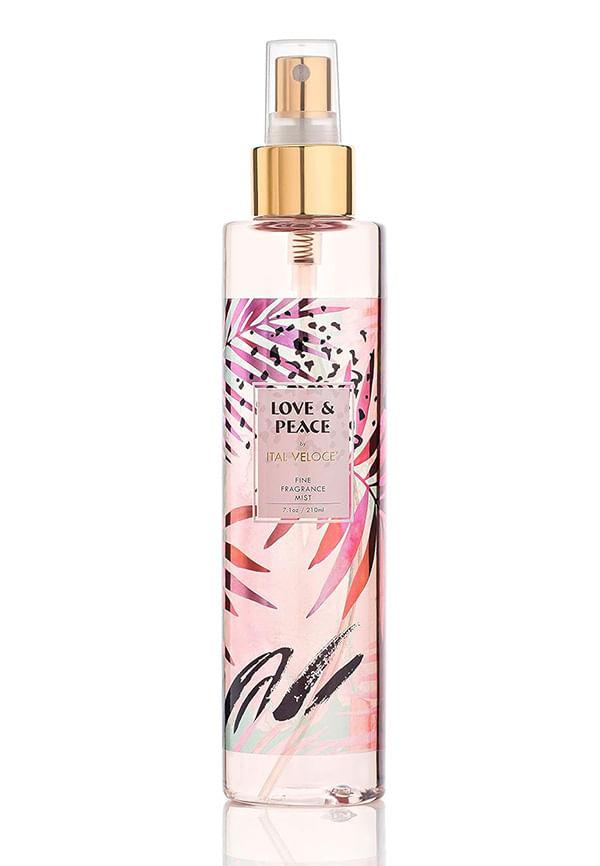 210 ml
Love and Peace Fine Fragrance Mist/Body Mist
Finding your perfect fragrance can feel like searching for a needle in a haystack. With thousands of scents out there, where do you even begin? Whether you're completely new to the fragrance world or just tired of wearing the same scent for years, this guide will walk you through everything you need to know about how to choose fragrance that truly suits you. From understanding scent profiles to testing techniques that actually work, we'll break down the art of perfume selection into simple, actionable steps. Ready to discover your next signature scent?
Before diving into how to select a fragrance, let's get familiar with the building blocks of perfume. Think of fragrance like music—it has different notes that play together to create a complete composition.
Every perfume tells a story through three distinct layers. Top notes are what you smell first—usually fresh, bright scents like citrus or herbs that last about 15 minutes. Heart notes (or middle notes) form the core of the fragrance, featuring florals, fruits, or spices that emerge after the top notes fade. Finally, base notes are the foundation—deep, rich scents like vanilla, musk, or wood that linger for hours.
Understanding fragrance notes becomes easier when you know the four main scent families:
Fresh: Think citrus, aquatic, and green scents—perfect for everyday wear
Floral: Rose, jasmine, and lily dominate this romantic category
Woody: Warm cedar, sandalwood, and vetiver create sophisticated depth
Oriental/Ambery: Rich, warm, and spicy with notes like amber, vanilla, and exotic spices
The concentration of fragrance oils determines how strong and long-lasting your scent will be. Parfum contains 20-30% oils and lasts all day, whilst Eau de Parfum (15-20%) offers 6-8 hours of wear. Eau de Toilette (5-15%) is lighter and perfect for daytime, and Eau de Cologne (2-5%) provides a fresh, short-lived burst.
Here's something most fragrance guides won't tell you: the same perfume can smell completely different on two people. Your skin's natural chemistry plays a huge role in how fragrances develop and last.
Oily skin tends to hold fragrance longer and works beautifully with stronger, more complex scents like woody or oriental fragrances. If you have dry skin, you might find that lighter, fresher scents like citrus or florals complement your natural chemistry better, though you may need to reapply more frequently.
Your skin's pH level affects how fragrance molecules interact with your natural oils. Slightly acidic skin (lower pH) tends to make fragrances smell more intense, whilst alkaline skin (higher pH) can make them appear softer or fade faster.
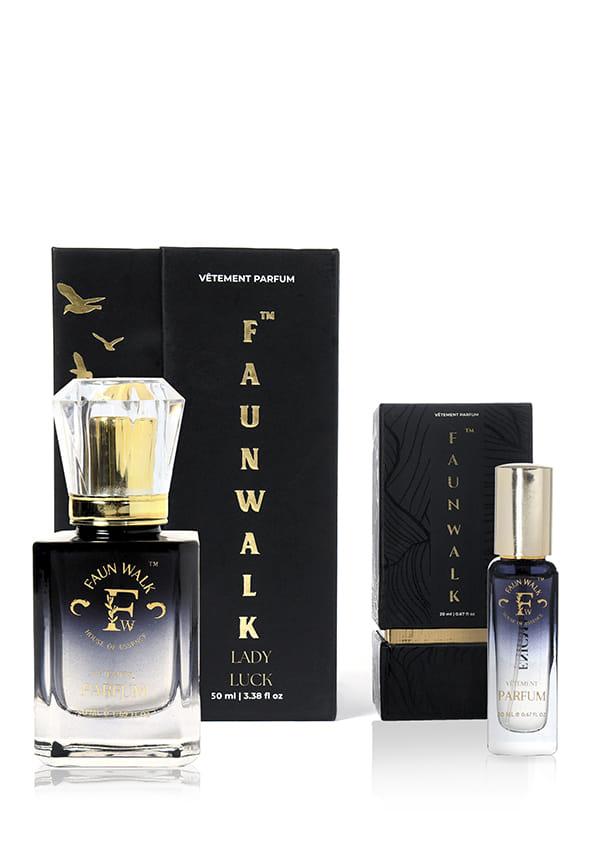 50 gm
50 gmLady luck for Women Similar to "Good Girl"||Buy 1(50 ml) & Get 1(20 ml)
This is exactly why choosing perfume requires proper testing on your actual skin, not just sniffing bottles or paper strips. Your unique chemistry will determine whether a fragrance becomes your signature scent or just doesn't work for you.
Real talk: most people test fragrances completely wrong. Here's how to do it properly so you actually find something you'll love wearing.
Never test more than three scents in one session. Your nose gets overwhelmed (that's called olfactory fatigue), and you won't be able to distinguish between different fragrances properly.
Apply your test fragrance and wait at least 30 minutes before making any decisions. This gives the top notes time to settle and reveals the heart notes that form the true character of the scent. For the full experience, wear a sample for an entire day to see how it evolves.
Test on pulse points like your wrists or inner elbows where your skin is warm. Avoid rubbing the fragrance in—just let it dry naturally. This preserves the fragrance's intended development.
Instead of buying full bottles immediately, collect 4-5 different samples to try over a week. This approach lets you experience how each fragrance performs in different situations and weather conditions. Many fragrance enthusiasts swear by this method for finding their perfect match without the commitment.
Your fragrance should feel like an extension of who you are. Think about your style, daily routine, and the impression you want to make.
If you're naturally romantic and feminine, soft florals, fruity scents, or delicate rose-based fragrances might feel like home. Adventurous spirits often gravitate towards fresh citrus or herbaceous notes that feel energising and free. For those with a confident, sophisticated vibe, woody, spicy, or leather notes can create that powerful presence you're after.
Office environments call for subtle, professional scents that won't overwhelm colleagues—think clean, fresh, or light floral options. Evening occasions give you permission to go bolder with richer, more complex fragrances that make a statement.
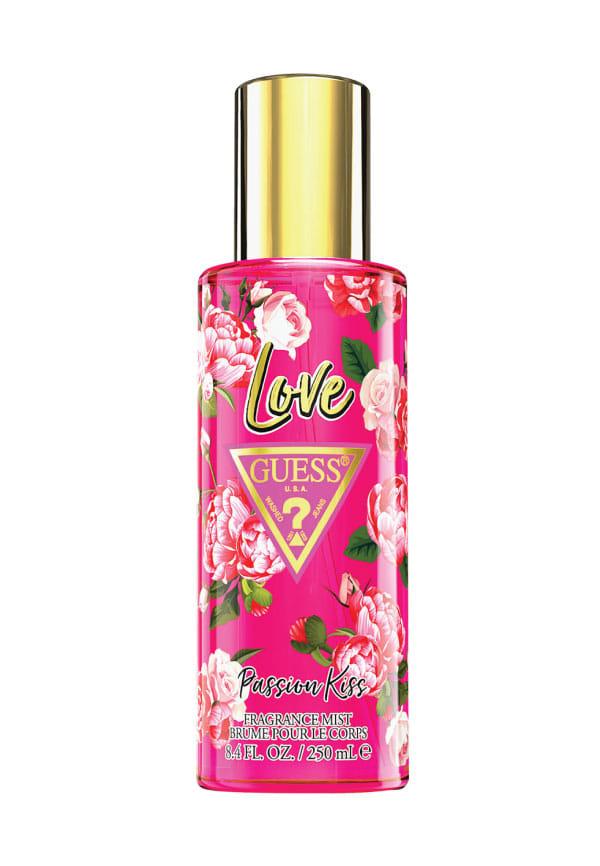 250 ml
Love Passion Kiss Fragrance Mist
Consider having different scents for different moods and occasions rather than searching for one signature fragrance. A fresh daytime scent, a sophisticated evening option, and something special for weekends gives you flexibility to match your fragrance to your day.
Just like you wouldn't wear a heavy wool coat in summer, certain fragrances work better in specific seasons and situations. Understanding this helps you make smarter choices.
Warmer weather calls for lighter, fresher scents that won't feel overwhelming. Citrus, aquatic, and green notes perform beautifully when temperatures rise. These types of perfume feel refreshing and won't become cloying in humidity.
Cooler months are perfect for richer, deeper fragrances. Woody, amber, spice, and vanilla notes create that cosy, warming effect that complements the season. These scents also tend to project better in cold air.
Daytime events benefit from lighter concentrations and fresher scent profiles, whilst evening occasions can handle more intensity and complexity. Formal events call for classic, sophisticated choices, whereas casual outings give you freedom to experiment with more unique or playful options.
Here's where understanding fragrance gets practical. Smart shopping means finding ways to explore different scents without breaking the bank or ending up with bottles you never use.
Instead of committing to full-size bottles immediately, start with smaller sizes or trial sets. This approach lets you properly test how fragrances perform in your daily life before making larger investments. Platforms like Smytten make this incredibly accessible—you can explore curated trial packs from over 1,500 trusted brands, getting up to 8 minis for just ₹249, with 100% cashback redeemable for future purchases.
The beauty of trial-sized fragrances is that they remove the pressure of finding "the one" immediately. You can experiment with different scent families, test how various concentrations work with your skin chemistry, and discover what truly resonates with your personality—all without the commitment of full-size purchases.
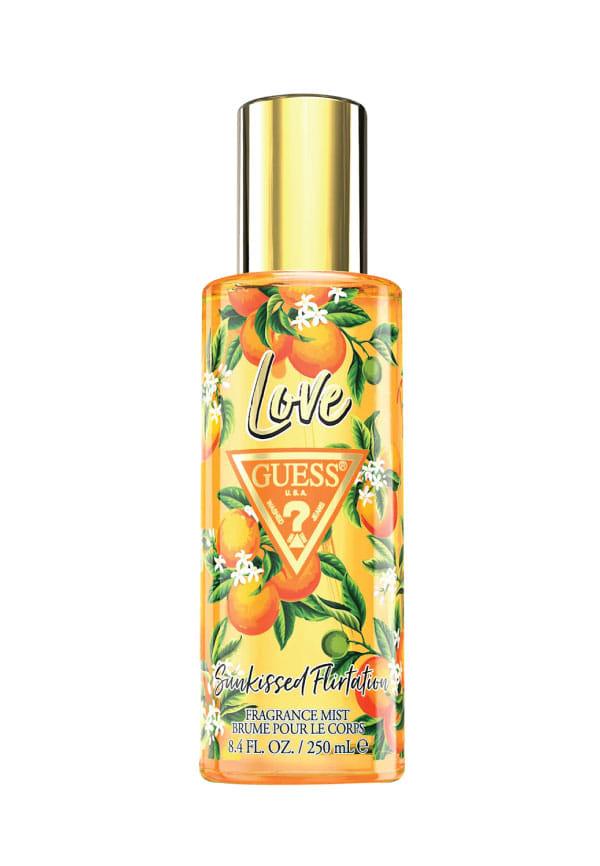 250 ml
Love Sun Kissed Flirtation Fragrance Mist
Once you've found a fragrance that genuinely excites you through proper testing, investing in the full-size version becomes a confident choice rather than a gamble. This method ensures you're building a fragrance collection of scents you actually love and will use.
Start by considering your skin type, personal style, and lifestyle needs. Test fragrances on your skin rather than paper strips, and give each scent time to develop. Your perfect fragrance should feel like a natural extension of your personality.
Online quizzes can provide helpful guidance and introduce you to new fragrance families, but physical testing remains essential. Your skin chemistry is unique, so what works for others might not work for you.
Limit yourself to testing three fragrances maximum per session. Testing more can overwhelm your sense of smell and make it impossible to distinguish between different scents accurately.
Paper strips only show you the initial scent, whilst testing on skin reveals how the fragrance interacts with your natural oils and pH levels. Always test on skin for accurate results.
Wear a sample for at least one full day to experience all fragrance phases from top notes through base notes. This gives you a complete picture of how the scent develops and performs.
Absolutely. Your skin's pH level, natural oils, and even diet can affect how a fragrance smells on you. This is why personal testing is so important in perfume selection.
Learning how to choose fragrance doesn't have to be overwhelming. Start with understanding your preferences, test properly, and give yourself permission to explore different options without pressure. Remember, there's no rush to find your perfect scent immediately—fragrance discovery is a journey worth enjoying.
The key is removing the guesswork through smart sampling and testing. With platforms that offer trial-sized options, you can explore confidently, knowing that every test brings you closer to finding fragrances that truly suit you. Whether you discover one signature scent or build a collection for different moods and occasions, the right approach makes all the difference. After all, why settle for maybe when you can try it all and find what genuinely makes you feel amazing?
