Heavy Oud & Woody Fragrances for Indian Monsoon: FAQ

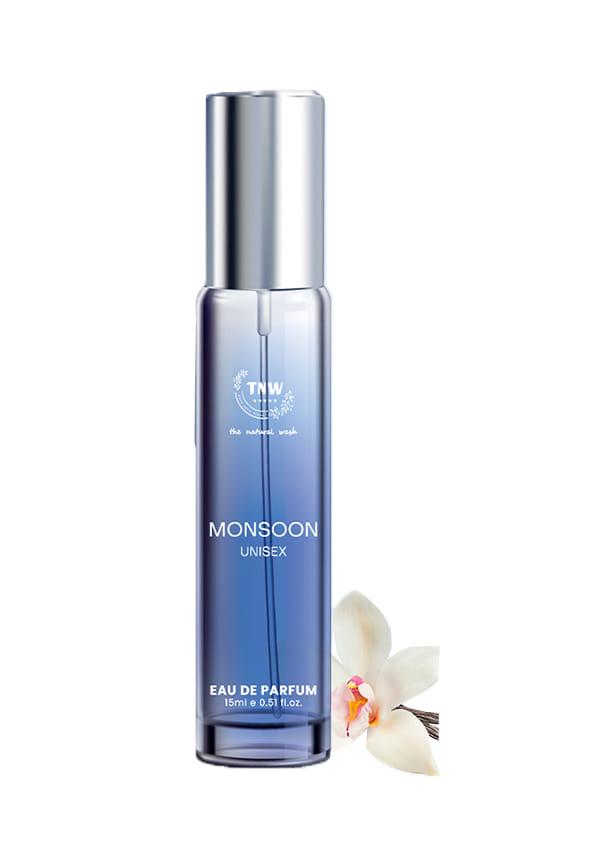
Monsoon Eau De Parfum Fushion of Woody, Natural and Earthy Fragrances which lifts up spirits 15 ml (unisex perfume)
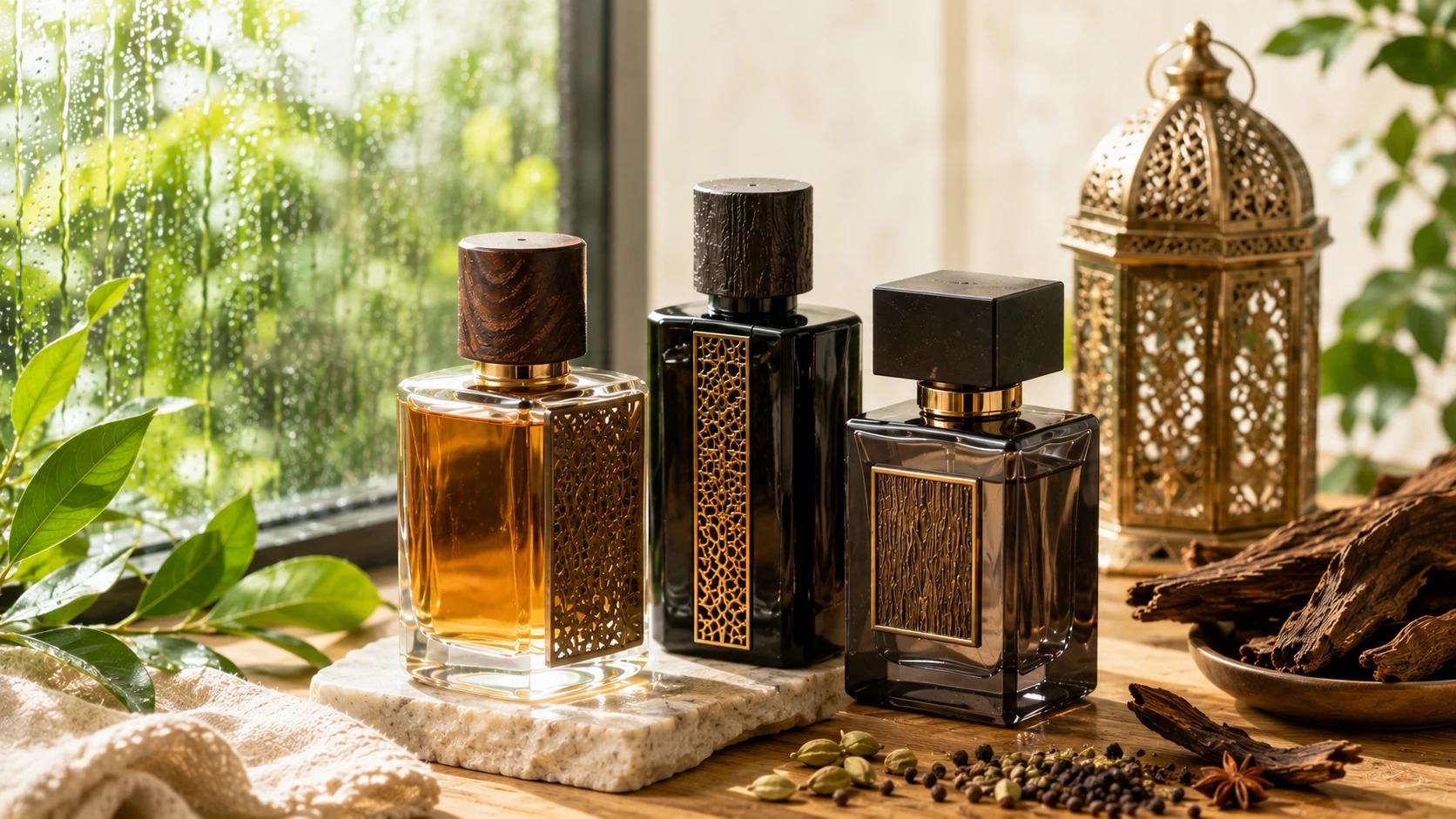
The Indian monsoon brings its own set of fragrance challenges. With humidity levels soaring above 80% and unpredictable weather patterns, choosing the right scent becomes tricky. Heavy oud and woody fragrances often get a bad rap during this season, but do they really deserve it? Let's dive into the science behind fragrance performance in humid conditions and discover which heavy scents actually thrive when the rains arrive. Whether you're exploring new options on Smytten or building your monsoon fragrance wardrobe, understanding how these rich, complex notes behave in Indian weather can transform your scent game.
TL;DR
Heavy oud and woody fragrances can work brilliantly in Indian monsoon if chosen and applied correctly
Humidity amplifies certain notes whilst dulling others - understanding this helps you pick winners
Strategic application techniques and timing make all the difference in humid conditions
Some woody notes like vetiver and sandalwood actually perform better in high humidity
Fragrance layering and concentration levels need adjustment for monsoon weather
The relationship between heavy fragrances and humidity isn't as straightforward as you might think. When moisture levels spike during monsoon season, fragrance molecules behave differently, creating both challenges and opportunities for scent lovers.
In conditions with 80%+ humidity, fragrance molecules become more volatile and travel faster through the air. This means your oud fragrance monsoon experience might be more intense than expected. Heavy base notes that usually take hours to develop can emerge within minutes, whilst lighter top notes might disappear almost instantly.
The science is fascinating - humid air acts like a carrier, amplifying projection but potentially shortening longevity. This is why that gorgeous woody perfume that lasted 8 hours in winter might feel overwhelming for the first hour but fade by afternoon during monsoon.
Traditional oud actually has a complicated relationship with wet weather. Pure oud oil tends to become more animalic and intense in high humidity, which can be overwhelming in close quarters. However, modern oud blends designed for tropical climates often incorporate fresh or aquatic notes that balance beautifully with the moisture in the air.
Regional variations matter too. Mumbai's coastal humidity behaves differently from Delhi's monsoon conditions. Coastal areas see more consistent moisture levels, whilst inland cities experience dramatic humidity swings that can make fragrance performance unpredictable.
Not all woody notes struggle in humidity. Some actually come alive when the rains arrive, offering depth and complexity that dry weather can't match.
Vetiver-based compositions are absolute champions during Indian monsoon. This earthy, green note thrives in humidity, offering that perfect balance of freshness and depth. Sandalwood and cedar combinations work brilliantly too, especially when paired with lighter woods like bamboo or teak.
Amber and resinous blends deserve special mention. These warm, honey-like notes become more nuanced in humid conditions, developing layers that remain hidden in dry weather. Think frankincense, benzoin, and labdanum - they're your long lasting monsoon scents that evolve beautifully throughout rainy days.
Pulse point selection becomes crucial during high humidity. Skip the wrists and neck - these areas generate too much heat and moisture. Instead, focus on the chest, behind the ears, and the inside of elbows where air circulation is better.
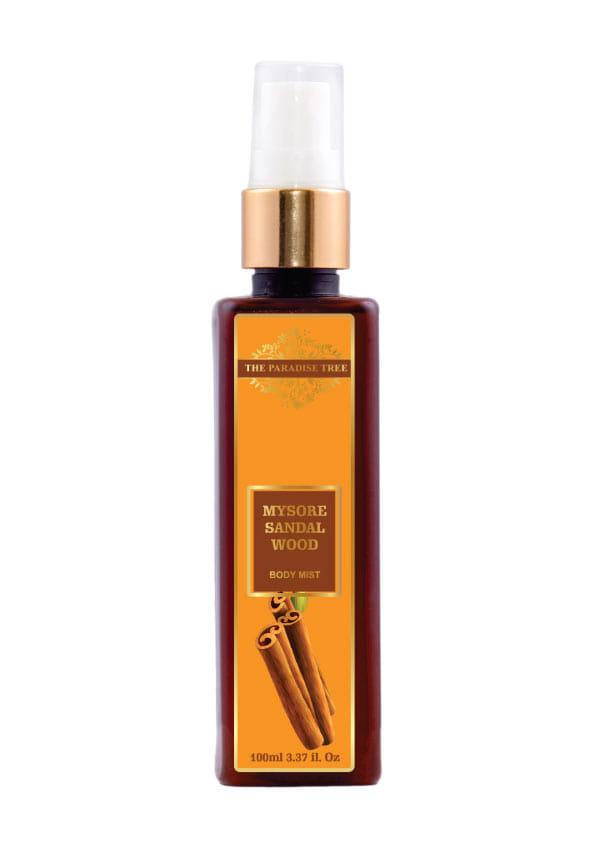
Mysore Sandalwood Body Mist
Fragrance layering monsoon techniques need adjustment too. Start with a lighter base - perhaps a woody body mist - then add your heavier oud or woody fragrance sparingly. This creates depth without overwhelming intensity.
Understanding which formulations thrive in humid conditions can save you from fragrance disasters and help you discover your next monsoon favourite.
Concentration levels matter enormously during monsoon. Heavy scents humidity performance often improves when you choose EDT over EDP formulations. The higher alcohol content in EDTs helps with projection whilst preventing that cloying feeling that can develop in sticky weather.
Certain note combinations become problematic in humidity. Vanilla-heavy ouds, overly sweet amber blends, and synthetic musks can turn overwhelming quickly. Instead, look for compositions with green, aquatic, or spicy elements that provide breathing room.
Over-application is the biggest pitfall. That gorgeous woody fragrance that needs 4-5 sprays in winter might only need 1-2 during monsoon. The humidity amplifies everything, so less really is more.
Storage becomes critical too. Keep your fragrances in cool, dry places away from bathroom humidity. Temperature fluctuations during monsoon can affect fragrance integrity, so consistency is key.
Successful monsoon fragrance layering requires rethinking traditional approaches. The goal is creating complexity without overwhelming intensity in humid conditions.
The classic 30/50/20 fragrance pyramid needs adjustment for humid conditions. Increase your top note ratio to 40% since these disappear faster in moisture. Middle notes can stay around 45%, whilst base notes should be reduced to 15% to prevent overwhelming projection.
This approach works particularly well with woody fragrance weather pairing. Start with a fresh citrus or green top, add woody-floral middles like rose-sandalwood, then finish with just a touch of oud or amber base.
Morning application strategies change completely during monsoon. Apply your fragrance 30 minutes before stepping out, allowing the initial alcohol burst to settle. This prevents that overwhelming cloud that can develop when you immediately enter humid outdoor air.
Evening reapplication becomes an art form. Rather than respraying the same fragrance, try complementary woody notes that enhance rather than compete with your morning choice.
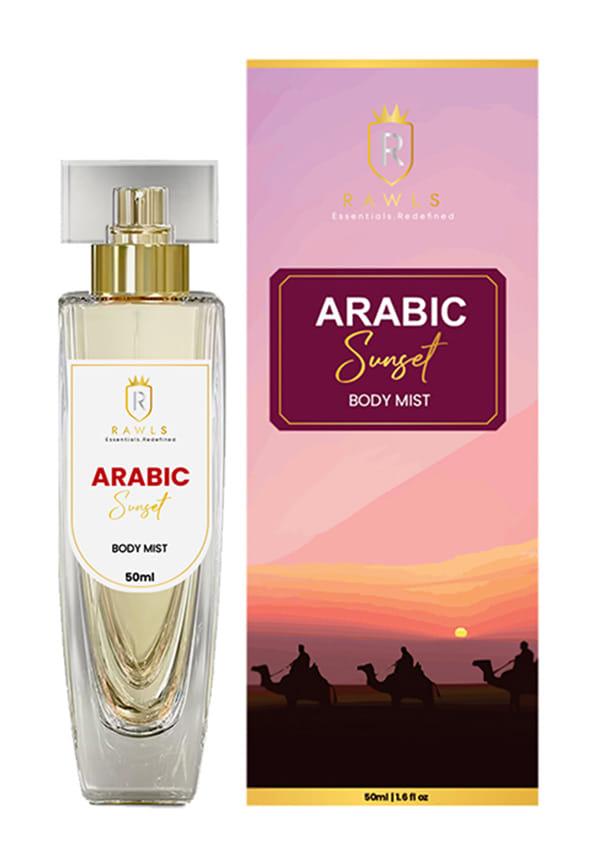
Arabic Sunset Body Mist
You don't need to break the bank to smell amazing during monsoon season. Several affordable options perform exceptionally well in humid Indian conditions.
Local brands often understand Indian climate better than international houses. Look for domestic manufacturers who formulate specifically for tropical conditions. These Indian monsoon perfumes often offer better longevity and projection than expensive imports that weren't designed for our weather.
Value-for-money champions include vetiver-based colognes, sandalwood-cedar blends, and modern oud interpretations that incorporate fresh elements. These typically cost under ₹2000 but deliver performance that rivals premium options.
Domestic manufacturers have spent decades perfecting formulations for Indian weather. Their understanding of how different regions experience monsoon translates into fragrances that actually work when humidity strikes.
Imported fragrances with proven monsoon track records often come from other tropical regions. Middle Eastern houses that create for Gulf humidity, or Southeast Asian brands familiar with monsoon conditions, can be excellent choices.
Mastering monsoon fragrance application can transform your scent experience from disappointing to delightful. It's all about working with humidity rather than fighting it.
Apply your perfume for rainy season when humidity levels are lowest - typically early morning before the day heats up. This gives the fragrance time to settle properly before moisture levels spike.
Body areas that retain scent in wet weather include the chest (protected by clothing), behind ears (good air circulation), and pulse points on arms rather than wrists. Avoid the neck and décolletage where sweat and humidity concentrate.
Pre-application skin preparation makes a huge difference. Use an unscented moisturiser to create a base that helps fragrance molecules adhere better. Avoid heavily fragranced body products that compete with your chosen scent.
Complementary products like matching body mists or lightly scented powders can extend wear time without adding overwhelming intensity. The key is building layers that support rather than compete with each other.
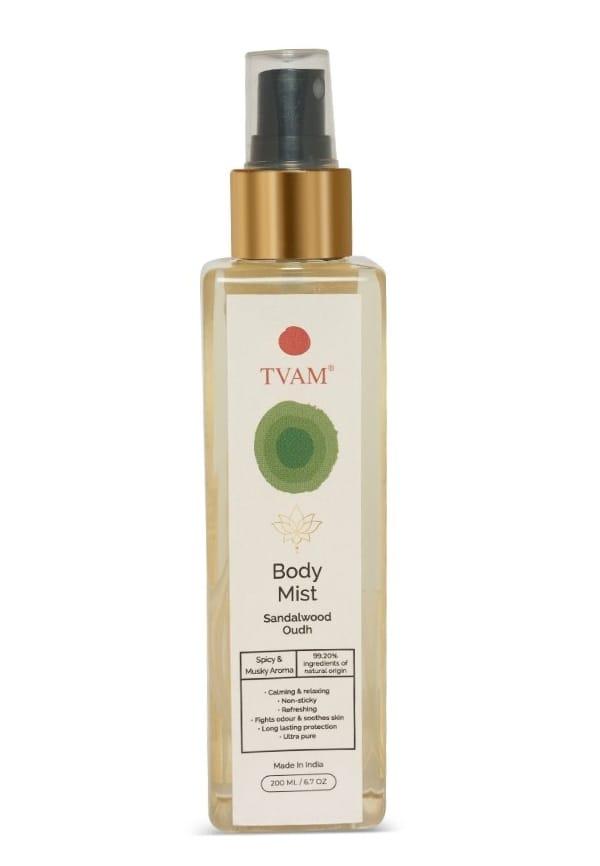
Body Mist - Sandalwood Oudh
Absolutely, but with the right approach. Heavy oud and woody fragrances can perform beautifully during Indian monsoon when you choose appropriate formulations and adjust your application technique. The key is selecting compositions with fresh or green elements that balance the richness, and applying sparingly since humidity amplifies projection.
Vetiver, sandalwood, and cedar are champions in humid conditions. These notes actually become more nuanced and interesting when moisture levels rise. Avoid overly synthetic woody notes or those paired with heavy vanilla, as these can become cloying in humidity.
Reduce the number of sprays by half, focus on pulse points with good air circulation, and apply 30 minutes before going outdoors. Consider switching to EDT formulations during peak humidity months, and store your fragrances in cool, dry places to maintain their integrity.
Yes, but with modifications. Start with lighter bases and build gradually. The 30/50/20 fragrance pyramid should become 40/45/15 to account for how humidity affects different note categories. Always test combinations on Smytten's trial sizes before committing to full bottles.
Monsoon humidity makes oud more intense and faster-developing than summer heat. While summer requires lighter oud compositions, monsoon allows for richer formulations but in smaller quantities. The moisture in the air acts as a carrier, so projection increases significantly.
Some people with respiratory sensitivities might find heavy fragrances overwhelming in humid conditions. If you experience headaches or breathing difficulties, switch to lighter concentrations or consider fragrances with more natural ingredients. Always patch test new fragrances, especially during weather transitions.
Heavy oud and woody fragrances absolutely can work during Indian monsoon season with the right knowledge and approach. The secret lies in understanding how humidity affects fragrance behaviour and adjusting your choices accordingly. Vetiver, sandalwood, and cedar-based compositions often perform better in humid conditions than in dry weather, whilst strategic application timing and placement can make any fragrance more monsoon-friendly.
Remember that less is more during high humidity months. Your favourite winter fragrance might need only half the usual sprays to achieve the same impact. Focus on EDT formulations, avoid competing scented products, and give your fragrance time to settle before facing the humid outdoors.
Finding your perfect monsoon fragrance doesn't have to be a gamble. Smytten's trial packs let you explore heavy oud and woody fragrances without the commitment of full-size purchases, making it easy to discover what works for your skin and lifestyle during humid weather. With over 1,500 trusted fragrance brands available on Smytten, you can experiment with different concentrations, note combinations, and application techniques until you find your ideal monsoon scent. The platform's 100% cashback on trials means you can try before you buy, ensuring that your next fragrance purchase will be one that truly works with India's unique monsoon conditions. After all, why settle for a fragrance that disappoints when the rains arrive when you can trial on Smytten and find your perfect humid-weather companion?
