Ambergris FAQ: Your Questions About This Rare Perfume Ingredient Answered

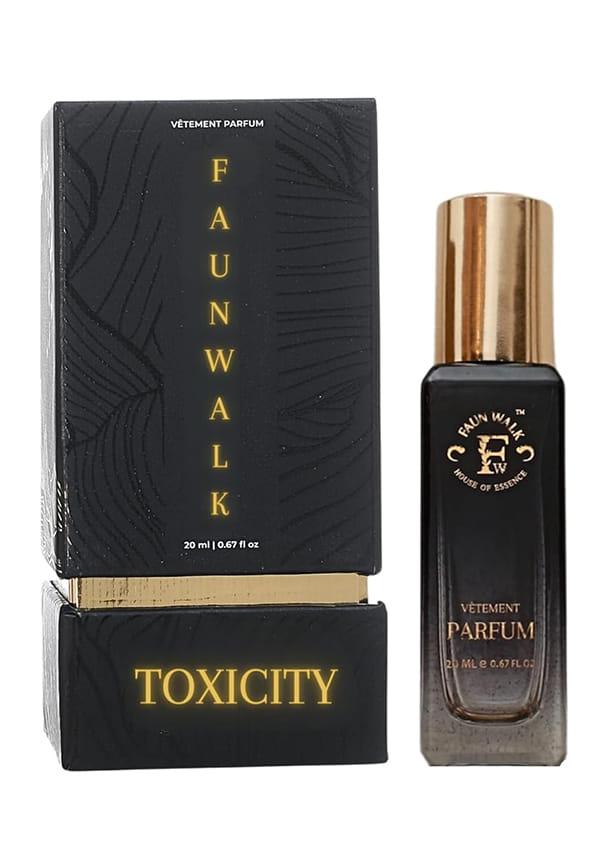
Toxicity by faunwalk perfumes similar to D. Poison Long Lasting Women Perfume
Ever wondered what makes certain luxury perfumes so captivating and long-lasting? The secret might just be floating somewhere in the ocean right now. We're talking about ambergris—one of the most mysterious and valuable ingredients in the fragrance world. This rare substance has been treasured for centuries, and understanding what ambergris is and why it's used in luxury perfumes opens up a fascinating world of perfumery secrets. Whether you're curious about trying fragrances with unique ingredients or just love learning about what makes your favourite scents tick, exploring ambergris through trial packs available on Smytten lets you experience these luxurious notes without the full-size commitment.
TL;DR
Ambergris is a rare substance produced by sperm whales that becomes a prized perfume ingredient after years of ocean ageing
It serves as a natural fixative, making fragrances last longer while adding unique animalic and marine notes
The scent profile ranges from marine and musky to sweet-earthy, depending on quality and age
Modern perfumery increasingly uses synthetic alternatives due to ethical and conservation concerns
You can explore fragrances with ambergris-inspired notes through curated trial packs to discover your preferences
Real talk—ambergris has probably the most unexpected origin story in perfumery. This precious substance starts its journey in the digestive system of sperm whales, where it forms around indigestible squid beaks and other debris. Think of it as nature's way of protecting the whale's intestines from sharp objects.
The ambergris origin story gets even more interesting once it's expelled from the whale. Fresh ambergris is actually quite unpleasant—dark, sticky, and smelling rather foul. But here's where the magic happens: after floating in the ocean for years (sometimes decades), exposure to salt water, sun, and air transforms this substance into something extraordinary. The longer it ages, the more valuable it becomes.
During its ocean journey, ambergris undergoes a complete chemical transformation. The harsh marine environment breaks down the original compounds, creating new aromatic molecules that give aged ambergris its distinctive scent profile. This natural ageing process can take anywhere from 5 to 50 years, which explains why finding quality ambergris is like discovering floating treasure.
Beachcombers occasionally discover ambergris washed up on shores around the world, particularly in areas where sperm whales are common. The Atlantic, Pacific, and Indian Oceans have all yielded significant finds. New Zealand, Australia, and various Pacific islands are known hotspots for ambergris discoveries.
Understanding the ambergris scent profile helps explain why perfumers are so obsessed with this ingredient. Fresh ambergris smells quite different from aged varieties, and the transformation is genuinely remarkable. High-quality, well-aged ambergris develops complex aromatic facets that synthetic alternatives struggle to replicate.
The key compound responsible for ambergris's unique properties is ambrein, an alcohol that develops during the ageing process. This molecule creates the signature warm, animalic base that makes ambergris so distinctive in fragrances.
White Ambergris (highest quality): Sweet, marine, almost powdery with subtle animalic undertones. Often compared to clean skin or warm sand.
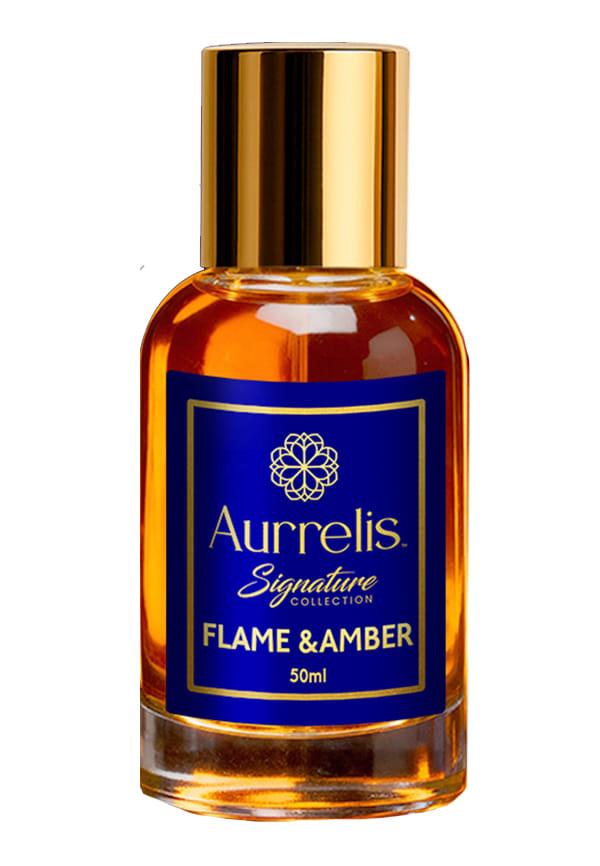
Signature Flame & Amber
Grey Ambergris (medium quality): More pronounced animalic notes with earthy, tobacco-like facets. Still refined but with more character.
Black Ambergris (lowest quality): Strong, sometimes overwhelming animalic scent with barnyard-like qualities. Rarely used in fine perfumery.
Many describe high-quality ambergris as having similarities to sandalwood's creamy warmth, tobacco's earthiness, and the ocean's mineral freshness. It's this unique combination that makes it irreplaceable in certain fragrance compositions.
The ambergris uses in perfumery go far beyond just adding an interesting note. This rare ingredient serves multiple crucial functions that explain why it's remained valuable for centuries. Understanding these benefits helps explain why certain luxury fragrances command such high prices.
As a natural fixative, ambergris has the remarkable ability to slow down the evaporation of other fragrance molecules. This means your perfume doesn't just smell different—it actually lasts longer on your skin. It's like having a natural time-release mechanism built into your fragrance.
Unlike synthetic fixatives that simply slow evaporation, ambergris interacts with other fragrance molecules in complex ways. It can enhance certain notes while softening others, creating a more harmonious overall composition. This is why perfumers often describe ambergris as a 'conductor' in the fragrance orchestra.
Ambergris has unique binding properties that help marry different fragrance families together. It's particularly effective at bridging the gap between fresh top notes and deep base notes, creating smoother transitions throughout the fragrance's development.
One of the most prized ambergris perfume ingredient qualities is how it interacts with individual skin chemistry. It tends to amplify your natural scent in a flattering way, making fragrances feel more personalised and intimate.
Goldea The Roman Night EDP
The history of ambergris in perfumery stretches back thousands of years, with ancient civilisations recognising its value long before they understood its origin. From Egyptian pharaohs to modern luxury houses, this ingredient has maintained its prestigious status throughout history.
Ancient texts describe ambergris being used in religious ceremonies and royal courts across different cultures. The Arabs called it 'anbar,' which is where we get the modern name. Medieval European courts prized it so highly that it was literally worth more than gold.
Several legendary perfumes have featured ambergris as a key component. Chanel's vintage formulations, certain Dior classics, and various Guerlain masterpieces have all utilised this precious ingredient. However, many modern versions of these fragrances now use synthetic alternatives.
Different cultures have attributed various properties to ambergris beyond fragrance. Some believed it had medicinal qualities, while others considered it an aphrodisiac. These cultural associations have contributed to its mystique in modern perfumery.
Today's perfumery landscape has shifted significantly towards ambergris substitute ingredients for several important reasons. Conservation concerns, ethical considerations, and regulatory restrictions have driven innovation in synthetic alternatives that can replicate many of ambergris's desirable properties.
Modern synthetic ambergris compounds like Ambroxan, Ambergris, and various other aromatic molecules can provide similar fixative properties and scent characteristics. While purists argue they lack the complexity of natural ambergris, these alternatives offer consistency and sustainability that natural ambergris simply cannot match.
Synthetic alternatives excel in consistency—every batch smells identical, which is crucial for commercial perfumery. They're also more cost-effective and readily available. However, natural ambergris offers complexity and uniqueness that synthetic molecules struggle to fully replicate.
The shift towards synthetic alternatives reflects growing awareness of conservation issues. Sperm whales are protected species, and while ambergris collection doesn't directly harm whales, the industry has moved towards more sustainable practices.
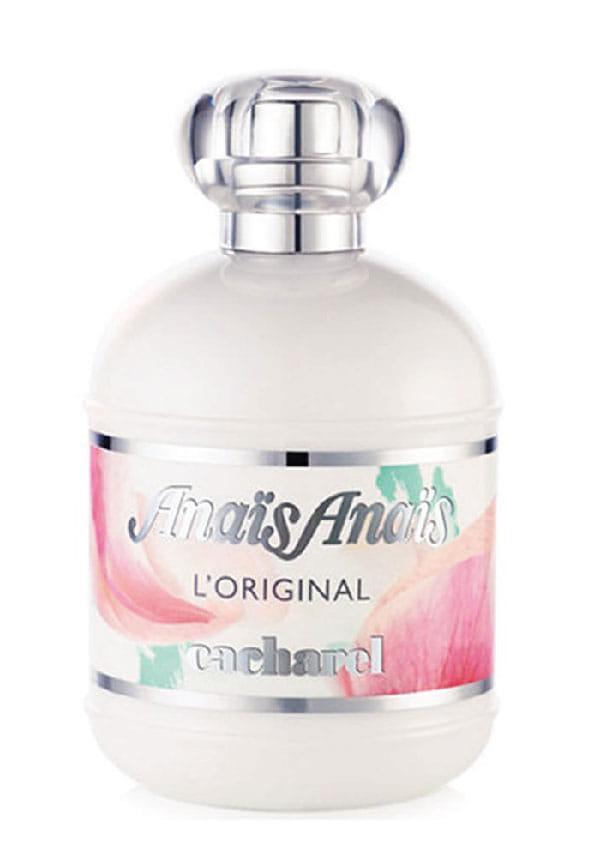
cacharel Anasi Anasi EDT
Ambergris is a waxy substance produced in sperm whale digestive systems that becomes incredibly valuable after years of ocean ageing. It's prized in perfumery because it acts as a natural fixative, making fragrances last longer while adding unique animalic and marine notes that synthetic alternatives struggle to replicate perfectly.
Most contemporary luxury perfumes use synthetic ambergris alternatives rather than the natural substance. This shift happened due to conservation concerns, cost factors, and regulatory restrictions. However, some niche and artisanal perfumers occasionally still use natural ambergris when legally available.
You can explore fragrances featuring ambergris-inspired notes through trial packs available on Smytten. This lets you discover how these unique animalic and marine notes work with your skin chemistry before committing to full-size bottles.
Ambergris legality varies by country due to sperm whale protection laws. While ambergris collection doesn't directly harm whales, some nations have banned its trade as part of broader marine mammal conservation efforts. The US, for example, prohibits ambergris trade under the Endangered Species Act.
High-quality aged ambergris has a complex scent profile combining marine freshness, warm animalic notes, and sweet-earthy undertones. Many describe it as smelling like warm skin, ocean breeze, or aged wood with subtle barnyard facets. The scent varies significantly based on quality and age.
Natural ambergris can cost anywhere from £15-50 per gram for lower grades, while premium white ambergris can reach £500+ per gram. Prices fluctuate based on quality, age, size of the find, and market demand. This extreme cost is another reason why synthetic alternatives dominate modern perfumery.
Ambergris represents one of perfumery's most fascinating ingredients, combining natural rarity with exceptional olfactory properties. While modern perfumery has largely moved towards synthetic alternatives for practical and ethical reasons, understanding ambergris helps appreciate the complexity and artistry behind luxury fragrances. Whether you're exploring fragrances with natural ambergris or synthetic alternatives, the key is finding scents that work with your personal chemistry and preferences. The world of animalic fragrance notes offers incredible depth for those willing to explore beyond conventional floral and fresh scents.
Discovering your perfect fragrance often means exploring ingredients and notes you might never have considered before. Smytten makes this exploration accessible through curated trial packs from over 1,500 trusted brands, letting you experience complex fragrances featuring ambergris-inspired notes without the full-size commitment. With 100% cashback on trials and authentic brand-verified minis available across India, you can confidently explore rare perfume ingredients and animalic fragrance notes to find what truly resonates with your personal style. After all, why settle for ordinary when you can discover extraordinary scents through India's largest minis collection and #TryItAll!
