7 Pro Tips for Advanced Perfume Layering


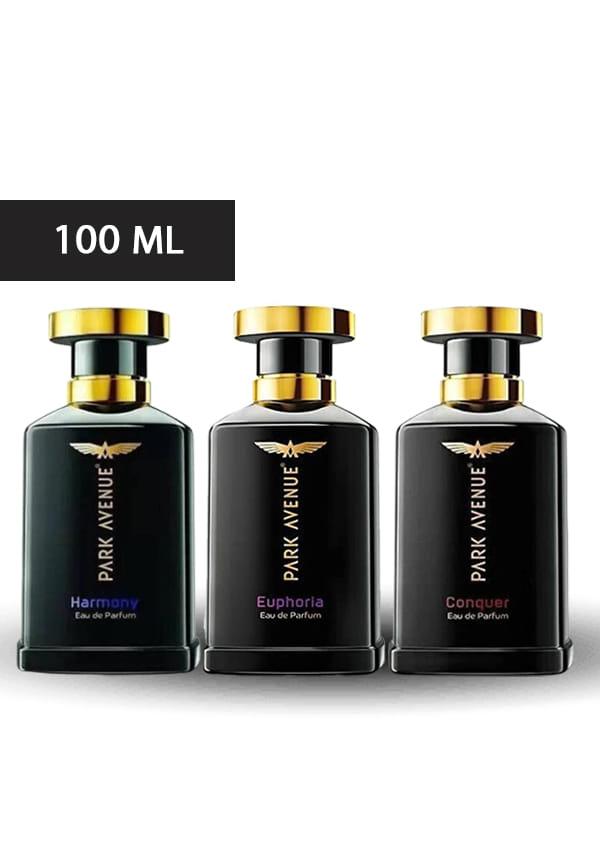 Combo
ComboThe Master Collection: Men Set of 3 Eau de Parfums - Euphoria + Conquer + Harmony - 100ml Each
Real talk—perfume layering isn't just about spraying two scents and hoping for the best. It's an art form that separates fragrance enthusiasts from those who just smell nice. If you've mastered the basics and you're ready to create complex, head-turning combinations that last all day, this advanced perfume layering guide is your kind of pick. We're diving deep into the science, the techniques, and the insider secrets that'll have you blending scents like a proper fragrance alchemist. Ready to discover your signature scent story?
Let's get nerdy for a moment because understanding the science makes all the difference. Every fragrance is built like a pyramid with top, middle, and base notes that unfold over time. When you're working with an advanced perfume layering guide, you're essentially creating a new pyramid by combining different molecular structures. Top notes hit you first—think citrus, herbs, or light florals that disappear within 15-30 minutes. Middle notes are the heart of the fragrance, lasting 2-4 hours and including roses, jasmine, or spices. Base notes are the heavy hitters—woods, musks, and ambers that stick around for 6+ hours. When you layer fragrances, these molecules interact in fascinating ways. Some amplify each other, whilst others create entirely new scent profiles. The key is understanding which combinations enhance rather than compete. Advanced layering isn't just about mixing—it's about creating harmony between different chemical compositions. Your skin chemistry plays a massive role too. Oily skin holds fragrance longer and can intensify certain notes, whilst dry skin might need more strategic application. This is why the same fragrance layering guide might work differently for different people.
Before we dive into the pro tips, let's nail down the fragrance layering rules that separate amateurs from experts. These aren't suggestions—they're the foundation of successful scent combinations. The golden rule? Always apply heavier fragrances first. This means orientals and woody scents go on before light florals or citrus. Think of it like painting—you need that solid base before adding delicate details. Timing is everything in perfume layering techniques. Wait at least 5 minutes between applications. This lets the first layer settle and prevents the fragrances from clashing during their initial development. Rushing this step is one of the biggest mistakes beginners make. Understanding fragrance families is crucial for advanced layering. Complementary families like citrus and floral work beautifully together, whilst contrasting families like fresh aquatic and heavy oriental can create stunning complexity when done right. Here are the essential perfume layering dos and donts: • Do test combinations on your skin before committing • Do apply to clean, moisturised skin for better longevity • Do start with less and build up gradually • Don't layer more than three fragrances at once • Don't mix fragrances with conflicting base notes • Don't apply layers too close together in time
Now for the good stuff—the techniques that'll transform your scent layering guide from basic to brilliant. These first three tips focus on creating the perfect foundation for your fragrance masterpiece.
Your base layer should be the star of the show. This is typically your heaviest, most complex fragrance—think rich orientals, deep woods, or intense florals. This dominant scent sets the mood for your entire combination. When learning how to layer scents, remember that everything else should complement, not compete with this foundation.
Forget what you know about traditional pulse points. Advanced layering requires strategic placement. Apply your base layer to your wrists, behind your ears, and the hollow of your throat. These warm areas help the fragrance develop properly and create a scent trail that unfolds naturally as you move.
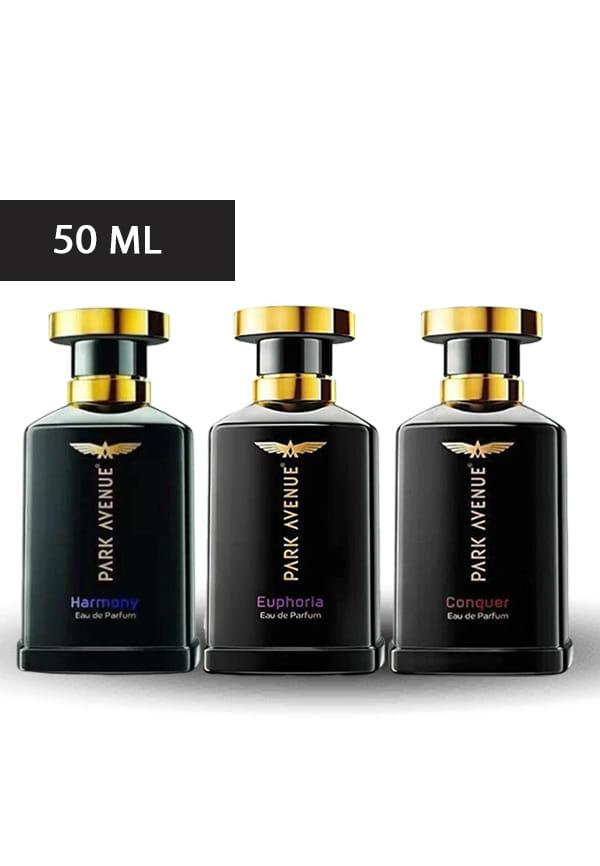 Combo
ComboThe Signature Discovery Kit: Men Set of 3 Eau de Parfums - Euphoria + Conquer + Harmony - 50ml Each
This perfume layering technique ensures even coverage without overwhelming any single area. Spray your base fragrance into the air and walk through the mist. This creates a subtle, all-over base that won't compete with your targeted pulse point applications of secondary scents. Advanced application zones include the inside of your elbows, behind your knees, and even a light mist on your hair (if the fragrance is alcohol-based and won't damage your locks). These areas create different development patterns and add complexity to your scent story.
These next two tips are where combining perfumes becomes an art form. We're moving beyond safe combinations into territory that creates truly unique signatures.
This technique involves pairing opposite fragrance families to create tension and interest. Think fresh aquatic with warm amber, or green herbs with sweet gourmands. The key is finding the bridge note—a shared element that ties them together. For example, a citrus top note in both fragrances can unite an otherwise contrasting combination. Seasonal considerations matter here too. Summer calls for lighter contrasts—maybe a fresh marine scent with a light floral. Winter can handle heavier contrasts like spicy orientals with cool mint or eucalyptus.
This method stays within the same fragrance family but adds depth and complexity. Layer different florals for a garden-like bouquet, or combine various woods for a forest-inspired blend. The magic happens in the subtle differences—a rose-heavy floral with a jasmine-dominant one, or a cedar-based woody with a sandalwood focus. Day-to-night transitions work brilliantly with this approach. Start with a light, office-appropriate version in the morning, then add a deeper, more sensual layer for evening. This creates a scent that evolves with your day.
These final two tips separate true fragrance experts from enthusiasts. They require confidence and a deep understanding of how scents interact.
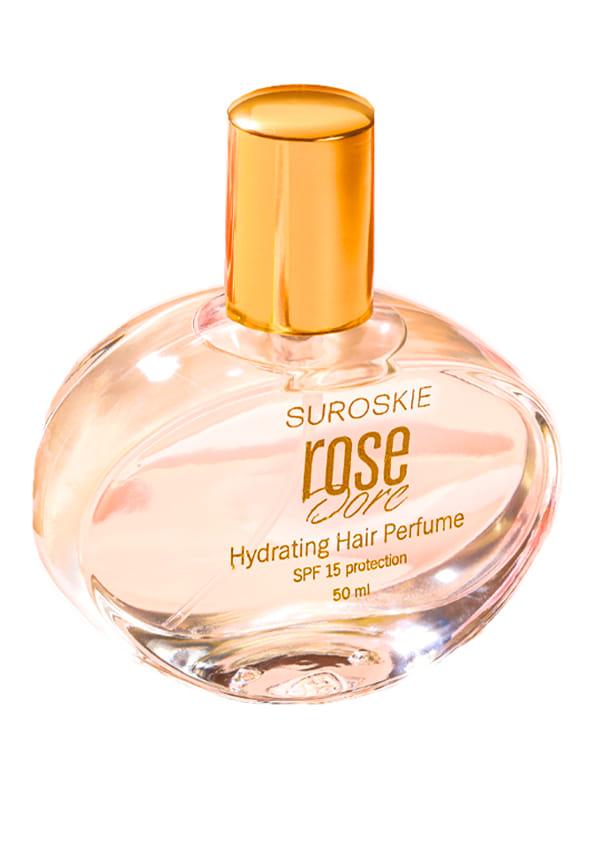 50 ml
50 mlRose Dore Hydrating Hair Perfume
This scent layering guide secret involves using scented body products as your foundation layer. A vanilla body lotion under a spicy fragrance, or a rose-scented oil beneath a woody perfume creates depth without obvious layering. The body product acts as a subtle amplifier that most people won't consciously notice but will definitely feel. Timing is crucial here—apply your scented body product 10-15 minutes before your perfume to let it settle. This technique is perfect for creating signature scents that people can't quite identify but always remember.
This is the advanced level of perfume layering tips—combining three fragrances to create something entirely new. The formula is typically: base (heavy) + heart (medium) + accent (light). Think woody base + floral heart + citrus accent. The key is proportion. Your base should be 50% of the combination, heart 30%, and accent 20%. Apply them in reverse order of intensity, waiting 5-7 minutes between each application. This creates a fragrance that develops in waves throughout the day.
Let's get practical with proven fragrance layering combinations that consistently deliver stunning results. These aren't just theoretical—they're combinations that work in real life. For fresh sophistication, try pairing bergamot-heavy citrus with white florals like jasmine or lily. The citrus provides brightness whilst the florals add elegance. This combination works beautifully for daytime professional settings. Evening elegance calls for woody and oriental blends. Sandalwood or cedar paired with vanilla, amber, or spicy notes creates warmth and sensuality. These combinations have serious staying power and develop beautifully on the skin. Modern freshness comes from green and aquatic pairings. Think cucumber or green tea scents with marine or ozone notes. These combinations feel contemporary and work brilliantly in warm weather. For unique signatures, try sweet and spicy combinations. Vanilla or caramel with black pepper, cardamom, or cinnamon creates intrigue. These unexpected pairings are conversation starters. Seasonal considerations: • Spring: Light florals + fresh greens • Summer: Citrus + aquatic notes • Autumn: Spices + light woods • Winter: Rich orientals + deep woods
Even with the best perfume layering dos and donts knowledge, mistakes happen. Here's how to avoid the most common pitfalls that can ruin expensive fragrances. Overpowering combinations are the biggest issue. When layering perfumes for beginners and experts alike, less is always more. Start with one spray of each fragrance and build up gradually. You can always add more, but you can't take it away. Timing errors waste expensive fragrances and create muddy scents. Applying layers too quickly means they compete rather than complement. Each layer needs time to settle and show its true character. Application mistakes include spraying too close to the skin or applying to dirty or heavily moisturised areas. Clean, lightly moisturised skin is the ideal canvas for fragrance layering. Storage matters too. Keep your fragrances in cool, dark places and never mix them in bottles. Chemical reactions can occur that permanently alter the scents. Conflicting notes to avoid: • Heavy musks with delicate florals • Overpowering ouds with fresh citrus • Synthetic and natural versions of the same note • Too many competing base notes With platforms like Smytten offering trial-sized versions of over 1,500 fragrance brands, you can experiment with different combinations without committing to full-size bottles. This makes learning advanced layering techniques much more affordable and less risky.
Classic combinations include earthy scents with green notes, citrusy fragrances with florals, and sweet scents with woody bases. For advanced layering, try contrasting families like fresh aquatic with warm amber, or experiment with three-note combinations using base, heart, and accent fragrances.
 100 ml
Edge Spray Perfume
Always apply heavier fragrances first, followed by lighter ones. Start with orientals and woody scents, then add florals, and finish with citrus or fresh notes. Wait 5-7 minutes between each application to let the layers settle properly.
Never mix fragrances directly in bottles as this can cause chemical reactions that permanently alter the scents. Instead, layer them on your skin or use the spray-and-walk technique for blending.
Limit yourself to 2-3 fragrances maximum. More than this creates muddy, overwhelming combinations that lose their individual character. Quality combinations are always better than quantity.
Wait at least 5 minutes between applications, though 7-10 minutes is ideal for complex combinations. This allows each layer to settle and prevents the fragrances from clashing during their initial development.
Test on your inner wrist or behind your ear with small amounts. Try the combination for a full day to understand how it develops. Keep notes on what works and what doesn't for future reference.
Mastering advanced perfume layering transforms fragrance from a simple daily ritual into a form of personal expression. These seven pro tips give you the foundation to create complex, memorable scent combinations that evolve throughout the day. Remember, the best advanced perfume layering guide is your own experience. Start with proven combinations, understand the rules, then experiment to find your signature style. With practice, you'll develop an intuitive sense for which fragrances work together and how to create the perfect scent story for any occasion. Smytten's trial platform makes this journey of discovery both affordable and exciting. With mini-sized products from trusted fragrance brands, you can experiment with different layering combinations without the commitment of full-size purchases. After all, why settle for one signature scent when you can #TryItAll and create multiple fragrance personalities?
