Skin Preparation for Better Fragrance Adherence
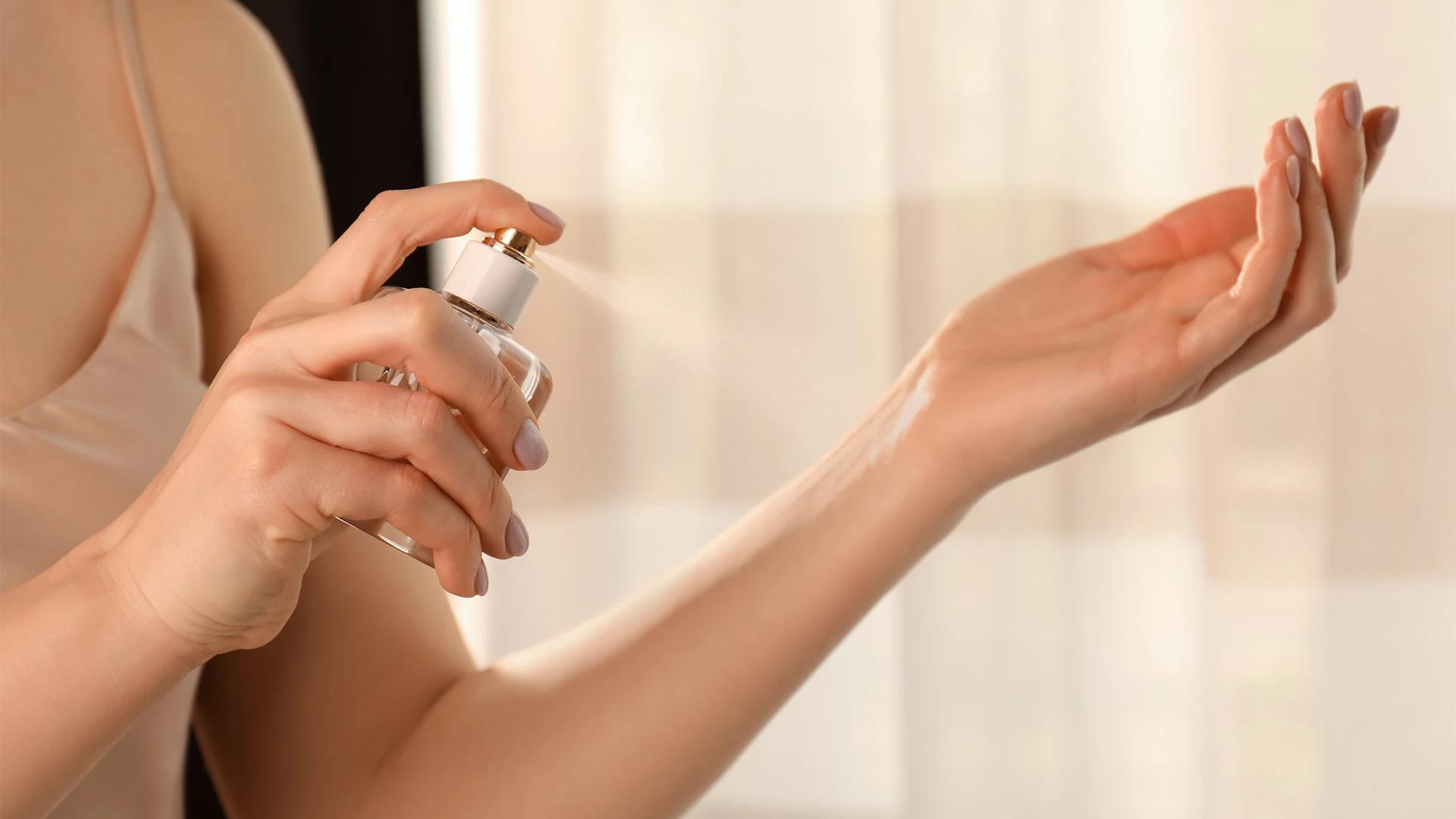
Clean, moisturised skin is your fragrance's best canvas. Dry skin tends to absorb fragrance quickly, making it fade faster. Apply an unscented moisturiser to your pulse points before your fragrance—this creates a smooth base that helps the scent last longer.
Timing matters too. The best time for fragrance application is right after your shower when your skin is clean and slightly damp. The moisture helps lock in the scent, and your open pores are ready to absorb those beautiful fragrance molecules.
Clothing vs. Skin Application
While skin application is generally preferred because it allows the fragrance to interact with your natural chemistry, there are times when clothing application makes sense. Delicate fabrics like silk can be damaged by certain fragrance ingredients, so always test on an inconspicuous area first.
For clothing application, hold the bottle further away and use a lighter hand. Fabrics hold scent differently than skin—sometimes longer, but without the beautiful evolution that happens when fragrance warms on your pulse points.
Mastering Perfume Layering Tips for Enhanced Longevity
Layering isn't just about making your fragrance last longer—it's about creating depth and complexity that makes your signature scent truly unforgettable. Think of it as building a fragrance wardrobe that works together harmoniously.
Building Your Fragrance Foundation
Start with products from the same fragrance family. If you love a particular perfume, look for matching body wash, lotion, or shower gel. This creates a subtle base that enhances your main fragrance without overwhelming it.
The key is creating scent harmony, not conflict. Mixing too many different fragrance families can create a confusing scent profile that doesn't quite work. Stick to complementary notes—if your main fragrance is floral, layer it with other florals or fresh, clean scents.
Strategic Layering Techniques
When layering multiple fragrances, always go from light to heavy. Start with the most delicate scent and build up to stronger, more intense fragrances. This prevents any one scent from overpowering the others.
Seasonal layering is also worth considering. In summer, you might layer fresh, citrusy scents, while winter calls for warmer, spicier combinations. Your perfume layering tips should adapt to both the weather and the occasion.
The 30-50-20 Fragrance Rule
This professional technique involves thinking about your fragrance in terms of notes: 30% base notes (the deep, lasting scents), 50% heart notes (the main character of your fragrance), and 20% top notes (the fresh, immediate impression). When layering, maintain this balance to create a well-rounded scent profile.
Apply your base layer first, wait a few minutes, then add your heart notes, and finish with any top note accents. This timing allows each layer to settle and bond with your skin properly.
Common Perfume Mistakes Women Make (And How to Avoid Them)
Even fragrance lovers make mistakes that can ruin their scent experience. Let's address the most common ones so you can avoid them and make the most of your beautiful fragrances.
Application Errors That Ruin Your Fragrance
Over-application is probably the most common mistake. More isn't always better with fragrance—in fact, it can lead to scent fatigue where you stop smelling your own perfume and keep applying more. Start with 2-3 sprays and build up gradually if needed.
Timing and environmental factors matter more than you might think. Applying fragrance right before stepping into hot, humid weather can make it overwhelming. Similarly, applying it in a dry, air-conditioned environment might require a slightly heavier hand.
Storage mistakes can also affect your fragrance quality. Heat, light, and humidity are fragrance enemies. Keep your bottles in a cool, dark place—not your bathroom cabinet if it gets steamy from showers.
Skin Type Considerations

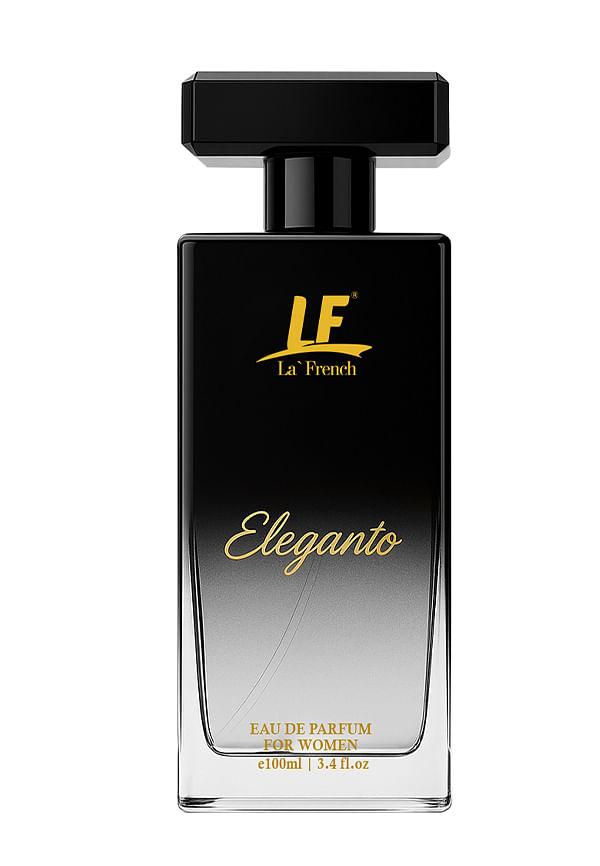 100ml
100ml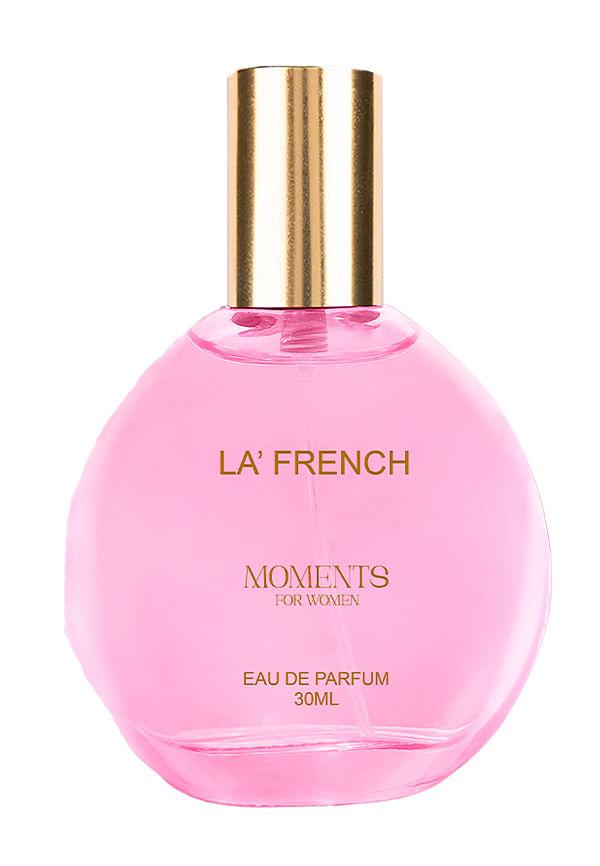 30ml
30ml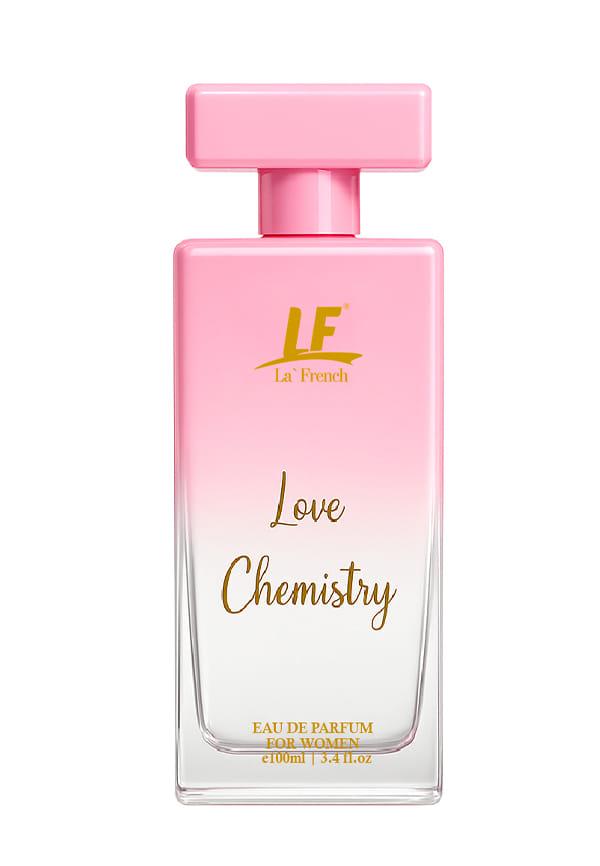 100ml
100ml 30ml
30ml