7 Pro Fragrance Layering Tips for Unique Scents

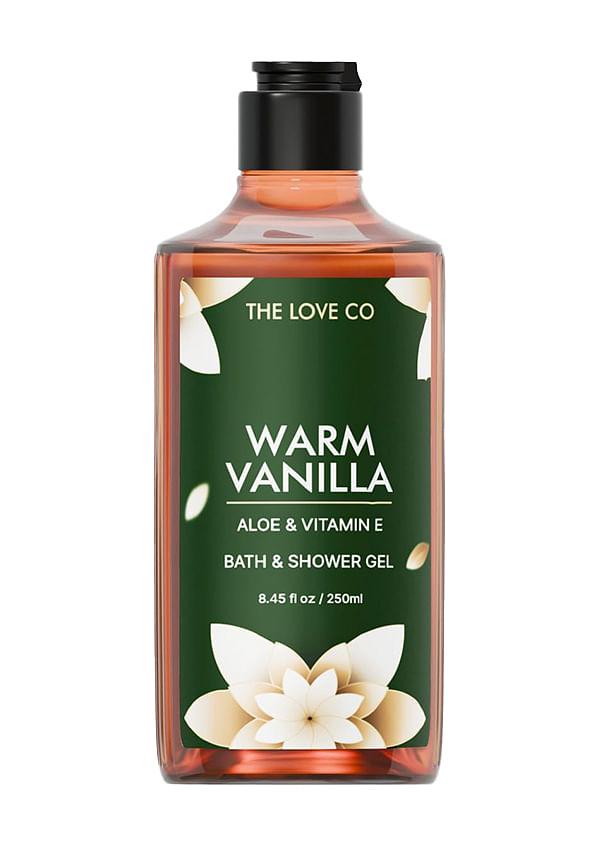 250ml
250mlBody Wash - Natural Warm Vanila - Body Wash For Women and Men - Mild Fragrance - 250ml
Ever caught a whiff of someone's scent and thought, "That's absolutely gorgeous, but I can't quite place it"? Chances are, they've mastered the art of fragrance layering. This isn't about dousing yourself in multiple perfumes and hoping for the best—it's a proper technique that creates completely unique, personalised scents that no one else will have. Think of it as your secret weapon for standing out in the best possible way. Ready to become your own perfume alchemist?
Fragrance layering is the art of combining two or more scents to create a completely new, personalised fragrance experience. Unlike simply wearing multiple perfumes at once (which can be a bit of a disaster, let's be honest), proper perfume layering involves strategic application techniques that allow different scents to complement and enhance each other.
The magic happens when individual fragrances interact with your unique skin chemistry, creating something that's entirely yours. It's like having a bespoke perfume without the hefty price tag. Layering scents has been around for centuries—ancient Egyptians and Middle Eastern cultures were mixing oils and incense long before modern perfumery existed.
What makes layering so special? You're not limited to what's available on the shelves. You can create fresh morning scents, sultry evening blends, or even seasonal combinations that evolve throughout the day. Plus, it's a brilliant way to make your existing fragrance collection work harder for you.
Here's where things get properly interesting. Fragrance combinations work because of how scent molecules interact both on your skin and in the air around you. Different fragrance families have natural affinities—think of them as scent soulmates that just work together.
Your skin chemistry plays a massive role in how layered fragrances develop. Factors like your skin's pH, natural oils, and even what you've eaten can influence how scents blend and project. This is why the same combination might smell divine on your mate but completely different on you.
Temperature and humidity also affect how mixing fragrances performs. Warmer weather amplifies scents, so you might want lighter combinations during summer, whilst cooler months can handle richer, more complex layering. Understanding these basics helps you avoid those "what was I thinking?" moments we've all had with fragrance experiments.
Before you even think about how to layer perfume, let's talk about your canvas—your skin. Hydrated skin holds fragrance better and allows for smoother blending. Think of dry skin like trying to paint on rough paper; the results just won't be as smooth.
Apply an unscented moisturiser or body oil about 10-15 minutes before your first fragrance. If you want to get really technical, a tiny dab of petroleum jelly on your pulse points can act like a fragrance primer, helping scents last longer and blend more seamlessly.
This preparation step is one of those perfume layering techniques that professionals swear by but most people skip. Don't be most people—your future self will thank you when your carefully crafted scent combination lasts all day instead of disappearing by lunchtime.
This is where many people go wrong with their fragrance layering guide attempts. Always apply your heaviest, most intense fragrance first, then build up with lighter scents. Think of it like getting dressed—you put on your base layers before your lighter pieces.
Heavy fragrances typically include those with deep woods, amber, oud, or rich gourmand notes. These create your foundation. Lighter scents—citrus, fresh florals, or aquatic notes—go on top and won't get overwhelmed by the heavier base.
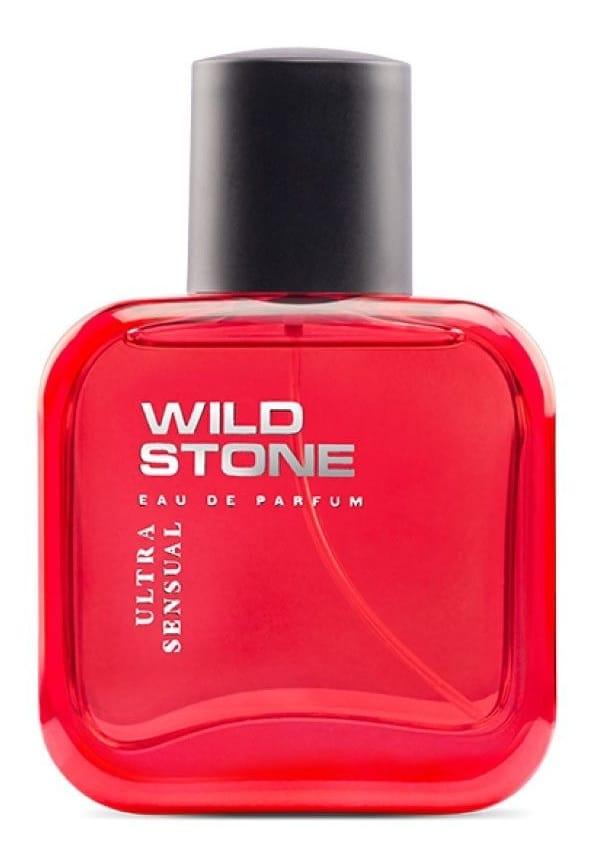 30ml
30mlUltra Sensual Eau De Parfum for Men, 30ml
For example, you might start with a warm amber-based fragrance, wait a few minutes, then add a bright citrus scent. The citrus lifts the amber without getting completely lost, creating a complex scent that evolves beautifully. This technique prevents that muddy, confused smell that happens when you layer randomly.
Now we're getting into the really clever stuff. These next two scent layering guide tips will properly elevate your fragrance game.
Instead of applying all your fragrances to the same spots, try using different pulse points for different scents. Apply your base fragrance to your wrists and behind your ears, then put your top layer on your neck and inner elbows. This creates a more complex scent cloud that people catch different notes from as you move.
The key is understanding that scents blend in the air around you, not just on your skin. By using strategic placement, you're creating layers that interact naturally without overwhelming any single area.
Patience is everything in fragrance layering techniques. Wait 2-3 minutes between each application to let the previous layer settle into your skin. This prevents the scents from mixing too aggressively and creating that dreaded "perfume soup" effect.
In warmer weather, you might need to wait a bit longer as your skin absorbs fragrance more slowly. Trust the process—good layering can't be rushed.
These next tips are about becoming strategic with your fragrance combinations and avoiding the common mistake of going overboard.
Think of fragrance families as different food groups—some naturally complement each other, whilst others clash. Fresh citrus notes pair beautifully with woody scents like cedar or sandalwood. The brightness of the citrus lifts the earthiness of the wood, creating something fresh yet grounded.
Floral and gourmand combinations are absolutely gorgeous when done right. Try pairing a clean rose or jasmine with vanilla or coconut notes. The sweetness enhances the florals without making them cloying.
For something more dramatic, dark and sweet contrasts work brilliantly. Rich oud or amber with sweet gourmand notes creates an intriguing push-and-pull that's sophisticated and memorable.
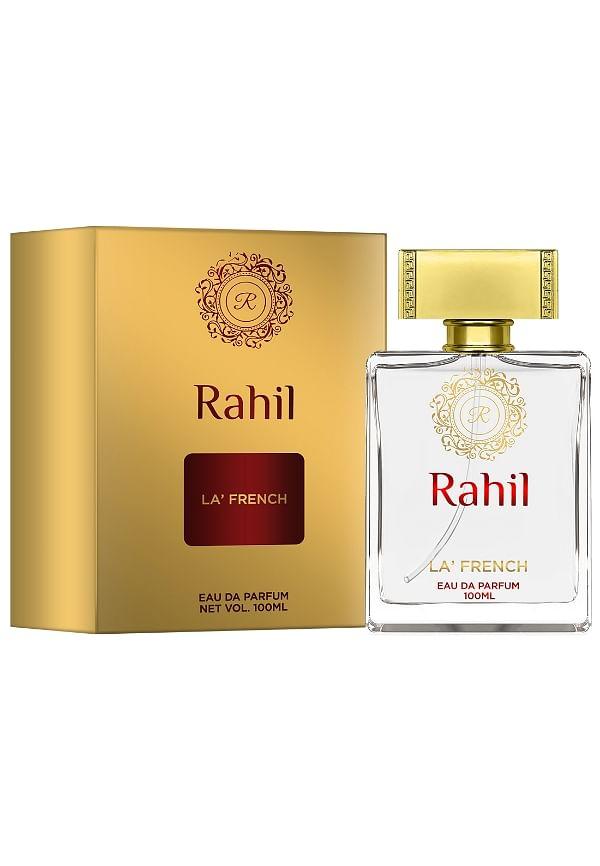 100ml
100mlRahil Eau De Parfum, 100ml
When layering perfumes, use about half the amount you'd normally spray of each fragrance. You can always add more, but you can't take it away. Start with one spray of your base scent, wait, then add one spray of your top layer.
Test your combination on a small area first—maybe just one wrist—before committing to a full application. This saves you from having to scrub off a combination that seemed brilliant in theory but terrible in practice.
Ready to get properly advanced with your mixing fragrances skills? This final tip is about creating signature combinations that become your personal scent identity.
Start building seasonal layering combinations. Summer might call for fresh bergamot layered with light woods, whilst winter could be all about rich vanilla with spicy cardamom. Keep notes (literally) of combinations that work—your phone's notes app is perfect for this.
Consider building a layering wardrobe with versatile base scents that work with multiple top layers. A good clean musk or light wood scent can be your foundation for dozens of different combinations. This approach is much more cost-effective than buying loads of different perfumes.
The goal is to create combinations that feel so naturally "you" that people associate certain scent profiles with your presence. That's when you know you've mastered the art.
Let's talk about what not to do, because these perfume layering mistakes are surprisingly common and completely avoidable.
First up: never rub your wrists together after applying fragrance. This breaks down the scent molecules and can muddy your carefully planned layers. Just let them air dry naturally.
Don't mix incompatible fragrance families without understanding why they might clash. Heavy orientals with fresh aquatics rarely work well together—they're just too different in character.
Over-application is probably the biggest mistake people make when learning how to layer perfume. More isn't better; it's just more. Your goal is complexity, not intensity.
Ignoring your skin chemistry is another common error. What smells amazing on the tester strip or your friend might not work with your natural scent. Always test combinations on your actual skin before committing.
Creating a proper layering collection doesn't mean buying every fragrance you see. Start with a few versatile base scents and build from there. Look for fragrances that play well with others—clean musks, light woods, and simple florals are excellent starting points.
Consider your lifestyle when building your collection. If you're always on the go, travel-friendly rollerballs or small sprays make layering much more practical. For different occasions, think about having fresh daytime combinations and richer evening blends ready to go.
 Combo
ComboPure Perfume Gift Set
This is where platforms like Smytten become absolutely brilliant for fragrance lovers. Instead of committing to full-size bottles before knowing how scents layer together, you can explore trial sizes from over 1,500 trusted brands. With options to get up to 8 minis for just ₹249, you can experiment with different fragrance layering combinations without the financial commitment. Plus, the 100% cashback on trial purchases means you can discover your perfect layering combinations and then invest in full sizes of only the ones that truly work for you.
Start with clean, moisturised skin. Apply your heaviest fragrance first, wait 2-3 minutes, then add lighter scents. Use different pulse points for different fragrances and always start with less product than you think you need.
Safe starter combinations include citrus with light woods, vanilla with fresh florals, or clean musks with almost anything. These combinations are forgiving and rarely clash.
Absolutely! Some of the best combinations come from mixing different brands. Focus on the scent profiles rather than the brand names—a citrus from one brand can work beautifully with woods from another.
For beginners, stick to two fragrances maximum. Once you're comfortable with that, you might experiment with three, but more than that usually becomes overwhelming and muddy.
When done correctly, yes. The different evaporation rates of various scents can create a more complex evolution throughout the day, often extending the overall wear time.
Mastering fragrance layering tips is like learning any art form—it takes practice, experimentation, and a willingness to make a few mistakes along the way. The beauty of scent layering is that it's completely personal. What works for someone else might not work for you, and that's perfectly fine.
Start simple, be patient with the process, and don't be afraid to try unexpected combinations. Some of the most beautiful layered scents come from happy accidents and bold experiments. Remember, the goal isn't to create the most complex scent possible—it's to create something that feels authentically you.
With Smytten's extensive collection of fragrance trials, you can explore endless scent layering possibilities without the commitment of full-size purchases. After all, why settle for off-the-shelf when you can create something completely unique? Your signature scent is waiting to be discovered—it just might be a combination you never would have thought to try.
