7 Key Differences: EDP vs EDT Explained


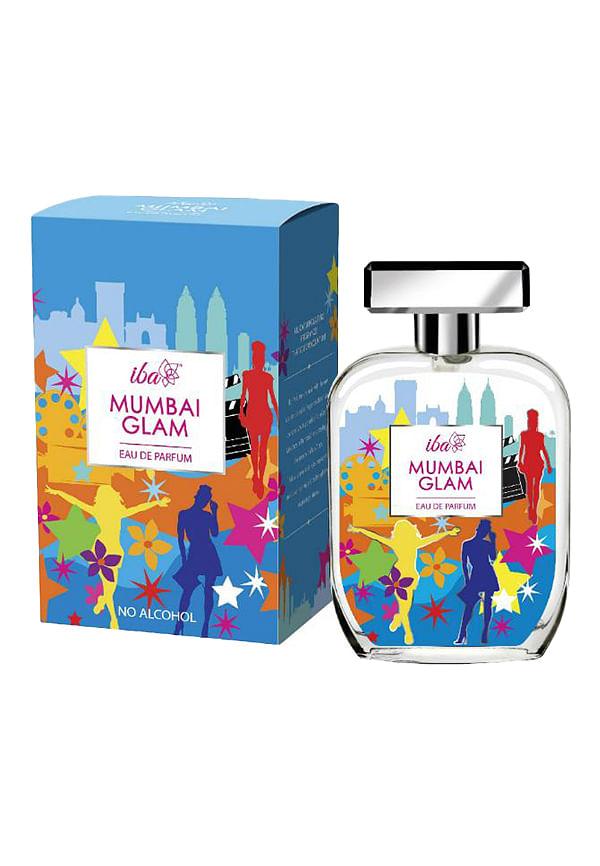 100 ml
Eau De Parfum – Mumbai Glam, Long Lasting Floral & Fruity Fragrance For Women
Ever stood in the fragrance aisle feeling completely lost? You're definitely not alone. The world of perfumes can feel like a maze, especially when you're trying to decode what eau de parfum vs eau de toilette actually means. Those fancy French terms on bottles might look sophisticated, but they're actually telling you something super important about what you're buying. Whether you're building your first fragrance collection or just want to understand why some scents cost more than others, knowing the difference between EDP and EDT will change how you shop for fragrances forever. Let's break down the seven key differences that'll make you a fragrance pro.
Eau de Parfum, or EDP, is basically the stronger cousin in the fragrance family. Think of it as the concentrated version of your favourite scent—more intense, longer-lasting, and definitely more noticeable. The magic lies in its perfume concentration, which sits between 15-20% aromatic compounds mixed with alcohol and water.
What makes EDP special is that higher concentration of perfume oils. These aren't just any oils—they're carefully crafted aromatic compounds that create the actual scent you smell. With 15-20% concentration, EDPs pack a serious punch. The remaining 80-85% is mostly alcohol, which helps the fragrance project and last on your skin. This higher oil content means you get richer, more complex fragrance types that unfold beautifully throughout the day.
EDP is your go-to for special occasions, evening events, or when you want your scent to make a statement. It's also brilliant for colder weather since the higher concentration helps the fragrance perform better when temperatures drop. If you're someone who wants their signature scent to last from morning coffee to evening dinner, EDP is worth considering.
Eau de Toilette (EDT) is like the approachable, everyday friend of the fragrance world. With a lighter touch and more subtle presence, it's designed for those who prefer their scents to whisper rather than shout. The perfume strength here is gentler, making it perfect for daily wear.
EDT contains 5-15% aromatic compounds, which means it's significantly lighter than its EDP counterpart. The higher alcohol content (around 85-95%) makes it feel fresher and more refreshing when you first spray it. This lighter formulation means the scent sits closer to your skin rather than projecting far into your personal space.
EDT shines in office environments where you want to smell lovely without overwhelming your colleagues. It's also perfect for warm weather when heavy fragrances can feel suffocating. Think of it as your reliable daily driver—fresh, clean, and completely appropriate for any casual situation.
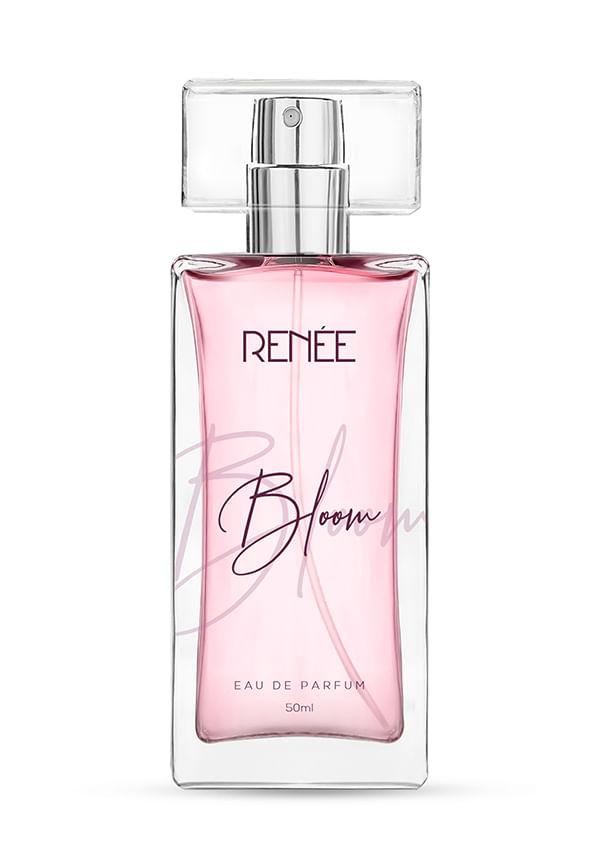 50 ml
50 mlBloom Eau De Parfum – Luxury Perfume for Women | Premium, Long-Lasting Floral Fragrance (50ml)
Now let's dive into the real differences that matter when you're choosing between these fragrance types. Understanding these distinctions will help you pick the right concentration for your lifestyle and preferences.
The most obvious difference is concentration. EDP packs 15-20% aromatic oils whilst EDT contains just 5-15%. This might seem like a small difference, but it completely changes how the fragrance behaves. Higher concentration means more scent molecules hitting your nose, creating a richer, more intense experience. It's like comparing a shot of espresso to a regular coffee—same basic ingredient, totally different strength.
Scent longevity is where EDP really shows off. You can expect 6-8 hours of noticeable fragrance, sometimes even longer on certain skin types. EDT typically gives you 3-5 hours before it starts fading. This difference comes down to those aromatic oils—more oils mean the scent has more staying power on your skin. If you hate reapplying fragrance throughout the day, EDP is your friend.
Projection is how far your scent travels from your body. EDP creates what fragrance lovers call "sillage"—that lovely scent trail you leave behind. EDT keeps things more intimate, staying closer to your skin. Neither is better or worse; it's about what suits your personality and the situation you're in.
EDP costs more, and there's a good reason for that. Those higher concentrations of aromatic compounds are expensive to produce. You're essentially paying for more actual perfume and less filler. When you break it down to cost per hour of wear, EDP often offers better value despite the higher upfront price.
Timing matters with fragrances. EDP works brilliantly for evening events, date nights, or any time you want to make an impression. EDT is your daytime champion—perfect for work, casual outings, or when you want to smell nice without being the person everyone can smell from across the room.
Your skin type affects how fragrances perform. Dry skin tends to absorb fragrance faster, making EDT disappear quickly. Oily skin holds onto scents longer, which might make EDP too intense for some people. The higher alcohol content in EDT can also feel more refreshing on warm skin.
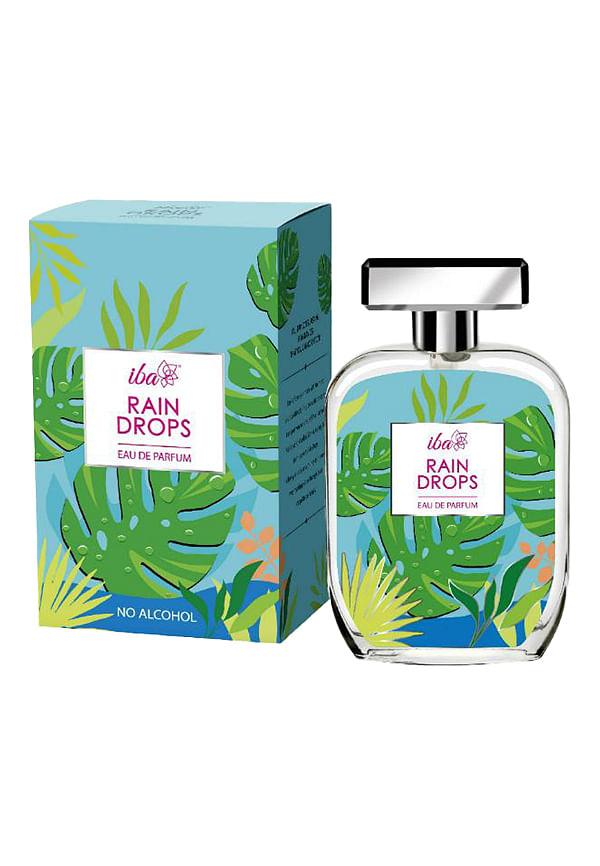 100 ml
Eau De Parfum – Rain Drops, Long Lasting Aqua Fragrance for Women
Here's something interesting—the same fragrance in EDP and EDT concentrations can actually smell different. Brands often adjust the formula slightly for each concentration. The top notes might be brighter in EDT, whilst the base notes could be richer in EDP. It's like having two versions of the same song—recognisably similar but with distinct personalities.
Choosing between eau de parfum vs eau de toilette isn't about one being better than the other. It's about matching the right concentration to your lifestyle, preferences, and budget. Let's break down when each option makes the most sense.
Go for EDP when you want serious scent longevity without constant touch-ups. It's perfect if you love complex fragrances that evolve throughout the day, revealing different notes as hours pass. EDP also works brilliantly in colder climates where lighter fragrances might get lost. If you're investing in a signature scent that you want to be memorable, EDP delivers that lasting impression.
EDT is ideal for fragrance newcomers who want to dip their toes in without committing to something intense. It's brilliant for office environments, warm weather, or any situation where subtlety is key. If you like switching between different scents regularly or prefer lighter, fresher compositions, EDT gives you that flexibility without breaking the bank.
Why choose just one? Many fragrance enthusiasts own both EDP and EDT versions of their favourite scents. Use EDT for daytime and casual wear, then switch to EDP for evenings and special occasions. This approach gives you the best of both worlds and helps you understand how concentration affects your favourite fragrances.
The fragrance world offers more than just EDP and EDT. Understanding the complete spectrum helps you make informed choices and appreciate why certain fragrances are priced differently.
Eau de Cologne (EDC) sits at the lightest end with 2-4% concentration—think fresh, citrusy, and very short-lived. EDT follows with 5-15%, then EDP with 15-20%. At the top sits Parfum or Extrait de Parfum with 20-40% concentration—the most luxurious and long-lasting option. Each level offers different performance characteristics and price points.
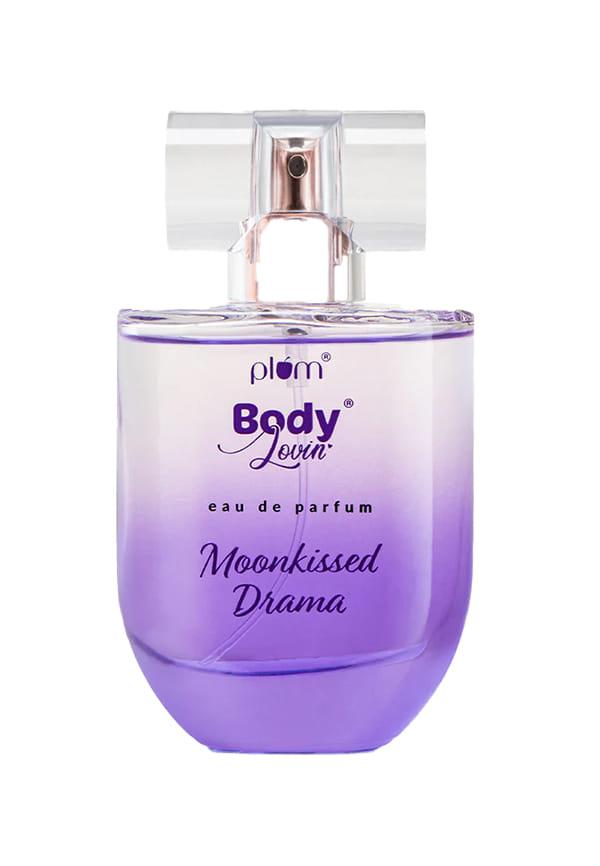 50 ml
50 mlBodyLovin' Moonkissed Drama Eau De Parfum (Perfume) | Long Lasting & Premium Floral Musky Fragrance
As concentration increases, so does longevity, intensity, and price. EDC might last 1-2 hours, EDT gives you 3-5 hours, EDP delivers 6-8 hours, and Parfum can last 8-12 hours or even longer. The choice depends on your budget, lifestyle, and how much presence you want your fragrance to have.
With so many fragrance differences to consider, trying before buying becomes crucial. This is where platforms like Smytten revolutionise fragrance shopping. As India's largest product discovery and trial platform, Smytten connects you with over 1,500 trusted brands, including premium fragrance options. You can explore curated trial packs that let you experience different concentrations and brands before committing to full-size purchases. With trial minis available for just ₹249 and 100% cashback redeemable for future orders, you can discover your perfect EDP or EDT without the usual purchase anxiety. After all, why settle for maybe when you can try it all?
EDT typically works better for daily wear, especially in office environments or warm weather. Its lighter concentration won't overwhelm others around you, and it's more budget-friendly for regular use. However, if you prefer stronger scents and don't mind reapplying less frequently, EDP can work for daily wear too.
Absolutely! Brands often adjust formulations between concentrations. EDT versions might emphasise fresh top notes, whilst EDP versions could highlight richer base notes. The same fragrance can have noticeably different personalities across concentrations.
It depends on your priorities. If you value longevity and don't want to reapply fragrance throughout the day, EDP often offers better value per hour of wear. However, if you prefer lighter scents or like switching fragrances frequently, EDT might be more economical.
EDP generally lasts longer regardless of skin type, but the difference is more pronounced on dry skin. Oily skin tends to hold fragrances longer, so the gap between EDT and EDP performance might be smaller. Moisturised skin also helps both concentrations last longer.
If you love a particular scent, owning both can be brilliant. Use EDT for casual, daytime wear and EDP for evenings or special occasions. This gives you versatility and helps you appreciate how concentration affects your favourite fragrance.
Understanding eau de parfum vs eau de toilette transforms how you approach fragrance shopping. These seven key differences—concentration, longevity, strength, price, usage occasions, skin interactions, and scent variations—give you the knowledge to choose confidently. Remember, there's no universally "better" option; it's about finding what works for your lifestyle, budget, and personal style. Whether you prefer the subtle charm of EDT or the lasting power of EDP, the most important thing is finding scents that make you feel amazing. Start exploring different concentrations, try before you buy when possible, and don't be afraid to experiment. Your perfect fragrance match is out there waiting to be discovered.
