How to Soak Walnuts for Maximum Benefits

 250 gm
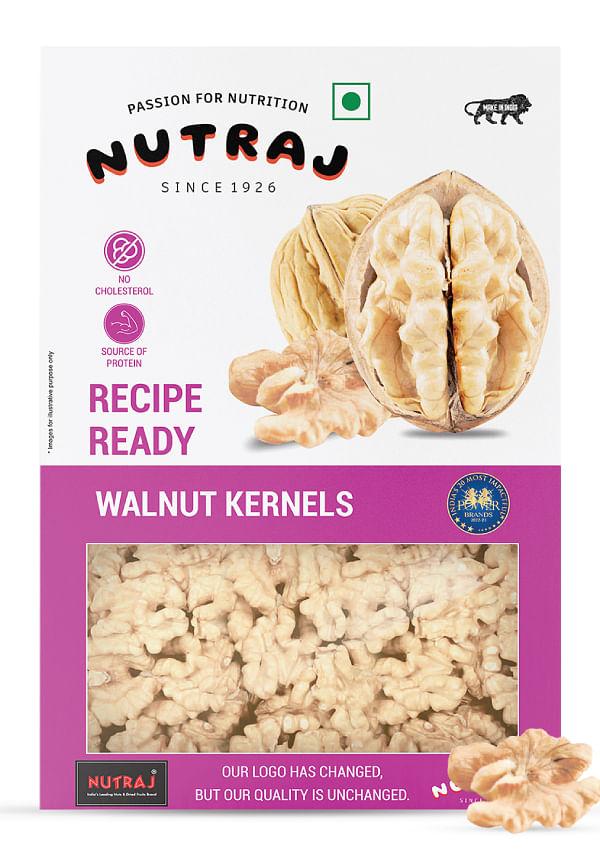
Recipe Ready Walnut Kernels
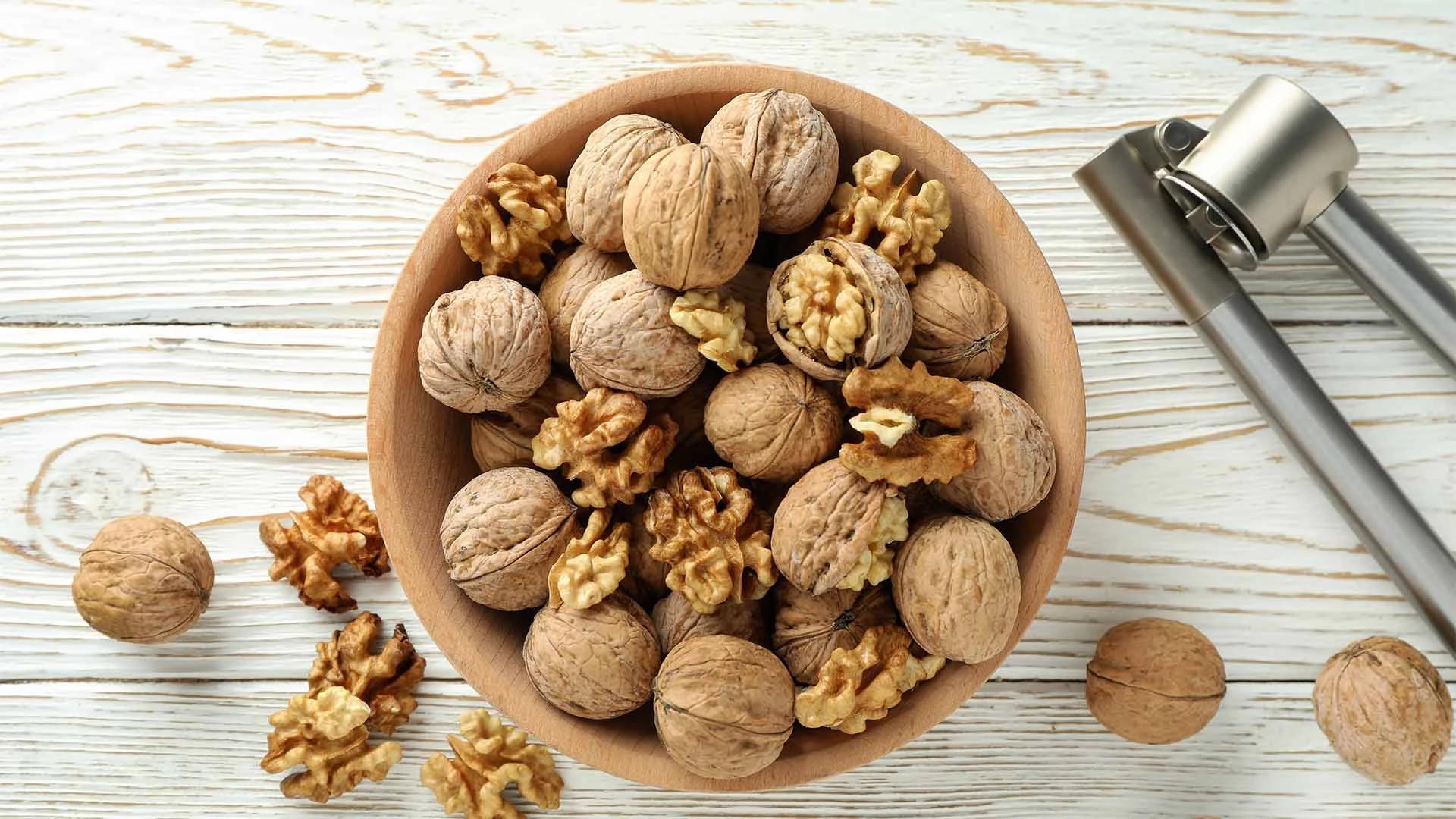
Ever wondered why your grandmother insisted on soaking walnuts overnight? Turns out, she was onto something brilliant. The benefits of soaked walnuts go way beyond what you'd get from munching on them straight from the packet. When you soak these brain-shaped nuts, you're essentially unlocking a treasure trove of nutrients that your body can actually absorb and use. From boosting brain power to supporting heart health, soaked walnuts are like nature's little wellness capsules—and the best part? The process is dead simple.
Let's get real about what happens when you give walnuts a good soak. The soaked walnuts benefits aren't just old wives' tales—there's proper science backing this up. When walnuts sit in water for several hours, the soaking process breaks down compounds that can interfere with nutrient absorption, making all the good stuff more bioavailable to your body.
Research shows that soaking activates enzymes and reduces anti-nutrients like phytic acid and tannins. This means your body can actually access more of the omega-3 fatty acids, vitamin E, and magnesium that walnuts are famous for. Think of it as giving your digestive system a head start—the nutrients are already primed and ready to be absorbed.
The nutritional transformation is pretty impressive. Soaked walnuts contain higher levels of bioactive compounds compared to their raw counterparts. Studies indicate that the antioxidant activity increases significantly after soaking, which means better protection against oxidative stress and inflammation. Plus, the protein becomes more digestible, making soaked walnuts a brilliant choice for anyone looking to boost their protein intake without the digestive drama.
Here's where the magic really happens. The benefits of soaking nuts come down to breaking down the natural barriers that nuts use to protect themselves. Raw walnuts contain compounds that can make them harder to digest and can even block the absorption of important minerals.
Phytic acid is basically nature's way of keeping nuts dormant until conditions are right for sprouting. While it serves the nut well, it's not so great for us humans. This compound binds to minerals like zinc, iron, and calcium, making them unavailable for absorption. Soaking significantly reduces phytic acid levels, freeing up these essential minerals for your body to use.
Tannins are what give raw walnuts that slightly bitter, astringent taste. They can also interfere with protein digestion and make some people feel a bit queasy after eating nuts. The soaking process helps break down these tannins, making walnuts gentler on your stomach and easier to digest.
When you soak walnuts, you're essentially tricking them into thinking it's time to sprout. This activates dormant enzymes that help break down proteins and fats, making the nutrients more accessible. It's like having a pre-digestion process happen before the walnuts even reach your stomach.
The improved digestibility of soaked walnuts means less stress on your digestive system. This can be particularly beneficial for people with sensitive stomachs or digestive issues. The easier digestion also means your gut microbiome gets to enjoy the prebiotic fibres without having to work overtime to break down tough compounds.
The connection between walnuts for brain health and cognitive function is well-established, but soaking takes these benefits up a notch. The enhanced bioavailability of nutrients means your brain gets more of the good stuff it needs to function at its best.
 250 gm
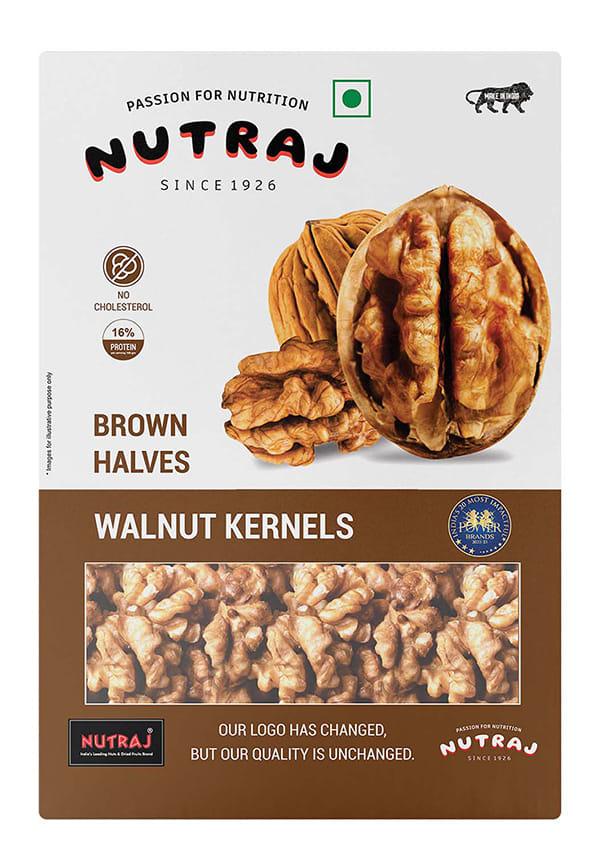
Regular Walnut Kernels
Walnuts are packed with alpha-linolenic acid (ALA), a plant-based omega-3 fatty acid that's crucial for brain health. When walnuts are soaked, these fatty acids become more readily available for absorption. ALA supports neuroplasticity—your brain's ability to form new neural connections—which is essential for learning and memory.
The antioxidant boost from soaking helps protect brain cells from oxidative damage. This is particularly important as we age, as oxidative stress is linked to cognitive decline. The enhanced antioxidant activity in soaked walnuts provides better protection for your neurons, potentially supporting better memory and focus.
Studies suggest that regular walnut consumption may help reduce the risk of cognitive decline and neurodegenerative diseases. The improved nutrient absorption from soaked walnuts means you're getting maximum benefit from these protective compounds.
Research indicates that consuming about 30 grams of walnuts daily (roughly 7-8 walnut halves) can provide significant cognitive benefits. When these are soaked, you're maximising the brain-boosting potential of each nut.
The cardiovascular benefits of walnuts for heart health are impressive, and soaking amplifies these effects. The improved nutrient absorption means your heart gets more of the protective compounds it needs to stay healthy.
Soaked walnuts are particularly effective at helping manage cholesterol levels. The enhanced bioavailability of healthy fats and plant sterols means better support for maintaining healthy cholesterol ratios. Studies show that regular walnut consumption can reduce LDL (bad) cholesterol while supporting HDL (good) cholesterol levels.
The increased antioxidant activity in soaked walnuts provides better anti-inflammatory support for your cardiovascular system. This can help protect blood vessels from damage and support healthy blood pressure levels.
When it comes to walnuts for weight loss, soaked walnuts have an edge. They're easier to digest, which means you feel satisfied with smaller portions. The improved protein digestibility also helps with satiety, keeping you fuller for longer and reducing the likelihood of unhealthy snacking.
The enhanced nutrient profile of soaked walnuts can help support stable blood sugar levels. The combination of healthy fats, protein, and fibre works together to slow down sugar absorption, preventing those energy spikes and crashes.
 250 gm
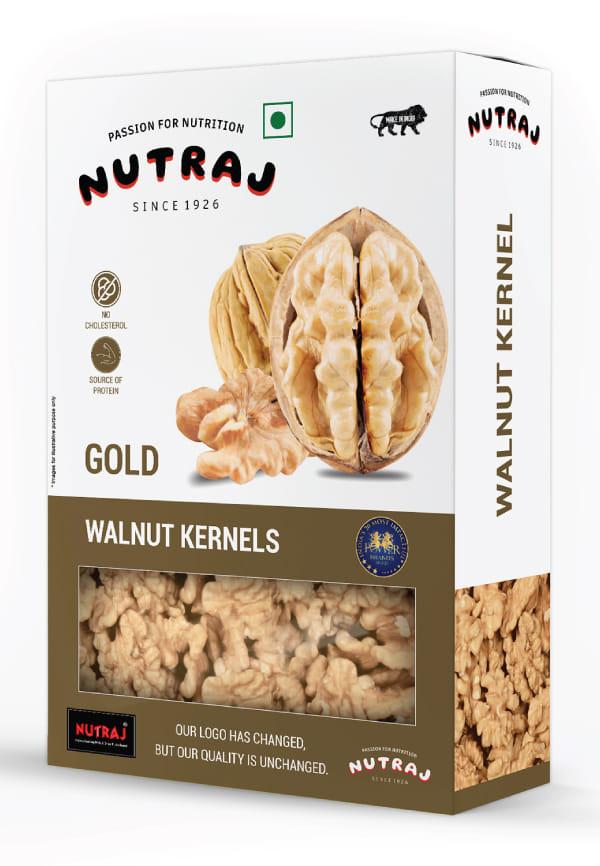
Gold Walnut Kernels
Now for the practical bit—how to soak walnuts for maximum benefit. The process is straightforward, but getting it right makes all the difference to both taste and nutritional value.
The sweet spot for soaking walnuts is 6-8 hours, though overnight works perfectly too. This gives enough time for the anti-nutrients to break down without the walnuts becoming too soft or losing their texture.
Use clean, filtered water at room temperature. You'll want enough water to cover the walnuts completely—about twice the volume of nuts to water works well. Avoid hot water as it can destroy some of the delicate nutrients.
Once soaked, drain and rinse the walnuts thoroughly. You can eat them immediately or store them in the fridge for up to 3 days. Make sure they're completely dry before storing to prevent any unwanted bacterial growth.
Properly soaked walnuts will be slightly plumper and have a softer texture than raw ones. The bitter edge should be noticeably reduced, and they should taste cleaner and sweeter. The skin might also peel off more easily.
Different people can tap into the soaked walnuts nutrition benefits in ways that support their specific health goals. Whether you're focused on glowing skin, hormonal balance, or overall wellness, soaked walnuts have something to offer.
The enhanced antioxidant content in soaked walnuts provides excellent support for skin health. Vitamin E and omega-3 fatty acids work together to protect skin cells from damage and support collagen production. Many people notice improved skin texture and reduced inflammation when they include soaked walnuts in their daily routine.
For men, soaked walnuts can support reproductive health and hormone balance. The improved zinc absorption from soaking is particularly beneficial for testosterone production and sperm quality. The anti-inflammatory effects also support overall male wellness.
Women can benefit from the hormone-supporting properties of soaked walnuts. The healthy fats help with hormone production, while the improved mineral absorption supports bone health—particularly important for women as they age.
 500 gm
Anmol Walnut Kernels
Absolutely! Soaking different nuts together is perfectly fine and can create a lovely mixed nut snack. Just keep in mind that different nuts may have slightly different optimal soaking times, but 6-8 hours works well for most combinations.
Speaking of exploring different wellness options, platforms like Smytten make it easy to discover new health-focused brands and products. With trial packs from over 1,500 trusted brands, you can explore everything from nutritious snacks to wellness supplements without committing to full-size purchases. It's particularly handy when you're building a healthier lifestyle and want to try different products to see what works best for you.
Yes, eating soaked walnuts daily is generally safe and beneficial for most people. Aim for about 7-8 walnut halves per day to get the health benefits without overdoing the calories. If you have any nut allergies or digestive issues, it's worth checking with your healthcare provider first.
Regular walnut consumption over 30 days can lead to improved cholesterol levels, better brain function, and enhanced heart health. Many people also report better digestion and more stable energy levels. The key is consistency and sticking to appropriate portion sizes.
Morning is generally considered the best time to eat soaked walnuts, as your body can make the most of the nutrients throughout the day. Having them as part of breakfast or a mid-morning snack works well. Avoid eating them late at night as they're quite rich and might interfere with sleep.
About 7-8 walnut halves (roughly 30 grams) per day is the sweet spot for most people. This provides significant health benefits without excessive calories. If you're new to eating walnuts regularly, start with fewer and gradually increase to avoid any digestive discomfort.
Soaked walnuts are generally well-tolerated, but some people might experience digestive upset if they eat too many at once. Those with tree nut allergies should obviously avoid them completely. If you're taking blood-thinning medications, check with your doctor as walnuts can have mild blood-thinning effects.
Yes, soaked walnuts can be beneficial for people with diabetes. They have a low glycemic index and can help stabilise blood sugar levels. The healthy fats and protein help slow down sugar absorption. However, portion control is important due to their calorie content.
The benefits of soaked walnuts really are worth the minimal effort of an overnight soak. From better digestion and enhanced nutrient absorption to improved brain and heart health, this simple preparation method unlocks so much more potential from these already impressive nuts. Whether you're looking to boost cognitive function, support cardiovascular health, or simply want a more digestible and tasty snack, soaked walnuts tick all the boxes.
The beauty of incorporating soaked walnuts into your routine is how effortless it becomes once you get into the habit. Just like how Smytten makes discovering new wellness products effortless with their trial packs, soaking walnuts becomes second nature when you experience the benefits firsthand. With over 25 million users trusting Smytten to help them make smarter choices about lifestyle and wellness products, it's clear that people value the opportunity to try before they commit—whether it's a new supplement or a simple habit like soaking nuts.
Remember, the key to getting the most from soaked walnuts is consistency. Start with that simple overnight soak, stick to appropriate portions, and give your body time to adapt to this nutritious addition to your diet. Your brain, heart, and digestive system will thank you for it.
