How to Make Protein Smoothies: Your Complete FAQ Guide

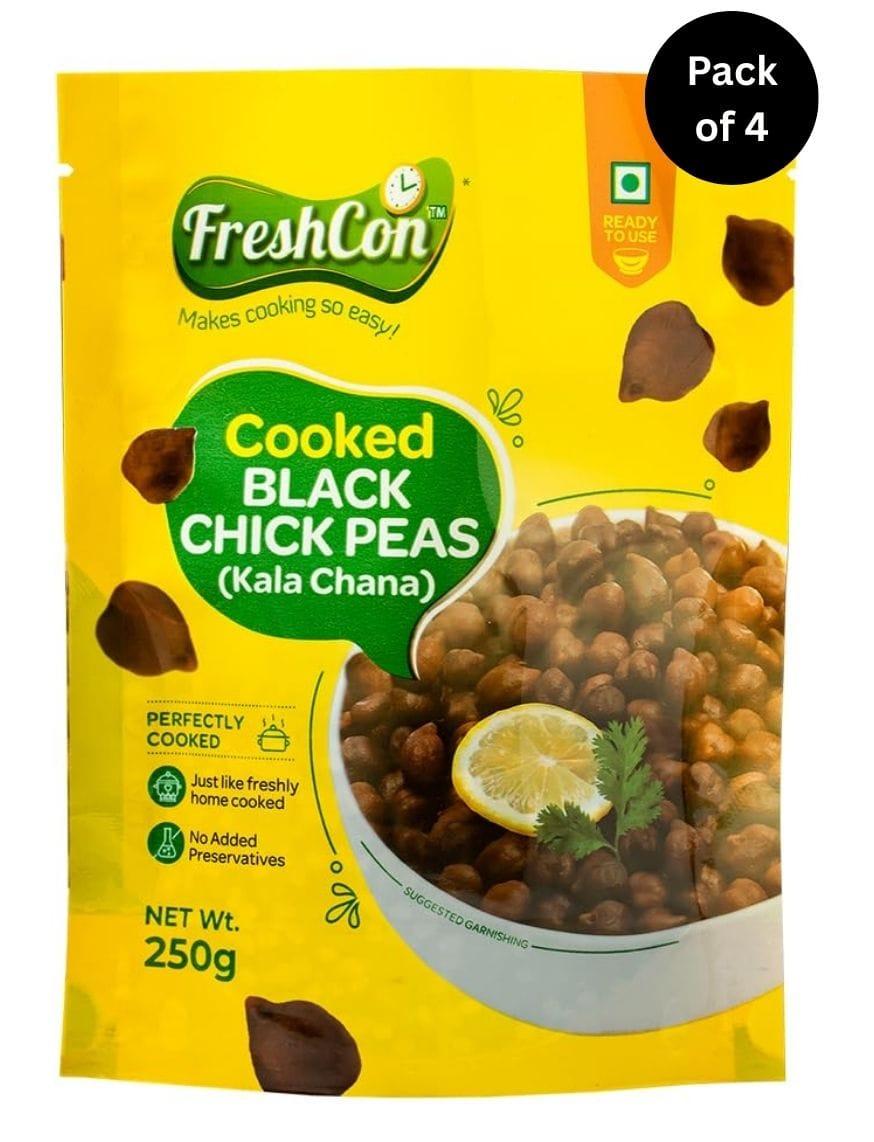 1000 gm
Freshcon Cooked Kala Chana (Black Chickpeas)
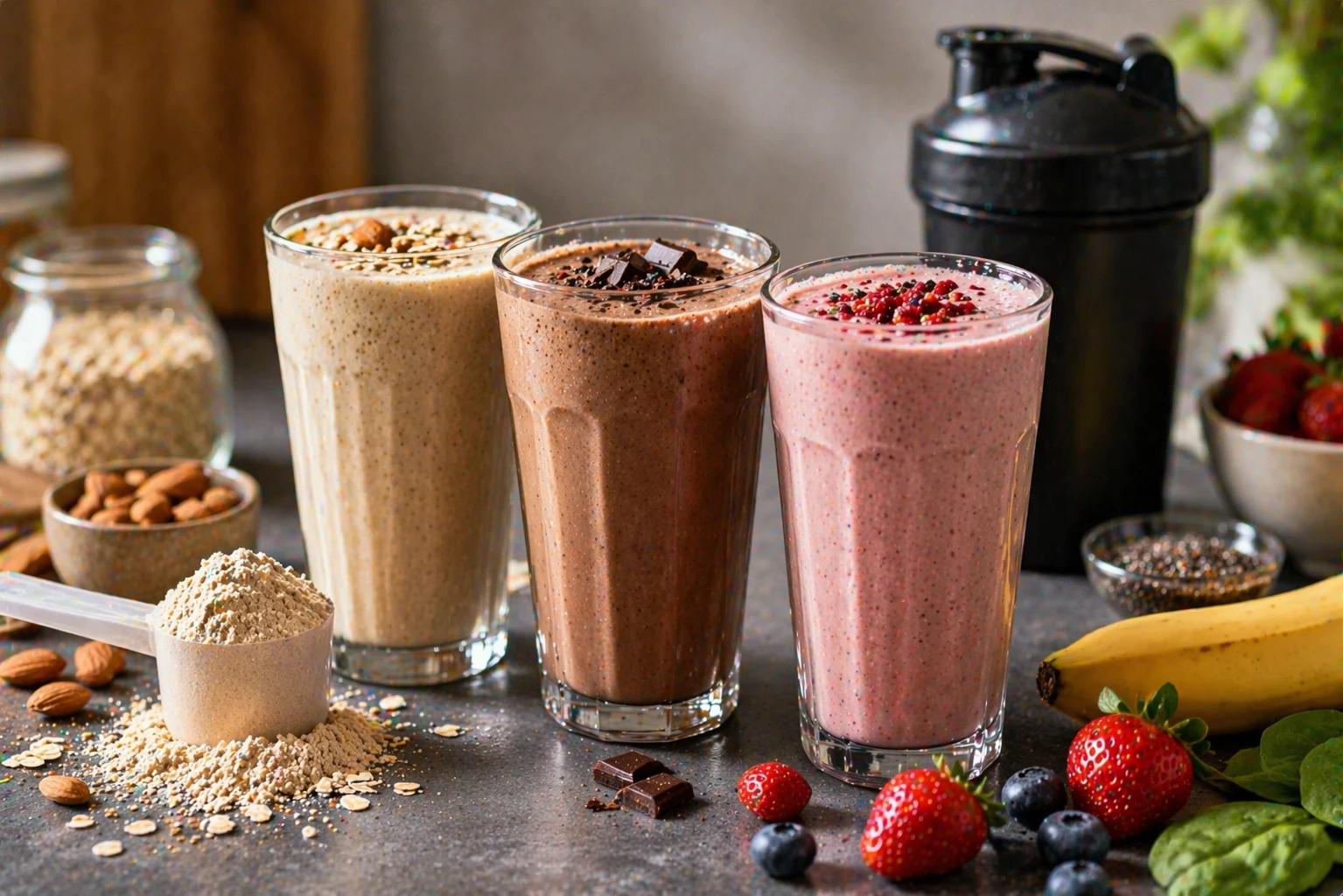
Let's be real—protein smoothies have become the ultimate game-changer for anyone looking to fuel their body properly. Whether you're rushing out the door for work, hitting the gym, or just trying to sneak more nutrients into your day, knowing how to make protein smoothies can transform your nutrition game completely. These creamy, delicious blends pack serious nutritional punch whilst being ridiculously convenient. From muscle-building powerhouses to meal replacement smoothies that actually keep you satisfied, we're diving into everything you need to know about crafting the perfect protein-packed sip.
Building the best protein smoothie starts with understanding your ingredient arsenal. Think of it like creating the perfect playlist—each component plays a specific role in the final masterpiece.
Your liquid base sets the entire tone for your smoothie. Dairy milk delivers classic creaminess and extra protein, whilst almond milk keeps things light and nutty. Coconut water works brilliantly for post-workout hydration, and oat milk brings natural sweetness that pairs beautifully with berry combinations.
Protein powder might be the obvious choice, but it's not your only option. Greek yoghurt brings probiotics alongside protein, cottage cheese creates surprisingly creamy textures, and silken tofu works magic in fruit smoothie with protein combinations. Each scoop of quality protein powder typically delivers 20-25g of protein, whilst a cup of Greek yoghurt provides around 15-20g.
Frozen bananas are your secret weapon for natural sweetness and creamy texture without needing ice. Berries pack antioxidants, mangoes bring tropical vibes, and spinach sneaks in nutrients without affecting taste. The frozen factor is crucial—it creates that thick, milkshake-like consistency we're all after.
Nut butters add richness and staying power, chia seeds provide omega-3s and create pudding-like thickness when blended, and hemp hearts deliver complete protein. Avocado might sound odd, but it creates incredibly smooth textures whilst adding healthy fats that help nutrient absorption.
The order you add ingredients makes a massive difference in achieving smoothie perfection. Getting this right means no more chunky disasters or blender struggles.
Always start with liquids first—this helps your blender blades move freely. Add soft ingredients like yoghurt or nut butter next, followed by fresh fruits, then frozen items last. This sequence prevents your blender from working overtime and ensures everything blends evenly.
Most easy protein smoothie recipes need just 30-60 seconds of blending. If you're adding leafy greens or oats, give it up to 2 minutes to break everything down properly. Listen to your blender—when the sound becomes consistent and smooth, you're probably done.
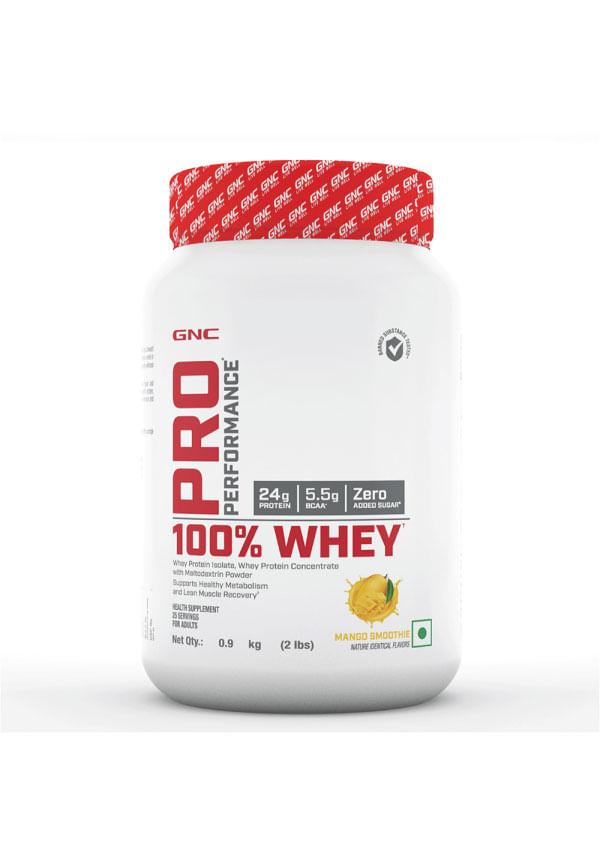 2 lbs
2 lbsPro Performance 100% Whey Protein Powder Mango Smoothie
Skip the ice and use frozen fruit instead. Ice dilutes flavours and can create watery textures, whilst frozen fruit maintains flavour intensity whilst providing that perfect thick consistency. If your smoothie's too thick, add liquid gradually. Too thin? Toss in more frozen fruit or a handful of oats.
These protein smoothie recipes are designed to fit different lifestyles and goals. Each one delivers serious nutrition whilst tasting absolutely brilliant.
Peanut Butter Banana Power: Blend 1 cup whole milk, 1 scoop vanilla protein powder, 1 frozen banana, 1 tablespoon natural peanut butter, and a pinch of cinnamon. This delivers around 35g protein and tastes like liquid peanut butter biscuits.
Green Machine: Combine 1 cup coconut water, 1 scoop vanilla protein powder, large handful of spinach, half a frozen banana, 1 tablespoon ground flaxseed, and a squeeze of lime. Don't worry—you won't taste the spinach, but you'll get the nutrients.
Antioxidant Berry Blast: Mix 1 cup unsweetened almond milk, half a cup Greek yoghurt, 1 cup mixed frozen berries, 1 tablespoon chia seeds, and a drizzle of honey. This combination provides sustained energy and around 25g protein.
Coffee Protein Energiser: Blend 1 cup cold brew coffee, 1 frozen banana, 1 scoop chocolate protein powder, 1 tablespoon almond butter, and a dash of vanilla extract. Your morning caffeine fix just got a serious protein upgrade.
Tropical Paradise: Combine 1 cup coconut milk, half a cup silken tofu, 1 cup frozen mango chunks, 1 tablespoon coconut flakes, and a squeeze of lime. This creates a filling, balanced meal with healthy fats, protein, and complex carbs.
Chocolate Cherry Recovery: Blend 1 cup chocolate almond milk, 1 scoop vanilla protein powder, 1 cup frozen cherries, 1 tablespoon cacao powder, and a handful of spinach. Perfect post-workout fuel that tastes like dessert.
Not everyone wants to use protein powder, and that's completely fine. You can absolutely create smoothie for muscle gain using whole food protein sources that deliver impressive results.
Greek yoghurt leads the pack with 15-20g protein per cup, whilst cottage cheese provides similar amounts with a surprisingly neutral taste when blended. Nut and seed butters contribute 6-8g protein per tablespoon, and hemp hearts pack 10g protein in just 3 tablespoons.
Creamy Vanilla Dream: Blend 1 cup Greek yoghurt, 1 cup almond milk, 1 frozen banana, 2 tablespoons almond butter, 1 tablespoon hemp hearts, and vanilla extract. This delivers around 30g protein naturally.
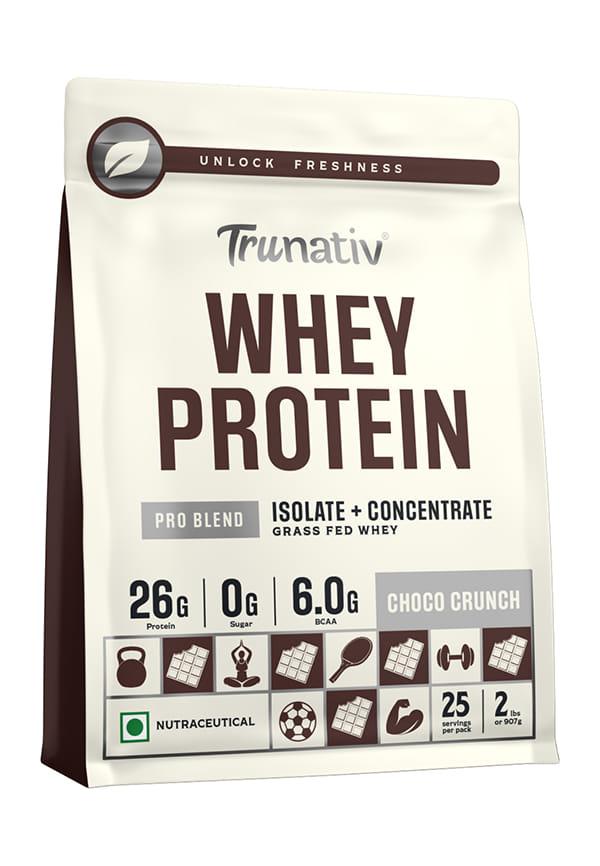 907 gm
Pro Blend Whey Protein | Choco Crunch
Chocolate Peanut Butter Cup: Mix 3/4 cup cottage cheese, 1 cup chocolate almond milk, 1 frozen banana, 2 tablespoons natural peanut butter, and 1 tablespoon cacao powder. The cottage cheese creates incredible creaminess whilst providing serious protein.
Your smoothie should work for your lifestyle, not against it. Here's how to tailor these healthy smoothie recipes for different objectives.
For weight loss, emphasise high-fibre ingredients like berries, chia seeds, and spinach. Keep portions moderate and include healthy fats to promote satiety. A combination of protein and fibre helps control appetite for hours.
If managing diabetes, pair protein with healthy fats and limit high-glycemic fruits. Berries, avocado, and nuts create stable blood sugar responses. Always include protein to slow sugar absorption.
Focus on omega-3 rich ingredients like flaxseeds, walnuts, and chia seeds. Berries provide antioxidants, whilst oats contribute beta-glucan for cholesterol management. Plant-based proteins work brilliantly for heart-healthy goals.
Even the best protein smoothie can go wrong without proper technique. These tips ensure consistent success every single time.
Natural vanilla extract transforms any smoothie, whilst cinnamon adds warmth without calories. Fresh ginger brings zing to tropical combinations, and a pinch of sea salt actually enhances sweet flavours. Experiment with extracts like almond or coconut for variety.
Gritty protein powder? Blend it with liquid first before adding other ingredients. Too thick? Add liquid gradually—start with 2 tablespoons at a time. Too thin? Frozen fruit or a handful of oats will thicken things up perfectly.
Prepare smoothie packs by portioning ingredients into freezer bags. When ready, just add liquid and blend. Fresh smoothies taste best immediately, but they'll keep in the fridge for up to 24 hours. Give them a good stir before drinking.
Speaking of discovering new ingredients for your protein smoothie recipes, platforms like Smytten make it incredibly easy to try different protein powders, nut butters, and superfood additions without committing to full-size purchases. With trial packs from trusted wellness brands, you can experiment with various protein sources and flavour combinations to find your perfect smoothie formula.
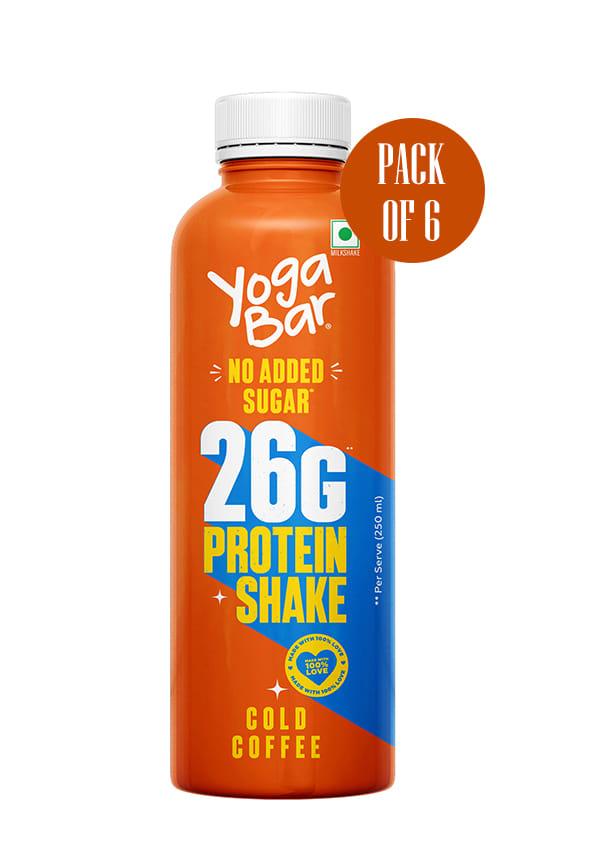 Pack of 6
Protein Shake, Cold Coffe
Protein powder offers the highest concentration, but Greek yoghurt provides protein plus probiotics. For natural options, try cottage cheese, nut butters, or hemp hearts. Each serves different purposes depending on your taste preferences and dietary needs.
Aim for 25-30g protein per smoothie for muscle building goals. This typically means one scoop of protein powder plus additional protein sources like Greek yoghurt or nut butter. Timing matters too—consume within 30 minutes post-workout for optimal muscle protein synthesis.
Yes, when made properly. Focus on low-glycemic fruits like berries, include healthy fats and fibre, and always pair carbohydrates with protein. This combination helps stabilise blood sugar levels. Monitor your response and adjust ingredients accordingly.
Absolutely. Include oats for beta-glucan, berries for antioxidants, and nuts or seeds for healthy fats. Plant-based proteins and ingredients like ground flaxseed can support heart health when part of a balanced diet.
Protein shakes typically contain just protein powder and liquid, whilst smoothies include fruits, vegetables, and other whole food ingredients. Smoothies provide more complete nutrition, fibre, and natural flavours compared to basic protein shakes.
Daily consumption is fine if they fit your nutritional needs and calorie goals. Many people enjoy them as breakfast or post-workout fuel. Listen to your body and ensure you're getting varied nutrition from other meals too.
Fresh is best, but you can prep ingredients in advance or store finished smoothies for up to 24 hours in the fridge. Separation is normal—just give it a good stir. Freezer smoothie packs make morning prep incredibly quick.
Post-workout (within 30 minutes) maximises muscle recovery, whilst morning smoothies provide sustained energy. As meal replacements, they work anytime you need convenient, balanced nutrition. Choose timing based on your goals and schedule.
Mastering how to make protein smoothies opens up endless possibilities for convenient, delicious nutrition. Whether you're building muscle, managing weight, or simply trying to eat better, these versatile drinks adapt to virtually any lifestyle or dietary need. The key lies in understanding your ingredients, perfecting your technique, and experimenting with combinations that excite your taste buds.
Remember, the best protein smoothie is the one you'll actually drink consistently. Start with simple recipes and gradually experiment with new ingredients and flavours. With practice, you'll develop your own signature blends that perfectly match your nutritional goals and taste preferences. Your future self will thank you for making nutrition this delicious and convenient.
