How to Include Seeds in Your Diet: A Simple Guide

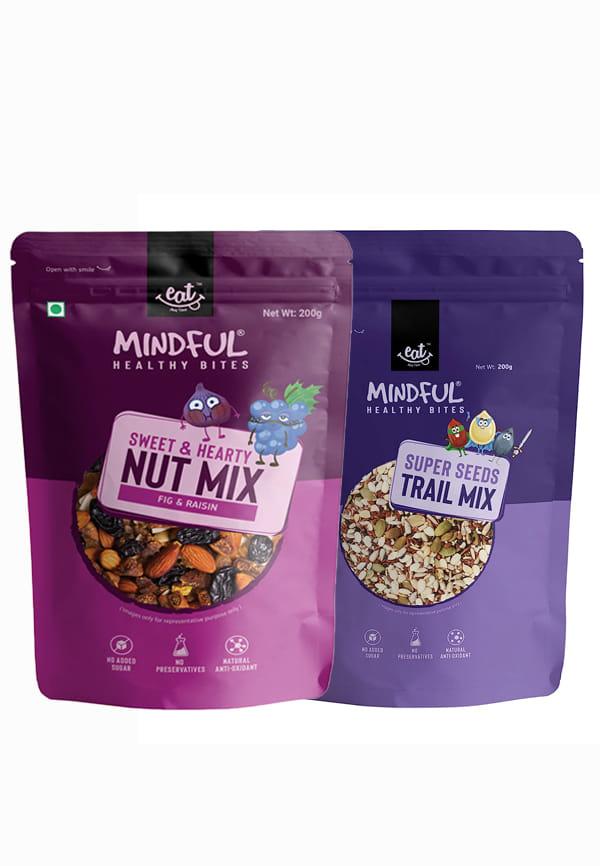 Combo
ComboMindful & Healthy Seeds and Trail Mix
Seeds might just be the most underrated superfood sitting in your pantry right now. These tiny nutritional powerhouses pack more benefits per gram than most foods, yet many of us struggle with how to include seeds in diet routines that actually stick. Whether you're looking to boost your protein intake, add healthy fats, or simply want to try something new that's worth obsessing over, seeds offer an easy entry point into better nutrition. The best part? You don't need to overhaul your entire meal plan—just a sprinkle here and there can make a real difference to how you feel and fuel your body.
Let's be real—the benefits of seeds go way beyond just being trendy health food. These little gems are basically nature's multivitamins, packed with everything your body craves in one tiny package.
When you look at seed nutrition facts, it's honestly mind-blowing how much goodness fits into such a small space. Most seeds deliver a perfect trio of plant-based protein, healthy omega-3 fatty acids, and soluble fibre—plus a hefty dose of vitamins and minerals like magnesium, zinc, and vitamin E. Think of them as your daily insurance policy against nutrient gaps, especially if you're juggling a busy lifestyle where proper meals sometimes take a backseat.
The seed health benefits aren't just theoretical—they're the kind you can feel. Regular seed consumption helps keep your heart happy by managing cholesterol levels, supports steady energy through better blood sugar control, and keeps your digestive system running smoothly thanks to all that fibre. Plus, if you're trying to manage your weight, seeds are brilliant for keeping you satisfied longer, which means fewer afternoon snack attacks.
Not all seeds are created equal, and knowing which types of edible seeds to prioritise can save you time and money. Here's your cheat sheet to the ones worth adding to your shopping list.
These tiny black or white seeds are absolute legends when it comes to omega-3 content. Just two tablespoons give you about 10 grams of fibre and 4 grams of protein. The magic happens when you soak them—they turn into a gel-like consistency that's perfect for puddings or smoothie bowls.
Ground flaxseeds are where it's at—your body can actually absorb the nutrients, unlike whole ones that just pass right through. They're packed with lignans, which act like gentle hormone balancers, making them particularly brilliant for women's health.
Hemp hearts (the hulled version) taste nutty and creamy, making them perfect for anyone who finds other seeds a bit too earthy. They're one of the few plant foods that contain all essential amino acids, so they're your kind of pick if you're plant-based.
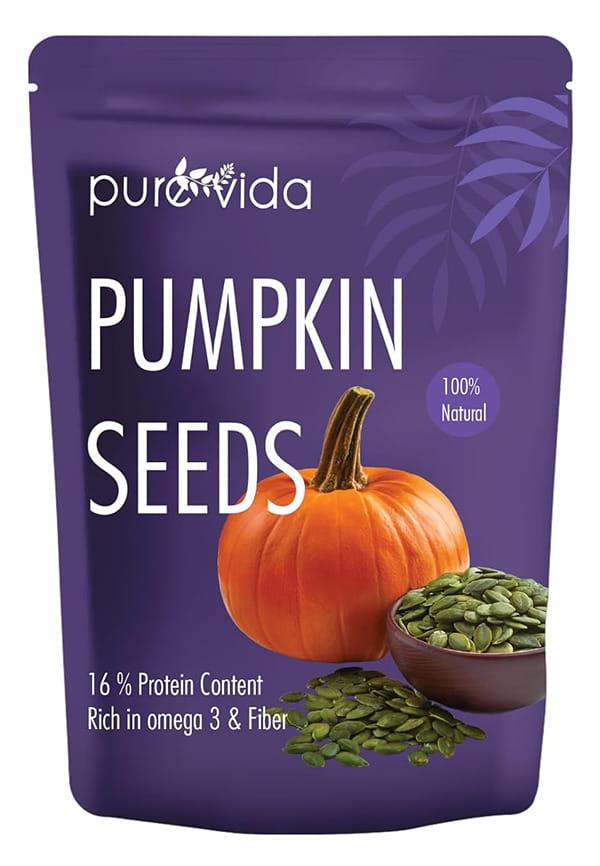 200gm
200gmPumpkin Seeds | High in Protein, Fiber & Healthy Fats
These green gems are loaded with zinc and magnesium—two minerals most of us don't get enough of. They're also naturally satisfying, so a small handful can curb cravings without overdoing the calories.
Probably the most accessible option, sunflower seeds are brilliant for antioxidant vitamin E. They're also the most affordable, making them perfect for anyone wanting to dip their toes into seed consumption without breaking the bank.
Whether you use them whole or as tahini, sesame seeds bring a lovely nutty flavour plus surprising amounts of calcium. They're particularly good if you're avoiding dairy but still want to support bone health.
The sweet spot for incorporating seeds into diet routines is about 1-2 tablespoons per day, depending on the type. This gives you all the benefits without overwhelming your digestive system or your calorie budget.
Start with 1 tablespoon of chia or flax seeds, or 2 tablespoons of hemp or pumpkin seeds. If you're mixing different types, aim for about 2 tablespoons total. Your body will tell you if you're overdoing it—too much fibre too quickly can cause bloating, so ease into it gradually.
Morning is brilliant for adding seeds to meals because they help stabilise blood sugar throughout the day. Sprinkle them on breakfast bowls, blend into smoothies, or stir into yoghurt. Evening consumption works too, especially if you're using them in dinner salads or as a crunchy topping.
The key to making seeds a habit is finding effortless ways to incorporate them without completely changing how you eat. Here are some tried-and-tested methods that actually stick.
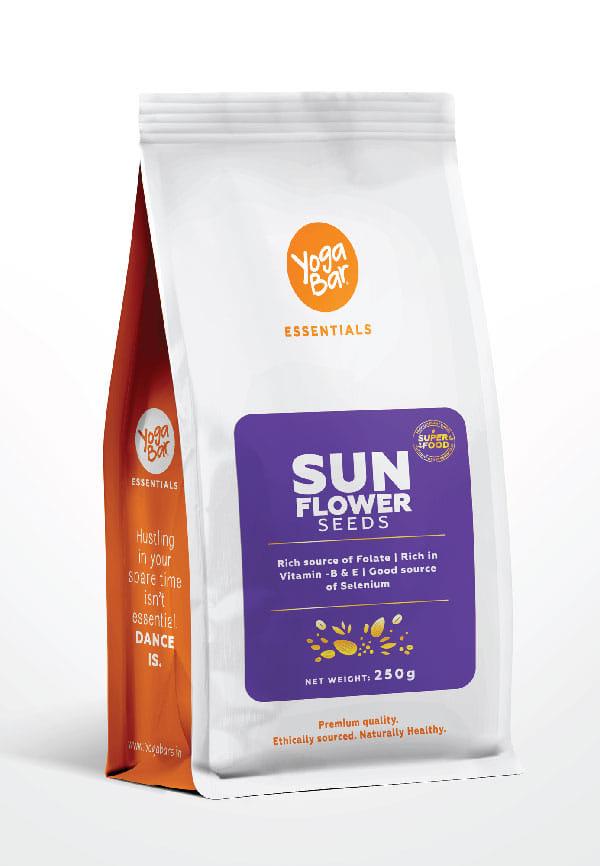 250 gm
Sunflower Seeds For Eating Protein and Fibre Rich Superfood
Your morning routine is the perfect place to start. Blend chia seeds into smoothies for extra thickness, sprinkle hemp hearts on porridge, or make overnight oats with a tablespoon of ground flax. Chia puddings are worth trying too—just mix 3 tablespoons of chia with a cup of plant milk and let it set overnight.
Salads become instantly more satisfying with a sprinkle of pumpkin or sunflower seeds. Try mixing tahini with lemon juice for an easy dressing, or toast sesame seeds and scatter them over stir-fries. Even simple soups benefit from a handful of seeds stirred in just before serving.
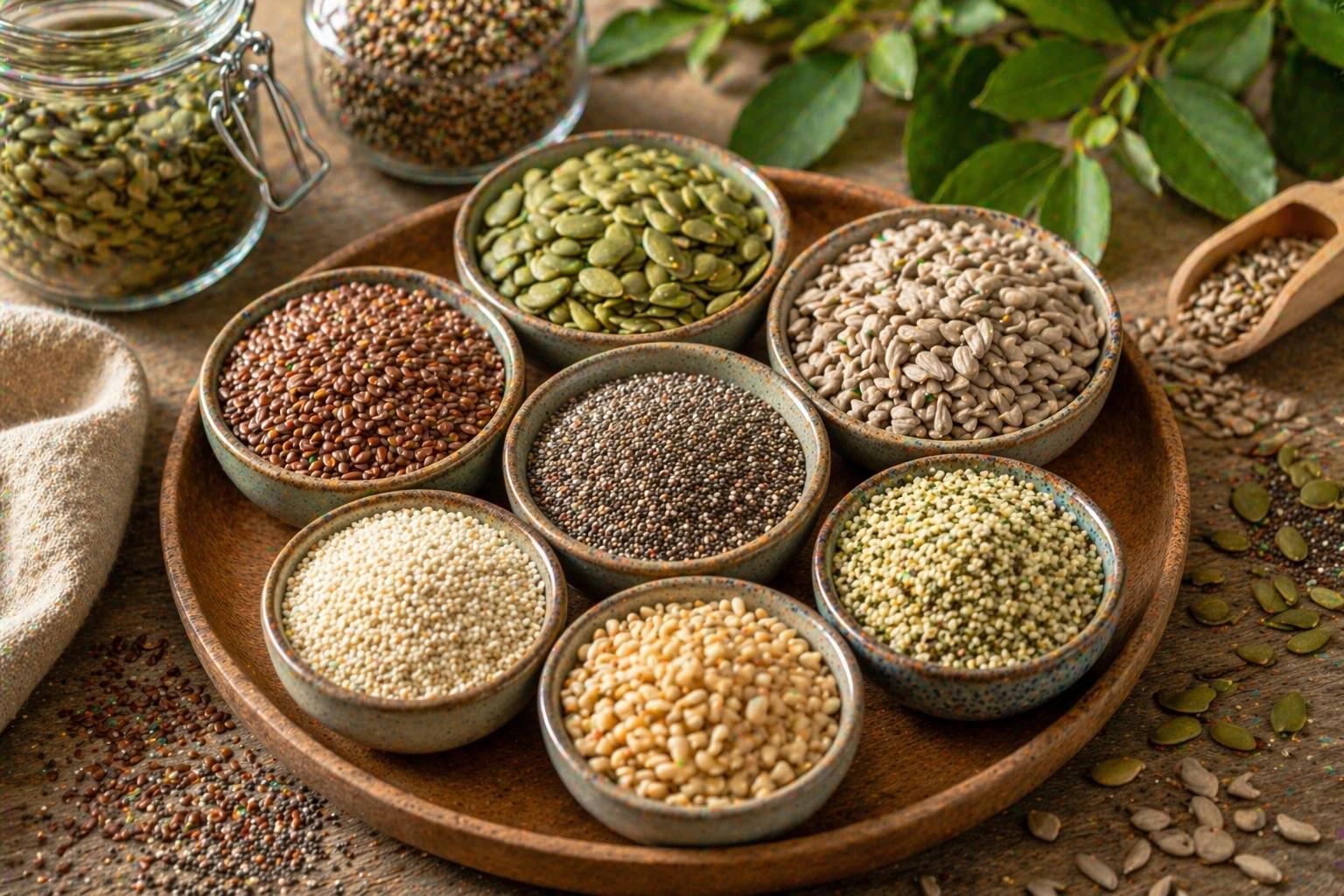
Mix different seeds with nuts and dried fruit for a homemade trail mix, or blend them into energy balls with dates and cocoa powder. You can even add chia seeds to herbal teas—they'll expand slightly and add interesting texture.
The best healthy seed recipes are the ones you'll actually make repeatedly. These are simple enough for busy weekdays but interesting enough to keep you excited about eating well.
Sometimes the simplest approach works best. Toast pumpkin seeds with a pinch of salt for an instant snack, or blend hemp seeds into your usual smoothie recipe. Even just sprinkling mixed seeds over avocado toast transforms a basic meal into something more nutritionally complete.
Replace about a quarter of flour in muffin recipes with ground flax or chia seeds for extra nutrition. Banana bread becomes infinitely better with a handful of sunflower seeds mixed through, and homemade crackers are brilliant with sesame seeds pressed into the surface.
Tahini isn't just for hummus—thin it with water and lemon juice for a creamy salad dressing. Chia seeds make surprisingly good jam when mixed with mashed berries and a touch of honey, while hemp seeds blended with basil create a protein-rich pesto alternative.
If you're looking at seeds for weight loss, they're brilliant allies rather than magic bullets. Their combination of protein, healthy fats, and fibre helps keep you satisfied, which naturally reduces the urge to snack on less nutritious options.
 200gm
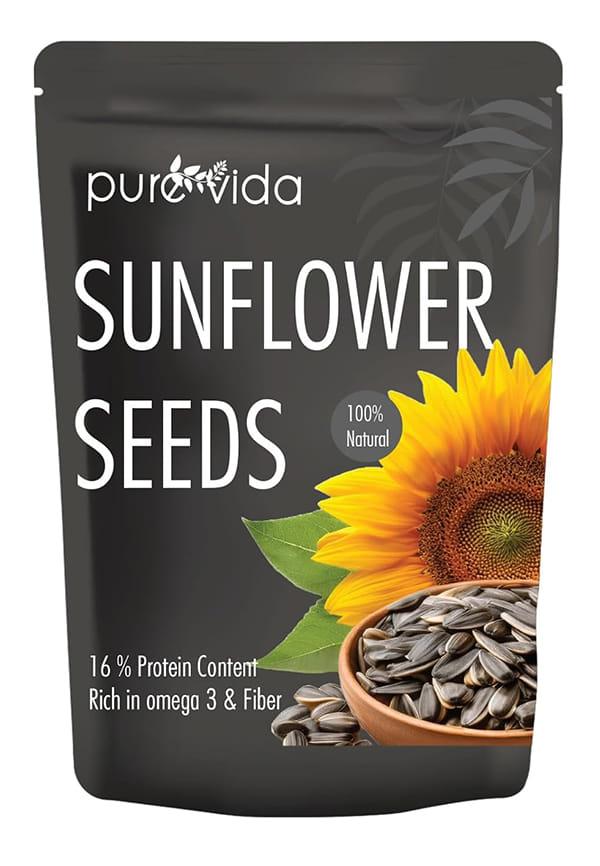
200gmSunflower Seeds | Nutrient-Rich Superfood for Heart & Skin Health
The magic happens through satiety—seeds help you feel full longer, which means you're less likely to reach for processed snacks between meals. The healthy fats also support hormone production, which can help regulate appetite naturally.
Stick to those 1-2 tablespoon portions and focus on adding seeds to meals rather than eating them alone. They work best when combined with vegetables and lean proteins, creating balanced meals that satisfy without overdoing calories.
Most seeds can be eaten raw, but soaking chia and flax seeds overnight makes them easier to digest. Ground flaxseeds offer better nutrient absorption than whole ones, while hemp and pumpkin seeds are fine eaten straight from the packet.
Begin with just 1 teaspoon daily, sprinkled on familiar foods like yoghurt or salads. Gradually increase to 1-2 tablespoons as your digestive system adapts to the extra fibre.
Absolutely—mixing different seeds provides varied nutrients. A typical blend might include equal parts chia, flax, hemp, and pumpkin seeds for maximum nutritional diversity.
Too much too quickly can cause digestive discomfort due to high fibre content. Stick to recommended portions and increase your water intake when adding more seeds to your diet.
Store in airtight containers in cool, dark places. Ground seeds and those high in omega-3s like flax and chia benefit from refrigeration to prevent them going rancid.
Learning how to include seeds in diet routines doesn't have to be complicated or overwhelming. Start with one type that appeals to you, experiment with simple additions to meals you already love, and gradually build from there. The beauty of seeds lies in their versatility—they adapt to whatever you're already eating rather than demanding a complete lifestyle overhaul.
Just like discovering your perfect skincare routine through trial and exploration, finding the right seeds and preparation methods for your lifestyle takes a bit of experimentation. Smytten understands this journey of discovery, offering curated trial packs from trusted wellness and lifestyle brands so you can explore what works for your body before committing to full-size purchases. With over 25 million users making smarter, more confident choices across everything from nutrition to beauty, the platform proves that settling for 'maybe' is never necessary when you can try it all first.
