How to Eat Mixed Dry Fruits for Maximum Health Benefits

 550 gm
Dried Mix Fruits
Mixed dry fruits are basically nature's candy, but way better for you. They're packed with vitamins, minerals, and antioxidants that can boost your energy, support your skin health, and keep you satisfied between meals. But here's the thing—knowing how to eat mixed dry fruits properly can make all the difference between reaping their benefits and accidentally overdoing it. Whether you're looking to fuel your morning routine, find the perfect pre-workout snack, or just want to incorporate more nutritious options into your daily eating, there's definitely a smart way to go about it. Let's dive into the best strategies for making these little powerhouses work for you.
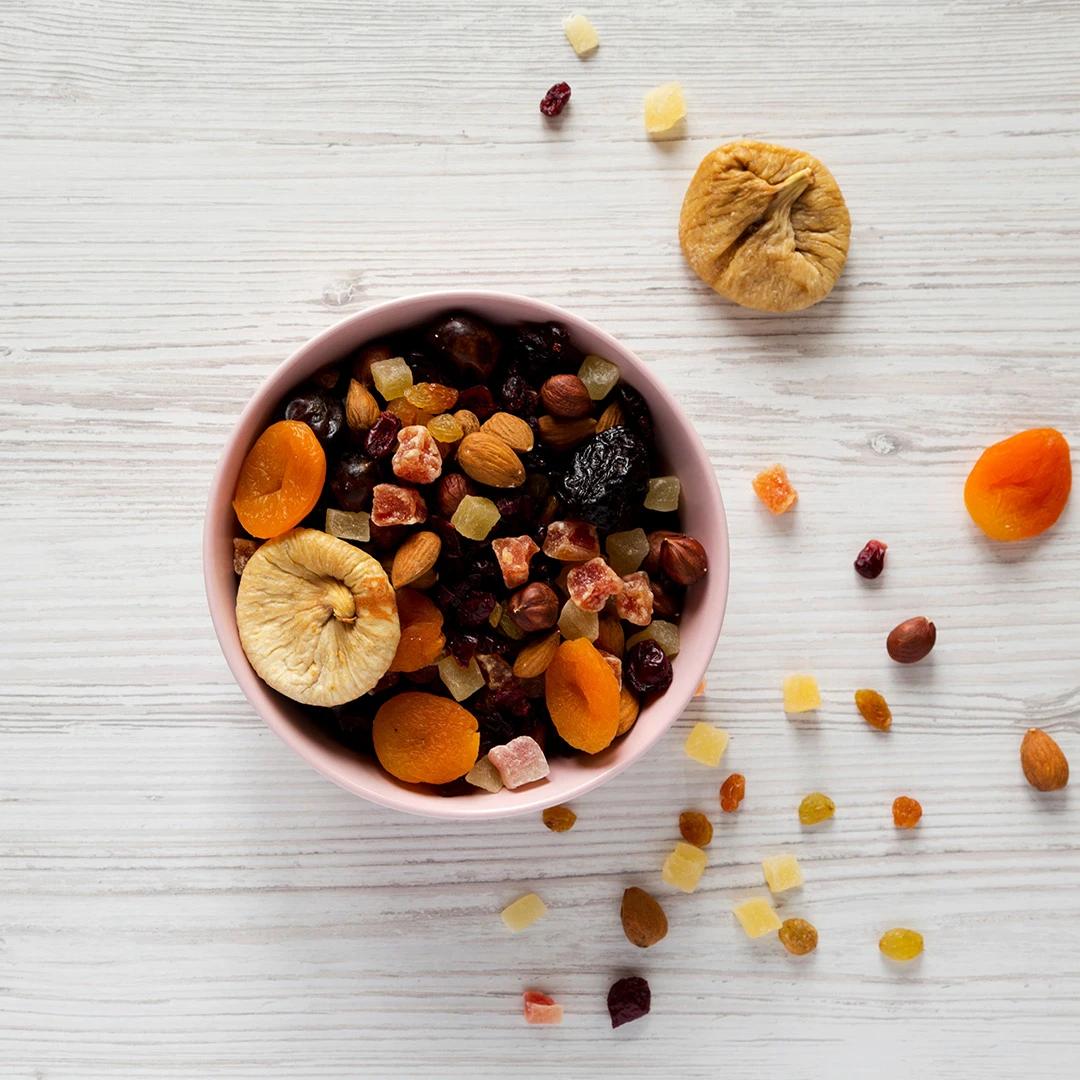
Mixed dry fruits are essentially fresh fruits that have had their water content removed, leaving behind concentrated nutrients and natural sugars. Think almonds, walnuts, dates, figs, apricots, raisins, and cashews all bundled together in one delicious package. The mixed fruit benefits are pretty impressive when you consider that the dehydration process actually concentrates many of the vitamins and minerals.
What makes them special is their dried fruit nutrition profile. You're getting vitamin A from apricots, potassium from dates, iron from raisins, and healthy fats from nuts—all in bite-sized portions. Plus, they're loaded with antioxidants that help fight free radicals and support overall wellness. The fibre content is also worth mentioning since it helps with digestion and keeps you feeling full longer.
Timing and portion control are everything when it comes to eating dried fruit daily. Get these right, and you'll maximise the benefits without any unwanted side effects.
Morning is honestly your best bet for ways to eat dried fruit. Your body's ready to absorb all those nutrients, and the natural sugars give you a proper energy boost to start your day. Try having a small handful with your breakfast or mixed into your morning yoghurt.
Pre-workout timing works brilliantly too. About 30 minutes before you exercise, a few dates or dried apricots can provide quick energy without making you feel heavy. Evening portions should be smaller since your metabolism slows down, but they can still work as a satisfying snack that prevents late-night cravings.
Here's where many people go wrong—portion sizes. The golden rule is about one to two tablespoons of mixed dry fruits per day, which roughly equals 20-30 grams. That might seem small, but remember, these are concentrated nutrition bombs.
If you're managing your weight, stick closer to one tablespoon. For those looking to gain healthy weight or fuel intense workouts, two tablespoons work well. People with diabetes or prediabetes should be extra careful—half a tablespoon might be more appropriate, and always pair with protein or healthy fats to slow sugar absorption.
The beauty of dried fruit recipes is how versatile they are. You can literally add them to almost anything and instantly upgrade the nutrition and flavour.
Your morning oats become infinitely better with a sprinkle of chopped dates, raisins, and almonds. The sweetness means you can skip added sugars, and the texture contrast is lovely. Greek yoghurt with mixed dry fruits and a drizzle of honey creates this perfect balance of protein, probiotics, and natural sweetness.
 850g
850gDry Fruits Trail Mix
For smoothies, try blending dates with your usual fruits—they add natural sweetness and a creamy texture. A handful of soaked almonds or cashews makes smoothies incredibly rich and satisfying. Homemade granola with dried fruits beats store-bought versions every time, and you control exactly what goes in.
Trail mix is the obvious choice, but make it your own. Combine your favourite dried fruit combinations with nuts, seeds, and maybe a few dark chocolate chips for treats. The key is balance—aim for about 50% nuts and seeds, 30% dried fruits, and 20% extras.
Salads get a lovely sweet contrast with dried cranberries or chopped apricots. They work especially well in grain salads with quinoa or bulgur. For baking, chopped dried fruits in muffins, energy balls, or homemade granola bars add natural sweetness and chewy texture.
Different dried fruits shine for different health goals. Knowing which ones to focus on can help you get exactly what you're after.
For weight management, the best dried fruits to eat are those lower in natural sugars but high in fibre. Dried apricots, prunes, and unsweetened dried berries top the list. They're filling without being too calorie-dense, and the fibre helps control appetite.
Pair these with nuts like almonds or walnuts to create satisfying dried fruit snacks that keep hunger at bay. The protein and healthy fats slow down sugar absorption and keep you satisfied longer.
If you're looking to gain healthy weight, dates and figs are your friends. They're calorie-dense and packed with natural sugars that provide quick energy. Combine them with cashews, almonds, or pistachios for added protein and healthy fats.
Post-workout, this combination helps replenish glycogen stores and supports muscle recovery. The natural sugars help shuttle nutrients into your muscles when they need it most.
For glowing skin, focus on dried fruits rich in vitamin A and antioxidants. Dried apricots are brilliant for this—they're loaded with beta-carotene, which your body converts to vitamin A. Raisins contain resveratrol, the same antioxidant found in red wine that supports skin health.
These antioxidants help fight free radical damage and may support skin repair. While you're working on your skin from the inside with nutrition, platforms like Smytten make it easy to discover skincare products that complement your healthy eating habits.
 Pack of 1
Healthy Trail Mix With Papaya & Pineapple, dry fruits
Healthy snacking with dried fruits is all about preparation and mindfulness. Having a strategy prevents mindless munching and helps you stick to appropriate portions.
Pre-portion your dried fruits into small containers or snack bags. This prevents the temptation to eat directly from a large bag, which almost always leads to overeating. Keep these portions in your bag, car, or desk drawer for when hunger strikes.
Travel-friendly combinations work brilliantly for long days out. A small mix of almonds, dried apricots, and a few dark chocolate chips creates this perfect sweet-salty-crunchy combination that satisfies multiple cravings at once.
Slow down when eating dried fruits. They're concentrated, so a little goes a long way. Chew thoroughly and really taste the flavours—this helps your brain register satisfaction more quickly.
Pairing with nuts or seeds isn't just about nutrition; it also slows down your eating pace. The different textures mean you naturally chew more, giving your satiety signals time to kick in. Plus, the protein and fat help stabilise blood sugar levels.
While dried fruits are generally healthy, there are a few things to keep in mind to avoid any issues.
If you're prediabetic or managing blood sugar levels, incorporating dried fruit into diet requires extra care. Always pair dried fruits with protein or healthy fats—think apple slices with almond butter or a few dates with nuts.
Timing matters too. Having dried fruits after a balanced meal rather than on an empty stomach helps minimise blood sugar spikes. Start with smaller portions and monitor how your body responds.
Some people worry about dried fruits increasing uric acid levels, but moderate consumption is usually fine for most people. If you have gout or kidney issues, check with your healthcare provider about appropriate amounts.
Digestive sensitivity can be an issue for some, especially with dried fruits that are high in fibre like prunes or figs. Start slowly and increase gradually to let your digestive system adjust.
 500 gm
Premium California Almonds, Badam Dry Fruits
Stick to 1-2 tablespoons (20-30 grams) per day. This provides good nutrition without excessive calories or sugar. If you're managing weight or blood sugar, lean towards the lower end.
Morning or pre-workout are ideal times. Your metabolism is higher, and you'll use the energy throughout the day rather than storing it. Avoid large portions in the evening.
Yes, but in smaller portions and always paired with protein or healthy fats. Start with half a tablespoon and monitor your blood sugar response. Choose lower-sugar options like dried berries or apricots.
Dried apricots are excellent for skin health due to their high beta-carotene content. Raisins also contain antioxidants that may support skin repair. Remember, results take time and work best combined with proper skincare.
Moderate consumption typically doesn't cause issues for healthy individuals. However, if you have gout or kidney problems, consult your doctor about appropriate amounts.
Blend 2-3 soaked dates with unsweetened almond milk, a handful of spinach, and protein powder. The dates provide natural sweetness while keeping calories controlled. Add ice for thickness without extra calories.
Learning how to eat mixed dry fruits properly is really about finding that sweet spot between enjoying their benefits and not overdoing it. Start with small portions, pay attention to timing, and get creative with combinations that work for your lifestyle and health goals.
The key is consistency rather than perfection. Whether you're sprinkling them on your morning yoghurt, packing them for afternoon snacks, or blending them into smoothies, these little nutritional powerhouses can definitely support your wellness journey when eaten mindfully.
Just like how Smytten helps you discover the perfect products for your beauty and wellness routine through trial packs, finding your ideal dried fruit combinations might take some experimentation. With over 1,500 trusted brands and the ability to try before you commit to full sizes, Smytten makes it easy to explore new wellness products that complement your healthy eating habits. After all, why settle for 'maybe' when you can try it all and find what truly works for you?
