Best Seeds for Immunity FAQ: Your Questions Answered

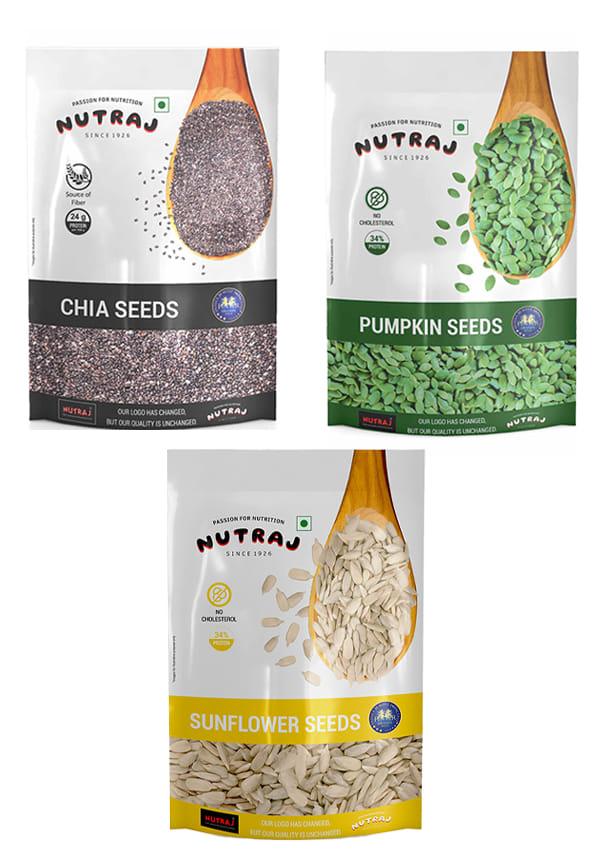 600 gm
Seeds Combo Pack Pumpkin Seeds, Chia Seeds, Sunflower Seeds
Let's be real—your immune system works around the clock, and it deserves all the support it can get. While we often think about vitamin C tablets or fancy supplements, nature has already packed some incredible immune-boosting power into tiny packages: seeds. These nutrient-rich seeds aren't just trendy superfood additions to your smoothie bowl—they're genuine wellness warriors that can help your body stay strong year-round. From antioxidant-loaded sunflower seeds to zinc-packed pumpkin seeds, the world of edible seeds for immunity is vast and fascinating. Ready to discover which seeds deserve a spot in your daily routine?
When it comes to the best seeds for immunity, certain varieties stand out for their exceptional nutrient profiles. These immune boosting seeds pack a serious punch when it comes to supporting your body's natural defences.
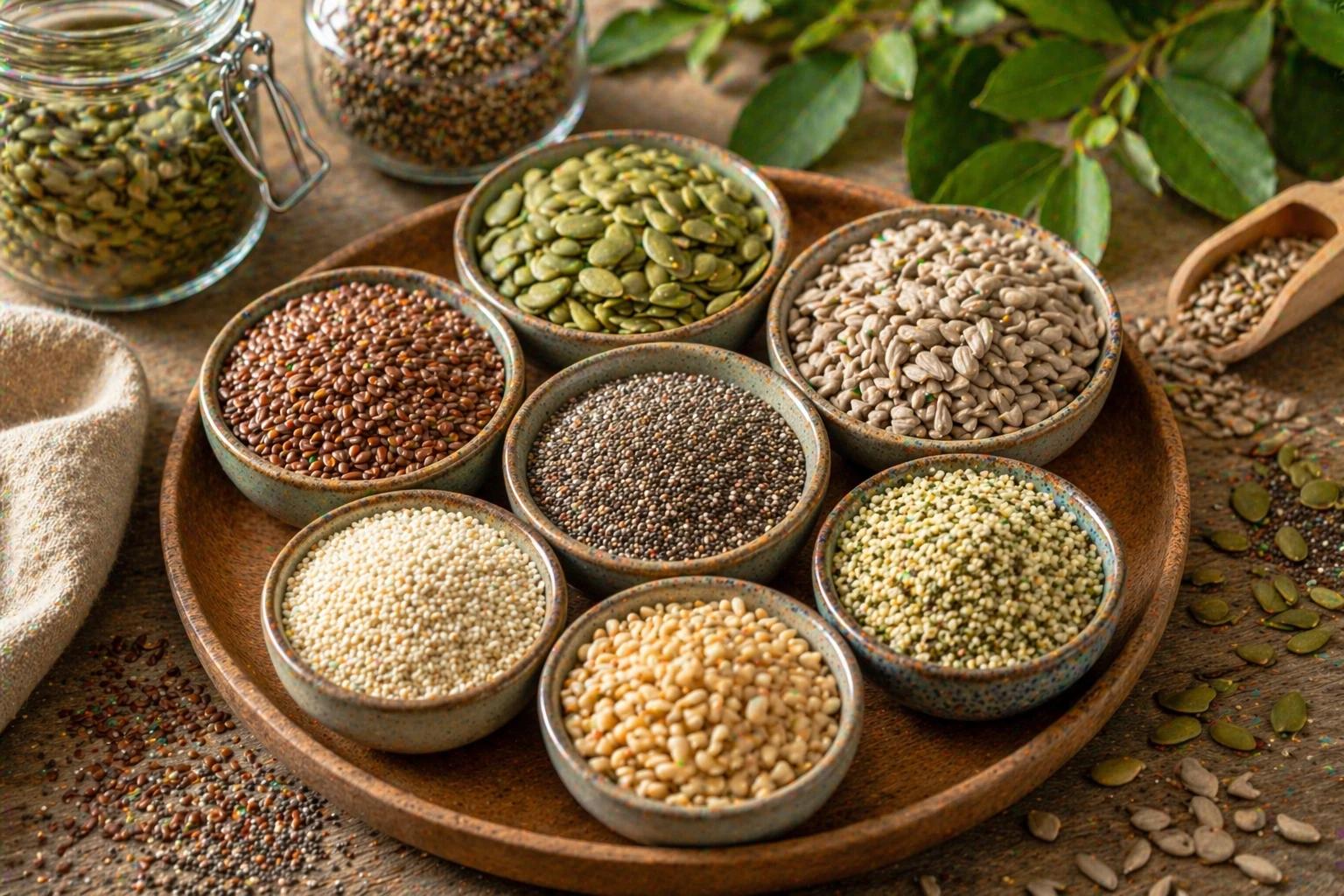
Sunflower seeds top the list for good reason. Just a handful provides nearly 50% of your daily vitamin E needs—a crucial antioxidant that protects your immune cells from damage. They're also rich in selenium and magnesium, both essential for proper immune function.
These green gems are absolutely loaded with zinc, a mineral that's vital for white blood cell production. One ounce of pumpkin seeds delivers about 20% of your daily zinc requirements, plus iron and antioxidants that keep your immune system firing on all cylinders.
Don't let their tiny size fool you—chia seeds are nutritional powerhouses. They're packed with omega-3 fatty acids that help reduce inflammation throughout your body, creating an environment where your immune system can work more effectively.
Flax seeds bring unique compounds called lignans to the table, along with alpha-linolenic acid. These work together to support immune function and provide anti-inflammatory benefits that your body will absolutely love.
Often overlooked, sesame seeds are brilliant sources of vitamin B6, which plays a crucial role in immune cell communication. They also provide magnesium and healthy fats that support overall wellness.
Hemp seeds offer all essential amino acids your body needs to build strong immune proteins. They're also rich in essential fatty acids that help regulate immune responses naturally.
Understanding how these seeds high in antioxidants actually work in your body makes their benefits even more impressive. Seeds support immunity through multiple pathways, making them incredibly effective natural allies.
Many seeds contain powerful antioxidants like vitamin E, selenium, and various phytonutrients. These compounds neutralise harmful free radicals that can damage immune cells, keeping your defences strong and ready for action.
Chronic inflammation can weaken immune function over time. Seeds to fight inflammation, particularly those rich in omega-3 fatty acids, help maintain the delicate balance your immune system needs to respond appropriately to threats without overreacting.
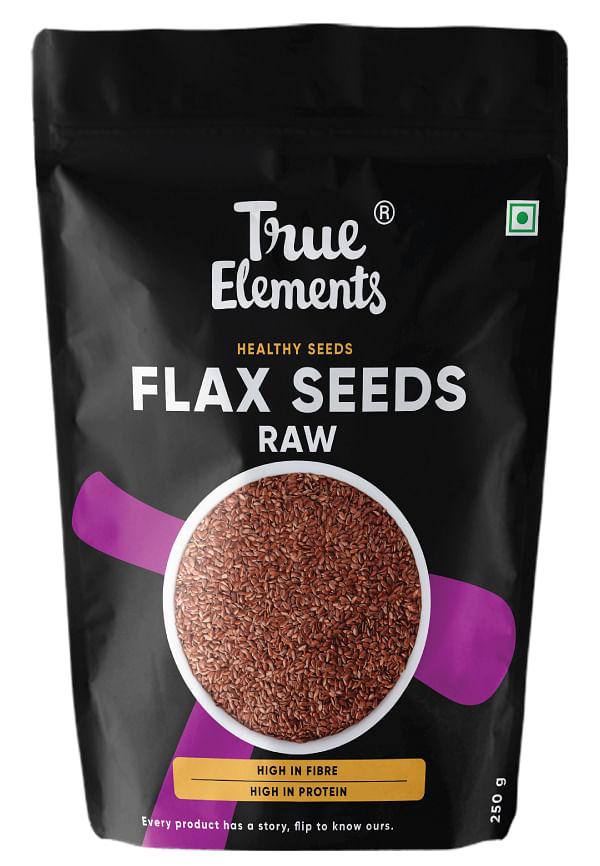 250 gm
Flax Seeds Raw
Seeds provide concentrated doses of vitamins and minerals that immune cells need to function properly. From zinc for white blood cell production to magnesium for immune cell activation, these tiny packages deliver exactly what your body craves.
Research consistently shows that superfood seeds offer remarkable benefits for immune health. The science behind these nutrient-rich seeds reveals why they've earned their reputation as wellness champions.
Vitamin E acts as a powerful antioxidant, protecting cell membranes from oxidative damage. This is particularly important for immune cells, which are constantly exposed to free radicals during their protective work.
Zinc is absolutely crucial for immune function—it helps with white blood cell development, wound healing, and proper immune response. Even mild zinc deficiency can significantly impact your body's ability to fight off infections.
Selenium supports the production of antioxidant enzymes that protect immune cells. It also plays a role in regulating immune responses, ensuring they're strong enough to be effective but not so intense that they cause damage.
Omega-3 fatty acids help regulate inflammation and support the resolution of immune responses once threats are neutralised. This prevents chronic inflammation that can weaken immunity over time.
Clinical studies have shown that regular consumption of certain seeds can improve immune markers in the blood. For instance, research on pumpkin seeds demonstrates their ability to enhance immune cell activity within just a few weeks of regular consumption.
The antioxidant capacity of various seeds, measured through ORAC (Oxygen Radical Absorbance Capacity) values, consistently ranks them among the most potent natural antioxidant sources available.
Getting the right amount of these best seeds for health requires understanding proper serving sizes and frequency. Too little won't provide meaningful benefits, whilst too much might cause digestive discomfort.
For most healthy seeds to eat, aim for 1-2 tablespoons daily. This provides substantial immune benefits without overwhelming your digestive system. You can mix different varieties throughout the week to maximise nutrient diversity.
Pumpkin seeds work well at about 1 ounce (roughly 2 tablespoons) daily, whilst smaller seeds like chia or flax are perfect at 1 tablespoon per day. Sunflower seeds can be enjoyed at about 1-2 tablespoons daily for optimal vitamin E intake.
Raw seeds generally retain more heat-sensitive vitamins, but light roasting can improve digestibility and flavour. Soaking seeds like chia or flax for 10-15 minutes before eating can enhance nutrient absorption and make them easier on your stomach.
Store seeds in airtight containers in cool, dark places to maintain their nutritional potency. Ground seeds should be used within a few days, as their oils can become rancid quickly once exposed to air.
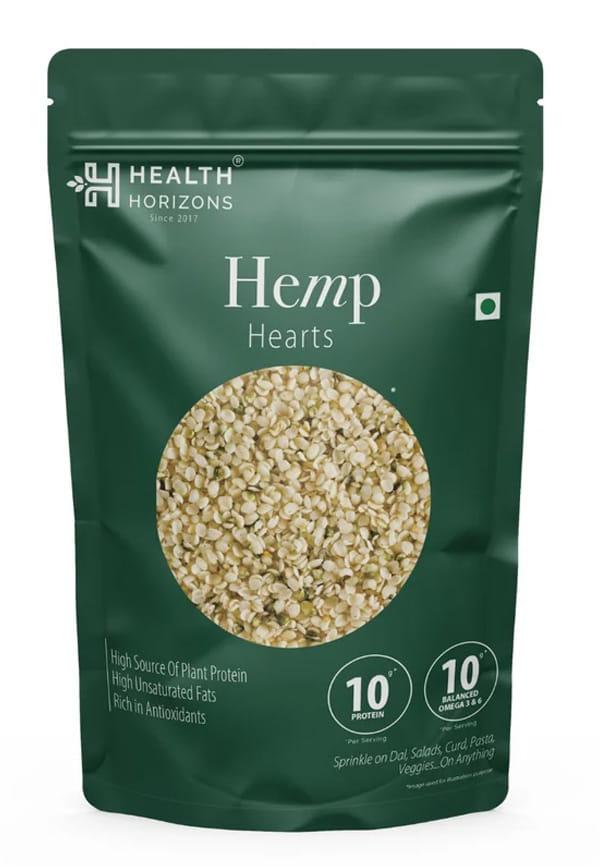 500 gm
Hemp Hearts with Fatty Acids
The top immune-supporting seeds include sunflower seeds (vitamin E), pumpkin seeds (zinc), chia seeds (omega-3s), flax seeds (lignans), sesame seeds (B-vitamins), hemp seeds (complete protein), and watermelon seeds (magnesium). Each offers unique immune benefits that work synergistically when consumed as part of a varied diet.
Whilst seeds provide excellent natural nutrition, they work best as part of a comprehensive approach to immune health rather than direct supplement replacements. The advantage of whole food nutrition is that nutrients work together in ways that isolated supplements can't replicate. However, specific deficiencies might still require targeted supplementation alongside seed consumption.
Most people tolerate seeds well, but some may experience digestive discomfort if consuming large amounts suddenly. Start with smaller portions and gradually increase. Those with seed allergies should obviously avoid problematic varieties. Seeds high in fibre might cause bloating initially, so introduce them slowly into your diet.
You might notice improved energy levels within a few days, but meaningful immune improvements typically develop over 2-4 weeks of consistent consumption. Factors like overall diet quality, stress levels, sleep, and exercise all influence how quickly you'll see benefits from adding immune-boosting seeds to your routine.
Sunflower seeds, pumpkin seeds, and sesame seeds rank among the highest for antioxidant content. Sunflower seeds particularly excel in vitamin E, whilst pumpkin seeds provide selenium and other antioxidant compounds. The key is variety—different seeds offer different antioxidants that work together for maximum protection.
Absolutely! Seeds are nutrient-dense rather than calorie-dense when eaten in appropriate portions. Their protein, healthy fats, and fibre help you feel satisfied, potentially reducing overall calorie intake. Stick to recommended serving sizes to enjoy immune benefits without excessive calories.
It depends on the seed type. Flax seeds should be ground for optimal nutrient absorption, as whole flax seeds often pass through undigested. Chia seeds can be eaten whole but become more digestible when soaked. Larger seeds like pumpkin or sunflower seeds are fine eaten whole, though grinding can make them easier to incorporate into recipes.
Organic seeds eliminate potential pesticide residues and often have slightly higher nutrient levels. For immune health, this can be worthwhile, especially if you're consuming seeds regularly. However, conventionally grown seeds still provide significant immune benefits if organic options aren't accessible or affordable.
Making these best seeds for health a regular part of your routine doesn't have to be boring. There are countless delicious ways to incorporate healthy seeds to eat into meals you already love.
Start your morning by sprinkling mixed seeds over yogurt or porridge. Blend chia seeds into smoothies for extra thickness and nutrition. Add pumpkin seeds to salads for a satisfying crunch, or stir ground flax seeds into soups just before serving.
Create energy balls by mixing dates, nuts, and various seeds—perfect for afternoon snacks that support immunity. Sprinkle sesame seeds over stir-fries or roasted vegetables for extra flavour and nutrition.
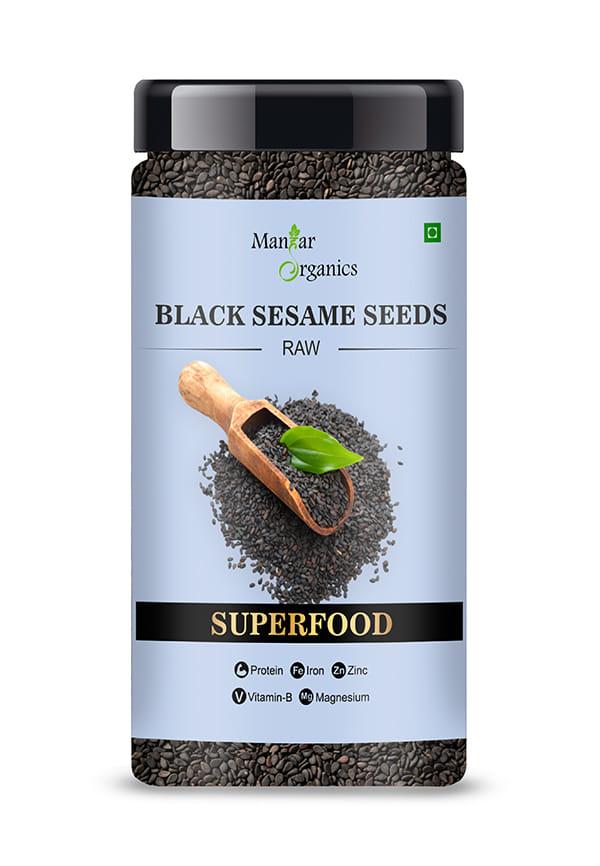 135 gm
Black Sesame Seeds
During colder months, warm spiced pumpkin seeds make excellent snacks. Create warming seed butters by blending sunflower or sesame seeds with a touch of honey and cinnamon. In summer, add chia seeds to refreshing fruit waters or make seed-based granola for lighter breakfast options.
Not all seeds are created equal when it comes to supporting immunity. Knowing what to look for ensures you're getting the most nutrient-rich seeds possible for your investment.
Fresh seeds should have a clean, nutty aroma without any musty or rancid smells. Check packaging dates and choose the most recent options available. Seeds should look plump and uniform in colour—avoid any that appear shrivelled or discoloured.
Buy from reputable sources that store seeds properly in cool, dry conditions. Bulk bins can be economical but ensure high turnover to guarantee freshness.
Sunflower seeds and pumpkin seeds often offer the best value for immune-supporting nutrients. Buying in bulk and storing properly can significantly reduce costs. Consider growing your own sunflowers or saving seeds from pumpkins you cook with.
Many health food stores offer sales on seeds seasonally—stock up when prices drop and store them properly for year-round use.
Getting the most from your seed consumption involves more than just eating them regularly. Smart combinations and timing can significantly enhance their immune-supporting effects.
Pair vitamin C-rich foods with iron-containing seeds like pumpkin seeds to enhance iron absorption. Combine healthy fats from seeds with fat-soluble vitamins from vegetables to improve nutrient uptake. Add seeds to meals containing probiotics to support gut health, which directly impacts immune function.
If you have existing health conditions or take medications, discuss adding large amounts of seeds to your diet with your healthcare provider. Some seeds can interact with blood-thinning medications or affect blood sugar levels.
Monitor how you feel as you increase seed consumption—whilst most people benefit greatly, individual responses can vary based on digestive health and overall nutritional status.
Seeds truly are nature's tiny powerhouses for immune support. From zinc-rich pumpkin seeds to antioxidant-loaded sunflower varieties, these nutrient-dense options offer accessible, affordable ways to strengthen your body's natural defences. The key is consistency—making seeds a regular part of your daily routine rather than an occasional addition.
Remember that immune health is about the bigger picture. Whilst seeds provide fantastic nutritional support, they work best alongside other healthy lifestyle choices like adequate sleep, regular exercise, and stress management. Just like discovering your perfect skincare routine through trial and exploration, finding the right combination of immune-supporting foods takes time and experimentation.
Speaking of discovery and trial, platforms like Smytten make it easier than ever to explore new wellness products and brands. With curated trial packs from over 1,500 trusted brands and the ability to try before committing to full-size purchases, you can discover what works best for your unique needs. After all, why settle for 'maybe' when you can Try It All and find exactly what supports your wellness journey?
