Best Breakfast Cereals for Health FAQ: Your Questions Answered

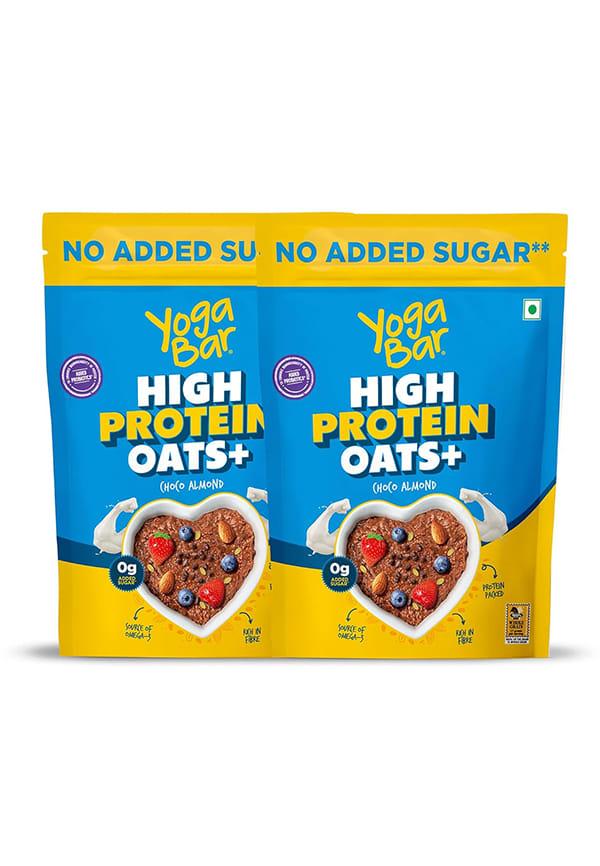 Pack of 2
High Protein Oats | 20g Protein | Choco Almond Oatmeal |Breakfast cereal Pouch
Let's be real—choosing the best breakfast cereals for health can feel like navigating a maze of marketing claims and confusing labels. With aisles packed with colourful boxes promising everything from weight loss to superhuman energy, it's no wonder you're left wondering which cereals actually deserve a spot in your morning routine. The truth is, not all cereals are created equal, and finding truly nutritious breakfast options requires knowing what to look for beyond the flashy packaging.
Before diving into specific brands, let's decode what transforms an ordinary cereal into one of the healthy breakfast cereals worth your time. The secret lies in understanding a few key nutritional markers that separate the genuinely good stuff from the sugar-coated pretenders.
Your ideal healthy cereal should pack at least 5 grams of fibre per serving, though the real champions deliver 10 grams or more. High fiber cereals don't just keep you fuller longer—they support digestive health and can even help with weight management by slowing down sugar absorption.
Here's where things get tricky. Many cereals marketed as healthy still contain shocking amounts of added sugar. Aim for cereals with less than 6 grams of sugar per serving, and always check if that sugar comes from added sweeteners or natural sources like dried fruit.
The first ingredient listed should be a whole grain—think whole wheat, brown rice, or oats. If you see "wheat flour" or "rice" without the "whole" prefix, you're looking at refined grains that have been stripped of their nutritional value.
When it comes to cereals for weight loss, the magic happens through a combination of fibre, protein, and controlled portions. Research shows that starting your day with a high-fibre breakfast can reduce overall calorie intake throughout the day.
Breakfast cereals with protein help maintain stable blood sugar levels and keep hunger at bay. Look for cereals containing at least 5 grams of protein per serving, or consider adding your own protein boosters like Greek yoghurt or nuts.
Low sugar cereals combined with adequate fibre create a powerful satiety effect. This means you'll feel satisfied longer and be less likely to reach for mid-morning snacks that can derail your health goals.
After reviewing nutritional profiles and consulting dietary guidelines, here are the cereals that consistently rank as the best cereals for adults focused on health. These options balance taste, nutrition, and practicality for busy lifestyles.
While technically not a traditional cereal, steel-cut oats remain the gold standard for nutritious breakfast options. They're minimally processed, naturally high in fibre, and provide sustained energy without blood sugar spikes.
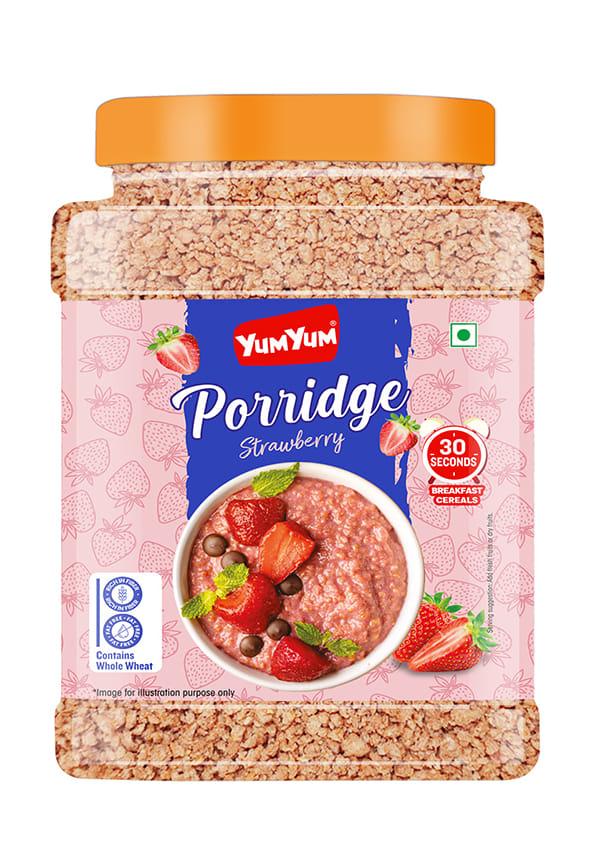 750 gm
Strawberry Porridge / Healthy breakfast Cereal/Ready to Eat/Low in Fat Jar
These simple, no-nonsense cereals contain just one ingredient: whole wheat. They're naturally low in sugar and high in fibre, making them perfect for those who prefer to add their own natural sweeteners like fresh berries.
When you need serious fibre power, bran cereals deliver. Some varieties pack up to 14 grams of fibre per serving, though they can be an acquired taste. Start slowly to let your digestive system adjust.
Understanding the difference between whole grain cereals and their refined counterparts is crucial for making informed choices. This knowledge can completely transform your breakfast game and overall health outcomes.
Whole grains retain their bran, germ, and endosperm, which means they keep all their original nutrients, including B vitamins, iron, and fibre. Refined grains lose most of these nutrients during processing, leaving you with empty calories.
Don't be fooled by terms like "multigrain" or "made with whole grains." The first ingredient must specifically say "whole" followed by the grain type. If it doesn't, you're likely getting a refined product dressed up in healthy marketing.
While we won't play favourites with specific brands, certain companies consistently produce cereals that meet our health criteria. Look for brands that prioritise transparency in their ingredient lists and avoid unnecessary additives.
The best healthy cereal brands focus on simple, recognisable ingredients. They avoid artificial colours, excessive preservatives, and rely on whole food ingredients for flavour and nutrition.
Be wary of cereals that make bold health claims on the front of the box. Often, the most nutritious options have the simplest packaging because they let their ingredient list do the talking.
Even the healthiest cereal can be enhanced with smart additions that boost nutrition and satisfaction. The key is knowing which combinations work best for your health goals and taste preferences.
Instead of reaching for sugar, top your cereal with fresh berries, sliced banana, or chopped apple. These additions provide natural sweetness, extra fibre, and important antioxidants that support overall health.
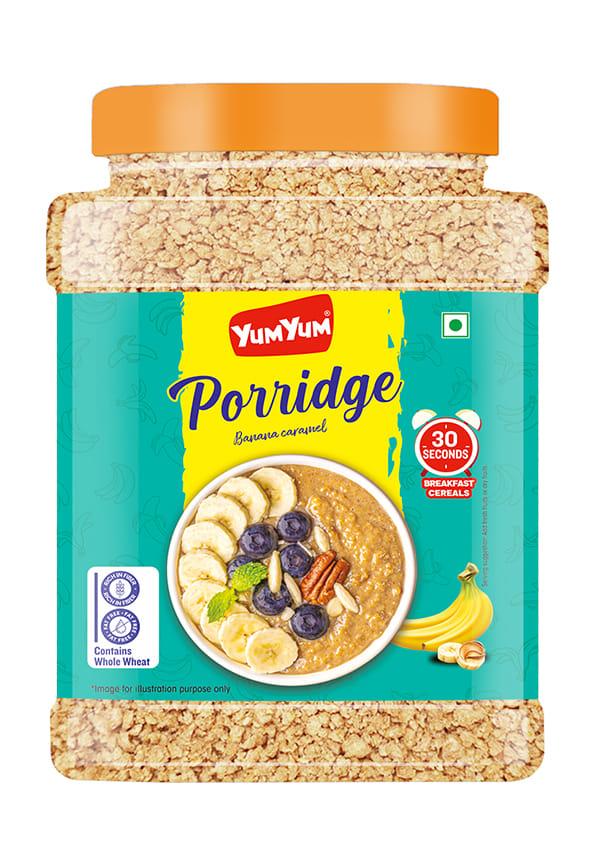 750 gm
Banana Caramel Porridge Healthy breakfast Cereal Jar
A sprinkle of almonds, walnuts, or chia seeds transforms your bowl into a more balanced meal. These additions provide healthy fats and protein that help slow digestion and keep you satisfied longer.
Whether you prefer dairy or plant-based alternatives, choose unsweetened varieties to avoid unnecessary added sugars. Fortified plant milks can provide additional nutrients like calcium and vitamin D.
Your ideal cereal choice might vary depending on specific health conditions or fitness goals. Understanding these nuances helps you make the most appropriate choice for your individual needs.
If you're managing diabetes, focus on cereals with the lowest glycemic impact. High-fibre, low-sugar options help maintain stable blood glucose levels throughout the morning.
For cardiovascular health, prioritise cereals rich in soluble fibre, particularly those containing oats or barley. These ingredients have been shown to help lower cholesterol levels when consumed regularly.
The cereal aisle is full of marketing myths that can lead you astray from truly healthy choices. Let's clear up some of the most persistent misconceptions about breakfast cereals.
Just because a cereal is labelled as "natural" doesn't automatically make it healthy. This term is largely unregulated and can appear on products that are still high in sugar and low in beneficial nutrients.
While added vitamins can be beneficial, they shouldn't be the primary reason you choose a cereal. Focus first on the base nutrition—fibre, protein, and whole grains—then consider fortification as a bonus.
Eating healthy doesn't have to break the bank. With smart shopping strategies, you can enjoy nutritious breakfast options without overspending on premium brands.
Many supermarket own-brand cereals offer the same nutritional benefits as name brands at a fraction of the cost. Always check the ingredient list and nutrition facts rather than judging by price alone.
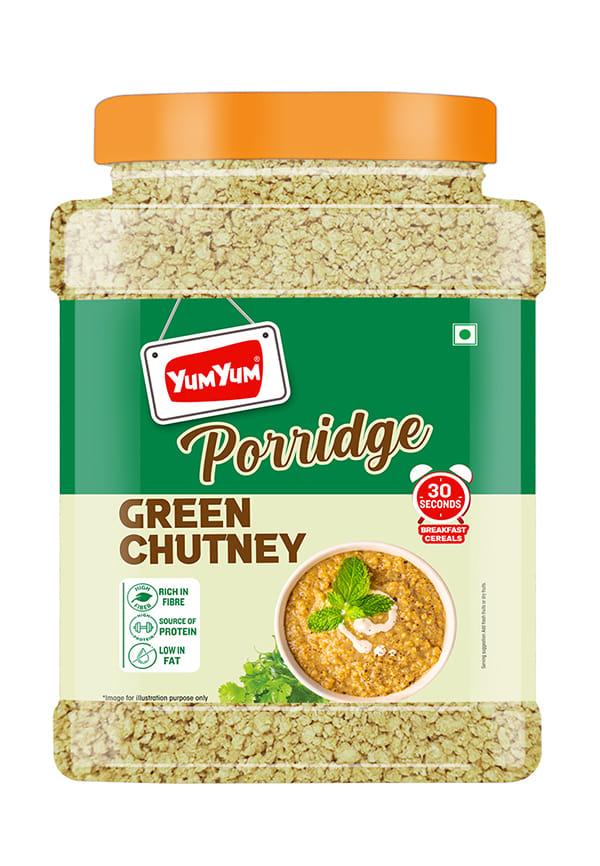 750 gm
Green Chutney Porridge Healthy breakfast Cereal Jar
Purchasing larger quantities of shelf-stable healthy cereals can reduce per-serving costs. Just ensure you have proper storage to maintain freshness and prevent pest issues.
Steel-cut oats or plain shredded wheat typically top the list due to their minimal processing, high fibre content, and lack of added sugars. However, the "healthiest" choice depends on your individual nutritional needs and health goals.
High-fibre, low-sugar cereals can support weight loss by promoting satiety and reducing overall calorie intake throughout the day. The key is choosing cereals with at least 5 grams of fibre and less than 6 grams of sugar per serving.
Most nutrition labels base their information on 30-40 gram servings, which is typically about 3/4 to 1 cup of cereal. However, portion needs vary based on your activity level, overall calorie requirements, and what else you're eating with your cereal.
Not necessarily. Many affordable options like plain oats or basic shredded wheat offer excellent nutrition at a lower price point. Focus on reading ingredient lists rather than assuming higher prices mean better nutrition.
Muesli is typically uncooked and contains less added sugar and oil than granola. Granola is baked with sweeteners and fats, making it higher in calories and often sugar. For health purposes, unsweetened muesli is generally the better choice.
Yes, most healthy adult cereals are suitable for children over two years old. However, you might need to adjust portion sizes and consider adding natural sweeteners like fruit if children find plain options too bland initially.
Gluten-free doesn't automatically mean healthier. Many gluten-free cereals are made with refined rice or corn and may be lower in fibre than their wheat-based counterparts. Choose based on overall nutrition rather than gluten content unless medically necessary.
Start by gradually mixing healthier cereals with your current favourites, slowly increasing the ratio of healthy options. Add natural sweeteners like fresh fruit or a small drizzle of honey to ease the transition.
Finding the best breakfast cereals for health doesn't have to be complicated once you know what to look for. Focus on high fibre content, minimal added sugars, and whole grain ingredients as your foundation. Remember that the healthiest cereal is one you'll actually eat consistently, so don't be afraid to experiment with different options until you find your perfect match.
Just like discovering your ideal breakfast routine, exploring new products can be part of the fun. Smytten, India's largest product discovery platform, understands that making the right choice shouldn't involve guesswork. With curated trial packs from trusted wellness and food brands, you can explore different healthy options before committing to full-size purchases. After all, why settle for 'maybe' when you can Try It All and find what truly works for your health goals?
