Benefits of Eating Walnuts Daily: Your FAQ Answered

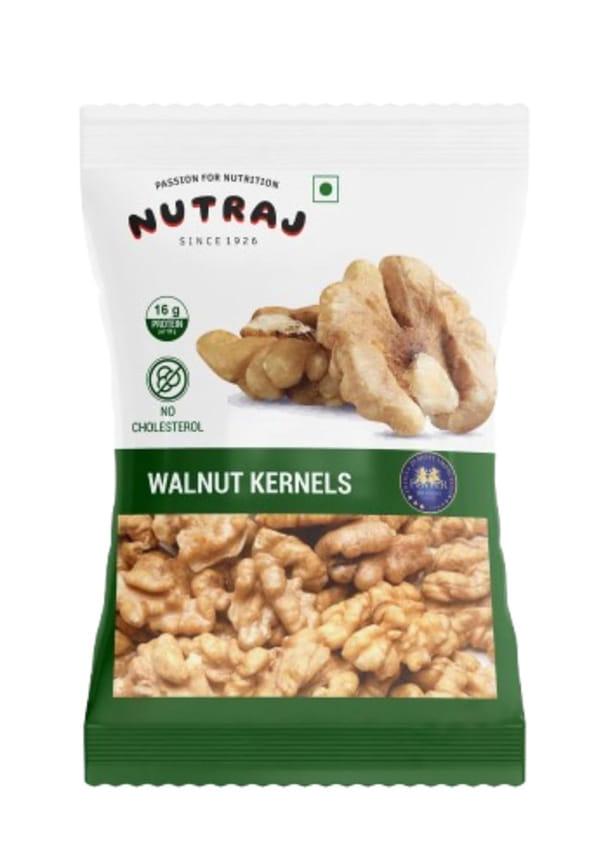 100 gm
Super Walnut Kernels
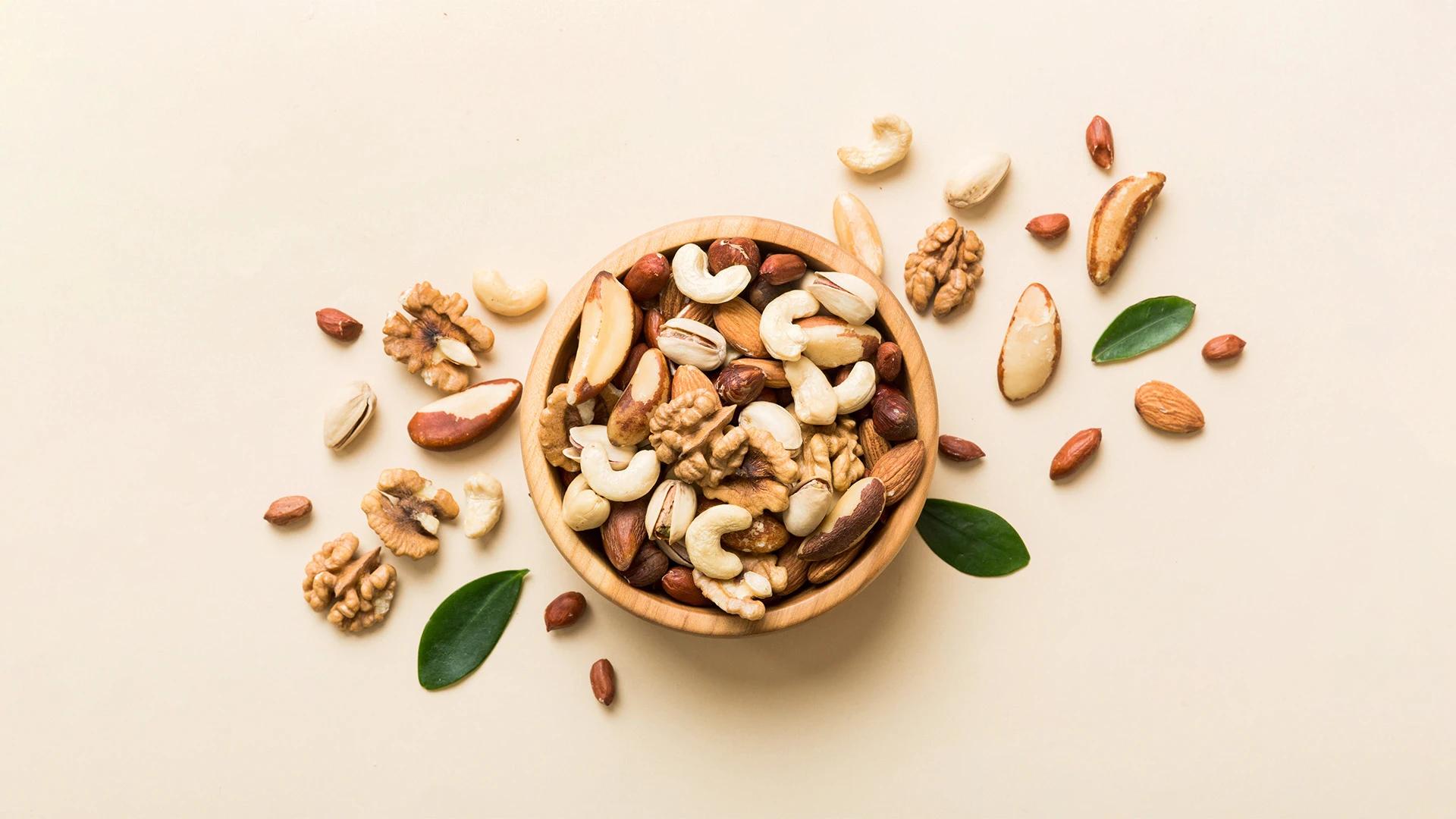
Real talk—walnuts might just be the most underrated superfood sitting in your pantry right now. These brain-shaped beauties pack more nutritional punch than most people realise, and the benefits of eating walnuts daily go way beyond just being a crunchy snack. From heart health to brain power, these little powerhouses are worth obsessing over. Whether you're already munching on them or wondering if they're worth adding to your routine, we've got all your burning questions covered.
Let's be real—not all nuts are created equal, and walnuts nutrition stands in a league of its own. These wrinkled wonders are basically nature's multivitamin, packed with everything your body craves for optimal health.
What sets walnuts apart from other nuts is their unique omega-3 fatty acid profile. They're one of the richest plant-based sources of alpha-linolenic acid (ALA), which your body converts into those brain-boosting omega-3s. A single 30-gram serving delivers about 2.5 grams of ALA—that's more than most fish!
But the goodness doesn't stop there. Walnuts are loaded with vitamin E, magnesium, copper, and manganese. They're also rich in antioxidants like ellagic acid and tocopherols, which fight off those pesky free radicals that age your cells. Plus, they contain a decent amount of protein and fibre, making them a proper nutritional powerhouse.
Research consistently shows that daily walnut consumption is not only safe but actually beneficial for most people. Studies involving thousands of participants have found that eating walnuts regularly can improve various health markers without causing unwanted weight gain when consumed in appropriate portions.
The walnuts health benefits aren't just hype—they're backed by solid science. Multiple studies have shown that incorporating these nuts into your daily routine can transform your health in some pretty amazing ways.
Your heart absolutely loves walnuts, and here's why. Clinical trials have shown that eating walnuts daily can reduce LDL (bad) cholesterol by up to 16%. That's massive when you consider how stubborn cholesterol levels can be.
The omega-3 fatty acids in walnuts work like tiny inflammation fighters, reducing the inflammatory markers that contribute to heart disease. Studies have found that people who eat walnuts regularly have lower blood pressure and reduced triglyceride levels—both major risk factors for cardiovascular problems.
There's a reason walnuts look like tiny brains—they're absolutely brilliant for cognitive function. The walnuts benefits for brain health are seriously impressive, thanks to their high concentration of DHA, a type of omega-3 that's crucial for brain health.
Research shows that regular walnut consumption can improve memory, processing speed, and overall cognitive flexibility. The antioxidants in walnuts also help protect against age-related cognitive decline and may even reduce the risk of neurodegenerative diseases like Alzheimer's.
Here's something that might surprise you—despite being calorie-dense, walnuts can actually help with weight management. The combination of protein, healthy fats, and fibre creates a powerful satiety effect that keeps you feeling full longer.
 100 gm
Premium Walnut
Studies have shown that people who eat walnuts as part of a balanced diet tend to have better appetite control and don't compensate by eating extra calories throughout the day. The key is sticking to appropriate portion sizes.
While walnuts are brilliant for everyone, they offer some unique advantages depending on your gender. Let's break down how these nutritional powerhouses can specifically benefit both men and women.
Women, this one's for you. Walnuts can be particularly beneficial for hormonal balance, thanks to their healthy fat content that supports hormone production. The omega-3s help reduce inflammation associated with menstrual discomfort and may even help with mood regulation during hormonal fluctuations.
The vitamin E and antioxidants in walnuts are also fantastic for skin health, helping to maintain that natural glow while protecting against environmental damage. Plus, the magnesium content supports bone health, which is especially important for women as they age.
Gentlemen, walnuts have got your back too. Research suggests that the healthy fats in walnuts may support testosterone production and overall men's health. The antioxidants also provide anti-inflammatory benefits that can support prostate health.
Given that men have higher rates of cardiovascular disease, the heart-protective benefits of walnuts are particularly valuable. The combination of omega-3s and antioxidants works to reduce the inflammation and oxidative stress that contribute to heart problems.
This is probably the most common question about eating walnuts, and the answer is simpler than you might think. Most nutrition experts recommend 30-60 grams daily—that's roughly a small handful or about 14-28 walnut halves.
To put this in perspective, 30 grams is about what fits in your cupped palm, while 60 grams would fill both hands cupped together. This amount gives you all the nutritional benefits without going overboard on calories (walnuts contain about 185 calories per 30-gram serving).
The best time to eat walnuts is really up to you and your lifestyle. Some people love them as a mid-morning snack, others prefer them sprinkled on breakfast or as an afternoon pick-me-up. The key is consistency—your body benefits most from regular, daily consumption rather than occasional large amounts.
When it comes to preparation, raw walnuts are your best bet nutritionally. Roasted varieties can be tasty but may have reduced levels of certain nutrients. If you do opt for roasted, choose dry-roasted over oil-roasted to avoid unnecessary added fats.
While walnuts are generally safe for most people, it's worth knowing about potential side effects. Some people might experience digestive discomfort, especially when first introducing walnuts into their diet or eating large quantities.
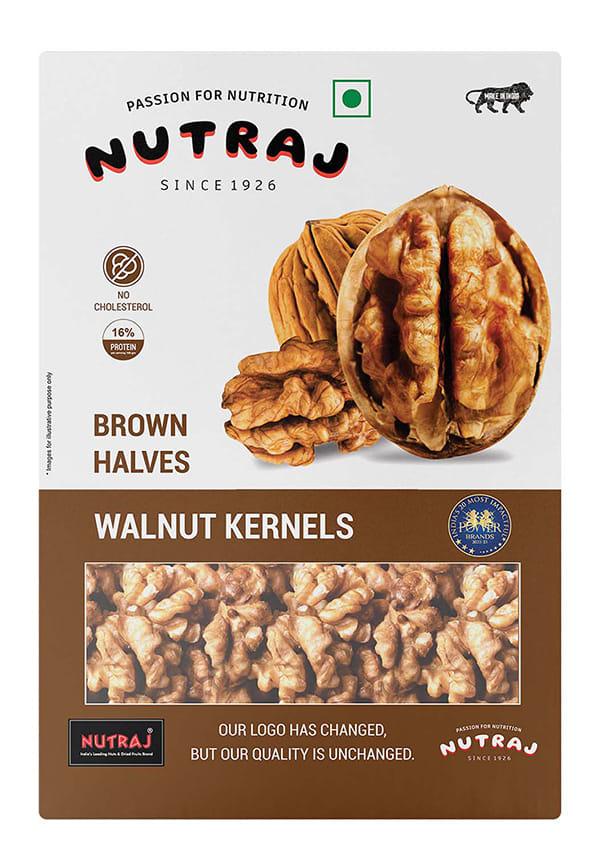 250 gm
Regular Walnut Kernels
Tree nut allergies are serious business, so if you have any history of nut allergies, definitely consult your healthcare provider before adding walnuts to your routine. Signs of allergic reactions can range from mild (itching, hives) to severe (difficulty breathing, swelling).
If you're taking blood-thinning medications, chat with your doctor about walnut consumption, as the omega-3s can have mild blood-thinning effects. Similarly, if you have a history of kidney stones, you might want to moderate your intake since walnuts contain oxalates.
Signs you might be overdoing it include persistent digestive issues, unexpected weight gain, or feeling overly full after meals. Remember, moderation is key—more isn't always better when it comes to nuts.
Getting your daily dose of walnuts doesn't have to be boring. There are loads of creative and delicious ways to incorporate these nutritional gems into your meals and snacks.
Breakfast is probably the easiest place to start. Sprinkle chopped walnuts over your morning porridge, yoghurt, or smoothie bowl. They add a lovely crunch and make your breakfast way more satisfying. You can also blend them into smoothies for a creamy texture and nutritional boost.
For snacks, try pairing walnuts with fresh fruit like apples or pears. The combination of fibre from the fruit and healthy fats from the walnuts creates the perfect hunger-busting snack that'll keep you going until your next meal.
Salads become infinitely more interesting with a handful of walnuts tossed in. They pair beautifully with leafy greens, goat cheese, and a simple vinaigrette. You can also incorporate them into main dishes—think walnut-crusted chicken or fish, or stirred into grain bowls.
When shopping for walnuts, you'll mainly encounter English walnuts (the common variety) and occasionally black walnuts. English walnuts are milder and more widely available, while black walnuts have a stronger, more distinctive flavour and slightly different nutritional profile.
Look for walnuts that feel heavy for their size and have a fresh, nutty aroma. Avoid any that smell rancid or look shrivelled. Store them in an airtight container in the fridge to maintain freshness—they can go rancid quickly at room temperature due to their high oil content.
Whether you're exploring new wellness products or looking for quality nuts and healthy snacks, platforms like Smytten make it easy to discover trusted brands without the commitment of full-size purchases. With trial packs from over 1,500 brands, you can explore different types of walnuts and health foods to find your perfect match.
Daily walnut consumption (30-60 grams) provides significant heart protection, improved brain function, and better gut health through omega-3s and antioxidants. Most people experience positive health benefits with minimal side effects when consumed in appropriate portions.
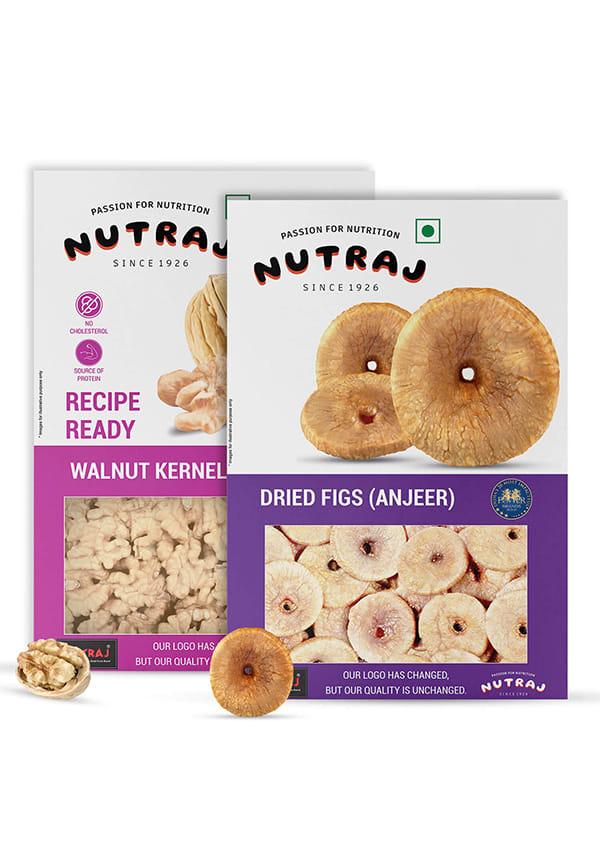 250 gm*2
Walnut Kernels & Anjeer
Health experts recommend 30-60 grams daily (about 14-28 walnut halves) for optimal benefits. This amount provides essential nutrients without excessive calories and fits easily into most people's daily eating patterns.
Absolutely! Walnuts contain vitamin E, omega-3s, and antioxidants that support skin health by reducing inflammation, promoting cellular repair, and protecting against environmental damage. Regular consumption can contribute to healthier, more radiant skin.
Yes, studies show regular walnut consumption can reduce triglyceride levels by 5-15% due to their omega-3 fatty acid content. This makes them particularly beneficial for people with elevated triglyceride levels or metabolic concerns.
While generally safe, eating walnuts with other foods may improve digestion and nutrient absorption, especially for people with sensitive stomachs. The fibre and fat content can be easier to handle when combined with other foods.
Walnuts may enhance the effects of blood-thinning medications due to their omega-3 content. If you're taking anticoagulants or have bleeding disorders, consult your healthcare provider before adding walnuts to your daily routine.
Yes, children over three years old can safely eat walnuts daily in age-appropriate portions (about 15-30 grams). Always ensure they're chopped to prevent choking hazards, and introduce gradually to monitor for any allergic reactions.
Raw walnuts retain slightly more nutrients, but roasted walnuts still provide significant health benefits. Choose dry-roasted over oil-roasted varieties, and avoid those with added salt or sugar to maximise nutritional value.
The benefits of eating walnuts daily are genuinely impressive and backed by solid research. From supporting heart health and brain function to providing essential nutrients for overall wellness, these little powerhouses deserve a spot in your daily routine.
Remember, consistency matters more than perfection. Whether you're sprinkling them on your morning yoghurt, tossing them in salads, or enjoying them as a standalone snack, the key is making walnuts a regular part of your eating pattern. Start with 30 grams daily and see how your body responds—you might just discover your new favourite superfood.
Just like how Smytten helps you discover new products through trial packs before committing to full sizes, starting with small, consistent amounts of walnuts lets you experience their benefits without overwhelming your system. After all, why settle for 'maybe' when you can try it all and find what works best for your health goals?
