Baking Soda vs Baking Powder: Key Differences Explained

 1000 gm
Freshcon Cooked Kala Chana (Black Chickpeas)
Ever stood in your kitchen, recipe in hand, wondering if you can swap baking soda for baking powder or vice versa? You're not alone. These two white powders might look identical, but they're actually quite different in how they work their magic in your bakes. Understanding the difference between baking soda and baking powder can be the game-changer between perfectly fluffy cakes and disappointing dense disasters. Let's break down everything you need to know about these essential baking ingredients so you can bake with confidence.
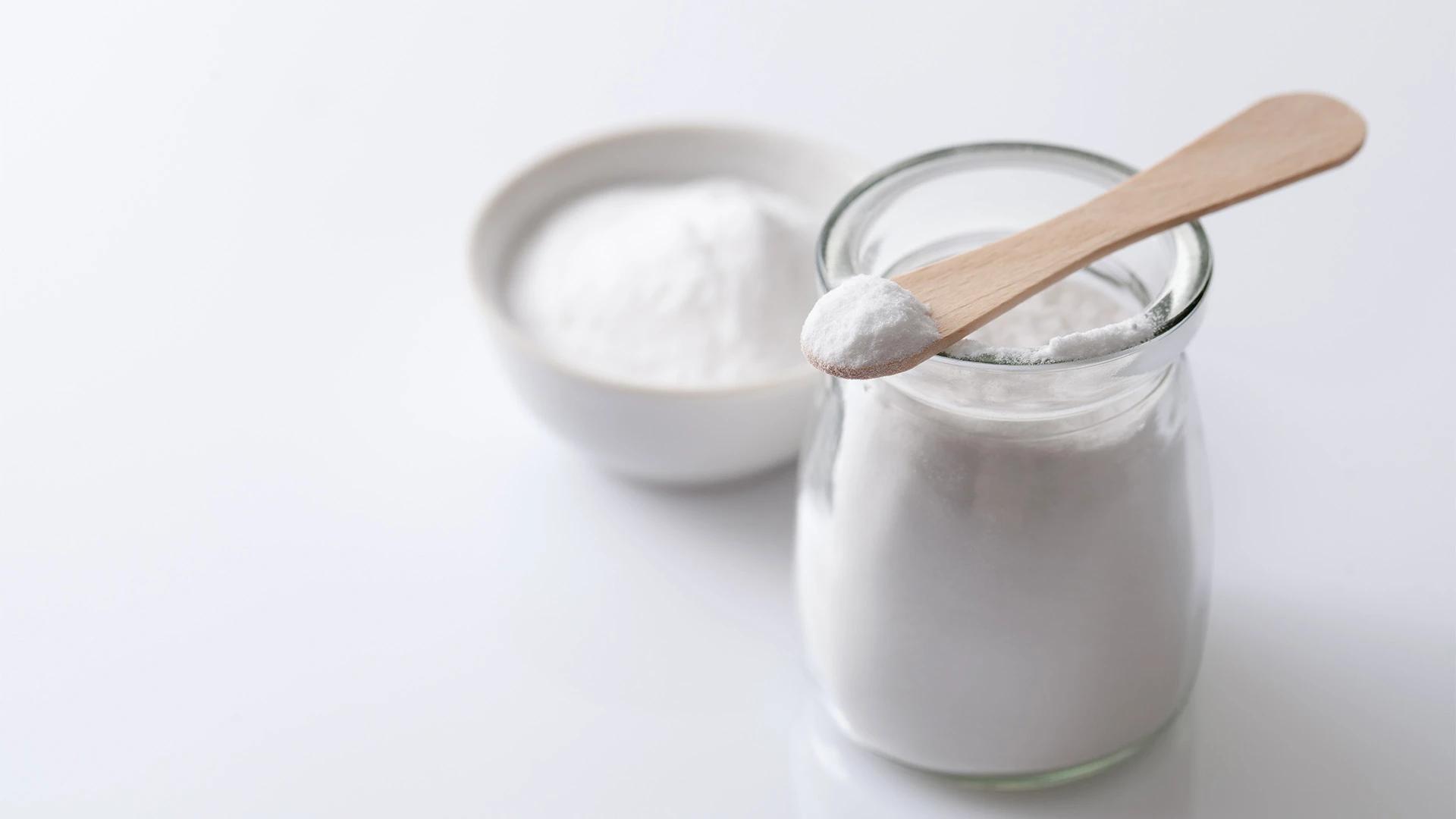
Baking soda, scientifically known as sodium bicarbonate, is a pure chemical compound with the formula NaHCO₃. It's one of the most basic leavening agents you'll find in any baker's pantry. Think of it as the strong, silent type that needs a partner to shine.
Baking soda is 100% sodium bicarbonate—no fillers, no extras. It's an alkaline substance that requires an acidic ingredient to activate and create the chemical reaction that makes your baked goods rise. This single-ingredient powerhouse has a shelf life of about 2-3 years when stored properly in a cool, dry place.
Here's where the science gets interesting. When baking soda meets an acid (like buttermilk, yoghurt, lemon juice, or even cocoa powder), it immediately starts producing carbon dioxide gas. This reaction happens the moment the two ingredients combine, which is why timing is absolutely crucial when working with baking soda. You need to get your batter into the oven quickly, or you'll lose that precious lift.
Baking powder is like the all-in-one solution of the leavening world. It's a complete system that doesn't need you to add any acidic ingredients because it already contains everything it needs to work.
Most baking powders contain three main components: sodium bicarbonate (yes, the same stuff as baking soda), cream of tartar (the acid), and cornstarch (which prevents clumping and absorbs moisture). This self-contained system means you don't need to worry about having acidic ingredients in your recipe for it to work.
Double acting baking powder is the most common type you'll find in shops, and it's pretty clever. It releases carbon dioxide twice: first when it gets wet (that's the moisture activation), and again when it heats up in the oven (the heat activation). This double action gives you more flexibility with timing and helps ensure your bakes rise properly even if you can't get them in the oven immediately.
Now for the real talk—what actually sets these two apart? The difference between baking soda and baking powder goes beyond just their names.
 1 kg
1 kgAlkalized Cacao Powder
Baking soda is roughly three to four times stronger than baking powder. This means you need much less of it to achieve the same leavening effect. If a recipe calls for 1 teaspoon of baking powder, you'd only need about ¼ teaspoon of baking soda (plus an acid) to get similar results.
This is where things get really different. Baking soda needs an acidic ingredient to work—think buttermilk, yoghurt, cocoa powder, brown sugar, honey, or citrus juice. Baking powder, on the other hand, just needs moisture and heat. It's basically ready to go whenever you are.
Baking soda starts working immediately when it meets acid, so you've got to move fast. Baking powder, especially the double-acting type, gives you more time to work with your batter since it has that second rise when heated.
Use too much baking powder and you might notice a slightly metallic or bitter taste. Too much baking soda that hasn't been properly neutralised by acid? You'll get an unpleasant soapy flavour that's hard to miss.
Knowing which leavening agent to use can make or break your baking game. The choice often depends on what other ingredients are in your recipe.
Reach for baking soda when your recipe already contains acidic ingredients. Chocolate chip cookies with brown sugar? Baking soda's your friend. Pancakes made with buttermilk? Definitely baking soda. It's also brilliant for recipes where you want a bit of browning and a slightly more complex flavour.
Baking powder shines in recipes that don't have natural acids. Think vanilla cakes, plain muffins, scones, and biscuits. It's perfect when you want a neutral flavour and a light, fluffy texture without any tang.
 250g
250gPremium Date Powder
Some recipes call for both, and there's good reason for this. Using both allows bakers to balance acidity while still getting maximum lift. You might see this in complex cake recipes or when a recipe has some acidic ingredients but needs extra rising power.
We've all been there—halfway through a recipe only to realise we're missing a key ingredient. Here's how to handle those moments without panicking.
If you're out of baking soda, you can use baking powder as a baking soda substitute, but you'll need about three times as much. So if your recipe calls for 1 teaspoon of baking soda, use 3 teaspoons of baking powder. Just keep in mind this might affect the taste slightly.
Making your own baking powder substitute is actually quite simple. Mix ¼ teaspoon of baking soda with ½ teaspoon of cream of tartar, and you've got the equivalent of 1 teaspoon of baking powder. In a pinch, you can also use ¼ teaspoon of baking soda plus ½ teaspoon of white vinegar or lemon juice.
Sometimes you might need to think outside the box. Beaten egg whites can provide lift in some recipes, and self-rising flour already contains baking powder. Just remember that these alternatives might change the texture and flavour of your final product.
Even experienced bakers sometimes get tripped up by these leavening agents. Let's look at the most common issues and how to avoid them.
Always level your measuring spoons when working with leavening agents—a little extra can throw off your entire recipe. Store both baking soda and baking powder in airtight containers away from moisture and heat. To test if they're still active, drop a bit of baking soda in vinegar (it should fizz) or mix baking powder with hot water (it should bubble).
 10 gm
10 gmBake Out Loose Powder
Flat cookies often mean your leavening agent has lost its potency or you've used the wrong type. Dense cakes might indicate you've used too little leavening or the wrong kind for your recipe. That metallic taste? Usually means too much baking powder. Soapy flavour? Too much baking soda that hasn't been properly neutralised.
Yes, but you'll need to add an acidic ingredient and use much less. Use ¼ teaspoon of baking soda plus ½ teaspoon of acid (like lemon juice or vinegar) to replace 1 teaspoon of baking powder.
Neither is inherently better—they serve different purposes. Choose based on your recipe's other ingredients and the flavour profile you want to achieve.
Too much baking soda creates a soapy, unpleasant taste, while excess baking powder can make your bakes taste metallic and cause them to rise too quickly then collapse.
Mix baking soda with vinegar—it should fizz vigorously if it's fresh. For baking powder, stir it into hot water—active powder will bubble enthusiastically.
Absolutely. Baking soda typically lasts 2-3 years, while baking powder usually expires after 18 months to 2 years. Always check the dates and do the fizz test when in doubt.
Understanding the difference between baking soda and baking powder is like having a secret weapon in your baking arsenal. Once you know when and how to use each one, you'll find yourself baking with much more confidence and getting consistently better results. Remember, baking soda needs acid and works immediately, while baking powder is self-contained and gives you more flexibility with timing.
Just like how Smytten helps you discover the perfect products through trial-sized versions before committing to full sizes, experimenting with different leavening agents in small batches can help you understand how they work in your favourite recipes. With over 1,500 trusted brands and the ability to try products risk-free, Smytten makes it easy to explore new baking ingredients and tools. After all, why settle for 'maybe' when you can #TryItAll and find exactly what works for your baking style?
