Sensitive Skin Hyperpigmentation FAQ: Gentle Dark Spot Solutions


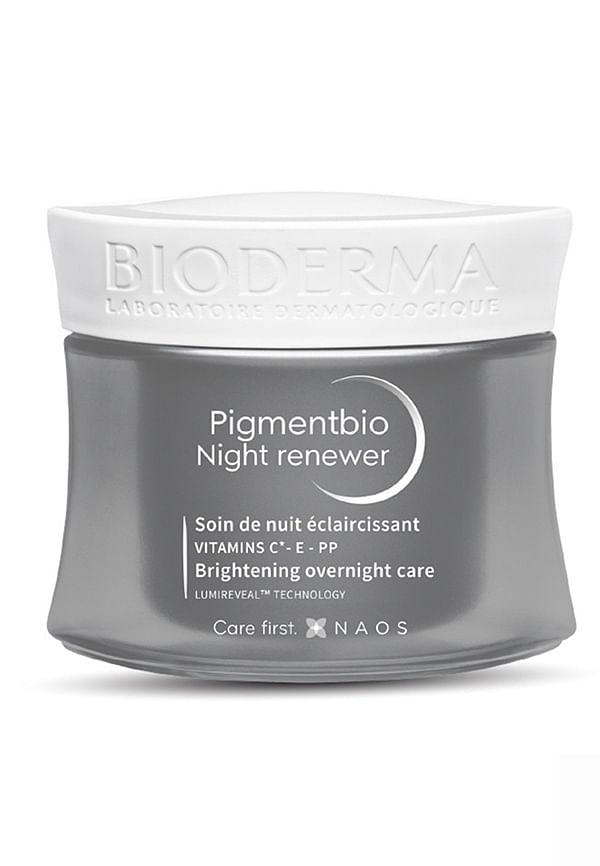
Pigmentbio Night Renewer Brightening Overnight Cream for Dark Spots, Sensitive Skin
Dealing with hyperpigmentation when you have sensitive skin feels like walking a tightrope. You want those dark spots gone, but every product seems to leave your skin angry and irritated. The good news? You don't need to choose between clear skin and comfortable skin. Building a sensitive skin hyperpigmentation routine without actives overload is totally doable when you know which gentle ingredients actually work and how to layer them without causing chaos.
Let's be real—sensitive skin doesn't mean you have to settle for uneven skin tone forever. It just means you need a smarter approach that works with your skin, not against it.
When you have sensitive skin, hyperpigmentation sensitive skin becomes a double challenge. Your skin barrier is already compromised, which means it's more prone to inflammation—and inflammation is basically hyperpigmentation's best friend. Every time your skin gets irritated, it can trigger more melanin production, creating a frustrating cycle.
The tricky part is that traditional dark spot treatments often rely on potent actives that can send sensitive skin into overdrive. Think retinoids, high-concentration vitamin C, or strong AHAs—ingredients that might work brilliantly on resilient skin but leave sensitive types red, flaky, and sometimes with even more pigmentation than before.
Your skin barrier acts like a protective wall, but when it's compromised, irritants slip through more easily. This triggers inflammation, which then signals your melanocytes to produce more pigment as a protective response. It's your skin's way of trying to shield itself, but it ends up creating those stubborn dark spots you're trying to fade.
Sun exposure, harsh scrubbing, over-exfoliation, and using too many actives at once can all trigger both sensitivity and pigmentation. Even seemingly innocent things like fragrance or certain preservatives can set off this inflammatory cascade.
Here's where it gets interesting—gentle skincare for dark spots actually works by supporting your skin's natural renewal process rather than forcing it. When you use harsh actives, you're essentially bulldozing through your skin barrier to get results. But gentle approaches work more like a skilled gardener, creating the right conditions for healthy skin turnover.
Melanin reduction sensitive skin strategies focus on calming inflammation first, then gently encouraging cell turnover. This approach takes longer but creates lasting results without the irritation rollercoaster.
Ingredients like niacinamide, azelaic acid in low concentrations, and botanical extracts work by regulating melanin production rather than aggressively stripping away pigmented cells. They also strengthen your skin barrier, which helps prevent future pigmentation from forming.
Research shows that sustained exposure to lower concentrations of active ingredients can be just as effective as high-concentration treatments, with significantly less irritation. It's like the difference between a gentle, steady rain and a sudden downpour—both water the garden, but one doesn't flood it.
Creating an effective non-irritating hyperpigmentation routine is all about strategic layering and patience. The goal is to introduce gentle brightening ingredients while maintaining your skin barrier integrity. Think of it as building a house—you need a solid foundation before you can add the pretty details.
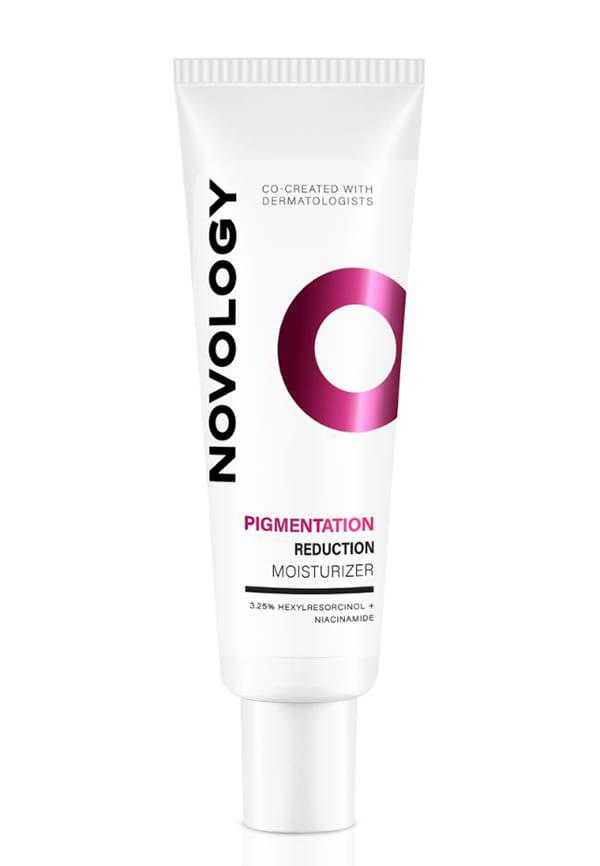
Pigmentation Moisturiser, Face Cream for Hyperpigmentation & Dark Spots
Your routine should focus on three key principles: cleanse gently, treat strategically, and protect consistently. This approach helps with uneven skin tone treatment sensitive skin types can actually tolerate.
Start with a gentle, non-foaming cleanser that won't strip your skin. Follow with a soothing toner containing ingredients like centella asiatica or chamomile. For brightening, opt for a low-concentration vitamin C serum or niacinamide—never both together initially.
Moisturise with something containing ceramides or hyaluronic acid, then finish with broad-spectrum SPF 30 or higher. Sun protection is non-negotiable when dealing with hyperpigmentation.
Double cleanse if you wear makeup or sunscreen, but keep it gentle. Use a treatment product containing azelaic acid or kojic acid derivatives 2-3 times per week maximum. On off nights, focus on barrier repair with ingredients like panthenol or ceramides.
Always finish with a nourishing night moisturiser. Your skin does most of its repair work while you sleep, so give it the tools it needs.
When you're looking for best products hyperpigmentation sensitive skin can handle, focus on ingredients that multitask. You want brightening benefits without the irritation, which means choosing actives that also have anti-inflammatory properties.
Skin brightening sensitive skin formulations should prioritise gentle efficacy over dramatic results. Remember, slow and steady wins this race.
Azelaic acid is your sensitive skin's best friend. At concentrations of 10% or lower, it reduces inflammation while gently inhibiting melanin production. It's also antibacterial, making it perfect if you deal with both sensitivity and breakouts.
Niacinamide at 2-5% concentration helps regulate oil production, strengthens the skin barrier, and gradually fades dark spots. It's one of the most well-tolerated actives for sensitive skin.
Alpha arbutin is a gentler alternative to hydroquinone that slowly releases hydroquinone in the skin without the harsh side effects. It's particularly effective for post-inflammatory hyperpigmentation.
Centella asiatica calms inflammation and supports skin healing. It's particularly helpful for addressing redness and hyperpigmentation simultaneously.
Ceramides restore and maintain your skin barrier, preventing further irritation and the inflammation that leads to more pigmentation.
Licorice root extract contains glabridin, which inhibits tyrosinase (the enzyme responsible for melanin production) while providing anti-inflammatory benefits.
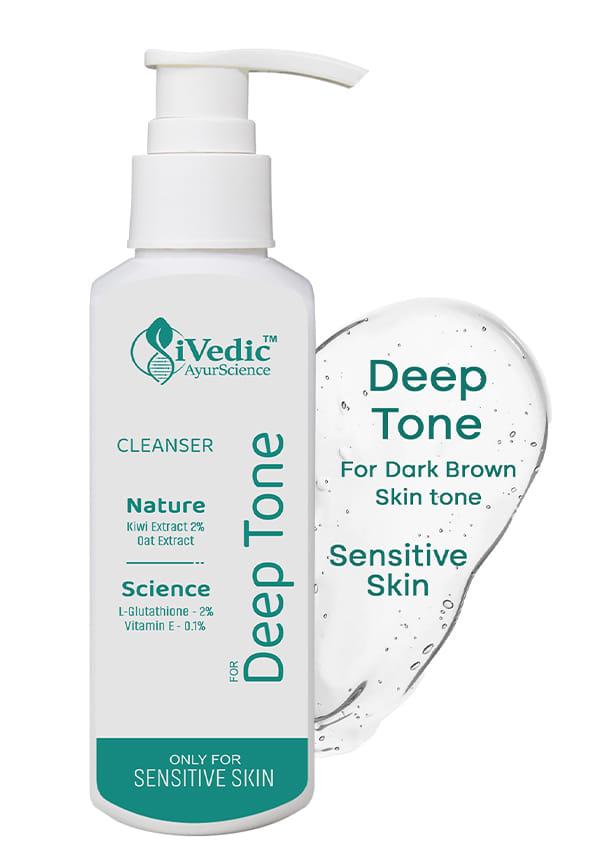
Illuminance Skin Brigthening Face Wash | Only For Sensitive Skin with Dark Skin Tone
Don't forget about hyperpigmentation bath body areas—dark spots on your chest, back, arms, or legs need attention too. Body skin is generally less sensitive than facial skin, but if you have overall sensitive skin, you'll want to maintain that gentle approach.
Soothing skincare for dark spots on the body means using products specifically formulated for larger surface areas. Look for body lotions containing niacinamide, kojic acid, or glycolic acid in gentle concentrations.
Use a gentle exfoliating body wash 2-3 times per week to encourage cell turnover. Look for lactic acid or fruit enzymes rather than harsh physical scrubs.
Apply a brightening body lotion daily, focusing on areas with dark spots. Ingredients like vitamin C, niacinamide, or alpha arbutin work well for body hyperpigmentation.
Areas like underarms, inner thighs, or the neck might need extra gentle treatment as the skin is thinner and more prone to irritation. Stick to lower concentrations and always patch test first.
For post-inflammatory hyperpigmentation from ingrown hairs or minor cuts, focus on gentle exfoliation and consistent moisturising with brightening ingredients.
The biggest mistake people make is thinking more actives equal faster results. With sensitive skin, this approach almost always backfires, leading to increased inflammation and often worse pigmentation. Your sensitive skin hyperpigmentation routine without actives overload should prioritise consistency over intensity.
Another major pitfall is neglecting sun protection. UV exposure not only creates new dark spots but also darkens existing ones, undoing all your gentle treatment work.
Using multiple exfoliating products or exfoliating too frequently can damage your skin barrier and trigger more pigmentation. Stick to gentle exfoliation 2-3 times per week maximum.
Combining vitamin C with retinoids, or using multiple acids together can irritate sensitive skin. Introduce one new active at a time and give your skin at least two weeks to adjust.
Gentle treatments take 8-12 weeks to show significant results. Switching products too quickly or adding more actives out of impatience often sets you back to square one.
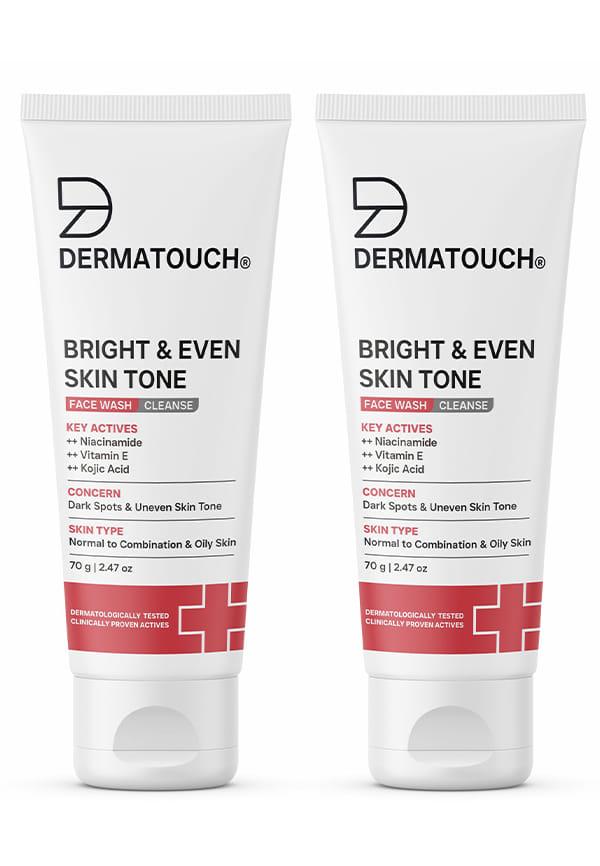
Bright & Even Skin Tone Face Wash, For Tan & Dark Spot Removal
With consistent use of gentle brightening ingredients, you'll typically start seeing improvements in 6-8 weeks, with more significant results after 12-16 weeks. Remember, gentle treatments work slower but create lasting results without irritation.
While these ingredients can technically be used together, sensitive skin often benefits from using them at different times. Try vitamin C in the morning and niacinamide in the evening, or alternate days until your skin adjusts.
Body skin is generally less sensitive and can tolerate slightly stronger concentrations. However, body areas also have less access to targeted treatments, so consistency becomes even more important for results.
Not necessarily. Gentle acids like lactic acid or low-concentration azelaic acid can be very effective for sensitive skin. The key is starting with lower concentrations and introducing them slowly.
Signs include increased redness, stinging, burning, flaking, or new dark spots appearing. If you experience any of these, scale back your routine and focus on barrier repair before reintroducing actives.
Absolutely. Hormonal fluctuations can increase both skin sensitivity and melanin production. During these times, focus extra on gentle care and sun protection, and consider consulting a dermatologist for targeted advice.
Ingredients like niacinamide, vitamin C, and azelaic acid are generally considered safe during pregnancy, but always consult your healthcare provider. Avoid hydroquinone and high-concentration retinoids.
Sun protection, hands down. Without consistent SPF use, even the gentlest brightening treatments won't be effective, and you'll continue creating new pigmentation faster than you can fade existing spots.
Building an effective sensitive skin hyperpigmentation routine without actives overload is absolutely achievable—it just requires patience and the right approach. Focus on gentle, consistent care rather than aggressive treatments, and remember that supporting your skin barrier is just as important as targeting dark spots.
The beauty of gentle skincare is that it creates lasting results without the irritation rollercoaster. Your skin will thank you for choosing the steady, sustainable path to clearer, more even-toned skin.
When you're ready to explore gentle brightening products, Smytten offers curated trial packs from trusted brands, letting you test different formulations before committing to full-size purchases. With options from brands like Cetaphil and Dot & Key, you can discover what works for your unique skin needs. After all, why settle for 'maybe' when you can Try It All and find your perfect gentle hyperpigmentation routine?
