How to Tackle Stubborn Dark Spots: Dermatologist's Guide


 50 ml
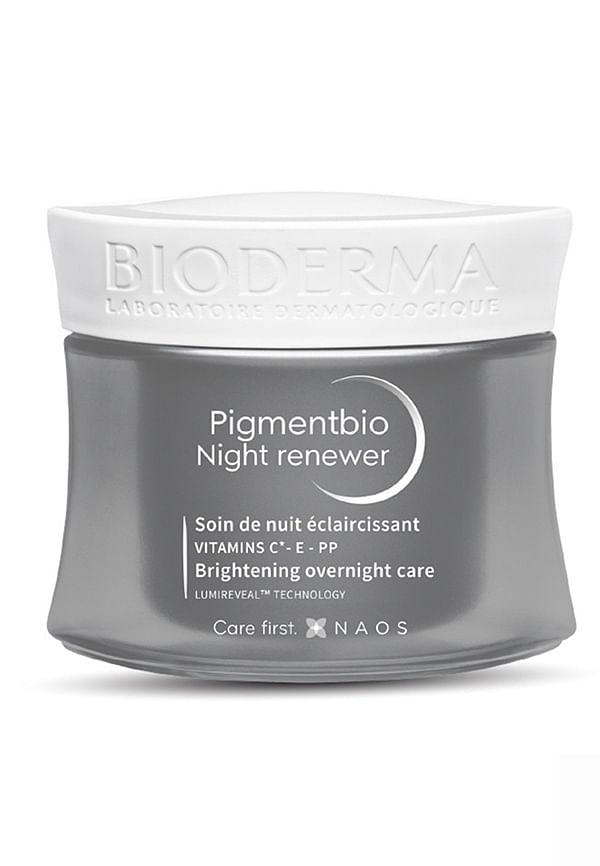
50 mlPigmentbio Night Renewer Brightening Overnight Cream for Dark Spots, Sensitive Skin
Dark spots on your face can feel like unwelcome guests that just won't leave the party. You've tried everything from DIY lemon masks to that expensive serum your friend swore by, but those stubborn patches are still there, mocking you in the mirror. Real talk—some dark spots are just more persistent than others, and they need a proper game plan to fade. Let's dive into what dermatologists actually recommend for tackling the most stubborn hyperpigmentation, because your skin deserves better than guesswork.
Not all dark spots are created equal, and that's why your usual skincare routine might not be cutting it. Stubborn dark spots are typically deeper, more established patches of hyperpigmentation that have had time to really settle into your skin. Think of them as the difference between a fresh tea stain and one that's been sitting on your favourite shirt for months.
These persistent spots usually fall into a few categories. Post-inflammatory hyperpigmentation from old acne can be particularly stubborn, especially if you've been picking at spots (we've all been there). Melasma, often triggered by hormonal changes or pregnancy, creates those symmetrical patches that seem immune to regular treatments. Then there's good old sun damage—years of UV exposure creating spots that laugh in the face of your vitamin C serum.
Certain skin types are more prone to developing stubborn pigmentation. If you have naturally higher melanin levels, your skin might be more reactive to inflammation or hormonal changes. The frustrating bit? These spots can take anywhere from six months to over a year to fade, even with the best routine for stubborn dark spots on face dermatology approach.
When your usual skincare arsenal isn't making a dent, it's time to consider what dermatologists actually use for dark spot removal. The good news is you've got options—from professional treatments that work faster to prescription products that pack more punch than anything you'll find over the counter.
Laser therapy and intense pulsed light (IPL) are like the heavy artillery of hyperpigmentation treatment. These treatments target melanin directly, breaking up pigment clusters so your skin can naturally shed them. Chemical peels using glycolic, salicylic, or TCA acids work by removing the top layers of skin, taking stubborn pigmentation with them.
For really targeted spots, cryotherapy uses controlled freezing to destroy pigmented cells. Microdermabrasion offers a gentler approach, gradually buffing away surface pigmentation. Many dermatologists now favour combination approaches—maybe starting with a chemical peel series, then maintaining results with laser touch-ups.
Hydroquinone remains the gold standard for skin brightening routine ingredients, but you'll need a prescription for the effective concentrations. Tretinoin and other retinoids speed up cell turnover, helping pigmented cells shed faster. Prescription-strength vitamin C formulations are far more potent than what you'll find in shops.
Kojic acid and arbutin compounds offer gentler alternatives for sensitive skin types. Your dermatologist might create a custom compound combining several active ingredients for maximum effectiveness.
 50 g
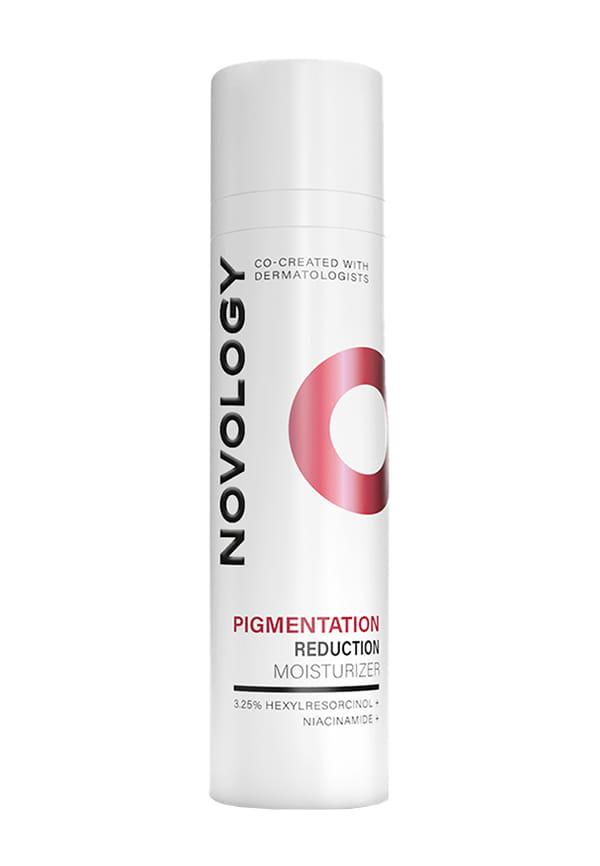
50 gPigmentation Moisturiser, Face Cream for Hyperpigmentation & Dark Spots
Creating an effective routine for face discoloration correction isn't about throwing every active ingredient at your skin and hoping for the best. It's about strategic layering and consistent application. Think of it as a carefully choreographed dance where timing and technique matter just as much as the products you're using.
Your morning routine should focus on protection and gentle brightening. Start with a gentle cleanser that won't irritate already sensitive skin. Follow with a vitamin C serum—this antioxidant helps prevent new dark spots whilst gradually brightening existing ones.
Niacinamide is your friend for uneven skin tone treatment. It regulates oil production, reduces inflammation, and helps fade pigmentation over time. The non-negotiable final step? Broad-spectrum SPF 30 or higher. Without proper sun protection, you're essentially taking one step forward and two steps back.
Evenings are when the real work happens. Double cleansing ensures you're starting with a clean slate. Chemical exfoliants used 2-3 times weekly help speed up cell turnover, but don't overdo it—irritated skin produces more pigmentation.
This is when you'd apply any prescription treatments or targeted serums. Layer from thinnest to thickest consistency, and always follow with a good moisturiser to support your skin barrier. Weekly treatment masks can provide an extra boost, but consistency with your daily routine matters more than occasional intensive treatments.
Hydroquinone concentrations between 2-4% are most effective, but start slowly to avoid irritation. Vitamin C works best when combined with vitamin E and ferulic acid for stability. Tranexamic acid is particularly effective for melasma-type spots that don't respond to other treatments.
Alpha hydroxy acids like glycolic and lactic acid help with surface renewal, whilst beta hydroxy acid (salicylic acid) penetrates deeper into pores. The key is introducing one new active ingredient at a time and giving your skin time to adjust.
Let's be honest about timelines because those '7-day transformation' claims are doing nobody any favours. Stubborn dark spots are called stubborn for a reason—they take time to fade, and patience is part of the process.
Surface-level pigmentation might start improving within 4-6 weeks of consistent treatment. Deeper spots, especially those from old acne or hormonal changes, can take 3-6 months to show significant improvement. Complete fading might take 6-12 months or longer, depending on the spot's depth and your skin's response to treatment.
Several factors affect how quickly you'll see results. Your skin type, the cause of the pigmentation, how long the spots have been there, and how consistently you follow your routine all play a role. Age matters too—younger skin typically responds faster to treatment.
 4 Patches
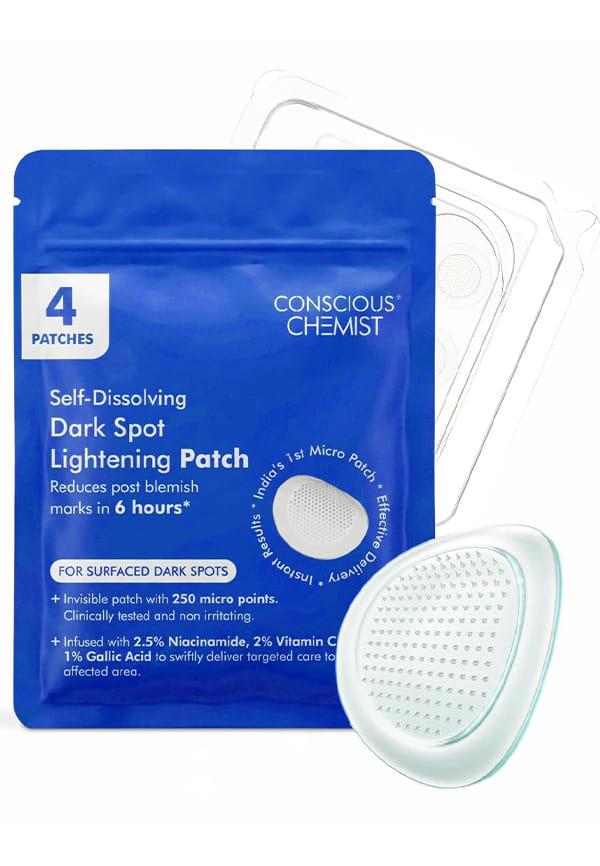
Micro Needle Patches For Dark Spots Removal
Once you've achieved the results you want, maintenance is crucial. Many people make the mistake of stopping their routine completely, only to see spots return. A simplified version of your treatment routine, plus religious sun protection, helps maintain your progress.
Sometimes the biggest barrier to clear skin is what we're doing wrong rather than what we're not doing right. Over-exfoliation is probably the most common mistake—using too many acids or scrubbing too aggressively can actually increase inflammation and worsen pigmentation.
Picking and touching affected areas might feel satisfying in the moment, but it prolongs healing and can create new dark spots. Inconsistent product application is another progress killer—using your treatment serum sporadically won't give you the results you're after.
Skipping sunscreen during treatment is like trying to fill a bucket with holes in it. UV exposure not only prevents existing spots from fading but can also darken them further. Using too many active ingredients simultaneously can overwhelm your skin and cause irritation, which leads to more pigmentation.
Be wary of fairness creams that promise instant results. Many contain harmful ingredients like mercury or steroids that can cause serious skin damage. Stick to dermatologist-recommended products with proven ingredients.
When standard treatments aren't cutting it, it's time to consider more advanced approaches. The best skincare for dark spots often involves combining professional treatments with at-home maintenance for maximum effectiveness.
Many dermatologists now favour combination protocols that attack pigmentation from multiple angles. You might start with a series of chemical peels to remove surface pigmentation, then maintain results with laser treatments every few months. Professional treatments create the dramatic improvement, whilst at-home products maintain and enhance results.
Customised treatment plans take your specific skin type, lifestyle, and budget into account. What works for your friend's melasma might not be right for your post-acne marks, and a good dermatologist will tailor the approach accordingly.
If you've been consistent with a proper routine for 3-6 months without seeing improvement, it might be time for professional help. Signs that your at-home routine isn't working include spots that are getting darker, new spots appearing despite sun protection, or no change after months of consistent treatment.
Choosing the right dermatologist matters. Look for someone who specialises in pigmentation disorders and has experience with your skin type. Don't be afraid to ask about their approach to skin pigmentation solutions and what realistic timelines look like for your specific case.
 150 ml
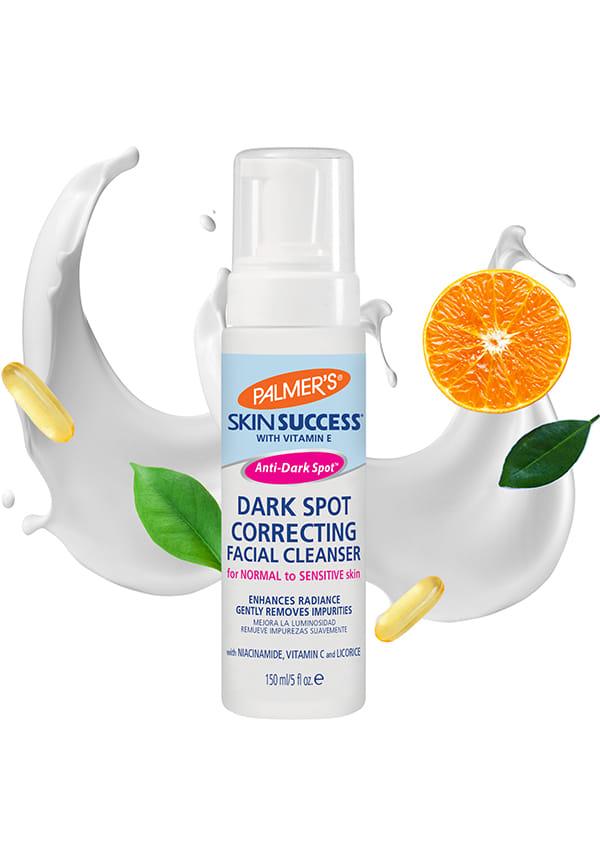
Skin Success Palmer’s Skin Success Dark Spot Correcting Facial Cleanser
When exploring treatment options, platforms like Smytten can be incredibly helpful for trying different skincare products before committing to full sizes. With over 1,500 trusted brands including Cetaphil and Dot & Key, you can discover what works for your skin without the financial risk. Getting up to 8 minis for just ₹249 with 100% cashback makes it easier to experiment with different approaches to fade dark spots on face effectively.
Dermatologists typically recommend a combination approach starting with prescription bleaching creams like hydroquinone, combined with retinoids and gentle chemical exfoliants. For stubborn cases, professional treatments like laser therapy, chemical peels, or IPL might be necessary. The key is customising the approach based on your skin type and the cause of your pigmentation.
Post-inflammatory hyperpigmentation from acne responds well to gentle chemical exfoliation, vitamin C serums, and consistent sun protection. Avoid picking at spots and consider niacinamide for its anti-inflammatory properties. If over-the-counter options don't work after 3-6 months, professional treatments might be needed.
An effective routine includes morning vitamin C and broad-spectrum SPF, evening gentle exfoliation 2-3 times weekly, targeted serums with proven brightening ingredients like hydroquinone or kojic acid, and consistent moisturising to support skin barrier function. Consistency matters more than using expensive products sporadically.
Natural ingredients like vitamin C, kojic acid from fermented rice, and gentle exfoliation can help with mild pigmentation. However, stubborn dark spots typically require dermatologist-formulated products or professional treatments for significant improvement. Natural doesn't always mean effective for persistent pigmentation.
Most dark spots require 6-12 weeks of consistent treatment to show noticeable improvement, with complete fading taking 6-12 months depending on spot depth, skin type, and treatment approach. Surface-level spots fade faster than deeper pigmentation from hormonal changes or old acne.
Tackling stubborn dark spots isn't about finding one miracle product—it's about understanding your skin, being consistent with proven treatments, and having realistic expectations about timelines. The best routine for stubborn dark spots on face dermatology approach combines patience, proper products, and sometimes professional intervention.
Remember that your skin is unique, and what works for others might need tweaking for you. Smytten's trial platform makes this journey easier by letting you explore different products from trusted brands without committing to full sizes. With over 25 million users discovering their perfect skincare matches, you can find what works for your specific pigmentation concerns. After all, why settle for 'maybe' when you can try it all and find what actually works for your skin?
