How to Fade Underarm Hyperpigmentation Gently

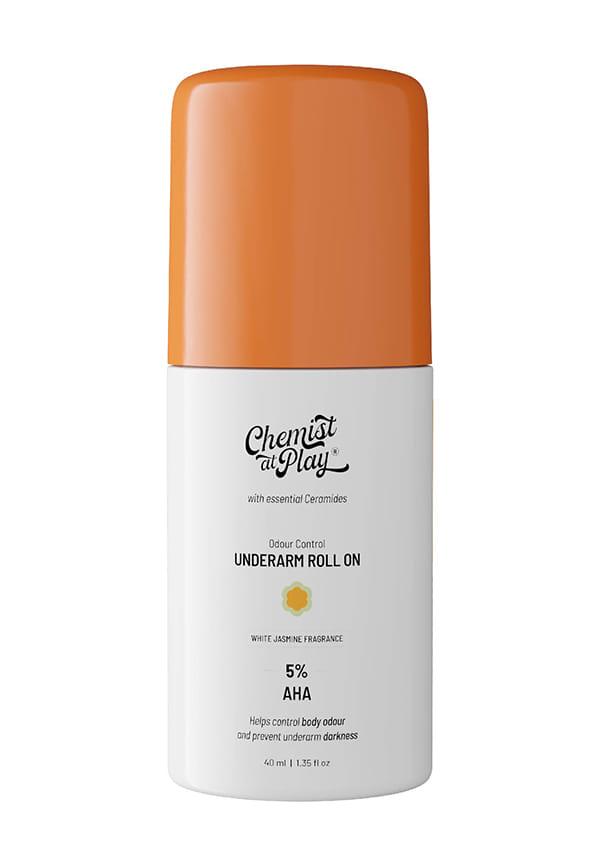 40 ml
40 mlUnderArm Roll-On with 5% Lactic Acid & 1% Mandelic Acid | White Jasmine
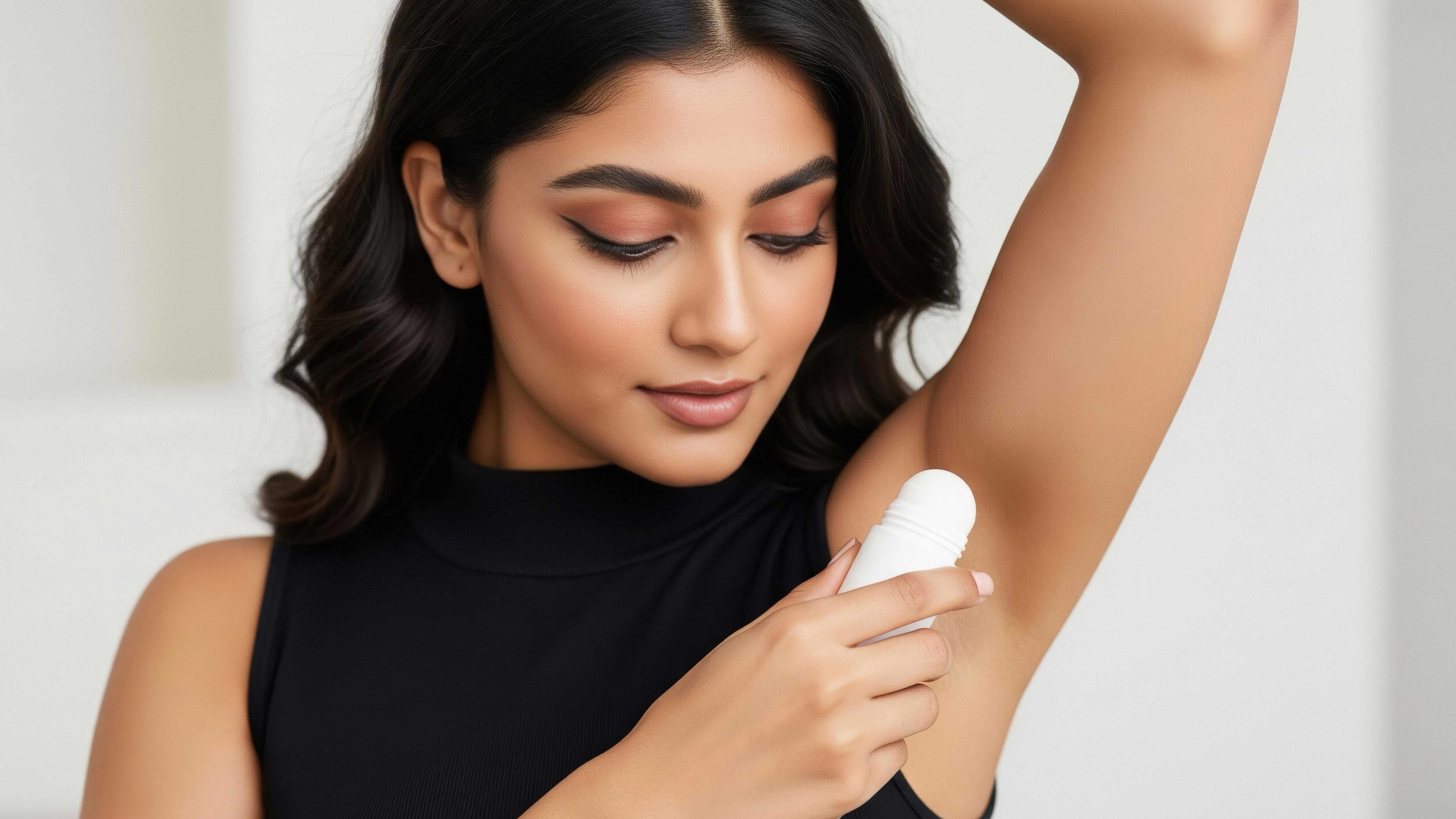
Dark underarms can feel like that uninvited guest who just won't leave the party. Whether it's from tight clothes, harsh deodorants, or just genetics being a bit dramatic, underarm hyperpigmentation is more common than you think. The good news? You don't need to go nuclear with harsh treatments that leave your skin angrier than before. Let's talk about how to fade underarm hyperpigmentation without irritation—because your underarms deserve the same gentle care as the rest of your skin.
Before we dive into solutions, let's get real about what's actually happening under there. Underarm hyperpigmentation is basically your skin producing extra melanin in response to irritation, friction, or other triggers. Think of it as your skin's way of putting up a protective shield—except this shield happens to be darker than the surrounding area.
The armpit discoloration causes are surprisingly varied. Tight clothing that rubs against your skin all day creates constant friction, which your skin doesn't appreciate. Shaving can cause micro-injuries that lead to post-inflammatory hyperpigmentation. Even your trusty deodorant might be the culprit if it contains harsh chemicals or if you're sensitive to certain ingredients.
Hormonal changes can also play a role, especially conditions like insulin resistance that can cause acanthosis nigricans—a condition where skin becomes thick and dark in body folds. Sometimes it's just genetics being extra, and your skin naturally produces more melanin in certain areas.
Your underarm skin is already dealing with a lot—constant movement, friction, and exposure to products. If you notice redness, irritation, or if your skin feels sensitive to touch, it's telling you to slow down with the aggressive treatments. Gentle underarm whitening isn't just nicer to your skin; it's often more effective in the long run.
When it comes to treating dark underarms, patience is your best friend. The key is finding ingredients that work without turning your underarms into a war zone. Let's explore some science-backed options that won't leave you wincing every time you raise your arms.
Niacinamide is basically the cool, calm friend in the skincare world. It helps regulate melanin production whilst strengthening your skin barrier—perfect for sensitive underarm skin. Look for products with 2-5% niacinamide for gentle yet effective results.
Arbutin and kojic acid are gentler alternatives to hydroquinone that can help fade pigmentation without the harsh side effects. These ingredients work by inhibiting tyrosinase, the enzyme responsible for melanin production.
Low-concentration AHA or BHA can help with gentle exfoliation, removing dead skin cells that can make pigmentation look worse. Start with once or twice a week to see how your skin responds.
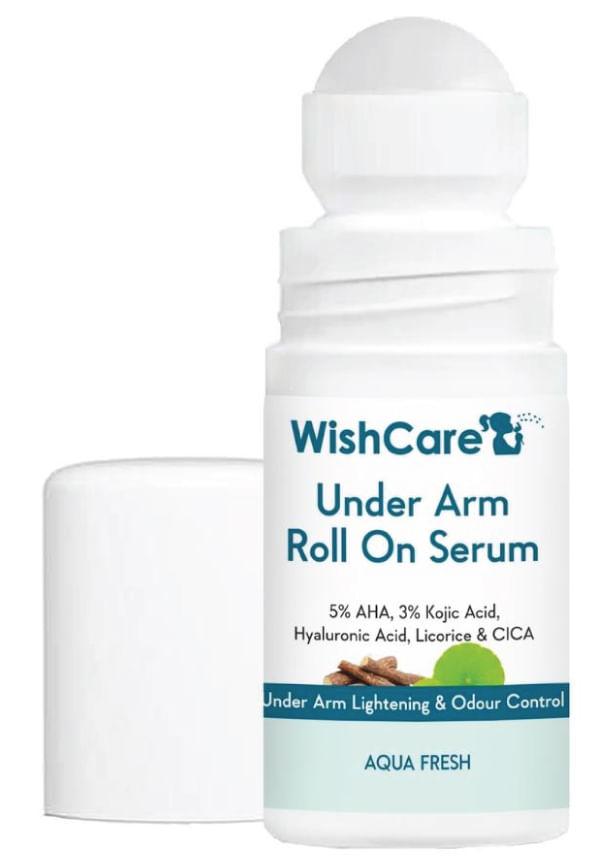 50 ml
50 mlUnder Arm Roll On Serum
If you're looking for faster results, gentle laser treatments or medical peels designed for sensitive areas might be worth exploring. Always consult with a dermatologist who can assess your specific situation and recommend the safest approach.
Sometimes the best solutions come from your kitchen cupboard. Natural hyperpigmentation solutions can be surprisingly effective, especially when used consistently and correctly. The trick is knowing which ones actually have science backing them up.
Lemon juice gets a lot of hype, and there's some truth to it—the citric acid can help with gentle exfoliation and has mild bleaching properties. But here's the thing: never use it straight. Always dilute it with water or mix it with other soothing ingredients to avoid irritation.
Turmeric has been used for centuries for skin brightening, and modern research backs up its anti-inflammatory and antioxidant properties. Mix it with yoghurt or honey for a gentle mask that won't stain your skin yellow.
Aloe vera is like a cool drink of water for irritated skin. It contains compounds that can help inhibit melanin production whilst soothing any existing irritation.
Coconut oil might not directly lighten pigmentation, but it's excellent for maintaining healthy skin barrier function, which is crucial for preventing further darkening.
For a simple brightening mask, mix equal parts yoghurt, honey, and a pinch of turmeric. Leave it on for 10-15 minutes before rinsing with cool water.
A gentle exfoliating scrub can be made with fine sugar, coconut oil, and a few drops of lemon juice. Use this once a week to remove dead skin cells without over-scrubbing.
Just like your face, your underarms benefit from a consistent routine. The key is keeping it simple and gentle—this isn't the place for a 10-step skincare routine. Think of it as giving your underarms the TLC they deserve without overwhelming them.
Your underarm skin care routine should focus on three main goals: gentle cleansing, targeted treatment, and proper moisturising. This approach helps address existing pigmentation whilst preventing new dark spots from forming.
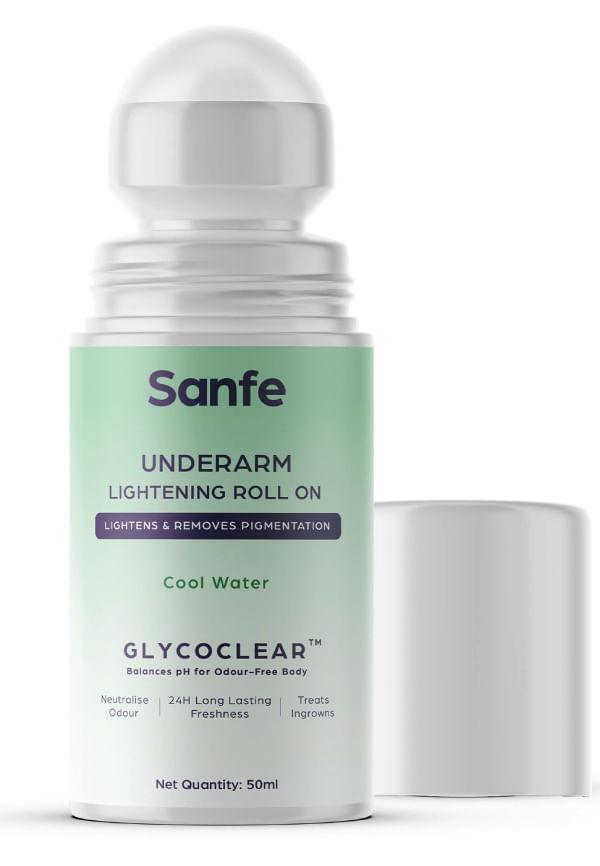 50 gm
50 gmUnderarm Lightening Roll On
Morning routine should be simple: gentle cleansing with a mild, fragrance-free cleanser, followed by a light moisturiser. If you're using any treatment products, morning might not be the best time unless they're specifically designed for daytime use.
Evening is when the magic happens. After cleansing, apply your treatment product (whether it's niacinamide, arbutin, or a natural remedy), then follow with a nourishing moisturiser to support your skin barrier overnight.
When shopping for best products for dark armpits, look for sulfate-free cleansers that won't strip your skin. Treatment products should contain proven ingredients like niacinamide, arbutin, or vitamin C in gentle formulations.
For moisturisers, choose something that's fragrance-free and designed for sensitive skin. Ingredients like ceramides, hyaluronic acid, and glycerin help maintain healthy skin barrier function.
Sometimes the best treatment is prevention. Small changes in your daily routine can make a huge difference in preventing further darkening and supporting your skin's natural healing process.
Your clothing choices matter more than you might think. Tight, synthetic fabrics create friction and trap moisture, creating the perfect storm for irritation and darkening. Opt for breathable, natural fabrics when possible, and make sure your clothes fit properly without being too tight around the underarm area.
Hair removal methods can also impact pigmentation. If shaving is causing irritation, consider switching to a gentler method or using a high-quality razor with multiple blades and always use a good shaving cream or gel.
Your deodorant choice is crucial. Aluminium-based antiperspirants can sometimes contribute to darkening, especially if you're sensitive to them. Consider trying aluminium-free alternatives or natural deodorants to see if that makes a difference.
Let's be honest about timelines because Instagram before-and-after photos can be misleading. Safe underarm brightening takes time—usually 6-12 weeks to see noticeable improvement with consistent use of gentle treatments.
Factors like the severity of pigmentation, your skin type, and the underlying cause all affect how quickly you'll see results. Some people notice improvement in 4-6 weeks, whilst others might need 3-4 months of consistent treatment.
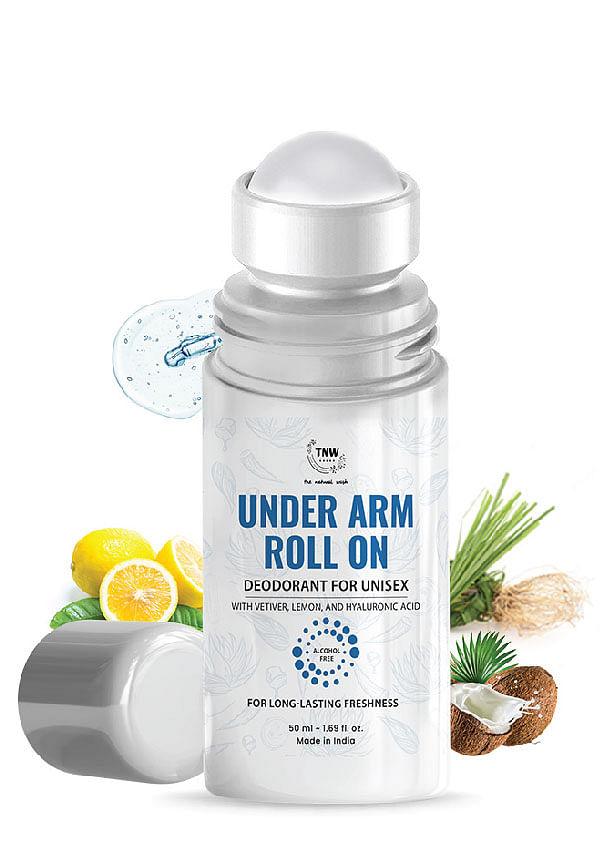 50 ml
50 mlUnderarm Roll-On Deodorant - Unisex
The key is consistency and patience. Take photos to track your progress because changes happen gradually, and it's easy to forget where you started. If you're not seeing any improvement after 8-10 weeks of consistent treatment, it might be time to consult a dermatologist.
Platforms like Smytten make it easier to try different products without committing to full sizes. With over 1,500 trusted brands and the ability to get up to 8 minis for just ₹249, you can experiment with various gentle underarm whitening products to find what works best for your skin. The 100% cashback on trial purchases means you can explore options from brands like Cetaphil and Dot & Key risk-free.
In many cases, yes—especially if the darkening is due to external factors like friction or product irritation. However, if it's related to underlying conditions like insulin resistance, you might see significant improvement but not complete reversal without addressing the root cause.
Start with gentle ingredients like niacinamide or natural remedies like diluted lemon juice mixed with soothing ingredients. Always patch test first, introduce one new product at a time, and listen to your skin—if it feels irritated, take a break.
Consistency beats speed every time. A combination of gentle exfoliation (1-2 times per week), daily moisturising, and targeted treatment with proven ingredients like niacinamide or arbutin will give you the best results without damaging your skin.
Some products can work for both, but underarm skin is different—it's more prone to friction and has different pH levels. Products specifically formulated for body use or sensitive areas are often better choices.
Focus on prevention: wear breathable clothing, use gentle hair removal methods, choose mild deodorants, and maintain a simple skincare routine for your underarms. Address any underlying health conditions that might contribute to darkening.
Fading underarm hyperpigmentation doesn't have to involve harsh treatments that leave your skin feeling raw and irritated. The gentlest approach often yields the best long-term results—it just requires patience and consistency.
Remember that everyone's skin is different, and what works for your friend might not work for you. That's where trial and discovery become invaluable. With Smytten's extensive range of skincare products from trusted brands, you can explore different underarm hyperpigmentation treatment options without the financial risk of buying full-size products that might not suit your skin.
The journey to brighter underarms is a marathon, not a sprint. Focus on gentle, consistent care, make lifestyle adjustments where needed, and don't be afraid to seek professional help if you're not seeing results. Your underarms deserve the same love and attention as the rest of your skin—treat them kindly, and they'll thank you for it.
