How to Create Soothing Natural Bath Scents at Home

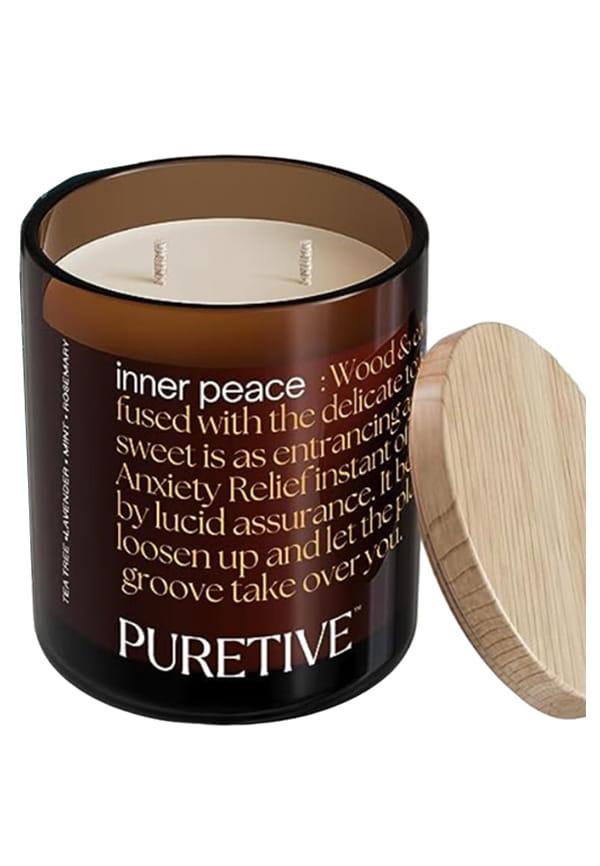 480 gm
Scented Candle, Inner Peace Scented Aroma Therapy Candle
Let's be real—there's nothing quite like sinking into a warm bath after a long day, especially when it's filled with natural relaxing bath scents that transport you straight to spa mode. Creating your own soothing aromatherapy bath at home isn't just about luxury; it's about crafting a personal sanctuary where stress melts away and your mind finds peace. The best part? You don't need fancy products or a massive budget to transform your bathroom into a calming retreat. With a few simple ingredients and some creativity, you can discover the art of natural bath fragrance that rivals any expensive spa treatment.
When we talk about natural relaxing bath scents, we're diving into a world where Mother Nature provides all the ingredients for your perfect soothing bath. Unlike synthetic fragrances that can irritate sensitive skin or trigger headaches, natural bath products work with your body's chemistry to promote genuine relaxation.
Natural bath fragrances come from plants, flowers, herbs, and essential oils—no lab-created chemicals in sight. These ingredients have been used for centuries in traditional bath rituals across cultures, and there's solid science backing their effectiveness.
The key difference lies in how these scents interact with your nervous system. Natural calming scents contain compounds that directly influence your brain's limbic system, the area responsible for emotions and memory. This is why a whiff of lavender can instantly make you feel more relaxed—it's not just in your head!
Your nose is basically a direct highway to your brain, and when you create an aromatherapy bath, you're using this connection to hack your stress response. Essential oils for bath contain volatile compounds that, when inhaled, trigger the release of neurotransmitters like serotonin and endorphins.
Research shows that certain natural bath scents can lower cortisol levels, reduce heart rate, and even improve sleep quality. It's like having a natural pharmacy right in your bathroom cabinet.
Think of essential oils as the building blocks of your perfect relaxing bath experience. Each oil brings its own personality to the mix, and learning to blend them is where the real magic happens.
Lavender is the undisputed queen of calming bath scents. This purple powerhouse has been scientifically proven to reduce anxiety and promote better sleep. Just a few drops can transform your ordinary bath into a sleep-inducing sanctuary.
Roman Chamomile brings gentle, apple-like sweetness that's perfect for sensitive skin. It's particularly brilliant for evening bath rituals when you want to unwind without overstimulation.
Ylang-ylang offers exotic floral notes that help balance emotions and reduce stress. Its rich, tropical scent makes every bath feel like a mini holiday.
Here's where many people go wrong—never add essential oils directly to bath water. They'll just float on top and potentially irritate your skin. Instead, mix 6-8 drops with a carrier oil like sweet almond or jojoba oil first.
Always do a patch test before your first full bath, especially if you have sensitive skin. Start with fewer drops and gradually increase as you discover your perfect concentration.
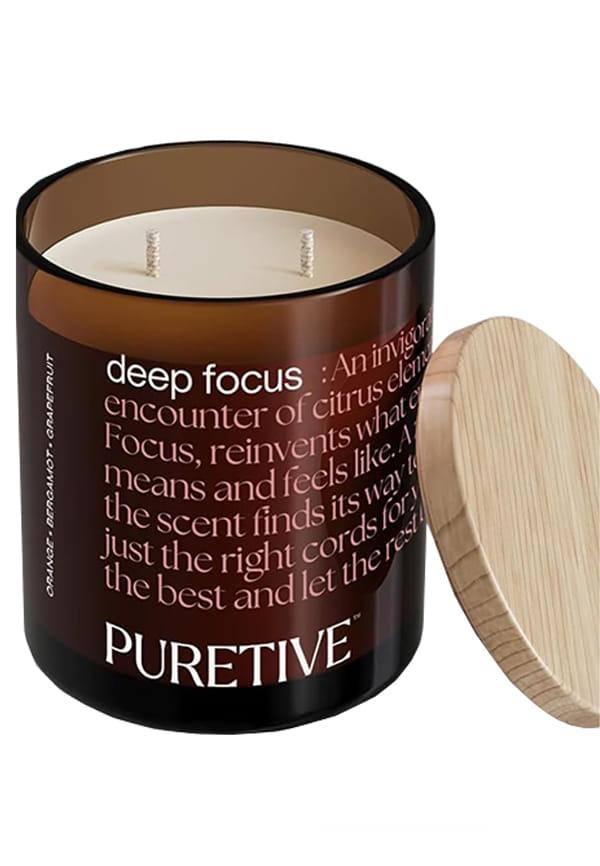 480 gm
DeepFocus Scented Aromatherapy Candle
The fun really begins when you start mixing oils to create custom scents. Try this beginner-friendly relaxation blend: 3 drops lavender, 2 drops chamomile, and 1 drop bergamot mixed with a tablespoon of carrier oil. It's like having your personal aromatherapist on speed dial.
Ready to get your hands dirty (or should we say, beautifully scented)? Creating your own natural bath products is easier than you might think, and the results are often better than anything you can buy.
Bath salts are your gateway drug to the world of DIY bath products. Start with 1 cup of Epsom salts, add 10-15 drops of your chosen essential oils, and mix thoroughly. Store in an airtight jar, and you've got enough for several luxurious soaks.
For something extra special, try mixing different salt types. Combine Epsom salts with Dead Sea salt for mineral richness, or add a handful of Himalayan pink salt for its gorgeous colour and detoxifying properties.
Dried herbs bring a gentle, earthy dimension to your soothing bath that essential oils alone can't match. Lavender buds, chamomile flowers, and rose petals are classics for good reason—they smell divine and offer skin-loving benefits.
Create herb sachets using muslin bags or even clean old stockings. This keeps your drain happy whilst letting the herbs infuse your bath water with their natural goodness. Fresh mint leaves in a sachet can turn your morning bath into an energising ritual that beats any cup of coffee.
Bath oils are like liquid silk for your skin. Mix equal parts sweet almond oil and jojoba oil, add your favourite essential oils, and you've created a moisturising bath treatment that leaves your skin soft for days.
Milk baths aren't just for Cleopatra—they're brilliant for dry or irritated skin. Mix powdered milk with oatmeal and a touch of honey for a nourishing soak that's gentle enough for sensitive skin.
Your natural relaxing bath scents deserve the perfect setting. Creating the right atmosphere amplifies the benefits of your carefully chosen aromatherapy bath ingredients.
Water temperature matters more than you might think. Aim for 37-39°C—hot enough to help essential oils disperse but not so hot that you emerge looking like a lobster. Add your natural bath products just before you get in to preserve their potency.
Dim the lights, light a candle (unscented, so it doesn't compete with your carefully crafted bath fragrance), and put your phone in another room. This is your time to disconnect and reconnect with yourself.
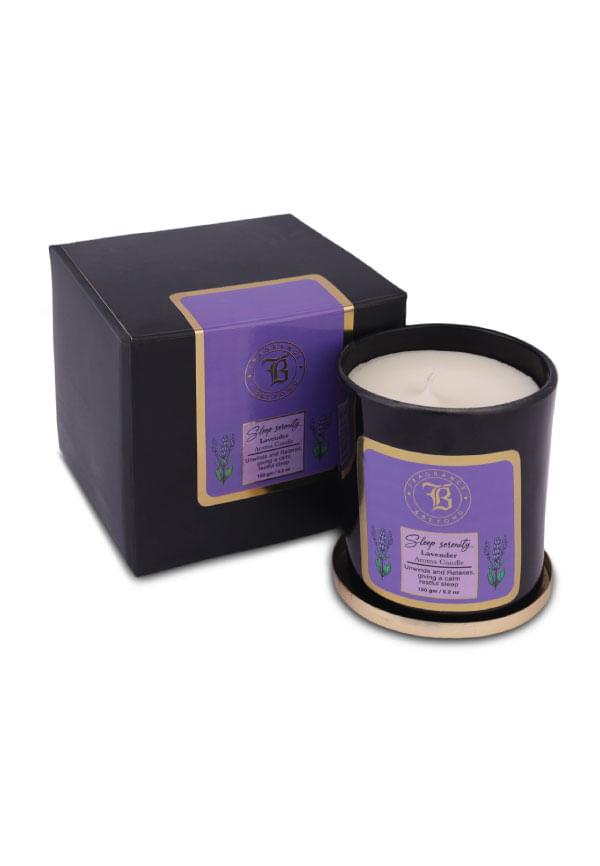 150 gm
Aromatherapy Sleep Serenity Soy Candle Lavender
Consider adding elements that engage all your senses. Soft music or nature sounds can deepen relaxation, whilst a cool flannel on your forehead during a warm soak can be incredibly soothing.
Keep a glass of water nearby—staying hydrated during your bath ritual helps your body process the relaxation benefits more effectively.
Every culture has discovered the power of natural bath scents in their own way. Japanese hinoki cypress baths use the wood's natural oils to create a forest-like atmosphere that promotes deep meditation and stress relief.
Ayurvedic traditions from India combine specific herbs based on your body type and current needs. Neem and turmeric for purification, sandalwood for cooling, or ginger for warming—each combination serves a purpose beyond just smelling lovely.
European lavender traditions involve harvesting the flowers at peak potency and drying them slowly to preserve their essential oils. You can recreate this by buying high-quality dried lavender and storing it properly in airtight containers away from light.
Adapt your calming bath scents to match the seasons. Spring calls for fresh, green scents like eucalyptus and mint. Summer loves citrus and floral combinations. Autumn embraces warming spices like cinnamon and clove, whilst winter craves grounding scents like sandalwood and frankincense.
Even the best-planned aromatherapy bath can hit a few snags. Here's how to solve the most common issues and keep your bath rituals running smoothly.
If your bath scents seem weak, you might be adding them to water that's too hot, which causes the volatile oils to evaporate quickly. Try adding them to slightly cooler water or increasing the amount gradually.
Skin irritation usually means you're using too much essential oil or not diluting properly. Always err on the side of caution—you can always add more, but you can't take it back once you're in the bath.
Pregnant women should avoid certain essential oils like clary sage and rosemary. When in doubt, stick to gentle options like lavender and chamomile, and always consult your healthcare provider.
Children need much more diluted concentrations—half the amount you'd use for adults is a good starting point. Some oils, like eucalyptus, are too strong for young children altogether.
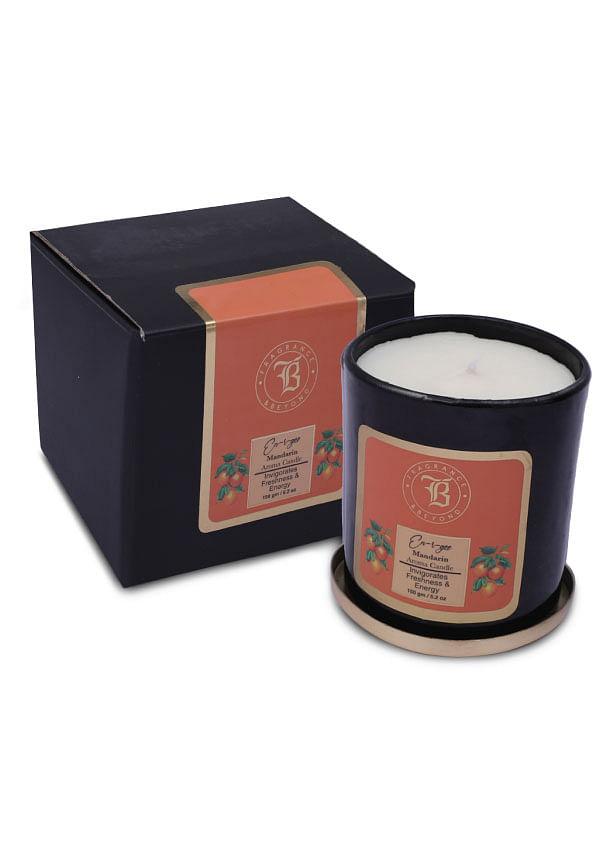 150 gm
Aromatherapy Energising Soy Candle Mandarin
Store your homemade natural bath products in dark glass containers away from heat and light. Most DIY bath salts last 6-12 months, whilst bath oils should be used within 6 months for best results.
Label everything with dates and ingredients—your future self will thank you when you're trying to remember what made that amazing lavender blend so special.
While you're experimenting with creating your own natural relaxing bath scents, you might also want to explore ready-made options to compare and inspire your DIY efforts. Smytten offers curated trial packs from over 1,500 trusted brands, including natural bath and body products that can give you ideas for your homemade creations. With trial minis available for just ₹249, you can discover new scent combinations and ingredients without committing to full-size products, making it easier to find inspiration for your perfect aromatherapy bath ritual.
Start with lavender, chamomile, and vanilla—they're gentle, widely loved, and have low risk of causing skin sensitivity. These classic scents are perfect for building confidence before experimenting with more complex blends.
Use 6-8 drops of essential oil mixed with a carrier oil like sweet almond or jojoba. Never add undiluted essential oils directly to bath water as they can cause skin irritation and won't disperse properly.
Yes, but always use herb sachets to prevent clogging your drain. Fresh herbs can be more potent than dried, so start with smaller quantities and adjust based on your preference.
Bath oils are pre-diluted blends ready to add directly to your bath, whilst essential oils are concentrated and require dilution with carrier oils before use. Bath oils are more convenient, but essential oils offer more customisation options.
Add scents to warm rather than hot water, use high-quality ingredients, and consider layering with matching body products after your bath. The scent will linger longer on moisturised skin.
Generally yes, but always patch test first. Stick to gentle options like chamomile and oatmeal-based products, and avoid citrus oils which can be more irritating. Start with lower concentrations and gradually increase as your skin adapts.
Creating natural relaxing bath scents at home is one of those simple pleasures that can genuinely transform your daily routine. Whether you're blending essential oils for the first time or perfecting your signature aromatherapy bath recipe, remember that the best soothing bath is the one that makes you feel completely at peace.
Start simple with a basic lavender and Epsom salt combination, then let your creativity guide you as you discover which natural bath products work best for your skin and mood. The beauty of DIY bath rituals lies not just in the money you'll save, but in the mindful process of creating something beautiful and beneficial with your own hands.
Your perfect calming bath scents are waiting to be discovered—sometimes the most luxurious experiences are the ones we create ourselves, one drop of essential oil at a time.
