How to Choose the Best Plant Based Soap Easily
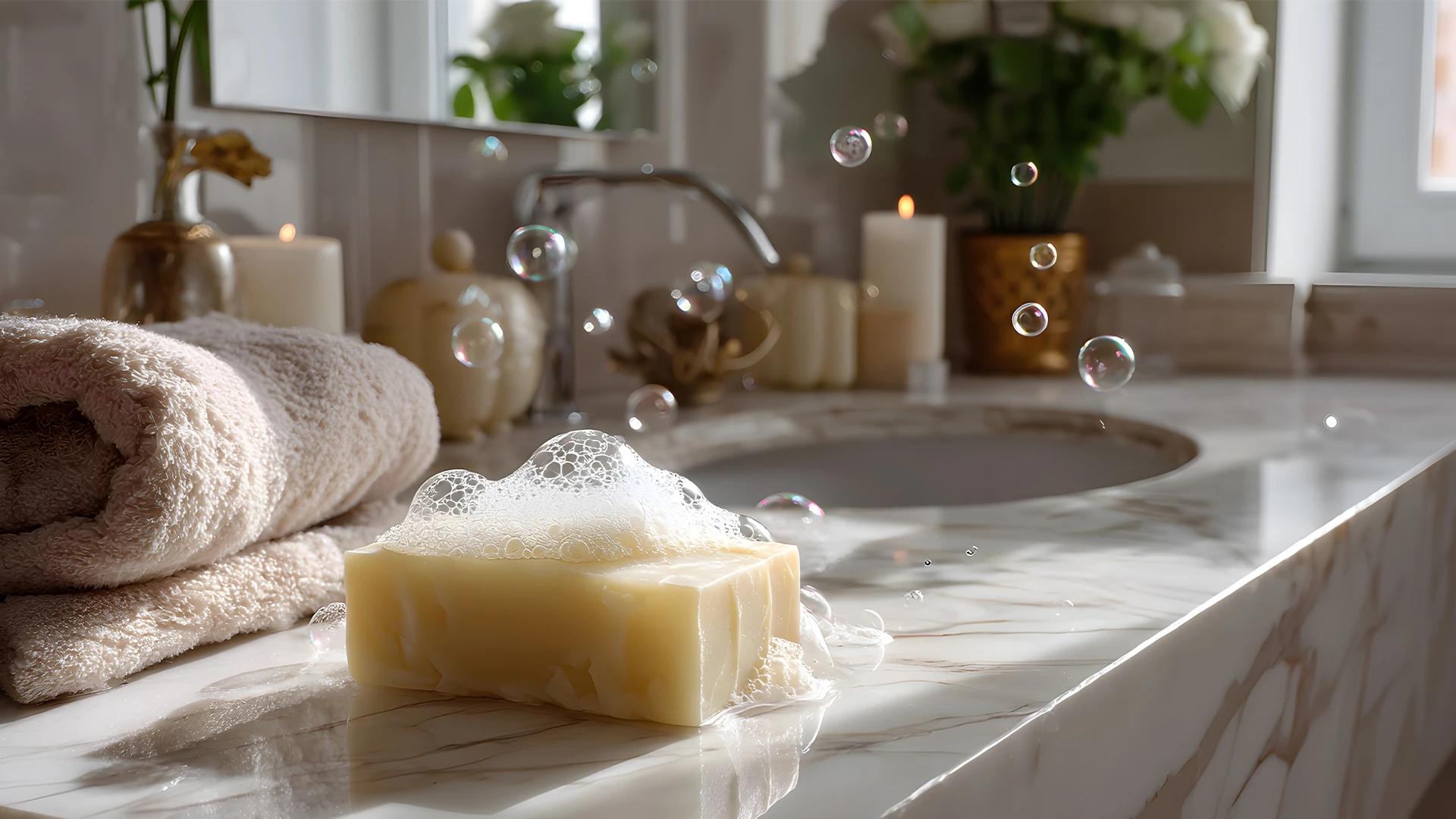

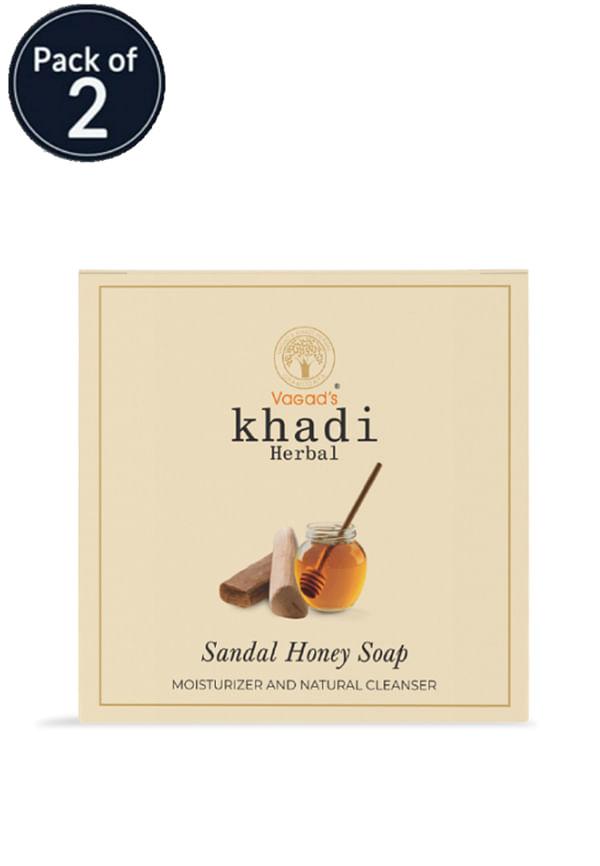 2*100 gm
Sandal & Honey Soap
Let's be real—the soap aisle can feel overwhelming these days. With everyone talking about clean beauty and sustainable living, plant-based soaps have become the new must-try. But here's the thing: not all best plant based soap options are created equal. Some are genuinely brilliant for your skin and the planet, while others are just clever marketing wrapped around the same old formula. If you're tired of guessing which bar will actually deliver on its promises, you're in the right place. We're breaking down everything you need to know to find your perfect plant-based match—no chemistry degree required.
Before diving into the shopping spree, let's sort out what actually counts as plant-based. It's not just about slapping a green leaf on the packaging—there's real science behind what makes these soaps different from your average drugstore bar.
The magic happens in the ingredient list. Look for natural soap bases like coconut oil, olive oil, and palm-free alternatives such as sustainably sourced shea butter. These create the cleansing action without stripping your skin bare. Essential oils from lavender, tea tree, or eucalyptus bring both fragrance and therapeutic benefits. Organic soap formulations often include botanical extracts like chamomile or calendula, which are worth obsessing over if you've got sensitive skin. Saponified oils are your best friends here—they're what happens when plant oils meet lye in a controlled process, creating gentle cleansers that actually nourish while they clean.
Time for some real talk about what doesn't belong in your plant-based soap. Sodium lauryl sulfate (SLS) and its cousins might create that satisfying lather, but they're synthetic detergents that can leave your skin feeling tight. Animal-derived ingredients like tallow or lanolin are obvious no-gos for plant-based products. Watch out for sneaky chemicals hiding behind fancy names—if you can't pronounce it and it sounds like it belongs in a lab, it probably doesn't belong on your skin. Parabens, synthetic fragrances, and artificial colours are the usual suspects that turn a potentially brilliant soap into just another chemical cocktail.
Switching to plant-based isn't just about following trends—there are genuine perks that might just make this your new obsession. Let's break down why your skin (and conscience) will thank you.
If your skin throws tantrums at the slightest provocation, soap for sensitive skin made from plants could be your saving grace. Plant-based surfactants are naturally milder than their synthetic counterparts, meaning less irritation and redness. Ingredients like oatmeal, aloe vera, and chamomile have been soothing cranky skin for centuries—there's a reason grandmothers swear by these remedies. The pH levels in quality plant-based soaps tend to be closer to your skin's natural balance, which means your protective barrier stays intact instead of getting disrupted every time you wash.
Choosing eco friendly soap and sustainable soap options means you're voting with your wallet for a cleaner planet. These formulations biodegrade naturally, so they won't hang around in waterways causing havoc. Cruelty free soap ensures no furry friends suffered for your cleanliness routine—a win-win that feels good inside and out. Many plant-based brands also focus on ethical sourcing, supporting communities that grow the botanical ingredients. It's like getting clean while doing a tiny bit of good for the world.
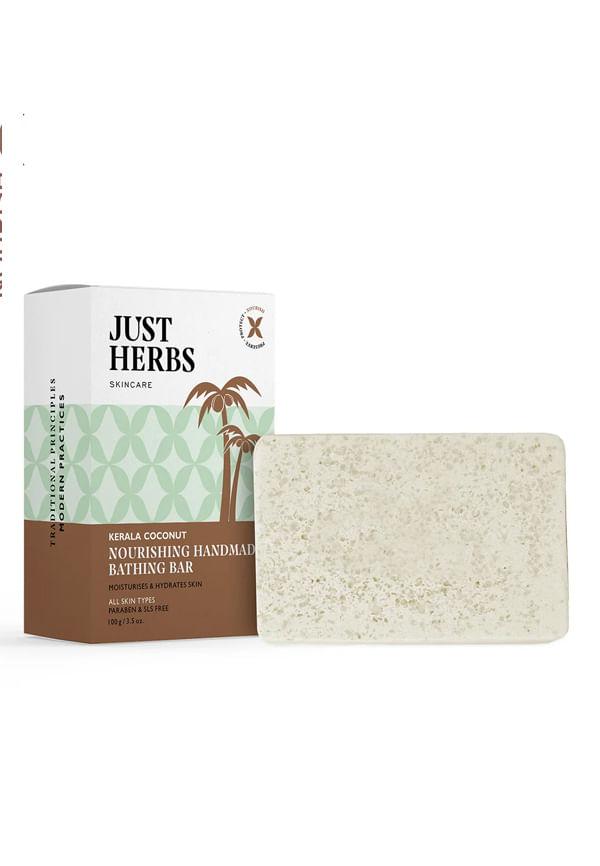 100 gm
Kerala Coconut Bathing Bar
Not all skin is created equal, and your soap choice should reflect that. Here's how to match your skin's personality with the right plant-based formula.
If your skin feels like parchment paper after washing, look for soaps packed with moisturising plant oils. Shea butter, olive oil, and coconut oil are your allies here. Handmade soap often contains higher concentrations of these nourishing ingredients because artisans aren't cutting corners to maximise profits. Avoid anything with strong essential oils or exfoliating particles—your skin needs gentle TLC, not a scrubbing session. Unscented or mildly scented options with chamomile or calendula are worth a try.
Contrary to what you might think, oily skin still needs moisture—just the right kind. Botanical soap with tea tree oil, neem, or activated charcoal can help balance oil production without over-drying. These ingredients have natural antibacterial properties that might help keep breakouts at bay. Look for soaps that cleanse thoroughly but don't leave your skin feeling squeaky clean—that tight feeling usually means you've stripped away too much of your natural oils, which can actually trigger more oil production.
Lucky you—normal skin can handle most plant-based formulations without drama. This is your chance to experiment with different botanical blends and find what feels best. Gentle daily-use formulas with a mix of cleansing and moisturising ingredients will keep your skin happy without causing any fuss.
The eternal bathroom debate—bar soap or liquid? When it comes to plant-based options, both have their merits, but there are some key differences worth considering.
Plant based body wash often feels more luxurious and spreads easily, but bar soaps typically contain higher concentrations of active ingredients. Bars also tend to last longer and create less packaging waste—a point for team sustainability. Liquid formulations might be gentler for very sensitive skin since they often contain fewer preservatives and stabilisers than you'd expect. However, quality plant-based bars can be just as gentle when formulated properly.
Bars win hands-down for travel—no liquid restrictions, no spill risks, and they take up minimal space. They're also more cost-effective in the long run since a good bar can outlast several bottles of body wash. Body washes might be more hygienic for shared bathrooms since there's no bar sitting in soap scum, and they're easier to use with loofahs or washcloths.
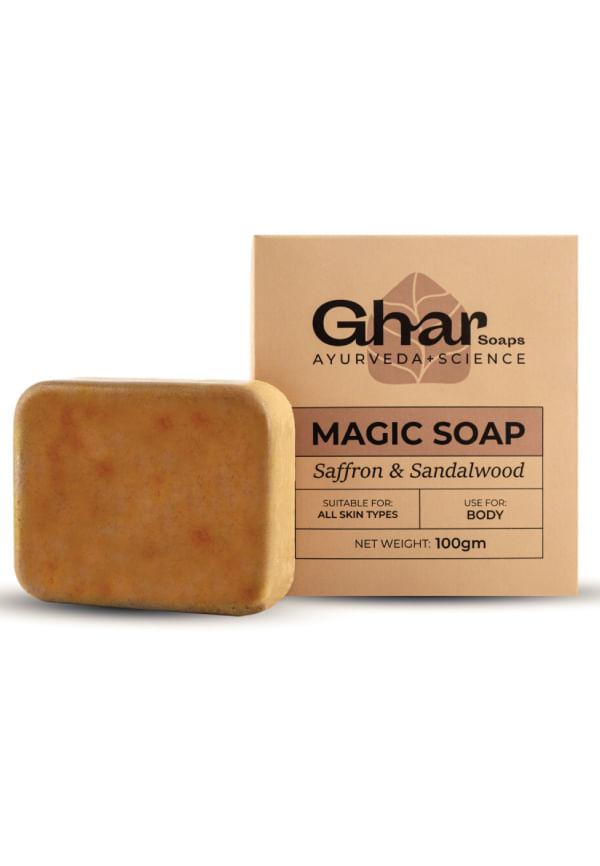 100 gm
Sandal Wood And Saffron Bath Soap Bar
The world of plant-based soaps is beautifully diverse, with options ranging from ancient Ayurvedic formulations to modern artisan creations. Here's what's worth exploring.
Ayurvedic soaps bring centuries of wisdom to your daily routine. Ingredients like turmeric, neem, and sandalwood have been trusted for generations to cleanse and nourish skin. These formulations often focus on balancing your skin's natural state rather than just cleaning. Traditional recipes tend to be gentler and more holistic in their approach, making them brilliant options if you're looking for something that works with your skin rather than against it.
Vegan soap goes beyond just being plant-based—it ensures no animal products or by-products were used anywhere in the process. Look for certifications from recognised bodies like The Vegan Society or Leaping Bunny to be sure you're getting the real deal. Some brands might be plant-based but still use animal-derived glycerin or processing aids, so certification takes the guesswork out of your shopping.
Artisan handmade soap often contains higher quality ingredients and more attention to detail, but commercial plant-based options can offer consistency and accessibility. Handmade soaps might have slight variations between batches, which some people love for the artisanal feel. Commercial options are usually more widely available and often undergo more rigorous testing, which can be reassuring if you have very sensitive skin.
Now that you know what to look for, let's talk about where to find these gems and how to avoid the duds.
Ingredient transparency is everything. The best brands list everything clearly, often explaining what each ingredient does. Look for certifications like COSMOS, USDA Organic, or local organic standards that verify the claims. Expiration dates matter more with natural products since they don't contain synthetic preservatives. Fresh is best, so check those dates and storage recommendations.
Online shopping gives you access to reviews and detailed ingredient lists, plus you can easily compare options. However, you can't smell or feel the product before buying, which matters with soap. In-store shopping lets you examine the product physically, but selection might be limited. Many stores now offer sample sizes or trial packs—definitely worth trying before committing to a full-size bar.
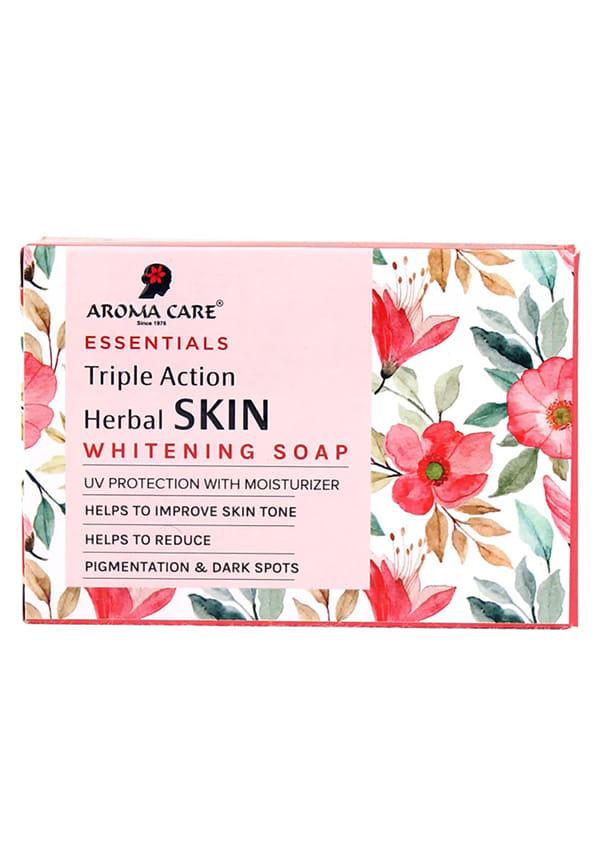 75 gm
75 gmHerbal Skin whitening Soap
Quality plant-based soaps typically cost more upfront than conventional options, but they often last longer and provide better value per use. A ₹200 artisan bar that lasts two months beats a ₹50 bar that's gone in two weeks and leaves your skin feeling rough. Consider the cost per wash rather than just the upfront price—sometimes the pricier option actually saves money in the long run.
The healthiest soap depends on your skin type, but generally, plant-based options with minimal ingredients and no harsh chemicals are your safest bet. Look for soaps with organic certifications and gentle surfactants derived from coconut or olive oil.
Absolutely. Plant-based soaps are typically gentler on skin, free from harsh synthetic chemicals, and often contain nourishing ingredients like natural oils and botanical extracts. They're particularly beneficial for sensitive skin types.
Soaps with natural ingredients like shea butter, olive oil, coconut oil, and gentle essential oils work brilliantly for most skin types. Avoid anything with sulfates, parabens, or synthetic fragrances for the most natural approach.
For eczema-prone skin, look for unscented soaps with oatmeal, shea butter, or calendula. These ingredients are known for their soothing properties. Always patch test first and consult with a dermatologist for severe cases.
A typical plant-based soap bar lasts 4-6 weeks with daily use, depending on size and how you store it. Keep them dry between uses to extend their life. Natural soaps without synthetic preservatives typically have a shelf life of 1-2 years.
Yes, plant-based soaps clean just as effectively as conventional soaps. The saponification process that creates soap from plant oils produces the same cleansing action as synthetic detergents, often with added moisturising benefits.
Choosing the best plant based soap doesn't have to feel like solving a puzzle. Focus on your skin's needs, read those ingredient lists, and don't be afraid to try something new. The beauty of plant-based options is that they're generally gentler, so experimenting is less risky than with harsh chemical formulations. Smytten makes this exploration even easier with curated trial packs from trusted brands, letting you discover your perfect plant-based match without the commitment of full-size purchases. With over 1,500 brands available and the option to try up to 8 minis for just ₹249, you can explore different formulations until you find the one that makes your skin genuinely happy. Plus, with 100% cashback on trial purchases, discovering your new favourite soap becomes both affordable and rewarding. After all, why settle for maybe when you can try it all and find what actually works for your skin?
