How to Choose the Best Lotion for Parched Skin

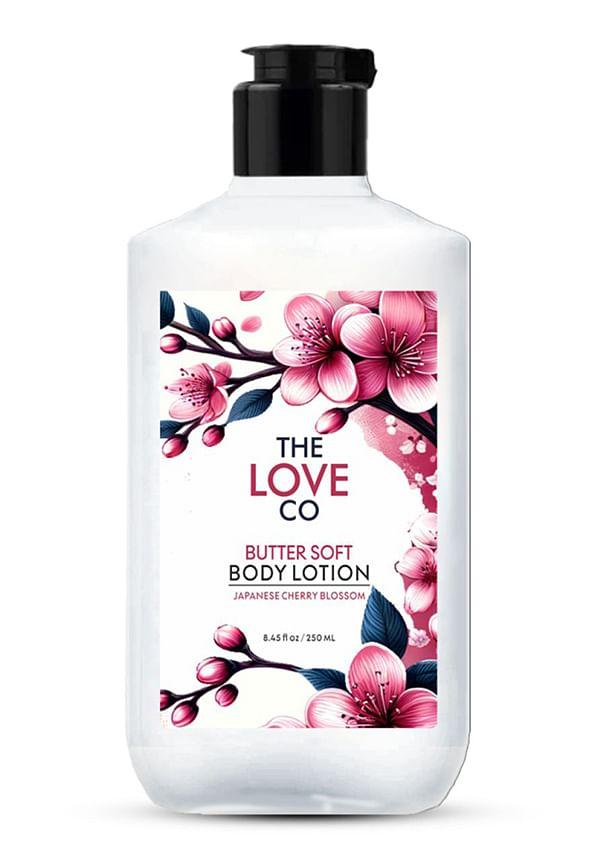 250 ml
Butter Soft Body Lotion - Deep Hydration for Dry skin
When your skin feels tight, flaky, and uncomfortable, you're dealing with more than just regular dryness—you've got parched skin on your hands. Unlike everyday dry skin that responds well to basic moisturisers, parched skin needs serious intervention with the right formulations. Finding the best lotion for parched skin isn't just about grabbing any moisturiser off the shelf; it's about understanding what your skin barrier actually needs to heal and protect itself. Let's dive into everything you need to know to choose a lotion that'll transform your skin from desert-dry to properly hydrated.
Parched skin goes beyond the occasional tight feeling after a shower. It's when your skin barrier is genuinely compromised, leading to persistent dryness, flaking, and sometimes even cracking. This happens when your skin loses its ability to retain moisture effectively, often due to environmental factors, harsh skincare routines, or underlying conditions.
The main culprits behind parched skin include cold weather, low humidity, over-cleansing with harsh soaps, hot showers, and certain medical conditions like eczema or dermatitis. Age also plays a role—as we get older, our skin naturally produces less oil, making it harder to maintain that protective barrier. Understanding these causes helps you choose the right dry skin lotion that addresses your specific triggers.
Real talk—if your regular body lotion isn't cutting it anymore, your skin might be telling you it needs something stronger. Look out for persistent flaking, rough patches that don't smooth out with regular moisturising, or areas that feel tight even after applying lotion.
When you're shopping for an intense moisturizer, the ingredient list is where the magic happens. Not all moisturising ingredients work the same way, and understanding the different types helps you pick products that'll actually make a difference.
These clever ingredients pull moisture from the environment into your skin. Hyaluronic acid is the superstar here—it can hold up to 1,000 times its weight in water. Glycerin and sodium PCA are also brilliant humectants that help your skin drink up moisture and hold onto it.
Ceramides are absolute game-changers for parched skin because they help rebuild your skin's natural barrier. Squalane, jojoba oil, and other natural oils work similarly, filling in the gaps between skin cells to create a smoother, more protected surface.
Think of these as your skin's protective blanket. Ingredients like petrolatum, dimethicone, and shea butter create a barrier on your skin's surface that prevents water loss. They're particularly brilliant for very dry areas like elbows and knees.
Urea and lactic acid are gentle exfoliants that help remove dead skin cells whilst adding moisture. Niacinamide is another winner—it helps strengthen your skin barrier and can reduce inflammation. These ingredients turn a regular hydrating body lotion into something that actively repairs your skin.
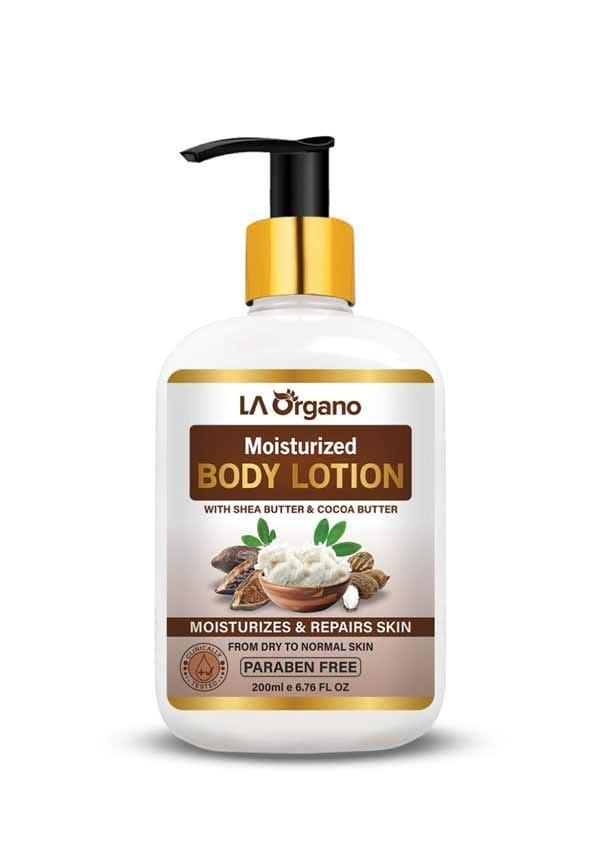 200 ml
Body Lotion For Dry To Normal Skin
Not all parched skin is the same, and your perfect lotion for very dry skin depends on your specific situation. If you're dealing with conditions like eczema, you'll need an eczema lotion that's fragrance-free and hypoallergenic to avoid triggering flare-ups.
For sensitive skin, patch testing is your best friend. Apply a small amount of any new product to your inner wrist and wait 24 hours to see if any irritation develops. It's worth the wait to avoid a full-body reaction.
Thicker doesn't always mean better, but for truly parched skin, you often need something with more staying power than a lightweight lotion. Creams and ointments typically provide better moisture retention, whilst lighter lotions work well for daily maintenance once your skin barrier is restored.
Your environment plays a huge role in what type of best body moisturizer you need. In humid climates, a lighter formula with good humectants might be perfect. In dry or cold conditions, you'll likely need something heavier with more occlusive ingredients.
Even the best skin repair lotion won't work properly if you're not applying it correctly. The golden rule for parched skin is to apply your moisturiser to slightly damp skin—this helps trap extra moisture and makes your lotion work harder.
Timing is everything. The best moments to moisturise are right after showering (whilst your skin is still damp), before bed, and first thing in the morning. For severely parched skin, you might need to apply your soothing lotion three times a day until your skin barrier recovers.
Some areas of your body are naturally drier than others. Elbows, knees, heels, and hands often need extra attention because the skin is thicker and loses moisture more quickly. Don't forget these spots when applying your moisturiser.
For extremely dry skin, layering can be brilliant. Start with a hydrating serum or oil on damp skin, then follow with your regular moisturiser. This technique helps lock in multiple layers of hydration.
When you're looking for a lotion for cracked skin, understanding the difference between lotions, creams, and ointments helps you make the right choice. Lotions are lighter and absorb quickly, making them perfect for daily use on mildly dry skin.
Creams are thicker and provide more intensive moisture, whilst ointments are the heaviest option—brilliant for very dry or cracked areas but can feel greasy. A good moisturizing cream often strikes the perfect balance between effectiveness and comfort.
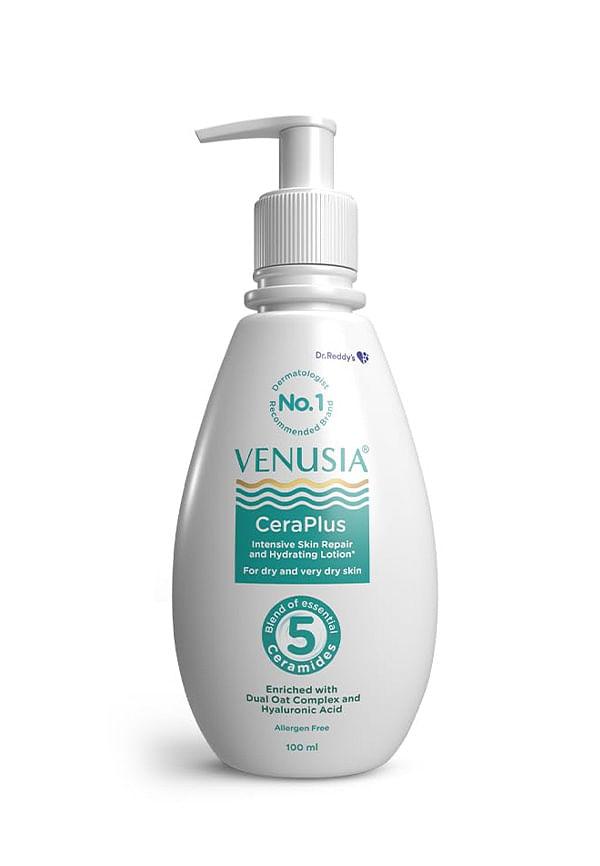 100 ml
Ceraplus Lotion for Dry Skin 5 Essential Ceramides for Deep moisturization barrier repair
Sometimes, parched skin needs professional-strength help. Medical-grade moisturisers often contain higher concentrations of active ingredients and undergo more rigorous testing. However, many over-the-counter options contain the same key ingredients and can be just as effective.
You don't need to spend a fortune to find an effective moisturiser. Many affordable options contain excellent ingredients like ceramides, hyaluronic acid, and glycerin. The key is reading ingredient lists rather than focusing on price tags.
Certain conditions require specific approaches to moisturising. If you have eczema, psoriasis, or dermatitis, your skin needs extra-gentle formulations that won't trigger inflammation. Look for products specifically designed for sensitive or compromised skin barriers.
Pregnancy can also change your skin's needs due to hormonal fluctuations. Some women find their skin becomes much drier during pregnancy, requiring a switch to more intensive moisturising routines.
As we age, our skin produces less natural oil, making it more prone to dryness. Mature skin often benefits from richer formulations with ingredients like ceramides and peptides that support skin barrier function.
Your skin's needs change with the seasons. Winter often requires heavier, more protective formulations, whilst summer might call for lighter options that won't feel sticky in humidity. Having different products for different seasons isn't excessive—it's smart skincare.
One of the biggest mistakes people make is over-cleansing with harsh soaps that strip away natural oils. If your skin is already parched, gentle, fragrance-free cleansers are essential. Hot showers might feel lovely, but they can worsen dry skin—stick to lukewarm water instead.
Another common error is applying moisturiser to completely dry skin. Your skin absorbs moisture better when it's slightly damp, so don't towel off completely before applying your lotion.
Skipping moisturiser when your skin feels okay is a recipe for the dryness to return. Consistent application helps maintain your skin barrier and prevents parched skin from coming back.
Some ingredients don't play well together. For example, using products with high concentrations of acids alongside retinoids can cause irritation. If you're using multiple skincare products, research potential interactions.
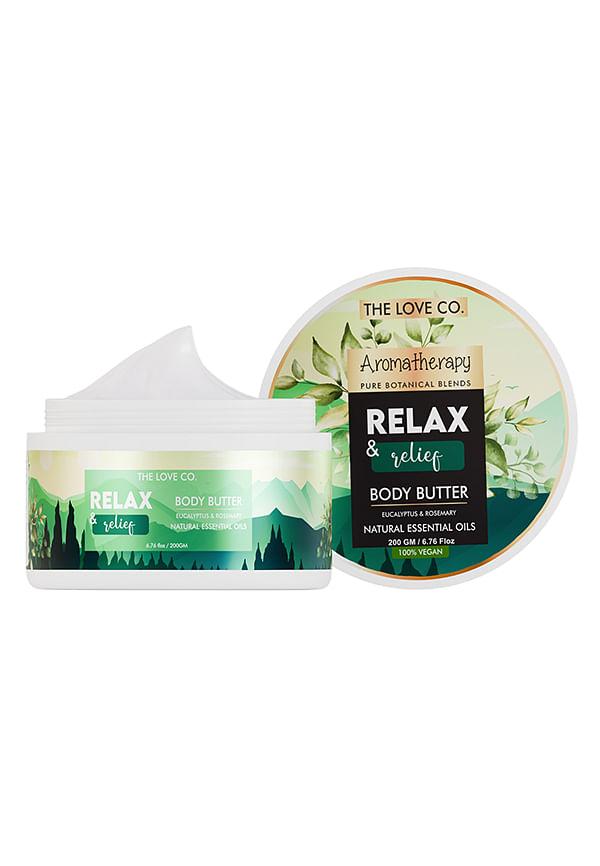 200 gm
Aromatherapy Relax & Relief Body Butter
With over 1,500 trusted brands available through platforms like Smytten, finding your ideal moisturiser doesn't have to involve expensive trial and error. Smytten's curated trial packs let you test products from brands like Cetaphil and Dot & Key before committing to full-size purchases. You can explore up to 8 minis for just ₹249, with 100% cashback redeemable for future orders—making it easier to discover what works for your parched skin without the financial risk.
The beauty of trying before buying is that you can test how different formulations feel on your skin, how they absorb, and whether they provide lasting moisture. What works for your friend might not work for you, and that's perfectly normal. Your skin is unique, and finding the right products often takes some experimentation.
For severely parched skin, apply moisturiser 2-3 times daily—after showering, before bed, and in the morning. Once your skin barrier improves, you can often reduce this to twice daily for maintenance.
Whilst face moisturisers are often more expensive, they're typically gentler and can work well on sensitive body areas. However, body-specific formulations are usually more cost-effective for larger areas.
With consistent use of the right products, you should notice improvement within a week. However, fully restoring a compromised skin barrier can take several weeks of dedicated care.
Gentle exfoliation can help, but avoid harsh scrubs. Look for moisturisers with gentle exfoliating ingredients like lactic acid or urea that remove dead skin whilst adding moisture.
Slight tingling from ingredients like urea is normal, but stinging or burning suggests your skin barrier is severely compromised or you're having a reaction. Switch to a gentler, fragrance-free formula.
Choosing the best lotion for parched skin comes down to understanding your skin's specific needs and finding products with the right combination of humectants, emollients, and occlusives. Don't be afraid to try different formulations—what works for others might not work for you, and that's completely normal.
Remember that consistency matters more than perfection. A good moisturising routine, applied regularly to slightly damp skin, will always beat sporadic use of even the most expensive products. With platforms like Smytten making it easier to try products before committing, there's no reason to settle for skin that feels uncomfortable. Your skin deserves products that actually work, and with the right approach, you can find them without breaking the bank.
