How to Choose the Best Body Lotion Ingredients for Hydration


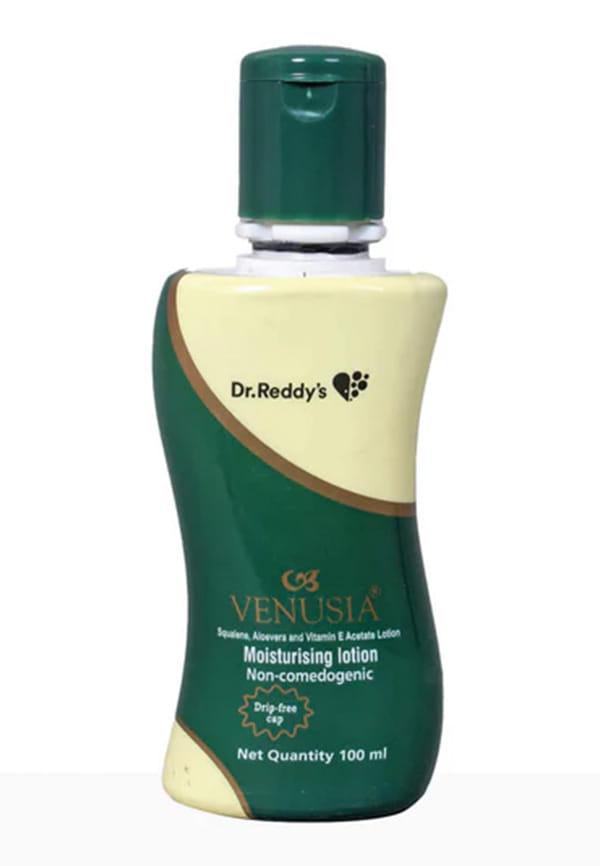 100 gm
Moisturizing Lotion for Normal Skin with natural Aloe Vera
Let's be real—choosing the right body lotion can feel like navigating a chemistry textbook. With ingredient lists longer than your grocery shopping list, it's easy to get overwhelmed. But here's the thing: understanding the best body lotion ingredients doesn't require a science degree. It just needs someone to break it down in a way that actually makes sense. Whether you're dealing with desert-dry skin or just want that soft, touchable glow, knowing which ingredients work (and which ones to dodge) can be a total game-changer. Think of this as your friendly guide to decoding those mysterious ingredient lists and finding formulas that actually deliver on their promises.
Your skin is basically a protective barrier that's constantly losing moisture to the environment. Think of it like a sponge that's slowly drying out throughout the day. This happens through a process called transepidermal water loss, where water evaporates from the deeper layers of your skin to the surface and then into the air. The magic happens when you understand how moisturising ingredients work to combat this natural process. Your skin barrier is made up of skin cells held together by lipids (fats), creating a protective wall. When this barrier is compromised—whether from harsh weather, over-cleansing, or just genetics—moisture escapes more easily, leaving you with that tight, uncomfortable feeling.
Every effective body lotion contains a combination of three types of ingredients. Humectants are like moisture magnets that pull water from the environment into your skin. Emollients fill in the gaps between skin cells, making everything feel smooth and soft. Occlusives create a protective seal on top of your skin to prevent water loss.
Not all skin is created equal, and lotion ingredients for dry skin might be too heavy for someone with naturally oily skin. Dry skin typically needs richer formulations with more occlusives, whilst oily skin benefits from lighter humectants that won't clog pores.
When you're scanning ingredient lists, these are the superstars you want to spot. Each category brings something different to the hydration party, and the best formulas combine all three for maximum effectiveness.
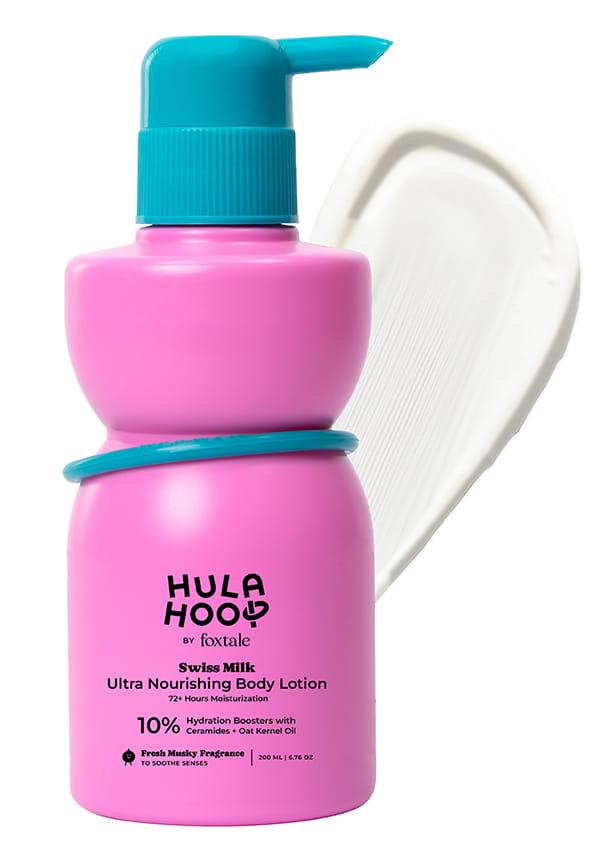 200 ml
Hula Hoop Ultra Nourishing Body Lotion by Foxtale | Hydrates & Repairs
Hyaluronic acid is the ultimate hydration hero that can hold up to 1,000 times its weight in water. It's like having a tiny reservoir in your skin that keeps releasing moisture throughout the day. Despite its intimidating name, it's actually incredibly gentle and suitable for all skin types. Glycerin is probably the most common humectant you'll find, and for good reason. It's cost-effective, well-researched, and genuinely effective at drawing moisture into your skin. Plus, it's been used in skincare for decades, so you know it's tried and tested. Sodium PCA is part of your skin's natural moisturising factor. It's particularly good at attracting moisture from the atmosphere, making it brilliant for humid climates or if you live somewhere with decent humidity levels.
Shea butter is rich in vitamins A, E, and F, making it one of the most nourishing ingredients you can find. It's particularly brilliant for rough areas like elbows and knees, where you need that extra bit of TLC. Avocado oil penetrates deeply thanks to its omega-3 fatty acids. It's one of those ingredients that doesn't just sit on top of your skin but actually gets absorbed, making it perfect for very dry or damaged skin. Squalane is a lightweight option that won't leave you feeling greasy. It's non-comedogenic, which means it won't clog your pores, making it suitable even for those prone to body breakouts.
Ceramides are lipids that naturally occur in your skin barrier. When you apply them topically, they help restore and strengthen your skin's protective function, making them particularly good for damaged or sensitive skin. Petrolatum might not sound glamorous, but it's actually the most effective occlusive ingredient available. It's particularly useful for very dry or cracked skin, though some people find it too heavy for everyday use. Dimethicone is a silicone-based ingredient that creates a lightweight barrier without feeling heavy or greasy. It's brilliant if you want protection without the sticky feeling.
If your skin tends to react to everything, natural lotion ingredients can be your best friends. These gentle options provide hydration without the risk of irritation that comes with some synthetic ingredients. Aloe vera is famous for its soothing properties, but it's also a decent humectant. It's particularly good if you have any inflammation or irritation, as it helps calm things down whilst providing moisture. Oatmeal extract contains compounds called avenanthramides that have anti-inflammatory properties. It's gentle enough for the most sensitive skin and provides a lovely, silky feel. Coconut oil has antimicrobial properties alongside its moisturising benefits. It's particularly good for dry, flaky skin, though it can be comedogenic for some people, so patch test first. Vitamin E acts as an antioxidant, protecting your skin from environmental damage whilst supporting the healing process. It's often combined with other oils to prevent them from going rancid. Chamomile extract is brilliant for reactive or sensitive skin. It has natural anti-inflammatory properties that can help calm redness and irritation. When it comes to organic versus synthetic ingredients, the truth is both can be effective. The key is choosing ingredients that work for your specific skin type and concerns, regardless of their origin.
Understanding lotion base ingredients helps you make sense of why some products work better than others. The base determines how the active ingredients are delivered to your skin and how the product feels when you apply it. Water-based formulations tend to be lighter and absorb more quickly, making them ideal for normal to oily skin or for use in humid climates. Oil-based formulations are richer and more nourishing, perfect for very dry skin or harsh weather conditions. Emulsifiers are the unsung heroes that allow oil and water to mix together in a stable formula. Without them, your lotion would separate into layers, making it impossible to apply evenly. Preservatives might not sound appealing, but they're essential for preventing harmful bacteria and mould from growing in your products. Modern preservatives are much gentler than older formulations whilst still being effective. pH balancers ensure your lotion matches your skin's natural acidity level, which helps maintain your skin barrier function and prevents irritation.
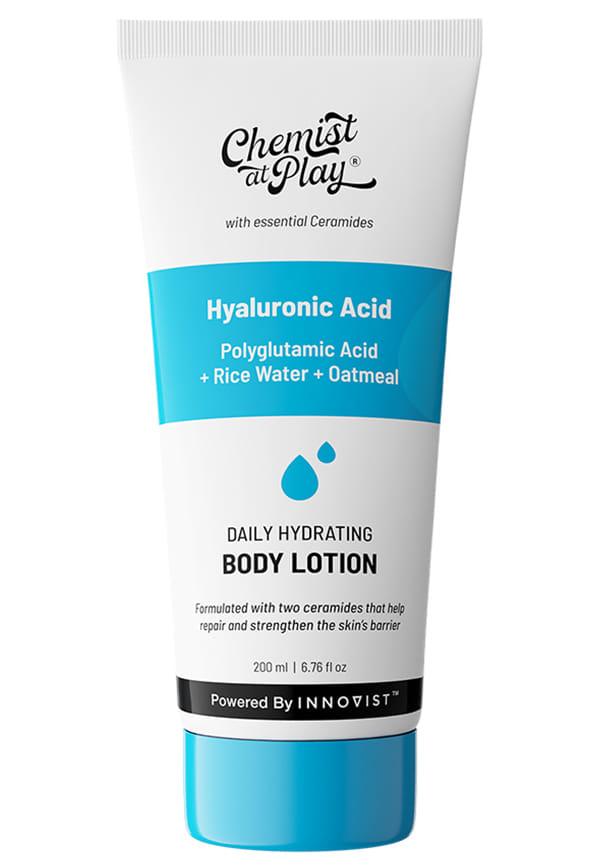 200 ml
Hydrating Body Lotion | Skin Moisturization | Rice Water & Hyaluronic acid
Not all ingredients are created equal, and some can actually make dry skin worse. Knowing which ingredients to avoid in lotion can save you from wasted money and frustrated skin. Harsh sulfates like sodium lauryl sulfate can strip your skin's natural oils, leaving it drier than before. They're more commonly found in cleansers, but occasionally pop up in body products. Synthetic fragrances are one of the most common causes of skin reactions. If you have sensitive skin, fragrance-free formulations are usually your safest bet. Parabens are controversial preservatives that some people prefer to avoid. Whilst the research on their safety is mixed, there are plenty of effective alternatives available if you'd rather skip them. Denatured alcohol can be very drying, especially if it's high up on the ingredient list. It's sometimes used to help products absorb quickly, but it can worsen dry skin conditions. Mineral oil is a bit controversial. Whilst it's an effective occlusive, some people find it clogs their pores or feels too heavy. It's not inherently bad, but it might not be right for everyone.
The best ingredients for skin hydration can vary depending on your specific skin type and concerns. What works brilliantly for your friend might not be right for you, and that's completely normal.
For dry skin, you want heavy-hitting occlusives like shea butter or petrolatum, combined with rich emollients. Don't be afraid of thicker textures—your skin needs that extra protection. If you have oily skin, lightweight humectants like hyaluronic acid work brilliantly without adding greasiness. Look for non-comedogenic formulations that won't clog your pores. Sensitive skin benefits from fragrance-free, hypoallergenic formulations with gentle, proven ingredients. Stick to shorter ingredient lists when possible. For mature skin, look for ingredients like retinol or peptides alongside your hydrating ingredients. These can help address signs of ageing whilst keeping skin moisturised.
Essential oils for lotion can provide both skincare benefits and aromatherapy effects, but they need to be used carefully and in proper concentrations. Lavender oil has calming properties both for your skin and your mood. It's one of the gentler essential oils, but should still be properly diluted. Tea tree oil has antimicrobial properties that can be helpful for problematic skin, but it's quite potent and should be used sparingly. Rosehip oil is rich in vitamin C and can help with signs of ageing whilst providing moisture. It's technically a carrier oil rather than an essential oil, making it gentler for regular use. Jojoba oil is actually a liquid wax that closely mimics your skin's natural sebum. It's brilliant for all skin types and rarely causes reactions.
If you're interested in creating your own products, understanding homemade lotion ingredients can help you make effective, personalised formulations. However, DIY skincare requires careful attention to safety and proper preservation. Base ingredients for homemade lotions typically include carrier oils like sweet almond or coconut oil, butters like shea or cocoa butter, and waxes like beeswax or candelilla wax for vegan options. Active ingredients can include vitamins like vitamin E oil, botanical extracts, and properly diluted essential oils. Remember that a little goes a long way with most active ingredients. You'll need basic equipment including a double boiler or microwave-safe containers, a hand mixer or immersion blender, and sterilised containers for storage. Preservation is crucial for homemade products. Natural preservatives like vitamin E can help prevent oils from going rancid, but they won't prevent bacterial growth. For water-containing formulations, you'll need proper broad-spectrum preservatives. Proper sanitation is essential—sterilise all equipment and containers, and store your finished products in the refrigerator to extend their shelf life. With platforms like Smytten, you can explore various body lotion benefits by trying mini versions of different formulations before committing to full-size products. This approach lets you test how different skin-nourishing ingredients work with your specific skin type without the risk of purchasing products that might not suit you.
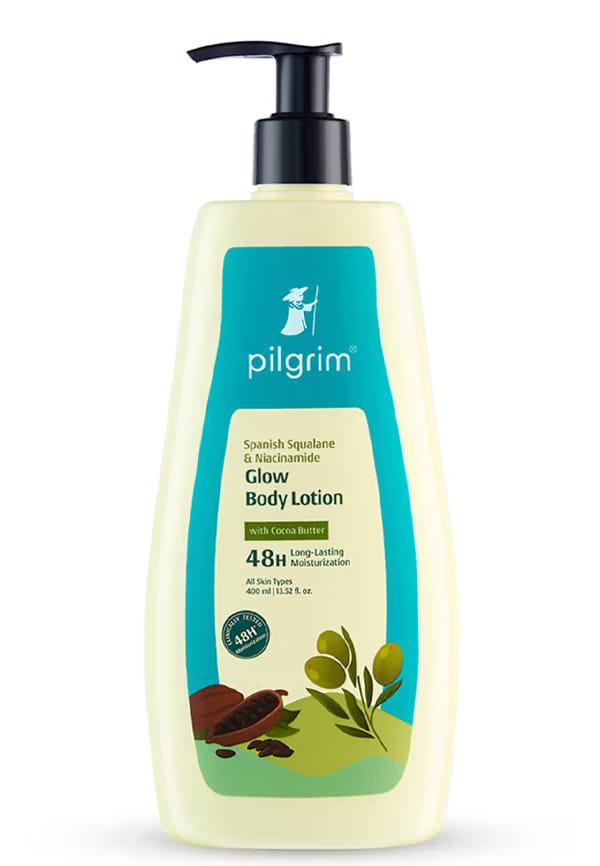 400 ml
Spanish Squalane & Niacinamide GLOW BODY LOTION
The most effective approach combines humectants like hyaluronic acid, emollients like shea butter, and occlusives like ceramides. No single ingredient can provide complete hydration—it's the combination that makes the difference.
Water is typically the primary ingredient in most lotions, followed by emollients and humectants. The water provides the base for the formula, whilst the other ingredients provide the moisturising benefits.
Hyaluronic acid for its incredible water-holding capacity, glycerin for reliable moisture binding, and ceramides for barrier repair and protection are the most effective trio for long-lasting hydration.
Look for rich emollients like shea butter or avocado oil, effective occlusives like petrolatum or dimethicone, and avoid harsh ingredients like sulfates or denatured alcohol that can worsen dryness.
Not necessarily. Both natural and synthetic ingredients can be effective and safe. Focus on how well an ingredient works for your skin type rather than whether it's natural or synthetic.
Choosing the right body lotion ingredients doesn't have to feel like solving a puzzle. Once you understand the basics—humectants, emollients, and occlusives—you can decode any ingredient list and find formulations that actually work for your skin. Remember that the best ingredients are the ones that suit your specific skin type and concerns, whether they're natural or synthetic. The key is finding products that combine these different types of ingredients in the right proportions for your needs. With Smytten's trial platform, you can explore different formulations from trusted brands without committing to full-size purchases. This lets you test how various ingredients work with your skin, helping you make smarter, more confident choices about your skincare routine. After all, why settle for maybe when you can try it all and find what actually works for you?
