How to Choose Natural Body Lotion Ingredients

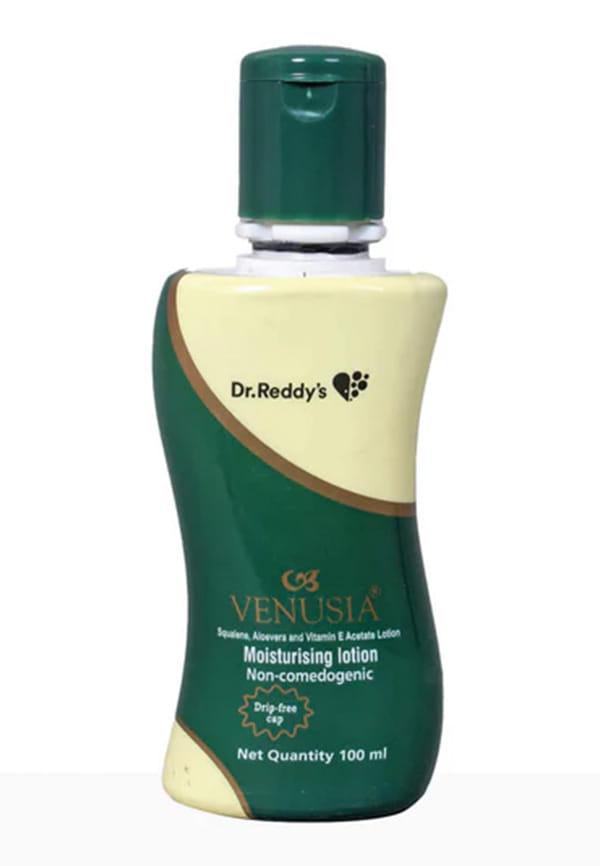 100 gm
Moisturizing Lotion for Normal Skin with natural Aloe Vera
Let's be real—choosing the right body lotion natural ingredients can feel like decoding a chemistry textbook. With endless options promising everything from baby-soft skin to miracle transformations, it's easy to get lost in the maze of marketing claims. But here's the thing: understanding what goes into your natural body lotion isn't just about following trends—it's about making choices that actually work for your skin. Whether you're dealing with dry patches, sensitive reactions, or just want to ditch the harsh chemicals, knowing which ingredients to look for (and which to avoid) can be a total game-changer. Ready to become your own skincare detective?
The world of body lotion natural ingredients isn't as straightforward as it seems. While brands love throwing around terms like "natural," "organic," and "plant-based," these words don't always mean what you think they do. Natural ingredients are derived from plants, minerals, or animals without significant chemical alteration. Organic body lotion takes it a step further—these ingredients are grown without synthetic pesticides, fertilisers, or GMOs. Plant-based simply means the ingredient comes from plants, but it might still undergo processing. The real magic happens when you compare these to synthetic alternatives. Natural ingredients tend to work with your skin's biology rather than against it. They're often gentler, less likely to cause irritation, and come packed with bonus nutrients your skin actually recognises. Synthetic ingredients, whilst sometimes effective, can disrupt your skin's natural barrier and cause long-term sensitivity.
Natural ingredients bring a whole squad of benefits to the table. They're typically more biocompatible, meaning your skin knows how to process them efficiently. Plus, they often come with additional perks—like antioxidants, vitamins, and minerals—that synthetic versions just can't match.
Here's where things get tricky. Brands can legally call a product "natural" even if it contains just a tiny percentage of natural ingredients. Look for certifications like COSMOS, Ecocert, or USDA Organic. These third-party verifications actually mean something. Also, check the ingredient list—if you can't pronounce most of it, that's usually a red flag.
When it comes to body moisturiser natural formulations, ingredients fall into three main categories: humectants, emollients, and occlusives. Think of them as your skin's hydration dream team. Humectants pull moisture from the environment into your skin, emollients smooth and soften, whilst occlusives create a protective barrier to lock everything in. The best natural body lotion combines all three types for maximum effectiveness. It's like having a perfectly balanced meal for your skin—each ingredient plays its part in keeping you hydrated, smooth, and protected.
Aloe vera gel is the gentle giant of hydration. It's perfect for sensitive skin because it provides moisture without heaviness or irritation. Plant-derived glycerin is another superstar—it can hold up to 1,000 times its weight in water. Hyaluronic acid from botanical sources takes hydration to the next level, plumping skin from within.
Shea butter is your go-to for serious nourishment, especially if you're dealing with dry, rough patches. Coconut oil brings antimicrobial properties to the party, whilst jojoba oil is brilliant because it mimics your skin's natural sebum. For those with oily skin, sunflower seed oil provides moisture without clogging pores.
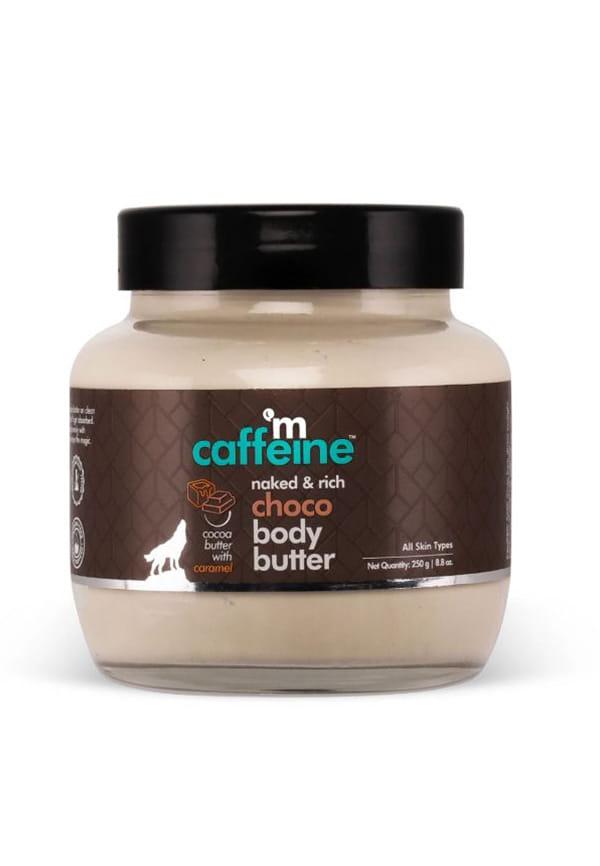 250 gm
Choco & Shea Body Butter for 72 Hrs Moisturization
Beeswax creates an excellent protective barrier, though it's not suitable for vegan formulations. Candelilla wax offers similar benefits for those choosing vegan body lotion options. Plant-derived ceramides are particularly clever—they actually help repair your skin's natural barrier function.
Not all skin is created equal, and your body lotion natural ingredients should reflect that. Different skin types and concerns need different approaches. The key is understanding what your skin actually needs rather than what marketing tells you it should want. Choosing the right ingredients for your specific concerns can make the difference between a product that just sits on your skin and one that actually transforms it.
Dry skin needs serious hydration and barrier repair. Stearic acid and cetyl alcohol (despite the name, these are actually moisturising fatty alcohols) help create a protective film. Avocado oil brings deep moisturisation plus vitamin E for added protection. Oatmeal extract soothes whilst providing gentle exfoliation to remove dead skin cells that can block moisture absorption.
Sensitive skin requires a gentle touch. Chamomile extract brings anti-inflammatory benefits without irritation. Calendula oil has been used for centuries to heal and calm reactive skin. Colloidal oatmeal provides both soothing relief and gentle exfoliation. Avoid essential oils, fragrances, and citrus extracts if your skin tends to react.
Oily skin still needs moisture—it just needs the right kind. Lightweight oils like grapeseed, hemp seed, and rosehip provide hydration without heaviness. Niacinamide (vitamin B3) helps regulate sebum production. Green tea extract offers antioxidant protection whilst helping control excess oil.
India's diverse climate and rich tradition of natural skincare offer unique insights into choosing body lotion natural ingredients. The humid coastal regions, dry northern plains, and monsoon seasons all demand different approaches to body care. Traditional Ayurvedic wisdom, combined with modern understanding of skin science, creates a perfect foundation for choosing the right ingredients. What works in Mumbai's humidity might not suit Delhi's dry winters. Understanding these regional differences helps you make smarter choices about your natural body lotion routine.
Turmeric brings anti-inflammatory and brightening properties that have been trusted for generations. Neem oil offers powerful antimicrobial benefits, perfect for India's humid climate. Sesame oil serves as an excellent moisturising base, whilst rose water provides hydration and helps balance skin pH naturally.
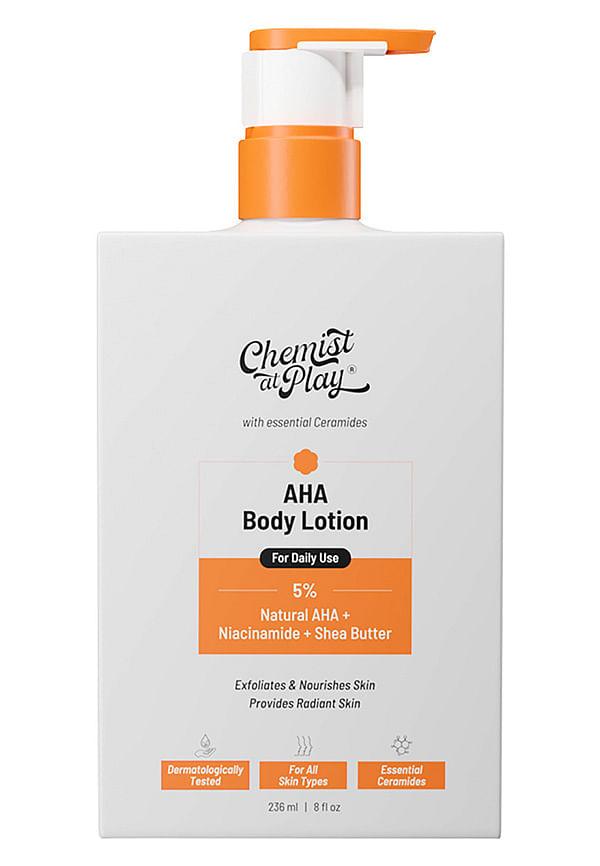 236 ml
5% Natural AHA + Niacinamide + Shea Butter | AHA Body Lotion With Ceramides
Humid climates call for lighter, fast-absorbing formulations. During monsoons, look for non toxic body lotion ingredients that won't feel sticky or heavy. Winter months require richer formulations with more occlusive ingredients to combat dry air and indoor heating.
Making your own plant based body lotion isn't as complicated as it sounds. With the right ingredients and a bit of patience, you can create customised formulations that work perfectly for your skin. Plus, you'll know exactly what's going into your product—no mystery ingredients or hidden nasties. The beauty of DIY lies in complete control over your ingredients. You can adjust ratios, swap ingredients based on availability, and create seasonal variations that work with your skin's changing needs.
Start with a simple base: three-quarters cup aloe vera gel, quarter cup filtered water, and half a cup of beeswax for structure. Add half a cup of jojoba oil and one teaspoon of vitamin E oil for preservation. This creates a stable, effective body cream natural foundation that you can customise endlessly.
For dry skin, increase the oil content and add shea butter. Sensitive skin benefits from chamomile tea instead of water and minimal essential oils. Oily skin types should reduce oil content and add lightweight options like grapeseed oil. Seasonal adjustments might include lighter formulations for summer and richer ones for winter.
Always patch test new ingredients before full application. Sterilise all equipment with rubbing alcohol. Natural preservatives like vitamin E oil help extend shelf life, but homemade lotions typically last 3-6 months when stored properly in the refrigerator.
With countless options available, choosing the best natural lotion requires a strategic approach. It's not just about reading marketing claims—it's about understanding what your skin actually needs and finding products that deliver on their promises. The good news? Once you know what to look for, spotting quality becomes much easier. Smytten makes this process even simpler by offering trial-sized versions of natural body lotions from trusted brands. Instead of committing to full-size products, you can test different formulations to find your perfect match.
Ask about ingredient sourcing and transparency. Look for third-party certifications that verify natural claims. Consider the price-to-quality ratio—sometimes expensive doesn't mean better, and sometimes cheap means cutting corners on quality ingredients.
Beware of vague claims like "naturally inspired" or "nature-derived." These often mean very little. Watch for hidden synthetic ingredients buried in long INCI lists. Be sceptical of products claiming miraculous results—good skincare works gradually, not overnight.
Start with one new product at a time to identify what works. Layer products from thinnest to thickest consistency. Adjust your routine seasonally—your skin's needs change with weather, age, and lifestyle factors.
A truly natural body lotion contains ingredients derived from plants, minerals, or other natural sources without significant chemical alteration. Look for certifications like COSMOS or Ecocert, and check that the majority of ingredients are recognisably natural rather than synthetic.
Absolutely. Natural ingredients often work more harmoniously with your skin's biology. Whilst they might take slightly longer to show dramatic results, they're typically gentler and provide long-term benefits without the risk of irritation or dependency.
Not necessarily. Price often reflects packaging, marketing, and brand positioning rather than ingredient quality. Focus on the ingredient list and certifications rather than price tags. Sometimes simpler formulations with fewer, high-quality ingredients work better than complex, expensive ones.
Look for products with minimal ingredients, avoid fragrances and essential oils, and always patch test first. Ingredients like aloe vera, chamomile, and oatmeal are generally well-tolerated. Start with fragrance-free formulations and introduce new products gradually.
Natural means derived from nature without significant chemical processing. Organic requires ingredients grown without synthetic pesticides or fertilisers, usually with third-party certification. Plant-based simply means ingredients come from plants, but they may still undergo processing.
Choosing the right body lotion natural ingredients doesn't have to feel overwhelming. Start by understanding your skin type and specific concerns, then look for ingredients that address those needs. Remember that natural doesn't automatically mean better—it's about finding formulations that work harmoniously with your skin's unique requirements. The beauty of natural skincare lies in its gentle effectiveness and long-term benefits. Whether you're dealing with dry skin, sensitivity, or just want to make more conscious choices, there's a natural solution that can work for you. Take time to read labels, understand ingredients, and don't be afraid to experiment with different formulations. With platforms like Smytten offering trial-sized versions of natural body lotions from over 1,500 trusted brands, you can explore different options without the commitment of full-size purchases. This approach lets you discover what truly works for your skin before investing in larger quantities. After all, why settle for maybe when you can try it all and find your perfect match?
