How to Choose Clean Beauty for Sensitive Skin


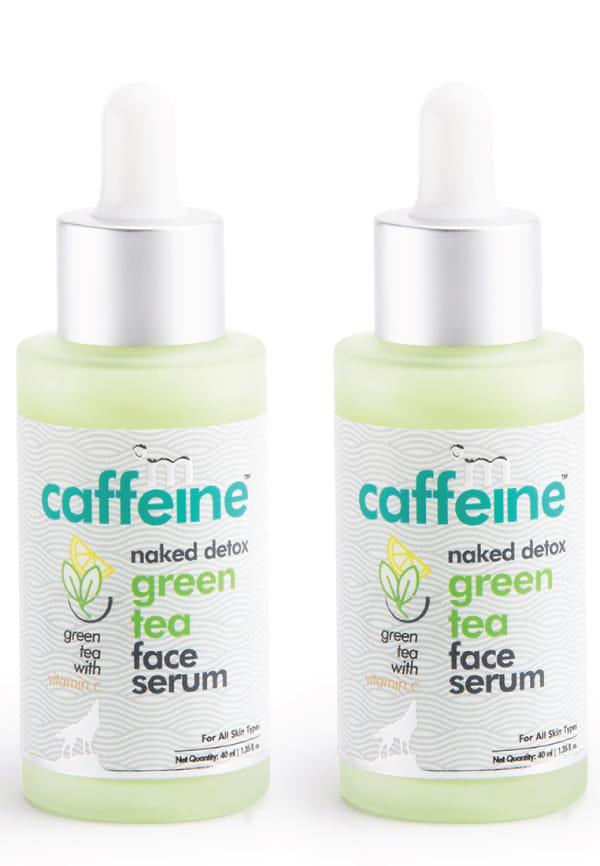 40 ml*2
Green Tea Face Serum for 72 Hrs Hydration with Hyaluronic Acid
Finding the right clean beauty for sensitive skin feels like searching for a needle in a haystack, doesn't it? Your skin reacts to everything, labels promise the world but deliver irritation, and you're left wondering if gentle skincare actually exists. Here's the thing—clean beauty isn't just a trend for sensitive skin types; it's practically essential. When your skin throws tantrums at the slightest provocation, choosing products with transparent, gentle formulations becomes your secret weapon. Let's dive into how you can build a sensitive skin routine that actually works, without the guesswork or the drama.
Clean beauty operates on a simple principle: fewer harsh chemicals, more skin-friendly ingredients. For sensitive skin, this translates to fewer chances of irritation, redness, or those annoying breakouts that seem to come from nowhere.
The beauty of clean formulations lies in their transparency. You know exactly what you're putting on your skin, which makes it easier to identify and avoid your personal triggers. Conventional beauty products often contain a cocktail of synthetic fragrances, harsh preservatives, and chemical irritants that can send sensitive skin into overdrive.
Gentle skincare through clean beauty focuses on biocompatible ingredients—substances your skin recognises and can work with rather than fight against. Think plant-derived actives, naturally occurring humectants, and lab-grown alternatives that deliver results without the irritation. Research shows that simplified ingredient lists with recognisable components significantly reduce the likelihood of adverse reactions, making clean beauty a smart choice for reactive skin types.
Not all ingredients are created equal, especially when your skin has opinions about everything. Here's what to look for when shopping for hypoallergenic beauty products.
Hyaluronic acid tops the list for good reason. This moisture magnet holds up to 1,000 times its weight in water, delivering deep hydration without any of the heaviness or potential irritation of occlusive moisturisers. It's naturally found in your skin, so there's minimal risk of reaction.
Ceramides are your skin barrier's best friends. These lipid molecules help repair and strengthen your skin's natural protective layer, reducing sensitivity over time. Look for products containing multiple types of ceramides for maximum benefit.
Niacinamide (vitamin B3) brings anti-inflammatory benefits without the intensity of other actives. It calms redness, regulates oil production, and strengthens your skin barrier—perfect for sensitive skin that needs gentle improvement rather than aggressive treatment.
Aloe vera isn't just for sunburns. This natural soother contains compounds that reduce inflammation and provide instant comfort to irritated skin. Choose products with high concentrations of pure aloe rather than those listing it near the bottom of ingredients.
Biotech-derived ingredients represent the future of calming skincare. Lab-grown peptides offer anti-ageing benefits without the potential irritation of harsh retinoids. Prebiotic ingredients support your skin's natural microbiome, creating an environment where healthy bacteria thrive and sensitivity decreases.
These scientifically advanced ingredients provide targeted benefits while maintaining the gentle approach that sensitive skin requires. They're often more stable and pure than their natural counterparts, reducing the risk of contamination or unexpected reactions.
Knowing what to avoid is just as important as knowing what to seek. Even products marketed as natural or clean can contain ingredients that trigger sensitive skin reactions.
 50 ml
50 ml5x Hydrating Ceramide Moisturizer for Face , Micro Hyaluronic Acid & 3 Ceramides
Fragrances top the irritant list, whether synthetic or natural. That lovely lavender scent might seem harmless, but essential oils can be more irritating than their synthetic counterparts. Fragrance-free skincare is your safest bet—look for products specifically labelled as fragrance-free rather than unscented, which can still contain masking fragrances.
Sulfates like sodium lauryl sulfate create that satisfying foam in cleansers but strip your skin's natural oils, leaving it vulnerable and reactive. Best cleansers for sensitive skin use gentle surfactants that clean effectively without disrupting your skin barrier.
Denatured alcohol appears in many products as a quick-drying agent but can cause significant irritation. Don't confuse this with fatty alcohols like cetyl or stearyl alcohol, which are actually moisturising and beneficial for sensitive skin.
Just because something is natural doesn't mean it's gentle. Citrus oils, mint, and even some botanical extracts can trigger reactions in sensitive skin. High concentrations of otherwise gentle ingredients can also cause problems—remember, the dose makes the poison.
Cross-contamination during manufacturing can introduce allergens even into carefully formulated products. Choose brands that follow strict manufacturing protocols and test for common allergens.
Creating a sensitive skin routine with clean beauty products requires strategy, not just good intentions. Start simple and build gradually.
Begin with a gentle cleanser that removes overnight buildup without stripping your skin. Cream or lotion cleansers work better than foaming formulas for most sensitive skin types. Look for ingredients like glycerin or hyaluronic acid that add moisture while cleansing.
Follow with a lightweight, fragrance-free skincare serum containing niacinamide or hyaluronic acid. These ingredients provide benefits without overwhelming sensitive skin. Your moisturiser should contain ceramides or similar barrier-supporting ingredients.
Sunscreen is non-negotiable, but choose mineral formulas with zinc oxide or titanium dioxide rather than chemical sunscreens, which can cause stinging or reactions in sensitive skin.
Your evening routine focuses on repair and recovery. Double cleansing works well if you wear makeup—start with a gentle cleansing oil, then follow with your regular cleanser. This removes everything without over-cleansing.
Soothing beauty products containing ingredients like chamomile, calendula, or centella asiatica can calm any daytime irritation. Apply these before your regular moisturiser for maximum benefit.
For eczema-friendly skincare, consider products with colloidal oatmeal or shea butter, which provide intensive moisture and anti-inflammatory benefits.
Gentle exfoliation once or twice weekly can help sensitive skin, but choose your method carefully. Enzyme exfoliants from papaya or pumpkin are gentler than physical scrubs or strong acids.
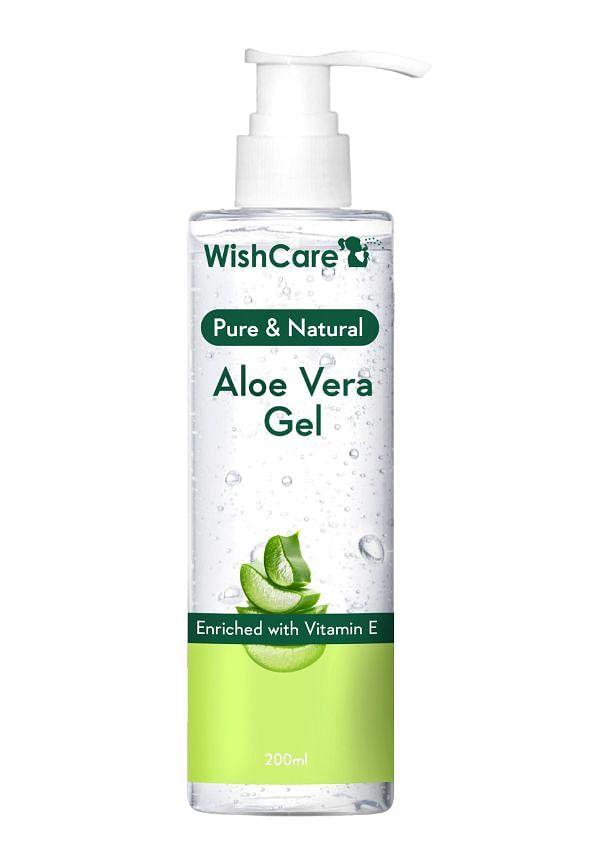 200 ml
Pure & Natural Aloe Vera Gel
Hydrating masks with hyaluronic acid or aloe vera can provide extra comfort during stressful periods when your skin feels more reactive than usual.
Marketing can make any product sound perfect for sensitive skin, but smart shopping requires looking beyond the claims.
Learn to read INCI (International Nomenclature of Cosmetic Ingredients) names. Aqua means water, sodium hyaluronate is hyaluronic acid, and tocopherol is vitamin E. Understanding these names helps you identify beneficial ingredients regardless of marketing language.
Shorter ingredient lists aren't automatically better, but they make it easier to identify potential triggers. Look for products that list active ingredients in meaningful concentrations—if hyaluronic acid is listed after preservatives, there's probably not enough to make a difference.
Third-party certifications from organisations like COSMOS or EWG provide independent verification of clean beauty claims. Dermatologist testing and clinical studies add credibility, especially for sensitive skin products.
Brands that provide detailed ingredient sourcing information and manufacturing processes demonstrate transparency that benefits sensitive skin users. Customer reviews from people with similar skin concerns offer real-world insights beyond marketing promises.
While you can make many clean beauty decisions independently, professional guidance helps optimise your choices for sensitive skin.
Dermatologists evaluate clean beauty products based on ingredient safety, concentration levels, and clinical evidence rather than marketing claims. They can help identify specific triggers in your current routine and suggest safer alternatives.
pH balance matters more than many people realise. Products with pH levels close to your skin's natural acidity (around 5.5) cause less disruption and irritation. Professional guidance helps you understand these technical aspects.
Switching to clean beauty doesn't have to be an overnight transformation. Replace one product at a time, starting with the most irritating items in your current routine. This approach helps you identify which changes make the biggest difference.
Patch testing becomes crucial when trying non-irritating cosmetics. Apply new products to a small area behind your ear or on your inner wrist for 24-48 hours before using them on your face.
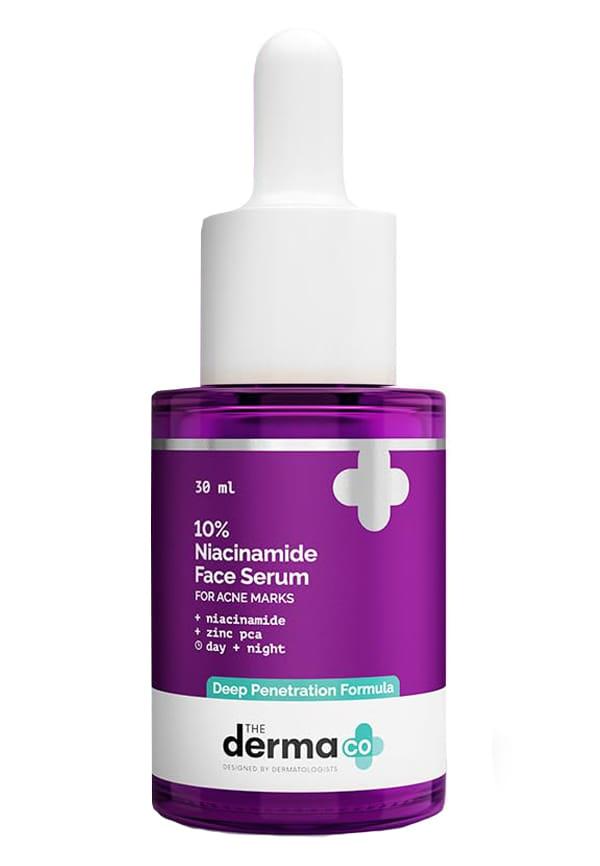 30 ml
30 ml10% Niacinamide Serum
Clean beauty for sensitive skin doesn't require breaking the bank, but knowing where to invest your money makes a significant difference.
Many drugstore brands now offer clean formulations specifically designed for sensitive skin. Look for products with simple ingredient lists and avoid those with long lists of botanical extracts, which increase the chance of reactions.
Multi-purpose products can stretch your budget while simplifying your routine. A gentle cleansing oil that removes makeup and cleanses skin eliminates the need for separate products.
Invest in a high-quality cleanser and moisturiser—these products stay on your skin longest and have the most impact on sensitive skin health. Serums and treatments can be more budget-friendly since you use smaller amounts.
Platforms like Smytten make exploring clean beauty options more affordable for sensitive skin types. With curated trial packs from over 1,500 trusted brands including gentle options like Cetaphil, you can test products before committing to full sizes. Getting up to 8 minis for just ₹249 with 100% cashback makes it easier to find your perfect gentle skincare routine without the financial risk of full-size purchases that might not work for your sensitive skin.
Yes, clean beauty typically avoids harsh chemicals, synthetic fragrances, and known irritants that commonly trigger sensitive skin reactions. The transparent ingredient lists make it easier to identify and avoid personal triggers.
Always patch test new products for 24-48 hours before full application. Look for products specifically formulated for sensitive skin, with shorter ingredient lists and certifications from dermatological organisations.
Essential oils can be more irritating than synthetic fragrances for sensitive skin. If you want to try them, choose products with very low concentrations and always patch test first.
Fragrance-free means no fragrances were added, while unscented products may contain masking fragrances to neutralise natural ingredient odours. Choose fragrance-free for sensitive skin.
Most people notice reduced irritation within 2-4 weeks of switching to gentler products. Positive changes like improved hydration and reduced redness often appear within the first week.
Choosing clean beauty for sensitive skin doesn't have to feel overwhelming when you know what to look for and what to avoid. Focus on simple formulations with proven gentle ingredients, avoid common irritants, and build your routine gradually. Remember that what works for others might not work for you—sensitive skin is highly individual.
The key is patience and consistency. Give products time to work, but don't hesitate to discontinue anything that causes irritation. With the right approach, you can build a calming skincare routine that actually supports your skin rather than fighting against it. Your sensitive skin deserves products that work with its natural processes, not against them.
